Quote:
Originally Posted by Docere

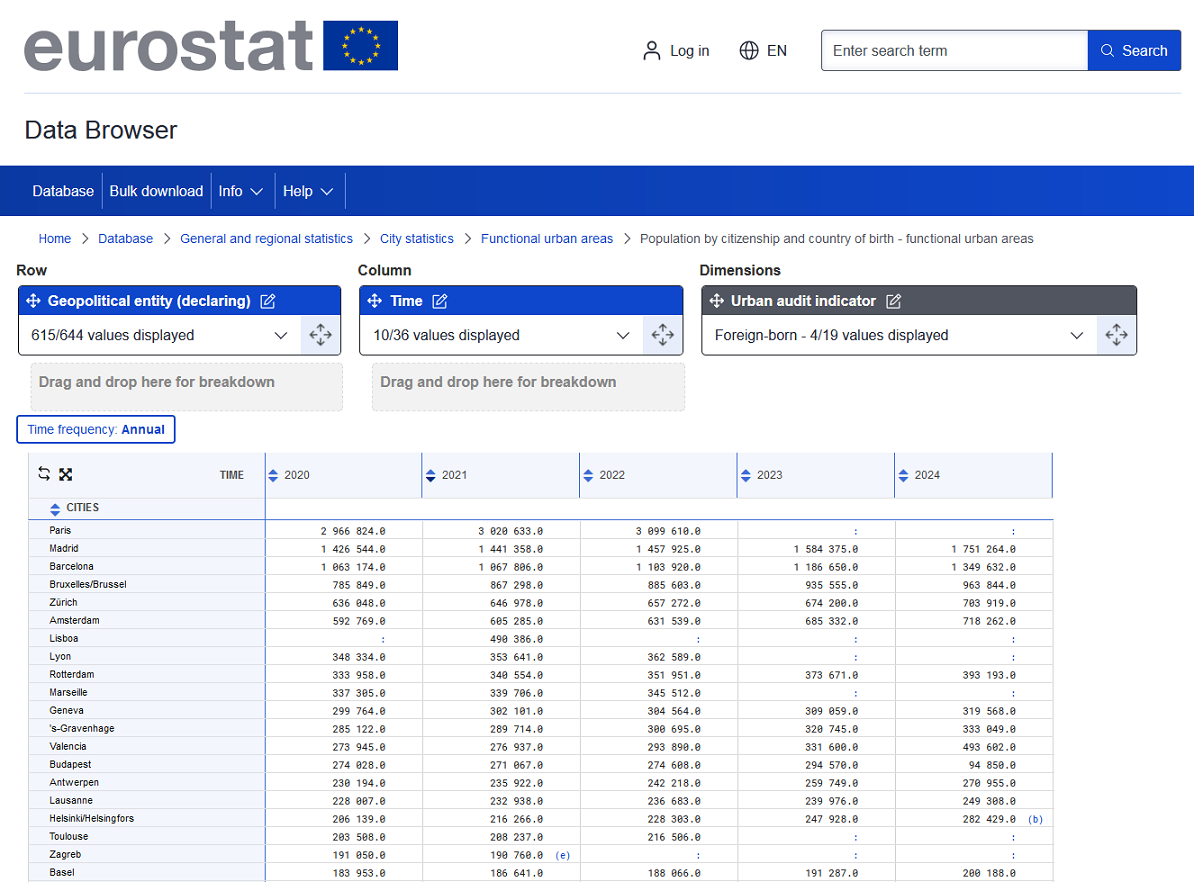
I'm talking about the foreign born/immigrant population, and not including those who are citizens at birth born "overseas."
|
For figures comparable across all cities, they should be included, since British and Spanish figures include them by default.
Also, due to the large former colonial empire of France, I think you do not fully understand what a person born abroad with French citizenship at birth is. It's not just the children of French expats born abroad.
It can also be:
- a Vietnamese member of the elites born in Vietnam, but not considered an immigrant because he/she had French citizenship in Vietnam already (at the 1999 census, last time we could count them, there were between 20,000 and 25,000 of them)
- a Muslim binational from Algeria (person who has both a French and Algerian passport) who was born in Algeria and later moved to France: this category includes tens of thousands of people for countries like Algeria, Côte d'Ivoire, Sénégal.
Canada obviously is not going to have anything similar, because it doesn't have a colonial legacy, and its ties with the rest of the world are more recent, but why exactly should these people be excluded from the figures for Paris?
For example: in Côte d'Ivoire there's a strong Lebanese-Syrian community of businessmen. These people moved to Côte d'Ivoire when it was a French colony (and Lebanon, Syria were French protectorates). These people (thousands of them) have now both an Ivorian passport and a French passport (and sometimes also a Lebanese passport). If they move to Paris, they wouldn't be counted as immigrants.
London has the same issue, due to their large former colonial empire and strong ties with many former colonies. That's why their statistical office chooses to publish only the statistics by country of birth, irrespective of the exact nationality, because how exactly do you distinguish an Indian from Uganda who always had a British passport and who lives in London from a Ugandan who acquired British citizenship only after moving to the UK? The British statistical office chooses not to bother with distinguishing them: they are both "Uganda-born".
Take for example Jean-Louis Billon, one of Côte d'Ivoire's most famous politicians (and possible successor of the current president of Côte d'Ivoire). Jean-Louis Billon was born in Côte d'Ivoire. His father was a famous businessman from Côte d'Ivoire (he was himself half White French, half Black Ivorian). His mother, coming from the Ivorian upper bourgeoisie, was herself from an aristocratic family of Mali via her father, whereas her mother was Alsatian! This guy had French citizenship from birth. If he moves to Paris (he probably already owns an appartement there, in fact his mother Kada died in Paris last March), he wouldn't be counted as an immigrant.
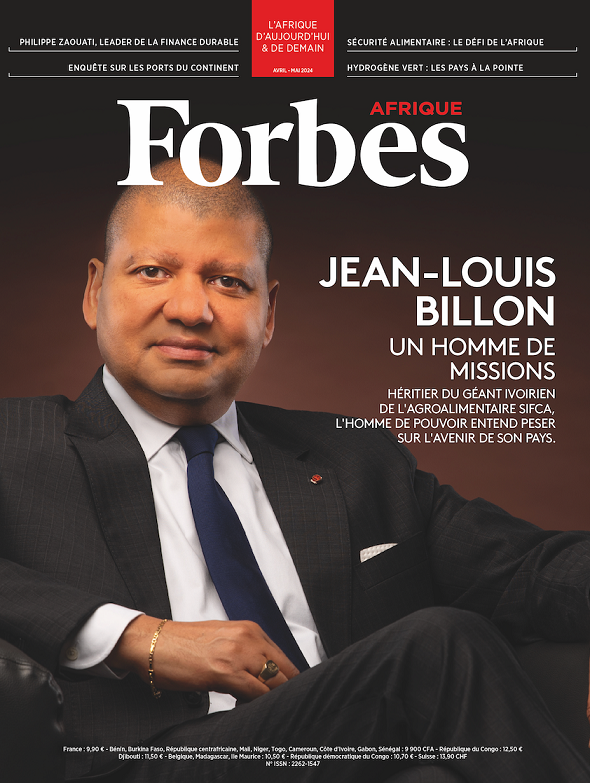
There are tens of thousands of people like him who live in a symbiotic ecosystem between France and its former colonies. And it's the same with Britain and its former colonies. For many people, the distinction between "immigrant" and "non-immigrant" is blurred.
For example Antoine Tabet, born in Senegal, from a Lebanese family, who served in the French army, was also a childhood friend of the 1st president of Senegal, Léopold Sédar Senghor, and founded one of Senegal's largest conglomerates (construction, civil engineering, and public works).







 Prev
Prev









 Linear Mode
