HomeDiagramsDatabaseMapsForum About
     

Go Back   SkyscraperPage Forum > Regional Sections > Canada > Ontario > Ottawa-Gatineau > Transportation


Reply

 
Thread Tools Display Modes
     
     
  #161  
Old Posted Apr 11, 2026, 6:24 PM
DarthVader_1961 DarthVader_1961 is offline
Registered User
 
Join Date: Jun 2009
Posts: 474
Quote:
Originally Posted by Richard Eade View Post
There is no doubt that the Alstom Citadis Spirit was not a ‘tried and true’ vehicle. It was a rather hastily cobbled together vehicle to satisfy some unrealistic requirements that Ottawa imposed. There were some compromises from the city (e.g., the required top speed was dropped from 120 KPH to 100 KPH), but most of the requirements remained, limiting what components could be used. Alstom also had a very limited knowledge of the working environment that the vehicle would be enduring. For example, the electrical insulators on the pantograph were fine for the French environment that it was taken from, but insufficient when doused with salt-water from the ice clearing done on the roads in Ottawa.

As issues with the new Spirit vehicle arose, they were cleared up. Door sensors were adjusted, new electrical insulators were designed and installed, and problems with maintenance procedures were corrected (e.g., the Jack Screws were removed from new wheels before the wheels were installed and torqued down).

However, all of those corrections, although needed, have not made the vehicles reliable enough. Of all of the improvements, there is one main problem that has persisted – the IPONAM bogie.

The design of the IPONAM was the direct result of the requirements that Ottawa put forth for its Light Rail Vehicles. No existing bogie could satisfy those demands so Alstom set about creating one. But with the short lead time to delivery, Alstom relied on modifying existing designs.

Some of the design requirements, and the resulting changes Alstom had to make to create the IPONAM:
100% Low Floor:
  • Brake disks and drive motors moved to outside the bogie frame;
  • Smaller wheel diameter.

Smooth ride with minimum running noise:
  • Resilient wheel design.

120 KPH top speed:
  • Higher gearing between the motor and the wheel. Smaller wheels rotate faster for a given speed – which means an even higher gear ratio was needed.

High acceleration rate:
  • The higher gear ratio meant that a much larger, more powerful, motor is required. (Think of a 10-speed bike. It is easy to start and quickly accelerate in 1st gear, but your top speed will be low. Starting in 10th takes a lot more effort, but you eventually get up to a much higher top speed. Now imagine if you had to accelerate as fast as you do in 1st, but reach the same top speed you do in 10th – but you have to do it without changing the gear ratio. This is in effect, what the city wanted from Alstom.)

Handle tight curves:
  • The carriage would be supported on a central pivot on the bogie, allowing the bogies to turn to better follow the tracks.

Additional climate insulation, which increased the carriage weight:
  • Increased load on the bogie required increased strength.

Ultimately, the top speed requirement was dropped to 100 KPH so that the gearing could be relaxed a bit, so the motors didn’t have to be so large that they stuck out too far, limiting how close the vehicle could get to the platform. Already, the SPIRIT vehicle requires ‘fender flares’ to cover the larger motors.

In the end, this bogie was a completely new design for Alstom’s entry into the North American market. But that, as I mentioned above, led to ‘teething pains’. Since the resilient wheels were a custom size, Alstom found a new supplier for them. However, that manufacturer put the Jack Screws in the wheels for shipping – which had not been done by previous wheel manufacturers. Issues like the Jack Screws are annoying when they are discovered, but fairly easily fixed. What is not so easy to fix is the IPONAM design.

The latest manifestation of the IPONAM problem is that it is eating wheel bearings much too fast. In fact, bearing destruction has been so severe that, in one case, the heat generated was intense enough to melt through the axle, resulting in the separation of the wheel from the axle. In this incident, a loosened pre-load locking ring was blamed. Since then, the locking rings have been pinned to prevent loosening.

However, that is a Band-Aid for the problem. It doesn’t determine WHY the lock nuts were loosening. Just as replacing every Bearing Cartridge Assembly (CBA) that runs more than 100,000 km is covering the symptom, not finding the root problem. (These CBAs were, apparently, designed for a 1.2-million km life.) Their next ‘solution’, is to add a sensor to detect when a bearing goes bad. While, finding a failed bearing is a great thing, it does nothing to increase the service life of the CBAs up to the theoretical design specification.

For years, there has been investigation into finding ways to get around the symptoms of the problem – but no real work on fixing the fundamental problem. There are, I believe, under-designed components in the IPONAM bogie.

My guess as to what is needed:
Based on absolutely no expertise at all, I can logically base a conclusion on what I have read about the problems with the IPONAM.
  • Spalling, and its more severe version, Shelling, are classic signs of overloading of a bearing. I believe that the increased weight of the carriage, the increased torque of the more powerful motor, and to an extent, the higher rotational speed due to smaller diameter wheels, overloads the bearings. They need to be 'beefed up’.
  • The loosening off of the pre-load lock nut should only occur if there is ‘interference’; i.e., drag on that part. This resistance can be from rubbing on a housing, or by being influenced by bearings that are not moving at the correct speed. Excessive flex in the axle shaft might have the ability of overcoming any clearance, causing drag. Any slight deflection of the axle shaft might also cause localized overloading of the bearings – which could show up as spalling. I would suggest that the axle shaft be stiffened to reduce any deflection.

Luckily, those two things can probably be done and analyzed in software before any new casting needs to be made. This is the type of work that needs to be done. Slapping on Band-Aids is not a good way for Alstom to build any confidence in its products.

With all the issues/derailments, it’s a good thing there have not been fatalities.
Reply With Quote
     
     
  #162  
Old Posted Apr 12, 2026, 12:53 PM
OCCheetos OCCheetos is offline
Registered User
 
Join Date: Aug 2017
Posts: 2,111
Quote:
Originally Posted by Richard Eade View Post
The design of the IPONAM was the direct result of the requirements that Ottawa put forth for its Light Rail Vehicles. No existing bogie could satisfy those demands so Alstom set about creating one. But with the short lead time to delivery, Alstom relied on modifying existing designs.
Generally speaking, most components on a commercial produced vehicle will be adapted from existing designs. "Clean sheet" redesigns are rare, and Alstom had a platform of vehicles to build upon.

Quote:
Handle tight curves:
  • The carriage would be supported on a central pivot on the bogie, allowing the bogies to turn to better follow the tracks.
The Citadis Spirit bogies do not pivot, which makes me question how many of these details are actually accurate and aren't just the assumptions you've drawn from the years of poor quality info floating around the Internet.
Reply With Quote
     
     
  #163  
Old Posted Apr 12, 2026, 1:26 PM
OttawaSkyriseLover OttawaSkyriseLover is offline
Registered User
 
Join Date: Mar 2026
Posts: 22
Quote:
Originally Posted by Richard Eade View Post
There is no doubt that the Alstom Citadis Spirit was not a ‘tried and true’ vehicle. It was a rather hastily cobbled together vehicle to satisfy some unrealistic requirements that Ottawa imposed. There were some compromises from the city (e.g., the required top speed was dropped from 120 KPH to 100 KPH), but most of the requirements remained, limiting what components could be used. Alstom also had a very limited knowledge of the working environment that the vehicle would be enduring. For example, the electrical insulators on the pantograph were fine for the French environment that it was taken from, but insufficient when doused with salt-water from the ice clearing done on the roads in Ottawa.

As issues with the new Spirit vehicle arose, they were cleared up. Door sensors were adjusted, new electrical insulators were designed and installed, and problems with maintenance procedures were corrected (e.g., the Jack Screws were removed from new wheels before the wheels were installed and torqued down).

However, all of those corrections, although needed, have not made the vehicles reliable enough. Of all of the improvements, there is one main problem that has persisted – the IPONAM bogie.

The design of the IPONAM was the direct result of the requirements that Ottawa put forth for its Light Rail Vehicles. No existing bogie could satisfy those demands so Alstom set about creating one. But with the short lead time to delivery, Alstom relied on modifying existing designs.

Some of the design requirements, and the resulting changes Alstom had to make to create the IPONAM:
100% Low Floor:
  • Brake disks and drive motors moved to outside the bogie frame;
  • Smaller wheel diameter.

Smooth ride with minimum running noise:
  • Resilient wheel design.

120 KPH top speed:
  • Higher gearing between the motor and the wheel. Smaller wheels rotate faster for a given speed – which means an even higher gear ratio was needed.

High acceleration rate:
  • The higher gear ratio meant that a much larger, more powerful, motor is required. (Think of a 10-speed bike. It is easy to start and quickly accelerate in 1st gear, but your top speed will be low. Starting in 10th takes a lot more effort, but you eventually get up to a much higher top speed. Now imagine if you had to accelerate as fast as you do in 1st, but reach the same top speed you do in 10th – but you have to do it without changing the gear ratio. This is in effect, what the city wanted from Alstom.)

Handle tight curves:
  • The carriage would be supported on a central pivot on the bogie, allowing the bogies to turn to better follow the tracks.

Additional climate insulation, which increased the carriage weight:
  • Increased load on the bogie required increased strength.

Ultimately, the top speed requirement was dropped to 100 KPH so that the gearing could be relaxed a bit, so the motors didn’t have to be so large that they stuck out too far, limiting how close the vehicle could get to the platform. Already, the SPIRIT vehicle requires ‘fender flares’ to cover the larger motors.

In the end, this bogie was a completely new design for Alstom’s entry into the North American market. But that, as I mentioned above, led to ‘teething pains’. Since the resilient wheels were a custom size, Alstom found a new supplier for them. However, that manufacturer put the Jack Screws in the wheels for shipping – which had not been done by previous wheel manufacturers. Issues like the Jack Screws are annoying when they are discovered, but fairly easily fixed. What is not so easy to fix is the IPONAM design.

The latest manifestation of the IPONAM problem is that it is eating wheel bearings much too fast. In fact, bearing destruction has been so severe that, in one case, the heat generated was intense enough to melt through the axle, resulting in the separation of the wheel from the axle. In this incident, a loosened pre-load locking ring was blamed. Since then, the locking rings have been pinned to prevent loosening.

However, that is a Band-Aid for the problem. It doesn’t determine WHY the lock nuts were loosening. Just as replacing every Bearing Cartridge Assembly (CBA) that runs more than 100,000 km is covering the symptom, not finding the root problem. (These CBAs were, apparently, designed for a 1.2-million km life.) Their next ‘solution’, is to add a sensor to detect when a bearing goes bad. While, finding a failed bearing is a great thing, it does nothing to increase the service life of the CBAs up to the theoretical design specification.

For years, there has been investigation into finding ways to get around the symptoms of the problem – but no real work on fixing the fundamental problem. There are, I believe, under-designed components in the IPONAM bogie.

My guess as to what is needed:
Based on absolutely no expertise at all, I can logically base a conclusion on what I have read about the problems with the IPONAM.
  • Spalling, and its more severe version, Shelling, are classic signs of overloading of a bearing. I believe that the increased weight of the carriage, the increased torque of the more powerful motor, and to an extent, the higher rotational speed due to smaller diameter wheels, overloads the bearings. They need to be 'beefed up’.
  • The loosening off of the pre-load lock nut should only occur if there is ‘interference’; i.e., drag on that part. This resistance can be from rubbing on a housing, or by being influenced by bearings that are not moving at the correct speed. Excessive flex in the axle shaft might have the ability of overcoming any clearance, causing drag. Any slight deflection of the axle shaft might also cause localized overloading of the bearings – which could show up as spalling. I would suggest that the axle shaft be stiffened to reduce any deflection.

Luckily, those two things can probably be done and analyzed in software before any new casting needs to be made. This is the type of work that needs to be done. Slapping on Band-Aids is not a good way for Alstom to build any confidence in its products.

Wow, this is the most detailed writeup I've seen here that explains the problem. If I may ask, where did you get all this info from? I'd really like to keep reading!
Reply With Quote
     
     
  #164  
Old Posted Apr 12, 2026, 3:31 PM
ponyboycurtis's Avatar
ponyboycurtis ponyboycurtis is online now
Cigritbutt enthusiast
 
Join Date: Apr 2021
Location: Blahttawa
Posts: 1,676
Quote:
Originally Posted by OttawaSkyriseLover View Post
Wow, this is the most detailed writeup I've seen here that explains the problem. If I may ask, where did you get all this info from? I'd really like to keep reading!
If this information could provide sources that would make me feel better.

As Cheetos is pointing out perhaps the bogies do not pivot?

Either way Richard you are doing better than CTV or the City of Ottawa so thank you regardless.
__________________
I don't understand how communism works.
Reply With Quote
     
     
  #165  
Old Posted Apr 12, 2026, 5:36 PM
Richard Eade Richard Eade is offline
Registered User
 
Join Date: Mar 2008
Location: Nepean
Posts: 2,649
Quote:
Originally Posted by OCCheetos View Post
. . .
The Citadis Spirit bogies do not pivot, which makes me question how many of these details are actually accurate and aren't just the assumptions you've drawn from the years of poor quality info floating around the Internet.
Hmmm. OCCheetos, responses like this one makes me wonder if you just say negative things to be contradictory. Clearly you have not done much research on this. Even a quick “Does the IPONAM bogie pivot?” typed into Google would give you the following AI answer:

Quote:
Yes, the IPONAM bogie, used on the Alstom Citadis Spirit light rail vehicles (such as those in Ottawa), is designed as a pivoting bogie.
  • Pivoting Mechanism: Unlike fixed-axle or some non-pivoting low-floor bogies, the IPONAM bogie pivots relative to the carbody to allow the vehicle to negotiate curves, which is intended to reduce wear on wheels and rails.
  • Articulated Design: The bogies are often referred to as articulated, meaning they allow for movement in tight, low-floor transit scenarios.
Now I know as well as you that AI can come up with some whoppers, so I fact checked with information that the TSB has published.

From the Letter to the City:


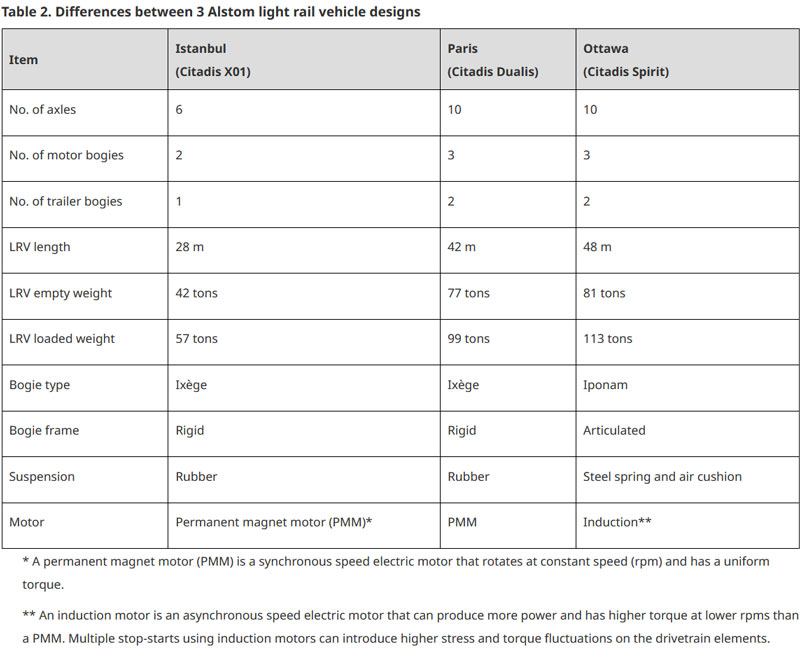
In this case, the TSB is using the term ‘Articulated’, but it means that the bogie is designed to pivot – as opposed to being ‘Rigid’. (‘Articulated’ can also refer to a Jacob’s Bogie that is a single bogie mounted between two cars.)

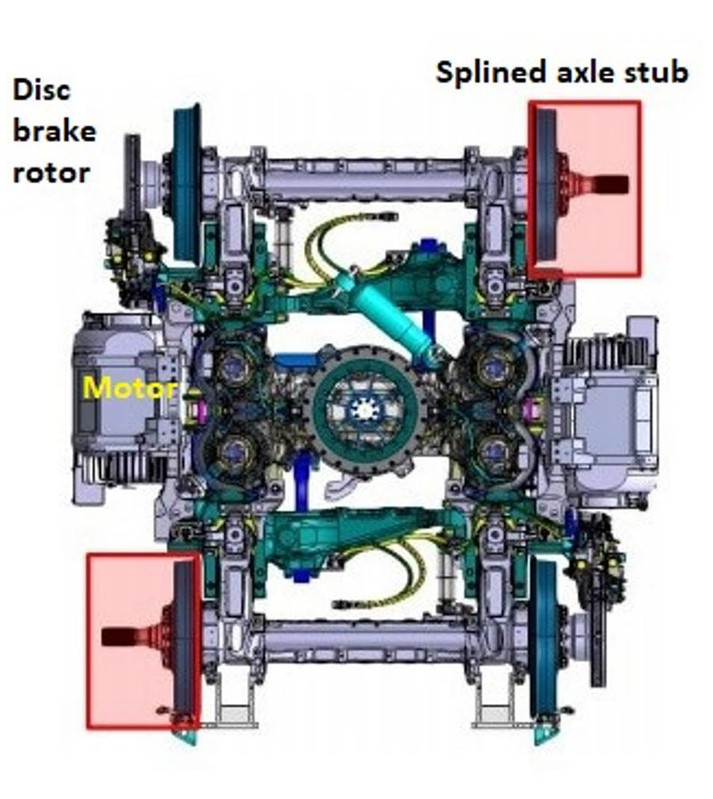
And, again, from the TSB, their Bogie Schematic:


Note the big, round, pivot shown in the center in green.

You are very quick to come out with negative comments. I would like to see your evidence that “The Citadis Spirit bogies do not pivot”.
Reply With Quote
     
     
  #166  
Old Posted Apr 15, 2026, 12:21 AM
Richard Eade Richard Eade is offline
Registered User
 
Join Date: Mar 2008
Location: Nepean
Posts: 2,649
Well, there you have it. There is a real benefit to hiring someone who knows the right people in Toronto. We hire the ex-CEO of the TTC, and within a few weeks, Metrolinx is sending us 11 complete axles (including, I assume, a Cartridge Bearing Assembly already installed on each end) for our Line 1 vehicles. (Of course, I expect that they will want at least 11 back before they need to replace axles on their vehicles.)

Quote:
Metrolinx sends replacement axles to Ottawa for the O-Train
By Ted Raymond
Published: April 14, 2026 at 6:03PM EDT

https://www.ctvnews.ca/ottawa/article/metrolinx-sends-replacement-axles-to-ottawa-for-the-o-train/
Personally, I think that this is great. I think that Leary knows how to put a bug into the ears of the right people. Instead of Ottawa trying to fight this battle alone, Metrolinx has been awakened to the issue. I expect that Metrolinx is now looking at whether its axles will also wear out prematurely. If so, Metrolinx will likely also apply pressure on Alstom to have them redesign the IPONAM bogie.
Reply With Quote
     
     
  #167  
Old Posted Apr 15, 2026, 2:07 AM
ponyboycurtis's Avatar
ponyboycurtis ponyboycurtis is online now
Cigritbutt enthusiast
 
Join Date: Apr 2021
Location: Blahttawa
Posts: 1,676
Quote:
Originally Posted by Richard Eade View Post
Well, there you have it. There is a real benefit to hiring someone who knows the right people in Toronto. We hire the ex-CEO of the TTC, and within a few weeks, Metrolinx is sending us 11 complete axles (including, I assume, a Cartridge Bearing Assembly already installed on each end) for our Line 1 vehicles. (Of course, I expect that they will want at least 11 back before they need to replace axles on their vehicles.)


Personally, I think that this is great. I think that Leary knows how to put a bug into the ears of the right people. Instead of Ottawa trying to fight this battle alone, Metrolinx has been awakened to the issue. I expect that Metrolinx is now looking at whether its axles will also wear out prematurely. If so, Metrolinx will likely also apply pressure on Alstom to have them redesign the IPONAM bogie.
I haven't heard many positive things about the guy in the redditsphere but at the very least here is some evidence to the contrary.
__________________
I don't understand how communism works.
Reply With Quote
     
     
  #168  
Old Posted Apr 15, 2026, 12:35 PM
J.OT13's Avatar
J.OT13 J.OT13 is online now
Moderator
 
Join Date: Mar 2012
Location: Ottawa
Posts: 29,002
Quote:
Originally Posted by Richard Eade View Post
Well, there you have it. There is a real benefit to hiring someone who knows the right people in Toronto. We hire the ex-CEO of the TTC, and within a few weeks, Metrolinx is sending us 11 complete axles (including, I assume, a Cartridge Bearing Assembly already installed on each end) for our Line 1 vehicles. (Of course, I expect that they will want at least 11 back before they need to replace axles on their vehicles.)


Personally, I think that this is great. I think that Leary knows how to put a bug into the ears of the right people. Instead of Ottawa trying to fight this battle alone, Metrolinx has been awakened to the issue. I expect that Metrolinx is now looking at whether its axles will also wear out prematurely. If so, Metrolinx will likely also apply pressure on Alstom to have them redesign the IPONAM bogie.
Do we know for sure this was Rick Leary's doing? You'd think they would have made sure to give him credit in the article.

In any case, nice to see Metrolinx (and by extension the Province) finally acknowledge our existence and step-up.
Reply With Quote
     
     
  #169  
Old Posted Apr 15, 2026, 1:22 PM
phil235's Avatar
phil235 phil235 is offline
Registered User
 
Join Date: Sep 2006
Location: Ottawa
Posts: 4,597
Quote:
Originally Posted by J.OT13 View Post
Do we know for sure this was Rick Leary's doing? You'd think they would have made sure to give him credit in the article.

In any case, nice to see Metrolinx (and by extension the Province) finally acknowledge our existence and step-up.
That's what I was thinking. The TTC and Metrolinx aren't known for their great working relationship.
Reply With Quote
     
     
  #170  
Old Posted Apr 15, 2026, 1:58 PM
J.OT13's Avatar
J.OT13 J.OT13 is online now
Moderator
 
Join Date: Mar 2012
Location: Ottawa
Posts: 29,002
Quote:
Originally Posted by phil235 View Post
That's what I was thinking. The TTC and Metrolinx aren't known for their great working relationship.
Might have more to do with the potential transfer of the O-Train to Metrolinx. They don't want to take on a broken system, so they are providing small amounts of support to get it fixed before the takeover.
Reply With Quote
     
     
  #171  
Old Posted Apr 15, 2026, 2:39 PM
Richard Eade Richard Eade is offline
Registered User
 
Join Date: Mar 2008
Location: Nepean
Posts: 2,649
It is possible that Leary had nothing to do with it, but the timing is what supports my suspicion. Our trains have been having problems with axles for years. The current spalling/shelling issue has been big news for months. It wasn't until Leary arrived that Metrolinx offered replacement axles. I look at 'What changed?' when I see sudden movement like this.
Reply With Quote
     
     
  #172  
Old Posted Apr 15, 2026, 3:49 PM
J.OT13's Avatar
J.OT13 J.OT13 is online now
Moderator
 
Join Date: Mar 2012
Location: Ottawa
Posts: 29,002
Quote:
Originally Posted by Richard Eade View Post
It is possible that Leary had nothing to do with it, but the timing is what supports my suspicion. Our trains have been having problems with axles for years. The current spalling/shelling issue has been big news for months. It wasn't until Leary arrived that Metrolinx offered replacement axles. I look at 'What changed?' when I see sudden movement like this.
He could have been involved for sure. I'd love to hear how this all came to be.

Worth noting that a single train has 10 axels, so 11 axles isn't going to go very far. Better than nothing for sure, but hopefully this isn't it.
Reply With Quote
     
     
  #173  
Old Posted Apr 15, 2026, 6:36 PM
golfguy9 golfguy9 is offline
Registered User
 
Join Date: Sep 2025
Posts: 69
I'm not sure if this has been answered before but is there something that makes a more conventional subway system more expensive than what we have in an LRT type system?
Reply With Quote
     
     
  #174  
Old Posted Apr 15, 2026, 6:55 PM
J.OT13's Avatar
J.OT13 J.OT13 is online now
Moderator
 
Join Date: Mar 2012
Location: Ottawa
Posts: 29,002
Quote:
Originally Posted by golfguy9 View Post
I'm not sure if this has been answered before but is there something that makes a more conventional subway system more expensive than what we have in an LRT type system?
Building a proper subway, or even something more akin to the REM, wouldn't have been a whole lot more expensive. Tunnels would have to have been moderately larger, but that's about it.
Reply With Quote
     
     
  #175  
Old Posted Apr 15, 2026, 6:58 PM
phil235's Avatar
phil235 phil235 is offline
Registered User
 
Join Date: Sep 2006
Location: Ottawa
Posts: 4,597
Quote:
Originally Posted by J.OT13 View Post
Building a proper subway, or even something more akin to the REM, wouldn't have been a whole lot more expensive. Tunnels would have to have been moderately larger, but that's about it.
I'm more interested in knowing our realistic options for incrementally replacing the vehicles.
Reply With Quote
     
     
  #176  
Old Posted Apr 15, 2026, 7:05 PM
J.OT13's Avatar
J.OT13 J.OT13 is online now
Moderator
 
Join Date: Mar 2012
Location: Ottawa
Posts: 29,002
Quote:
Originally Posted by phil235 View Post
I'm more interested in knowing our realistic options for incrementally replacing the vehicles.
Well, yes. The train left the station 15 years ago when it comes to debating LRT vs Light-Metro vs Heavy Rail. We have to work with what we built.
Reply With Quote
     
     
  #177  
Old Posted Apr 16, 2026, 12:48 AM
OCCheetos OCCheetos is offline
Registered User
 
Join Date: Aug 2017
Posts: 2,111
Quote:
Originally Posted by Richard Eade View Post
It is possible that Leary had nothing to do with it, but the timing is what supports my suspicion. Our trains have been having problems with axles for years. The current spalling/shelling issue has been big news for months. It wasn't until Leary arrived that Metrolinx offered replacement axles. I look at 'What changed?' when I see sudden movement like this.
You could spin many arguments on that flimsy basis.

I'm sure Rick Leary's reputation for safety and maintenance at the MBTA and TTC had nothing to do with the impending possibility of a safety-related shutdown of the LRT going away as soon as Leary was named GM, huh?

I wouldn't put any stock in any of these theories, for what I hope are obvious reasons.
Reply With Quote
     
     
  #178  
Old Posted Apr 16, 2026, 3:50 AM
acottawa acottawa is offline
Registered User
 
Join Date: Aug 2009
Posts: 18,867
Quote:
Originally Posted by J.OT13 View Post
Well, yes. The train left the station 15 years ago when it comes to debating LRT vs Light-Metro vs Heavy Rail. We have to work with what we built.
You have to work with the geometry of the system and the voltage. There is nothing binding them to these Alston vehicles.
Reply With Quote
     
     
  #179  
Old Posted Apr 17, 2026, 1:09 PM
J.OT13's Avatar
J.OT13 J.OT13 is online now
Moderator
 
Join Date: Mar 2012
Location: Ottawa
Posts: 29,002
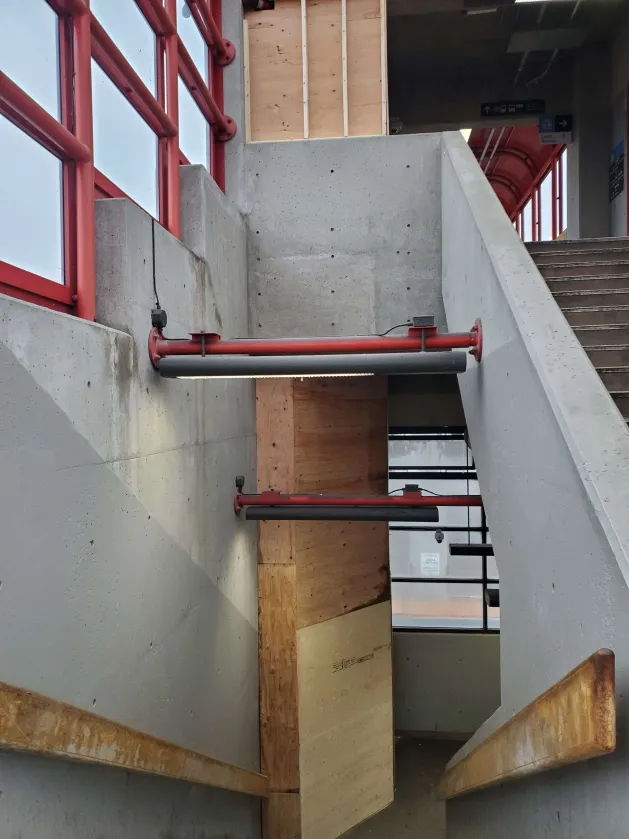
Progress on the new Blair elevator. Once this new one opens, the old one across will be replaced.

Reply With Quote
     
     
  #180  
Old Posted Apr 17, 2026, 6:01 PM
Kitchissippi's Avatar
Kitchissippi Kitchissippi is offline
Busy Beaver
 
Join Date: Nov 2005
Location: Ottawa
Posts: 4,688
That old Transitway infrastructure is just so hideously ugly. I can almost smell it just from looking at the photo
Reply With Quote
     
     
This discussion thread continues

Use the page links to the lower-right to go to the next page for additional posts
 
 
Reply

Go Back   SkyscraperPage Forum > Regional Sections > Canada > Ontario > Ottawa-Gatineau > Transportation
Forum Jump


Forum Jump


All times are GMT. The time now is 7:44 PM.


Powered by vBulletin® Version 3.8.7
Copyright ©2000 - 2026, vBulletin Solutions, Inc.