 Posted Jul 22, 2023, 7:59 AM
|
|
Registered User
|
|
Join Date: Feb 2002
Posts: 6,728
|
|
Quote:
Bisnow.com
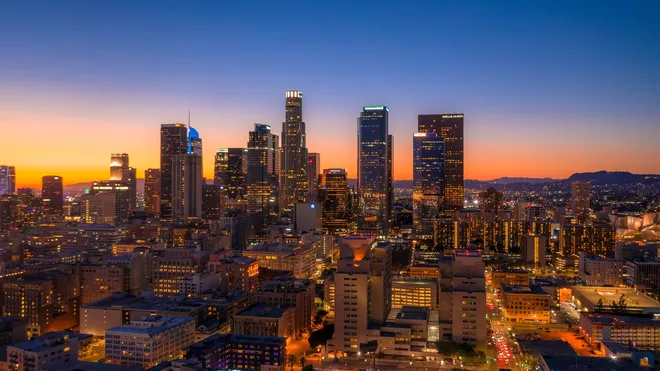
Downtown LA, like most downtowns across the country, is at a turning point as people rethink the ebb and flow of their daily lives. To better understand the future of this rapidly changing area, Downtown Center Business Improvement District, an organization that has been at the forefront of DTLA’s renaissance over the past 20 years, is releasing its 2023 DTLA Outlook Insights report. DCBID Executive Director Nick Griffin told Bisnow the report is arriving at a critical moment. As coronavirus states of emergency lift, post-pandemic realities continue to emerge, colored by change and uncertainty — particularly for central business districts that have been upended by significant shifts in the nature of office work and the interrelated effects the pandemic has had across all sectors
“To understand DTLA, particularly in this current moment, you need to know it is no longer just a 9-to-5 business district,” Griffin said. “It’s a 24/7 mixed-use area with a residential population of over 90,000 people, making it one of the largest residential neighborhoods in the city.” Griffin said DTLA now welcomes more than 17.4 million visitors every year due to its vibrant cultural and nightlife scenes.
The DCBID’s quarterly market statistics show some sectors of Downtown’s economy recovering well — with residential occupancy topping pre-pandemic levels and hospitality nearing them. Overall visitation numbers clearly show people returning to DTLA. On the residential front, there’s new inventory under construction and in the pipeline to meet strong demand as the residential population grows.
“That population is increasingly shaping DTLA’s identity, and it was critical to weathering the pandemic in the absence of our normally huge population of office workers,” Griffin said. He added that he was pleasantly surprised at how quickly DTLA’s hospitality sector recovered. He said that occupancy and revenue per available room were close to pre-Covid levels and food and beverage are performing particularly well, with over 30 new restaurant openings in the last year.
The exception, of course, is the office sector, where uncertainty around the shifting nature of hybrid and remote office work and what those changes might mean for Downtown’s vitality is the top concern. But while the office market has been slower to recover, the report also shows there is reason for hope with 81% of office workers saying their employers have expressed plans for them to be in the office at least half the workweek.
In counterpoint to the market stats in this report are the survey results of 2,000-plus respondents, which, when compared to the halcyon days before the pandemic, present a significantly reduced sense of optimism about the future. Whether on general questions about Downtown’s direction or specific ones regarding issues such as public safety, the responses express concern and frustration at what seem to be intractable problems and a perceived lack of progress in addressing them.
|
.
|





 Prev
Prev












 Linear Mode
