Quote:
Originally Posted by swimmer_spe

The breaking point will be when professionals who can make $100k a year decide to live where it is cheaper. That includes people like health care workers or trades.
|
People
are doing that, and it's in turn driving up costs in those smaller centres. It takes a lot fewer people to saturate the market in a smaller city as they have a lot less excess housing capacity to begin with.
Quote:
Originally Posted by hipster duck
My cynical prediction is that there will be a bunch of piecemeal little fixes here and there that don't fundamentally 'solve' the problem, but kind of control the fire in sub-optimal and inefficient ways.
I don't think there will be shantytowns, not because I think our government will be able to provide our poorest citizens with adequate housing, but because our governments enforces property rights and can rally the police with such effectiveness that squatters would not be able to organize, set up camp, tap into sources of electricity and drinking water and eventually get city services. The Hong Kong path seems more plausible. I think I remember reading about how tens of thousands of renters in London (UK) live in garages or in illegal secondary suites hastily built at the back of existing properties.
|
I think you're probably right. The only scenario in which I can see permanent shanty towns forming is if there were just
so many people desperate for housing that it became impossible to close the floodgates. Conditions would have to get a lot worse for that to be the case though; and there would probably be bigger problems that would materialize first.
We already have some similar situations to what London has had for years; albeit at a smaller scale, at least for now. I've got a friend of a friend who was renting a literal garden shed (like, without indoor plumbing) in Victoria for somewhere around $800/month!
Quote:
Originally Posted by whatnext
While it's great that your BF can make 300 sq ft work, we have to ask 'is this the future we want for Canada"? We're slipping back to developing world standards of living.
|
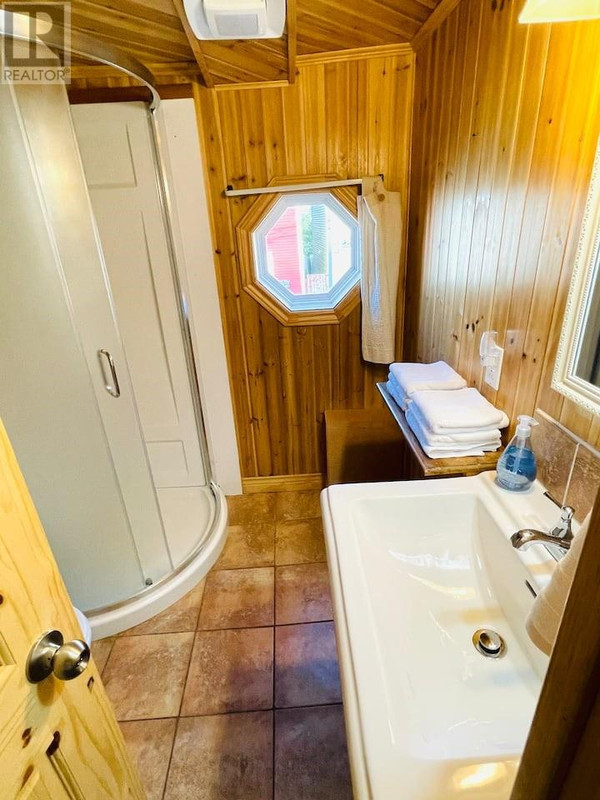
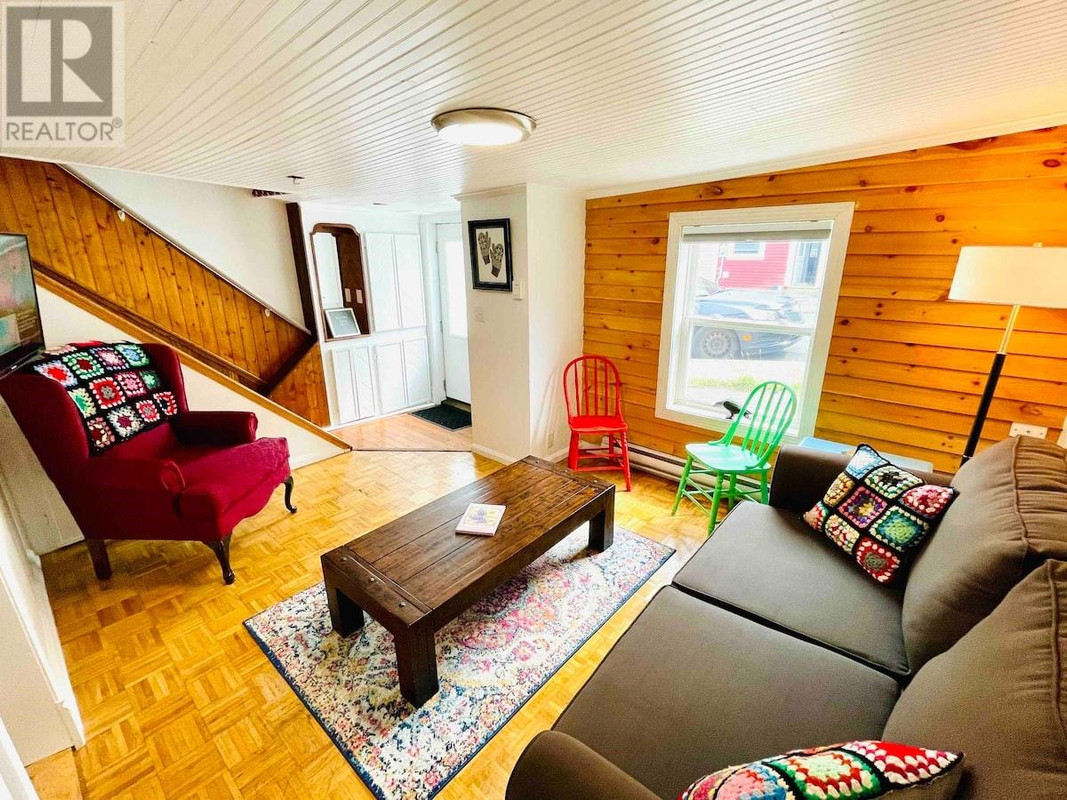
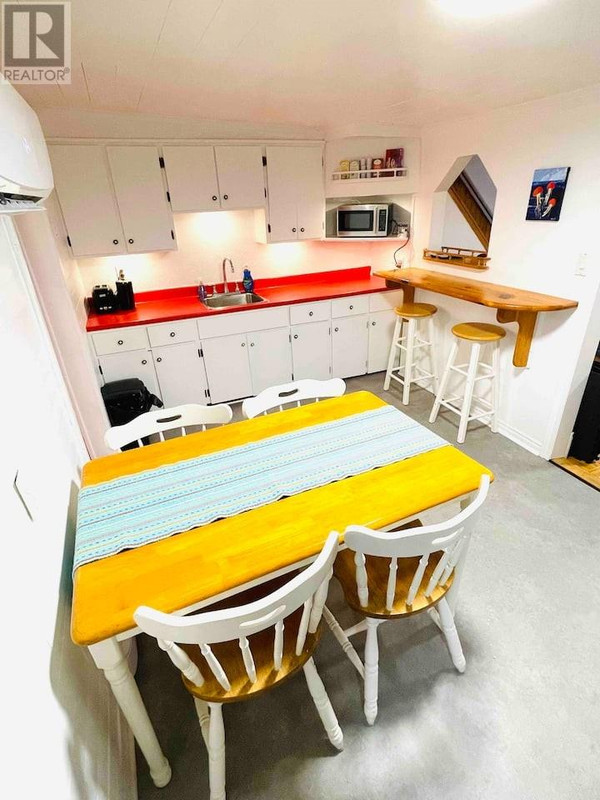
Many of those tiny units - especially the better-designed ones - are actually in older buildings (and were often built that way rather than converted more recently). Traditionally, these types of units would only rent for a few hundred a month and provide a decent, low-cost alternative to sharing a place. I remember seeing some 100-200 sqft units in Toronto a decade ago that would go for like $400-600/month.
I think it's important that our cities have a diverse range of housing types at varying price points. The problem is when these small units comprise a disproportionately high share of new construction and increasingly come to be accepted as the "new normal".





 Prev
Prev




 Linear Mode
