Quote:
Originally Posted by WhipperSnapper

if only the 1929 market crash had instead happened in 1935 or 1940. A NYC business man came to Toronto and built a half dozen or so high rises from 1925 to 1930 however they pale in comparison to what was being planned by him and other Americans. Construction on the 30 storey Victory Tower was halted for many years. Eventually, a new owner finished it at the halted height.
|
It's interesting that Toronto was basically held in stasis from 1929 to 1964.
The city grew, but it grew outwards, not upwards.
From 1965 to 1990 was a whole different thing. It was a city that didn't even resemble itself from 25 years prior.
Which brings up the question. Is a city defined by its skyscrapers, or by its street ambience? Skylines can be impressive and they can be defining, but are they the heart? I think of Dubai's impressive skyline, but I don't get a sense of soul. It's too new, too clean, too sterile. Any city that bloomed post-Modernism seemingly falls into this category.
London has more soul in its mishmash of streets, nooks and crannies than The Shard or the towers of Canary Wharf will ever give it. Same with Paris and other Euro cities that attempted to layer modernity on top of deeply entrenched history. New York's the great outlier: a city that is both defined by its towers and by its streets.
The Art Deco part of LA is fascinating. A time capsule preserved by the forces of modernity, instead of destroyed by it.
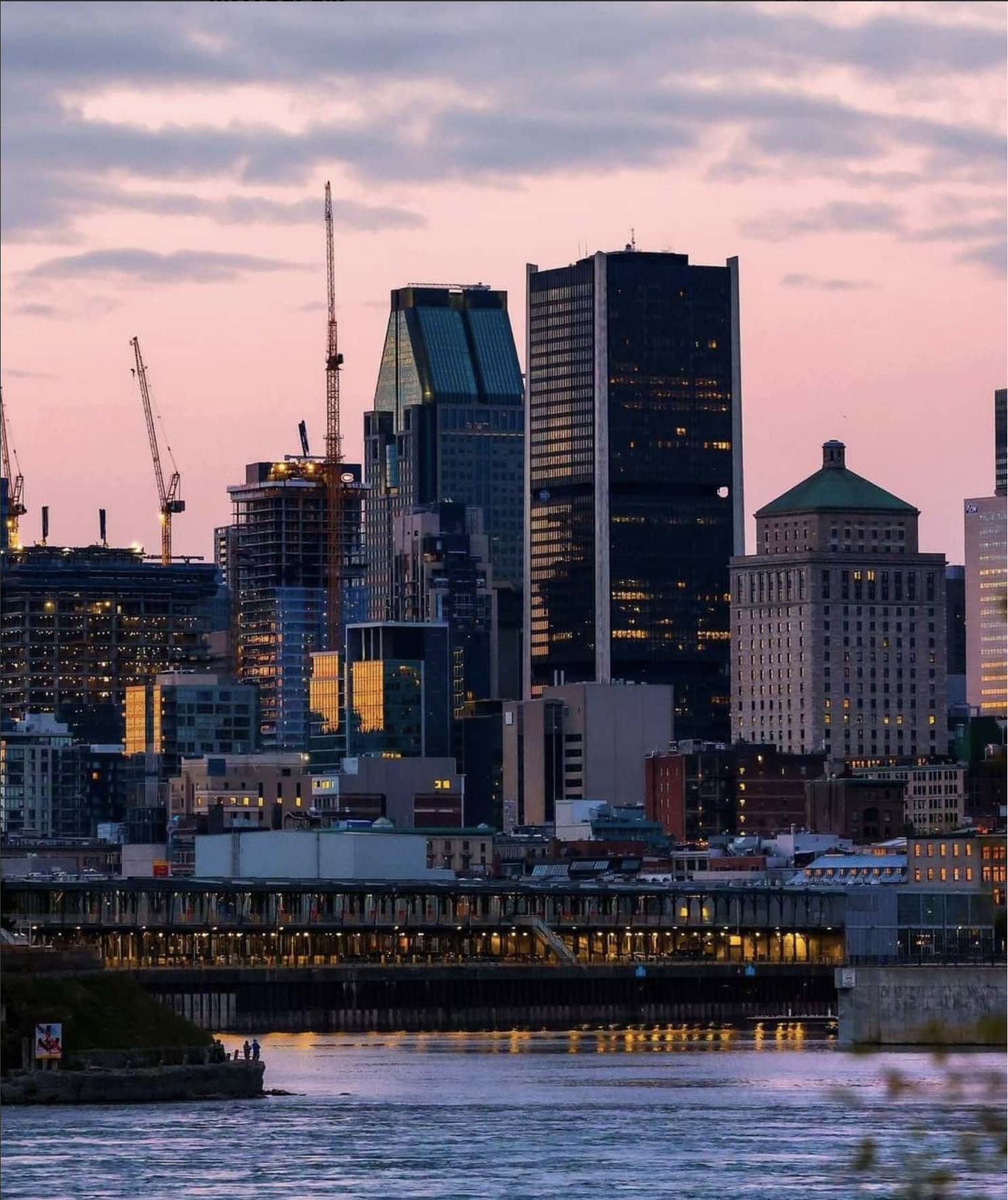
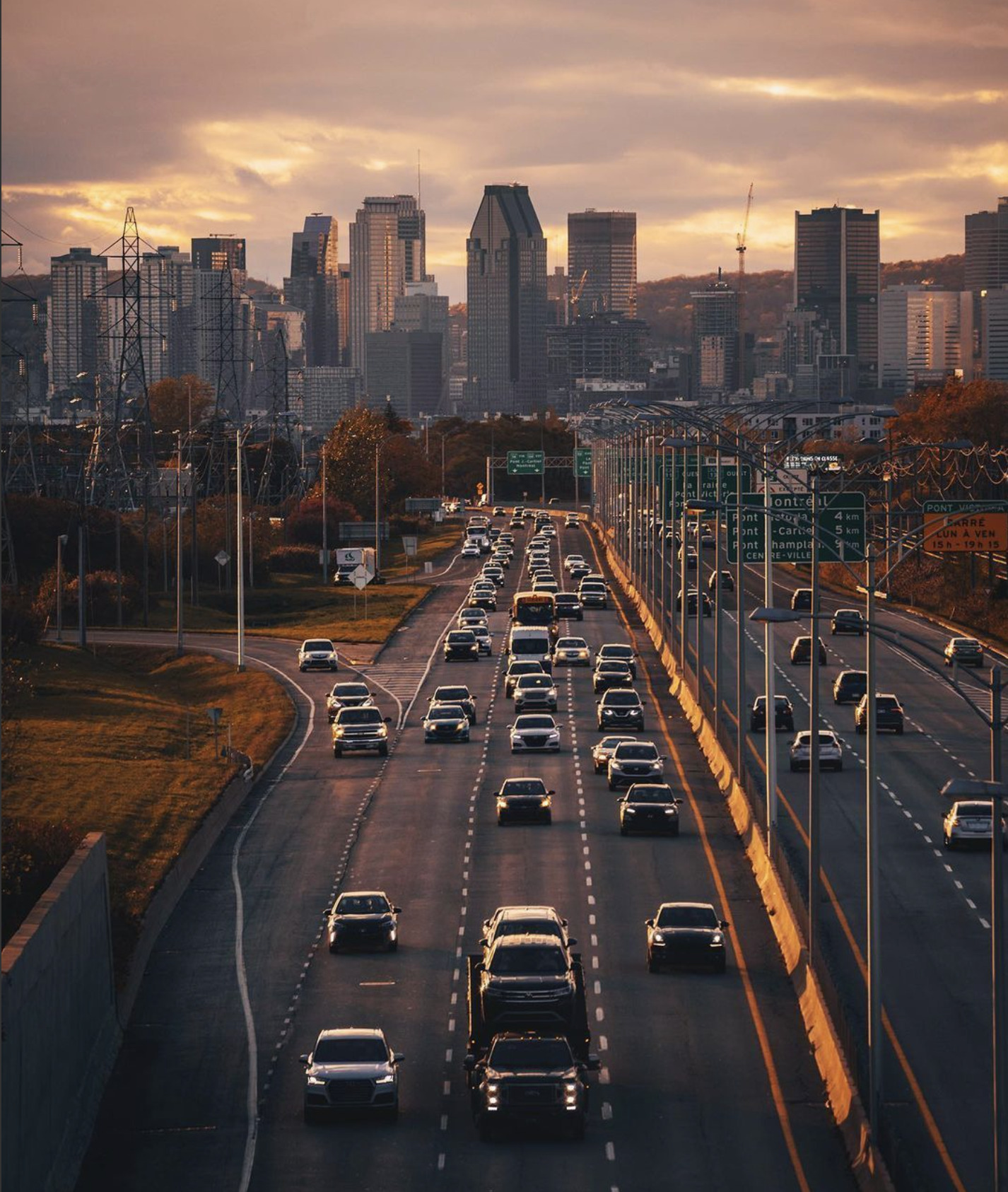
Alas, the closet Canada comes is Montreal to bridging the gap between sky and street.





 Prev
Prev






 Linear Mode
