Quote:
Originally Posted by Klazu

So you are saying that EVs don't need roads? We will have a vast majority of cars EVs in less than ten years. I do wonder what the excuse not to build any roads is going to be then?
What worries me is that all these road space reductions are going to make it really tough to ever build more capacity. Thinking that a Metro of soon 3 and in the future 4 million people wouldn't need any new road space and could even do with less is so utopian. How spread out our cities are is never going to make cycling anything more than a recreational thing and even proper transit will exist inside corridors.
Looking at cities like Amsterdam as a model for us is so irrelevant due to how different the cityscape and weather is. We are only a month away from bike lanes being almost empty for another six winter months.
I know this is all beating a dead horse but traffic and congestion is going to kill livability in Metro Vancouver and town centres without proper road access.
|
It's interesting how you make the word 'utopian' sound like it's a bad thing. The major movement planning in the region is done by TransLink and Metro Vancouver, and the municipalities have their own transportation plans, and often are the level of government that can facilitate, or thwart the regional plans.
At least in the 21st Century, and stretching back into the 20th, there's almost universal agreement that cars aren't the way to move large numbers of people in our growing region. Getting more trips on bikes is a very small part of the solution, and relatively little is spent on new bike infrastructure. The big money is going into transit, and where it's elevated or underground it frees up road space that can sometimes be utilized better for bikes or pedestrians.
Building extra traffic lanes involves huge sums of money (for land acquisition) and in most places, demolition of buildings. In the past all that happened was the extra road space filled up, and the congestion was as bad, or worse, a short time later. Amsterdam isn't the model that's being followed here - their bike infrastructure is decades ahead of our (or Copenhagen, which is better). LA is a good example of somewhere that added more and more roads for years, with no benefit to congestion, and adding significantly to pollution. Now they're playing catch-up by adding transit, rather than road space, and re-allocating roads to express bus as well as building metro lines.
EVs as you note, don't change congestion. They reduce carbon emissions, and they don't produce tailpipe pollution, but they still contribute
20% of the PM2.5s in the air from tyres and brakes.
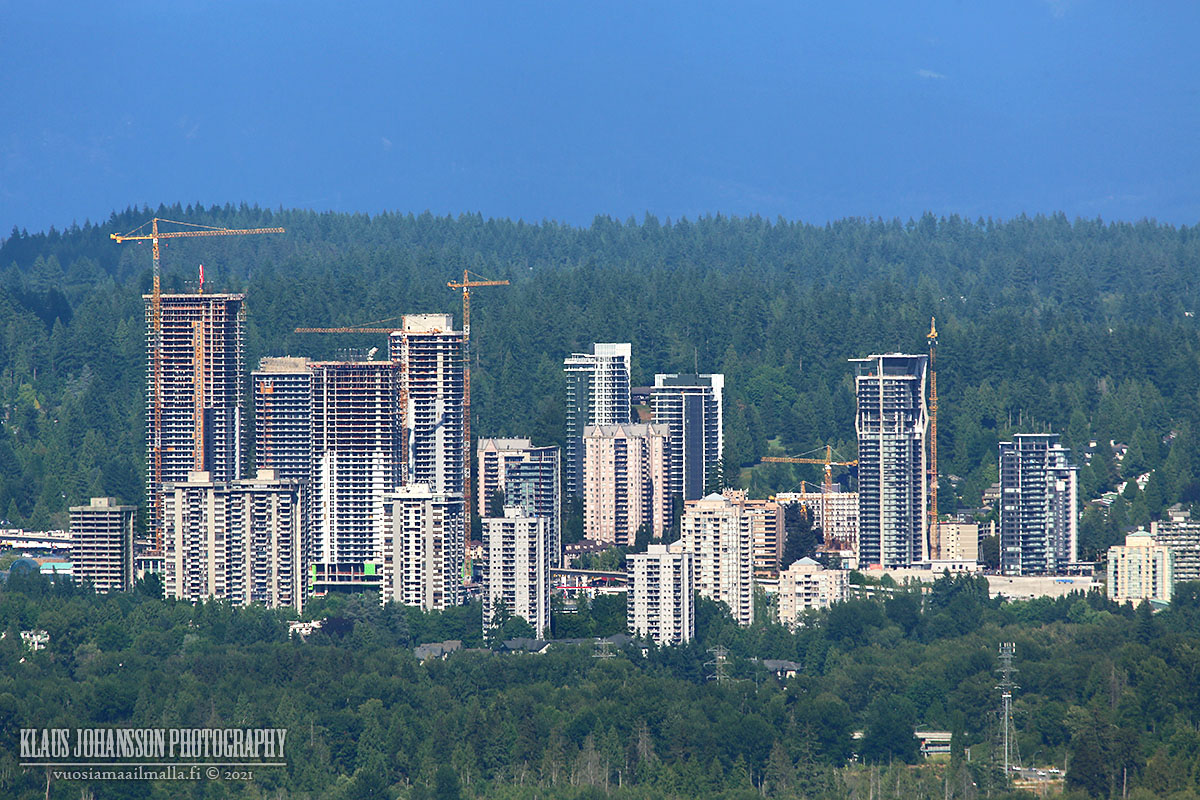
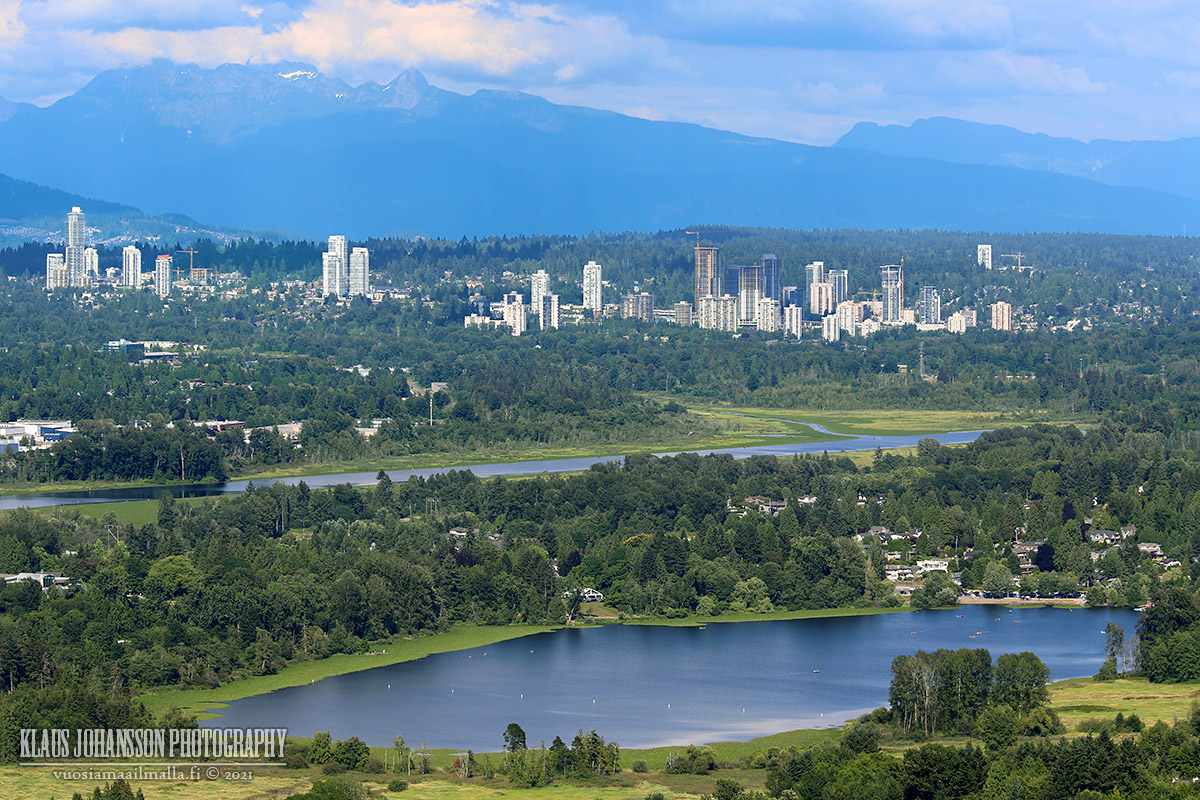
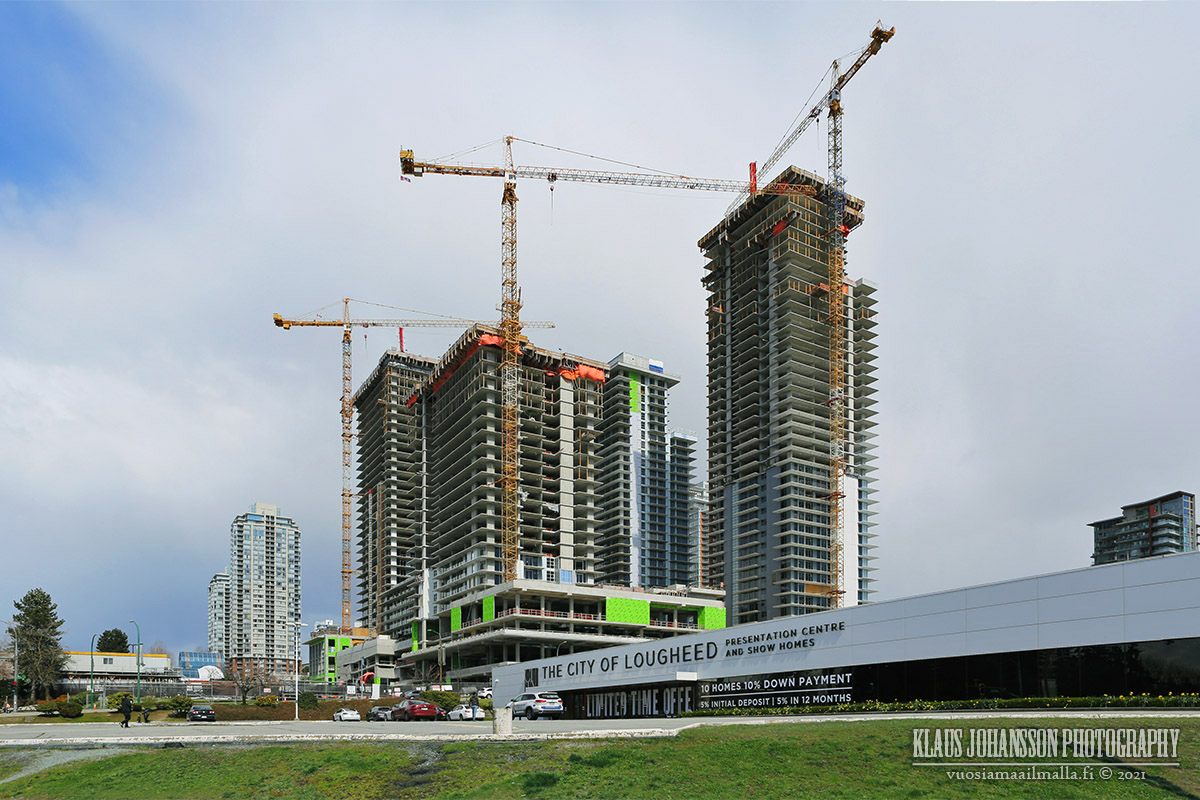
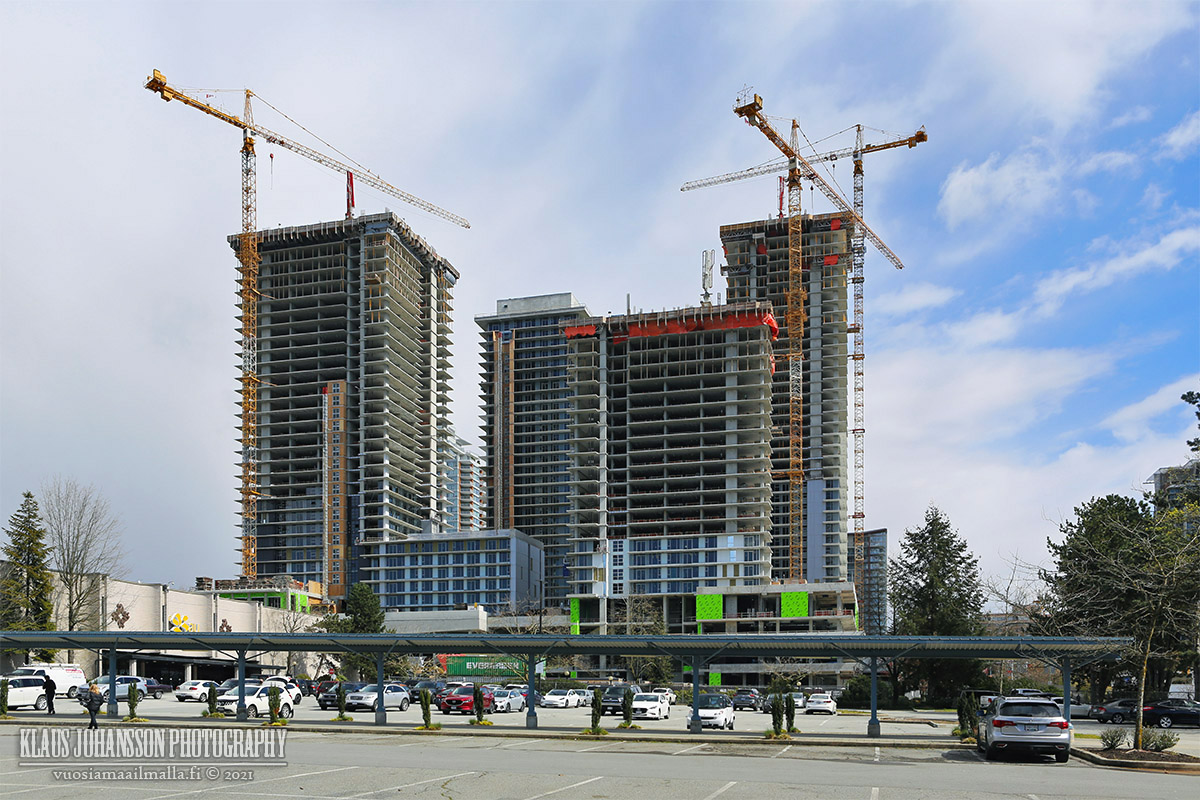
Most of the municipalities in Metro Vancouver have signed up to densify along transit, and making it easy to get to that transit by walking or biking. Surrey's new Fleetwood Plan, Vancouver's Cambie Corridor and Broadway Plans, Burnaby's Brentwood and Lougheed Plans are all good examples of densification in ways that means in future owning a car isn't a necessity, and not owning one is only a minor inconvenience, easily solved through car hire, car share or ride share.





 Prev
Prev




 .
.  .
.


 Linear Mode
