One of many Urban Myths
Quote:
Originally Posted by mhays

By "peak" time is it night? That's what counts with housing. If they really mean work hours, maybe referring to potential commuter use, that's another issue.
|
I had to consult the
RTD Study to answer that confusing reference. Since transit is a main focus "peak hours" refers to:
Quote:
taking advantage of a State-mandated stay-athome order in April 2020, RTD counted parking utilization at 104 properties in April 2020
on a Tuesday through Thursday between 10 a.m. and 3 p.m.,
|
The Pandemic timing is a little funky but not sure it matters or makes a difference. They've done this type of survey before and I honestly have no clue what counting unoccupied parking spaces during the day at apartments proves? It all seems rather pointless and silly to me. They never survey, for example, how many tenants have jobs that could be accessed by transit? A lot of these properties - within a half mile of the station - are merely places to live irrespective of transit.
Bet you've heard of Donald Shoup
or at least his work? In 2005 Shoup authored a book entitled "The High Cost of Free Parking" which basically asserts that it causes higher rents in order to compensate. It's a very popular talking point.
You can order his 'updated Edition' on Amazon. His work is also featured frequently on Strong Towns or other Urban sources.
It's a Myth
Virtually all of today's landlords utilize an algorithm-software program that is designed to create maximum income/rent at roughly 95% occupancy which assumes 5% vacancy-turnover costs.
It doesn't matter whether the cost of construction per unit (including amenities etc) is 20 Shekels per unit or 20 Bitcoins (now priced at $24,000 each) per unit. Landlords will generate whatever the market gives them; no more no less.
Quote:
Originally Posted by mhays
That's parking-use report will hopefully trigger some new thinking both in public policy and in developer/financier expectations. Sometimes it's useful to have a study.
|
I can agree 100 percent.
Problem is that after reading through the Executive Summary, most of the many claims that are made can't even pass the Smell Test. Similar to other 'studies' I've read, they start with desired "outcomes" and then proceed to collect supporting data to make various assumptions that don't compute. As typically the case it's the things they
don't consider that (would) speak the loudest.
To date, Denver developers of downtown apartments or nearby to downtown projects near transit stations have yet to be convinced that parking isn't important. I'd like to think much less parking is needed but developers are a lot smarter than I am and it's their $millions they put "at risk." Now imagine imposing the same standards on suburban locations and it becomes humorous.





 Prev
Prev




 I have to admit I couldn't even find anything at DenverInfilll so you did do one-step better.


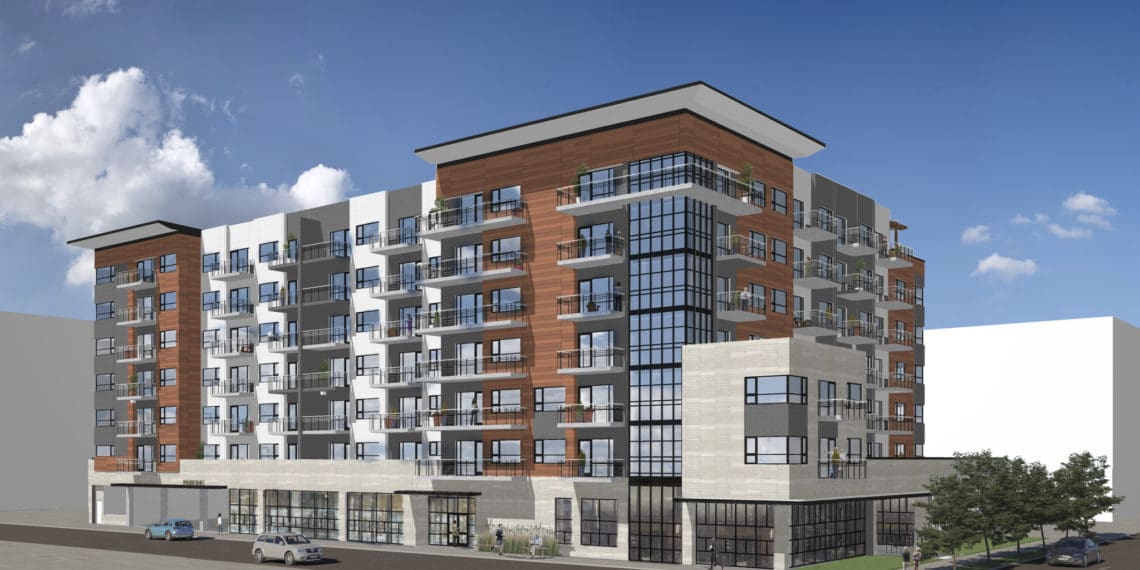

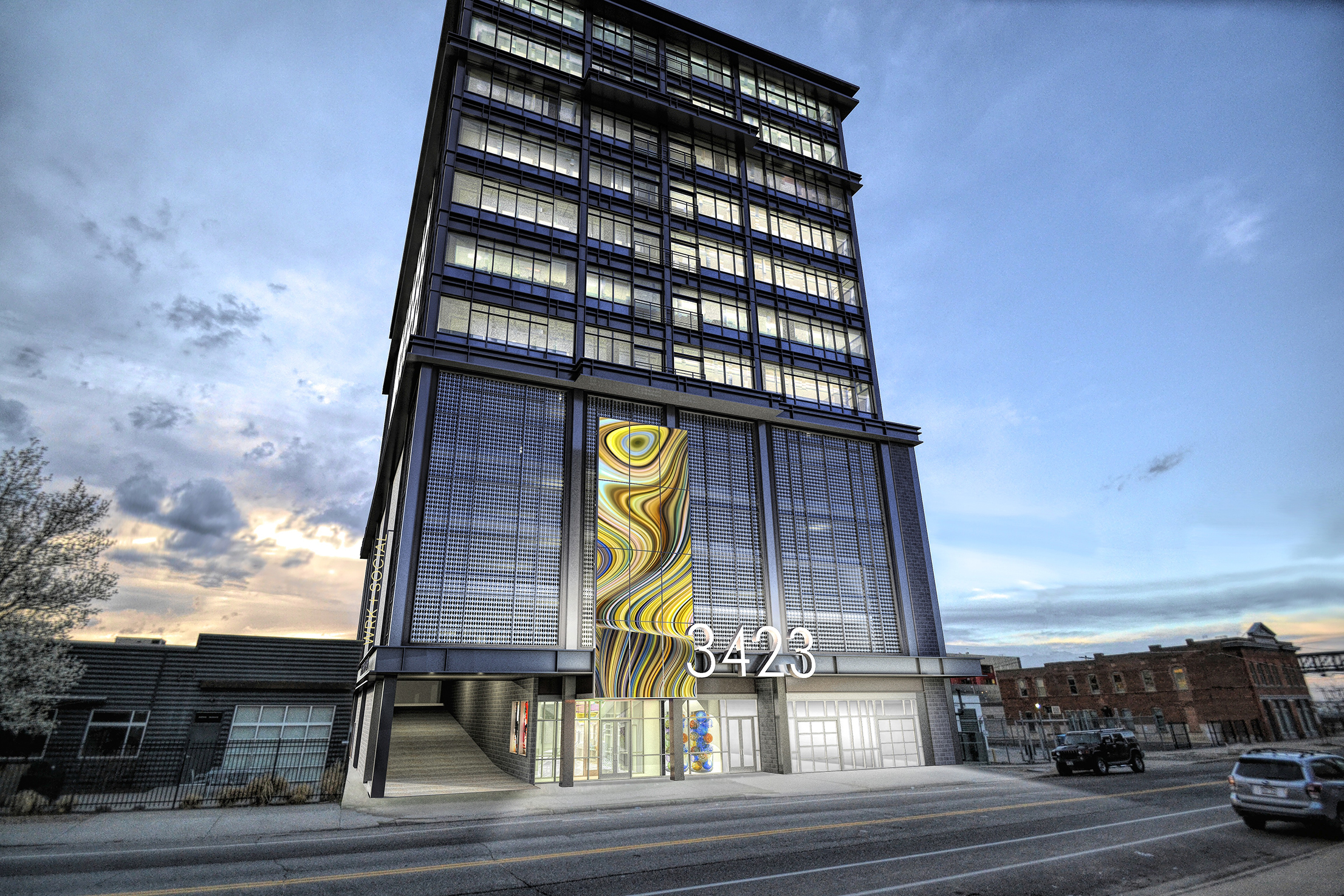
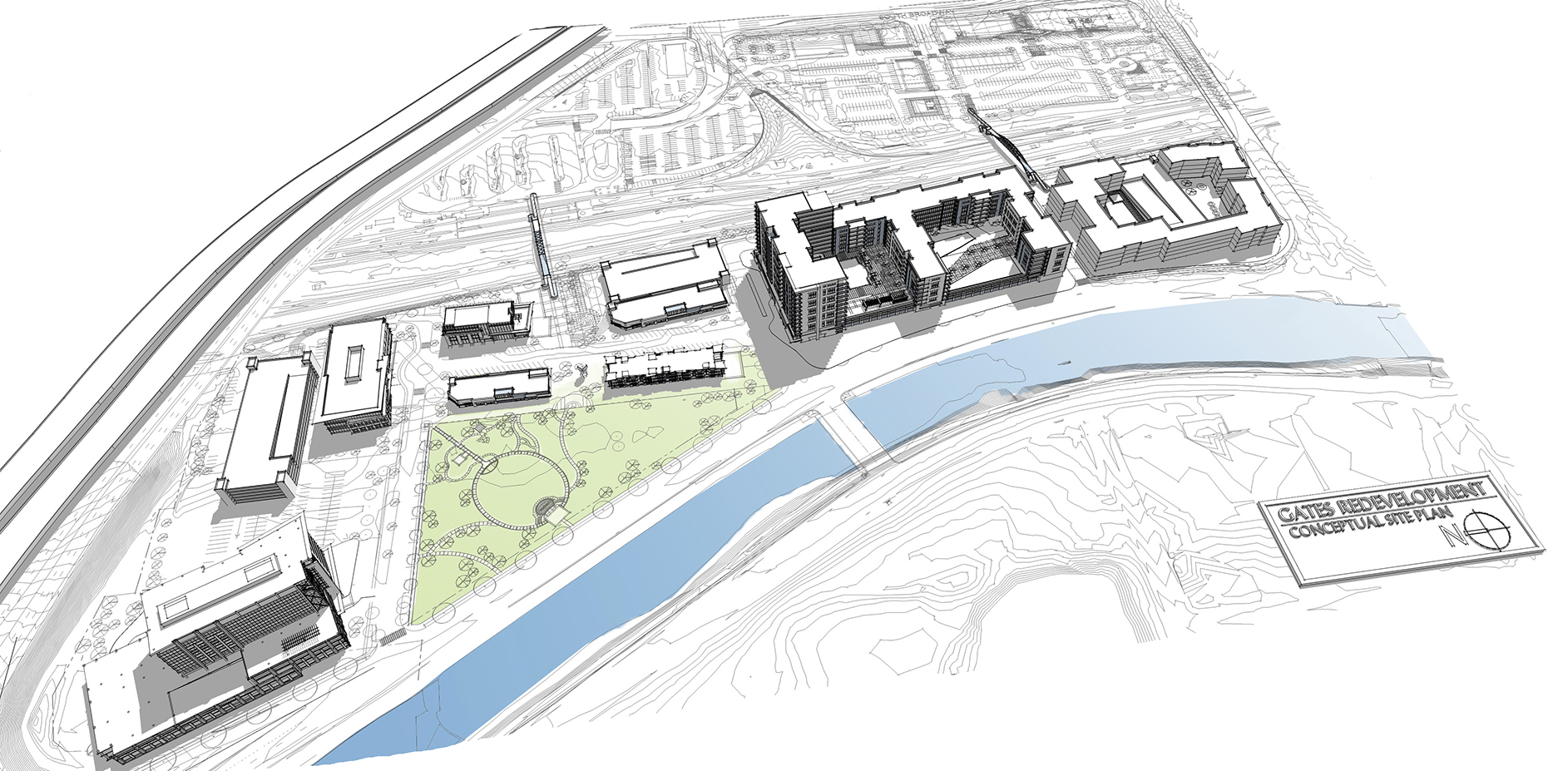

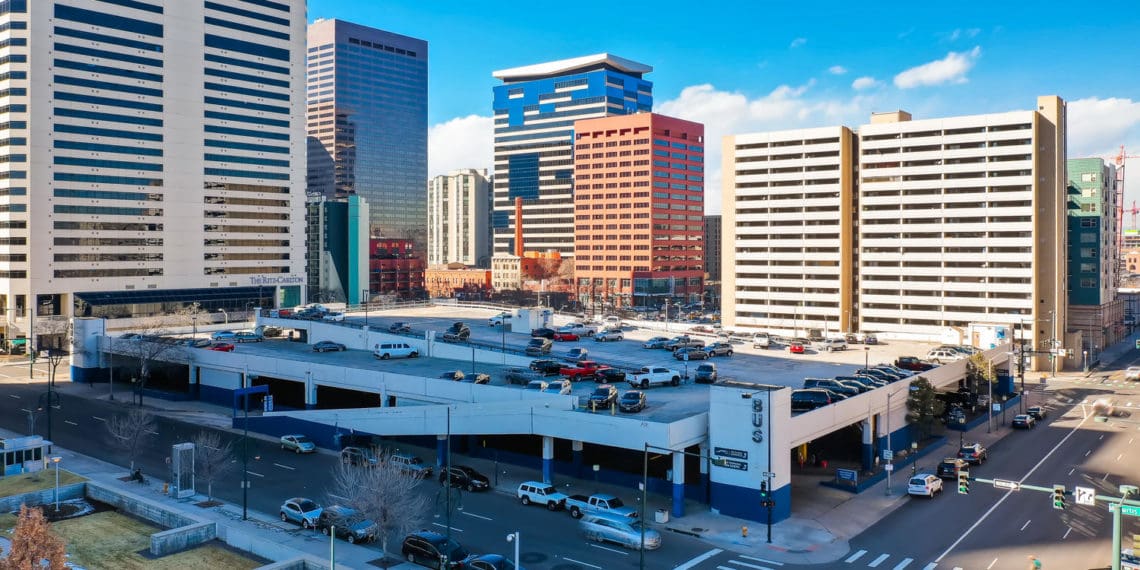


 ; it's interactive too.

 Linear Mode
