Quote:
Originally Posted by elevtechlift

Solar Roadways is more than just power collection. I suggested having Solar Roadways also for road safety and better road maintenance.
|
Oh, there's going to be
a lot of maintenance, alright. And
not much electricity. Not a good idea to have thousand-kilo vehicles driving over your solar panels every two seconds, if only because all that traffic will, er,
block the sun.
Quote:
Originally Posted by elevtechlift
Yes, buses and SkyTrain should still have solar panels on top to reduce load requirements for BC Hydro generators.
|
That isn't going to be much of a reduction; notice how long the sun takes to dry your laundry? Solar energy (even with a clear sky) comes slowly and gradually over the course of the day, whereas vehicles need it all at once - the best you can do is put a solar panel on a charging station and collect it from there, like electric bikes and cars.
Quote:
Originally Posted by elevtechlift
Instead of repaving and repainting roadways and replacing reflectors constantly, why not instead repair and replace solar panel segments and program the LED road markings.
|
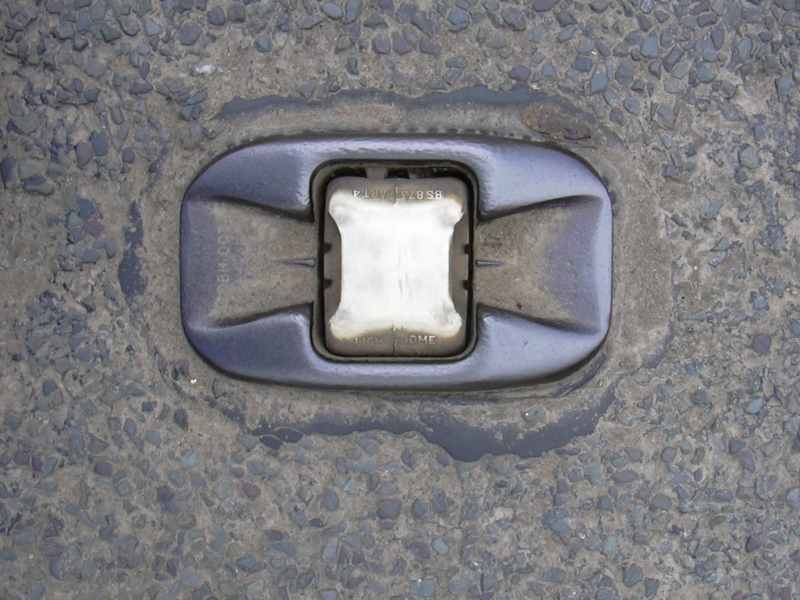
I asked that question when I was thirteen (albeit with metal plates, not solar panels). Answer: ripping up and repaving asphalt is both cheaper and easier. 10 centimetres of asphalt is more suitable for supporting vehicles, too.
Ditto reflectors, since their light comes from
reflecting off car headlights, instead of needing a power supply and bulb and microchip. Electronics are pretty sensitive.
Quote:
Originally Posted by elevtechlift
Each panel should have built-in heaters so ice and snow can melt without having any salt. Furthermore, I suggested Solar Roadways is to also supplement the power grid and reducing load requirements on the generators.
|
A) Again, the power draw from a solar roadway is already negligible, given that all the traffic will be blocking the sun... even worse if it's winter. Add heaters to the mix, and you'll be
using electricity from the grid just to keep them running, just like most renewables in bad weather.
B) That's also assuming that melting snow won't screw with the panels.





 Prev
Prev


 Also, about how deep would these stations be? Very deep, due to the Point Grey escarpment, or bored "uphill," thereby making them shallower?




 Linear Mode
