Quote:
Originally Posted by SignalHillHiker

I worry you're right... but I just... have to believe. The thought of everything outside of Empire Avenue here ALWAYS looking the way it does today hurts my soul.
|
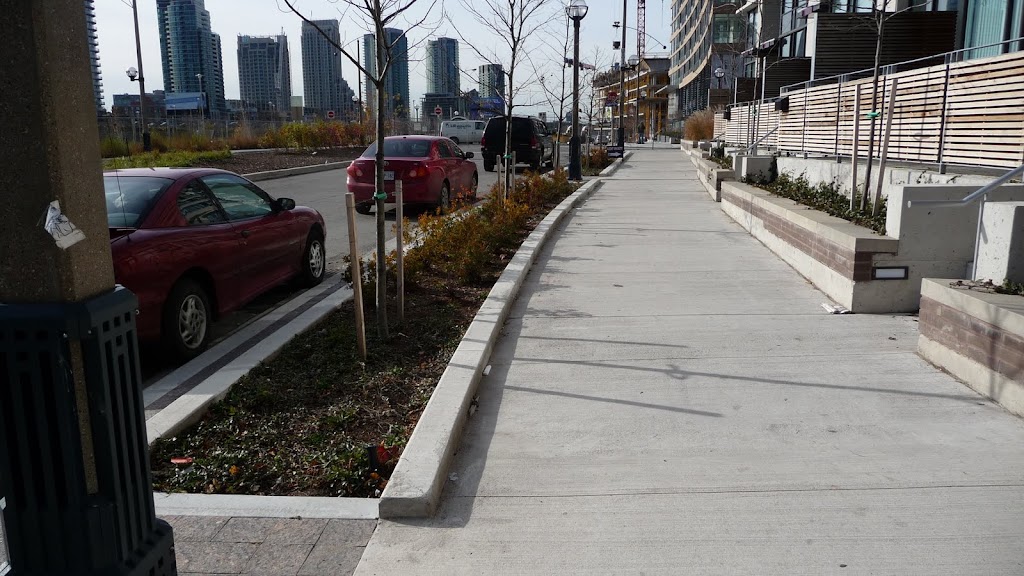
That's a little different then. Cityplace is a single development made up of monolithic towers - it's something that can't be redeveloped or changed without demolishing massive towers - a rather cost-prohibitive prospect.
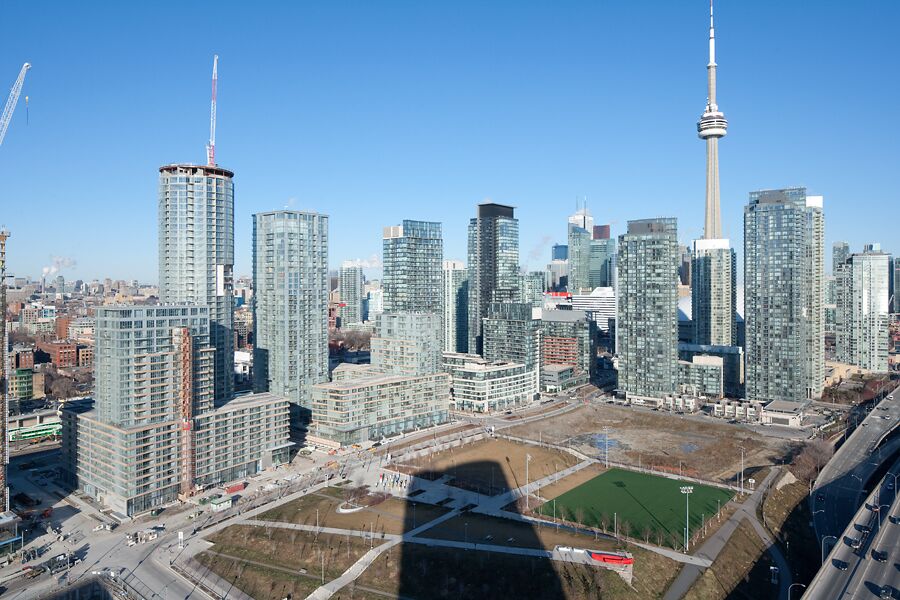 http://urbantoronto.ca/news/2012/01/construction-continues-concord-adex-parade-cityplace
What you're talking about is just general suburbia, comprised of all sorts of different developments with different ownerships. In which case, it's a little easier to redevelop the big box stores and strip malls that line suburban arterials into something more urban (but realistically, probably more poorly designed than Cityplace). The residential street grid (or lack thereof) and the single-use planning found there however, is something that we're likely going to be stuck with for the foreseeable future, as are certain larger, anti-urban developments. Still, what exists now is not what must exist forever - post-war auto-centric suburbs can still urbanize to some degree. It's a long process, but it's possible.
Take for example, Highway 7 in York Region. About as suburban as it gets. As of a few years ago it appeared as depicted on the left, now it's undergoing the urbanization process and will probably look something like that on the right in a few years time:

Or there's Vaughan City Centre, which is currently a suburban industrial hellscape:
 http://www.ibigroup.com/projects/interchange-lands-vaughan-metropolitan-centre
But will turn into a high-density business district and commercial/residential area. It'll still be plagued with problems of suburbia - it'll still be surrounded by freeways and industrial wastelands and suffer from monolithic mega-block planning, but, at least it's an improvement.

 http://www.theglobeandmail.com/report-on...-urban-core-from-scratch/article7340028/





 Prev
Prev












 Linear Mode
