Quote:
Originally Posted by Ramako

Toronto's sensibilities aren't superior - just different. The cities present two different urban contexts. Local architectural firms designed the towers (except in the case of Parade which was designed by KPF out of New York), but the developer masterplanned the community and its layout, scale, mix of uses, etc. I guess their vision was that it be Toronto's version of Yaletown, but it's fallen short. Other masterplanned communities which have been envisioned/constructed in the city during this boom (e.g. Regent Park Revitalization, Pan Am Games Village) are superior in almost all respects. It would have been even worse if planning staff hadn't challenged Concord's original plans, but they indeed deserve some of the blame for not pushing hard enough.
|
I think the more important distinction here is "planned by private corporation vs. planned by municipal government" rather than "Toronto vs. Vancouver" planning sensibilities. Concord Pacific has much less of vested interest in creating a quality, lasting urban neighbourhood than the City of Toronto or its various agencies do.
Which is why it's important that cities not sell off large parcels of land and give developers near-free reign to do as they see fit.
Quote:
Originally Posted by SignalHillHiker
Regarding City Place, I'm sure it'll be tweaked and adjusted and build in and over throughout the years ahead. It'll eventually have Toronto trimmings on its Vancouver bulk and will be a busy, interesting neighbourhood. I wouldn't worry too much. It's not Markham. It's still dense and urban to the point that it will effortlessly fill in and be improved.
|
That's the problem though - these master-planned, large-scale neighbourhoods
can't develop organically and "fill in". Not without the wholesale demolition of skyscrapers or at least extensive (and expensive) renovations (see for example: all the decrepit post-war public housing projects around the world that were easier to just tear down and start over rather than attempt to improve them). The trees will fill in, the streets will eventually fill up with people and businesses, and streetscaping can always be improved with little effort, but poor urban form is not an easy fix. It's imperative that these sorts of developments be impeccably designed from the start.





 Prev
Prev


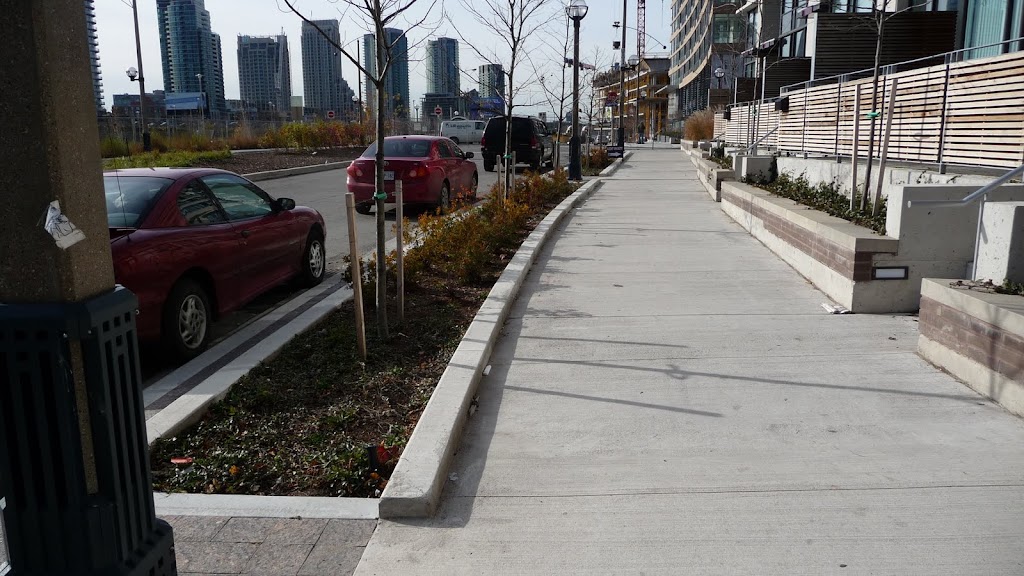


 I love that.


 Linear Mode
