^ well, also consider that the Canada Line trains are wider (though it's not THAT much as they seem to really promote it...you don't see them telling everyone how much shorter it is though, eh?)....so, 80-metres even for the future may be a little excessive even for the future. I'd say 65-metres would be most ideal, allowing two additional C-car/15-metre cars.
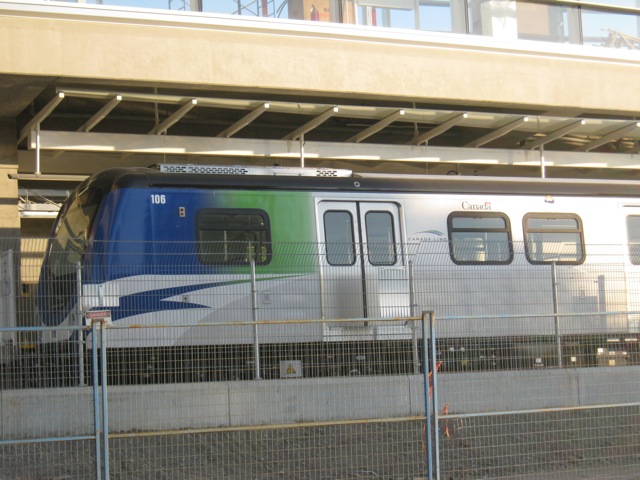
Canada Line 2-car train: 41-metres (334-passengers)
(|||||||||||||||||||-|||||||||||||||||||)
future Canada Line 3-car train: 55-metres (~450-passengers)
(|||||||||||||||||||-|||||||||||||||-|||||||||||||||||||)
ultimate, future Canada Line 4-car train: 65-metres (~575-passengers)
(|||||||||||||||||||-|||||||||||||||-|||||||||||||||-|||||||||||||||||||)
It just seems to me that they're trying to make the best out of the situation. I'm quite sure they know of the limitations of what they've been designing and building for the last 6 years.
Note:
the true capacity (or the normal standard for North America) for the Canada Line's two-car train is 334 passengers....the 400-passengers figure that InTransitBC has been advertising is the crush load figure (most often used in Asia), which even Translink doesn't use for its vehicles. The 334-passenger figure is from here, when the trains were first announced in
November 2005: http://www.canadaline.ca/uploads/NewsReleases/News17.pdf
Yet, this is what they showed us two-years later for the train unveiling in
December 2007...the magical 400-number:






 Prev
Prev














 Linear Mode
