
If you're by there again soon T-Mac, get some more pics of the bridge.
Here is an interesting little blurb from the Heritage Foundation regarding Main Street preservation.
Should Main Street Be Saved


Preservation Issues
For more than half a century, Salt Lake City's Main Street was the linkage that connected many disparate urban elements. It connected the LDS cultural and business community to the north with the gentile development that anchored the south. It was the major financial and retail center of an entire region. Not only was it the spine of our city, it was also its heart.
With the post WWII flight to the suburbs, and the development of large shopping malls centered in suburbia, Salt Lake City's central business district (CBD), and particularly Main Street, suffered enormously and showed many signs of decay. In an effort to revitalize the CBD, the Utah Chapter of the American Institute of Architects (AIA) initiated a process that ultimately resulted in the publication of the “Second Century Plan” in 1962 - the result of over 6,000 professional hours donated by architects, plus professional planners, consultants and citizens. This planning effort was enthusiastically supported and made possible by local business leaders who formed the Downtown Planning Association. In addition to recommending multiple planning strategies to revitalize our CBD, it emphasized the significance of Main Street as the primary focus of our downtown. Many improvements were subsequently made on Main Street, following the recommendations of "Target: Vitality", a 1967 publication of the Downtown Development Committee.
The significance of Main Street was again emphasized in the urban design element of the 1981 "Transportation Strategy for Downtown Salt Lake City". This study urged the city to reinforce the historical development patterns of downtown and to complete the Main Street improvements which "would provide a strong, imageable spine through the core that would distinguish the downtown and support downtown development".
In 1983, the "Preservation and Development Strategies for Salt Lake City" recommended establishment of a compatibility review overlay zone that would protect the historic resources and guide the future development of Main Street. This recommendation was endorsed in 1983 by the AIA and Salt Lake initiated R/UDAT, "Our Future by Design". This urban design study made a strong case for the preservation of historic buildings and went on to say "Main Street has an established character which merits conservation. It should not be allowed to continue to degenerate into yet another generic commercial center from Anyplace, USA."
The 1990 “Salt Lake City Urban Design Element” and the 1995 “Salt Lake City Downtown Master Plan” both continue to recognize Main Street as a unique resource by encouraging pedestrian activity at street level and banning skybridges that would negatively impact this important view corridor. These two Salt Lake City documents reinforce many of the planning concepts to protect and enhance Main Street that have been promulgated by previous urban design and planning efforts.
As evidenced by the planning and urban design documents cited above, an active, vibrant Main Street has continually been seen as critical to the success of our CBD. Today, however, there seems to be much less concern for the future of Main Street. Under the leadership of the Salt Lake Chamber of Commerce, a business-led, regional visioning effort is underway with the goal of defining a common future for downtown Salt Lake City. Not once in the 17 page draft, published as "Downtown on the Rise: Detailed Vision," is Main Street mentioned as a significant element in our city. As more information becomes available, hopefully, Main Street and its historic buildings will be addressed.
Another cause for concern is the east/west orientation of the City Creek Center (including a skybridge over Main Street) that seems to ignore the historical development patterns in downtown Salt Lake City, with its strong north/south Main Street central spine. In its remarks to the Salt Lake Planning Commission, AIA Utah lamented the lack of consideration of Main Street by saying '. . . Main Street is treated like a problem child: a barrier to a smooth east-west flow of customers within the mall on the first level." Construction of a skybridge will not only degrade the Main Street view corridor, but will also negatively impact street level pedestrian activity and locally-owned, non-mall retailers.
Should the Main Street corridor be preserved as the primary commercial spine in our city? Are the historical development patterns in our downtown worthy of preservation? Should these patterns and historic buildings be respected and used as key building elements as our city continues to mature? If we really care about the special qualities that define our city as a unique place, then the answer to the above questions must be an emphatic "Yes!" The recent announcement by the The Church of Jesus Christ of Latter-day Saints that it will save the Deseret National Bank/First Security Bank Building could well be the first step in this preservation effort.
James Christopher is an architect and founding principle of Brixen + Christopher. He has been heavily involved in urban design issues throughout the U.S. as past national Chair of R/UDAT. James Christopher is also a member of the UHF Board of Trustees.





 Prev
Prev


 T-Mac, I think we're all pretty glad that we have you zipping around taking these shots with your phone-camera. What's the deal with that I-215 bridge? It seems kind of elaborate in the pic, or is that just the framing? It looks like some kind of fancy, combination pedestrian/auto bridge.
 Yet again the issue of the skybridge comes up. Why is it that the professionals that studies these things, Architects and Planners seem to be the only ones that realize the detriment that a skybridge will cause to Main Street. Why is it that others, including Taubman, The LDS Church and all but one council person (again an architect) just ignore the warnings, advice and recommendations of those that make issues like this their profession. I won't go on because this isn't the CCC thread.
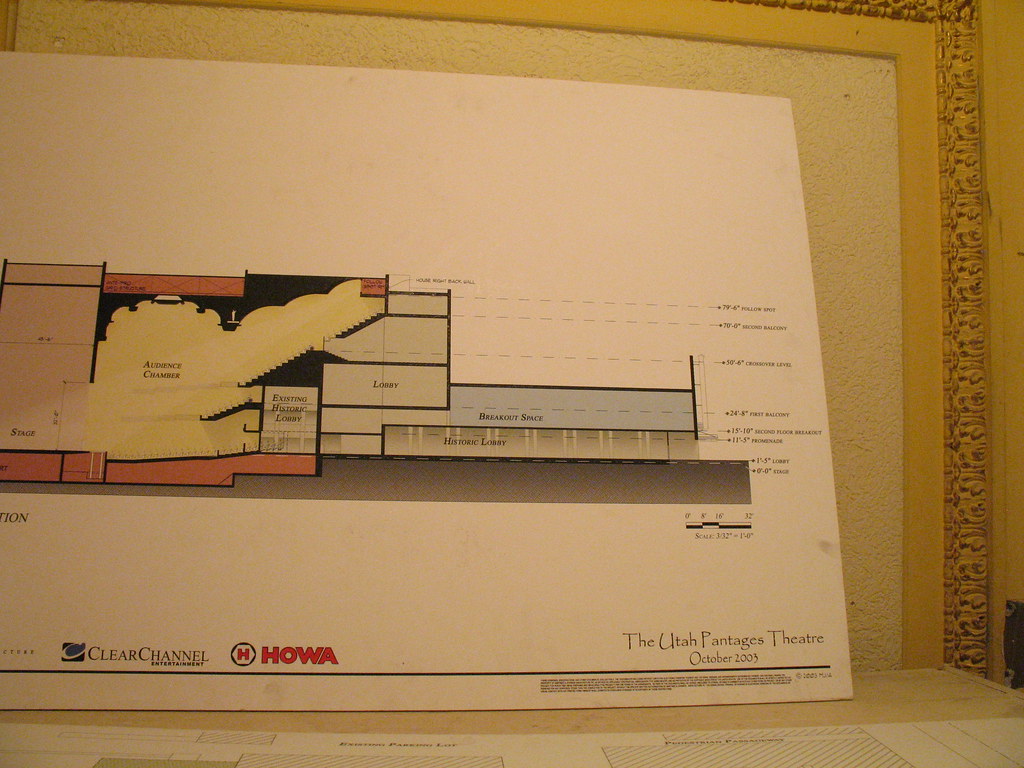
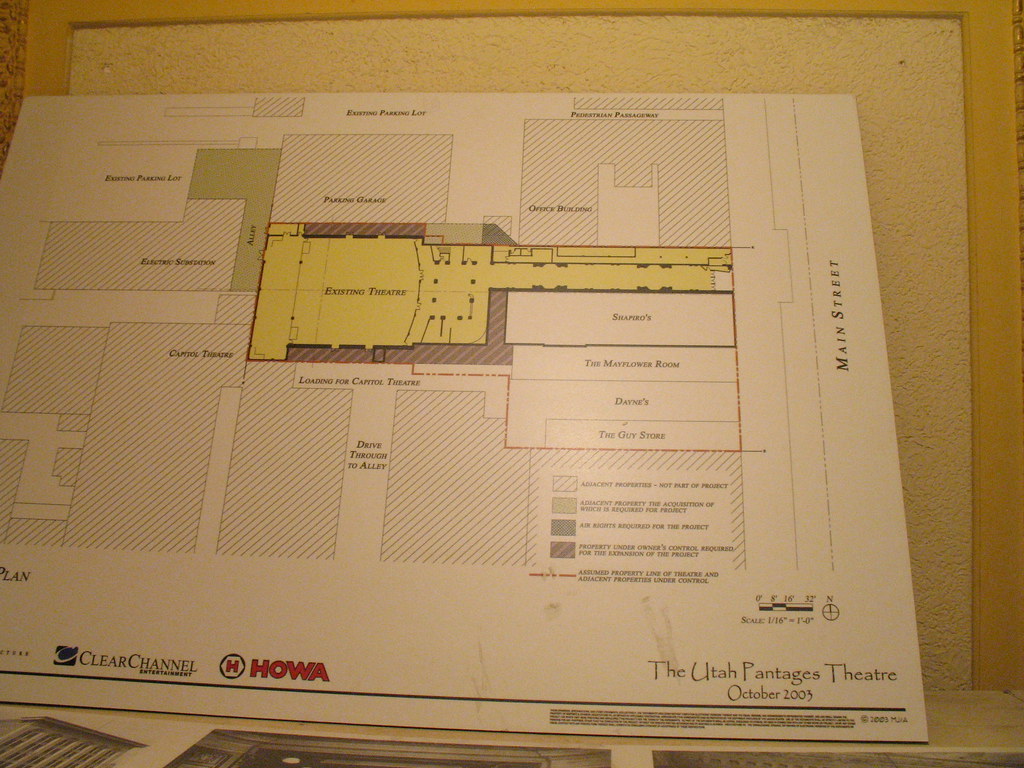
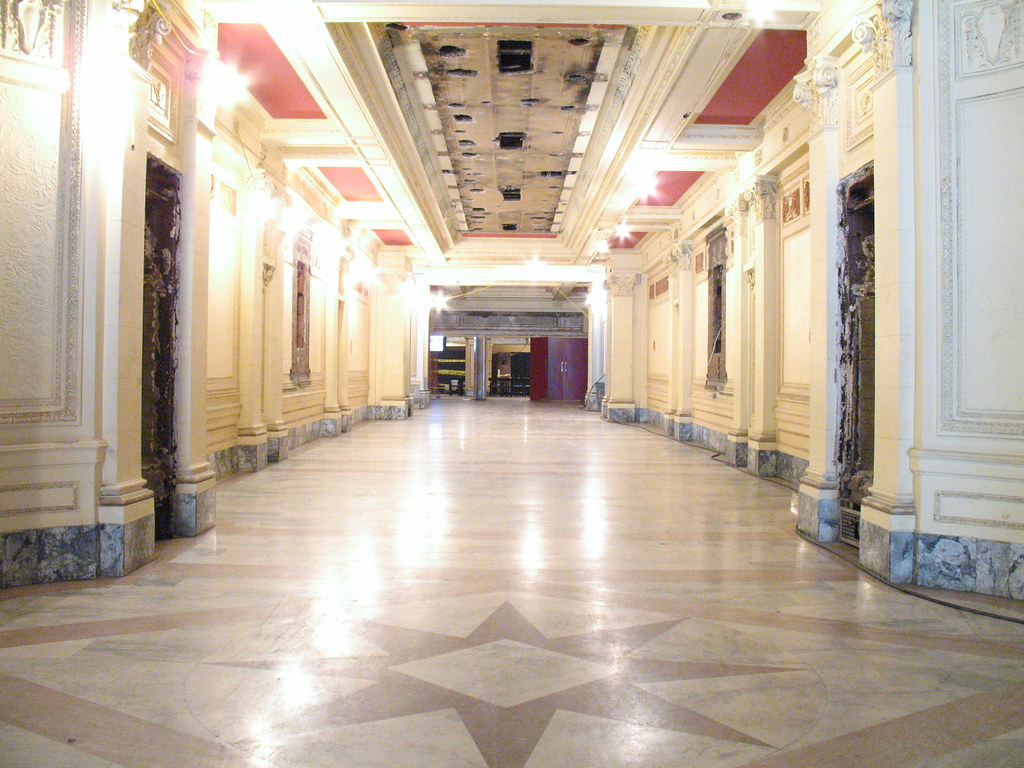
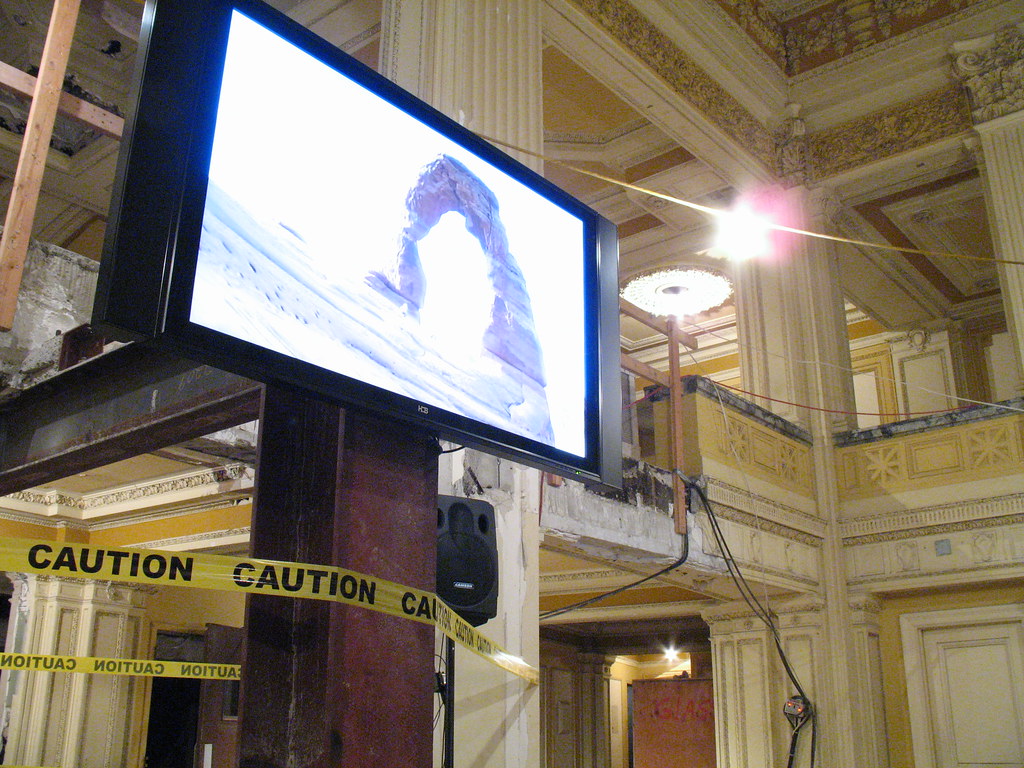
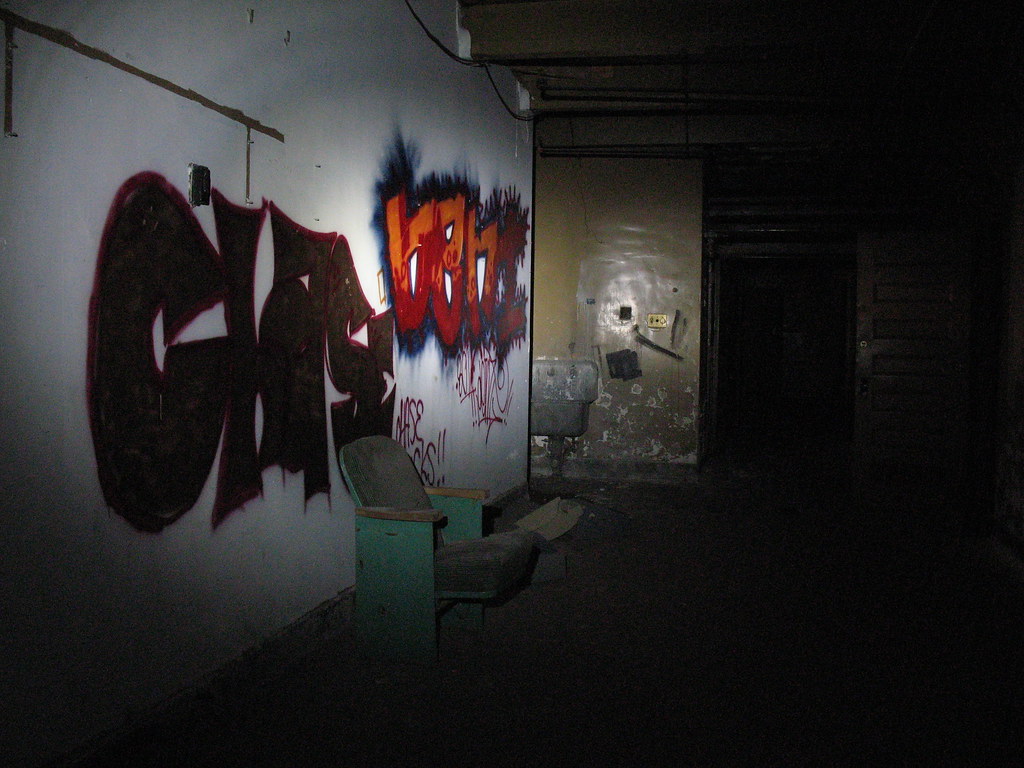
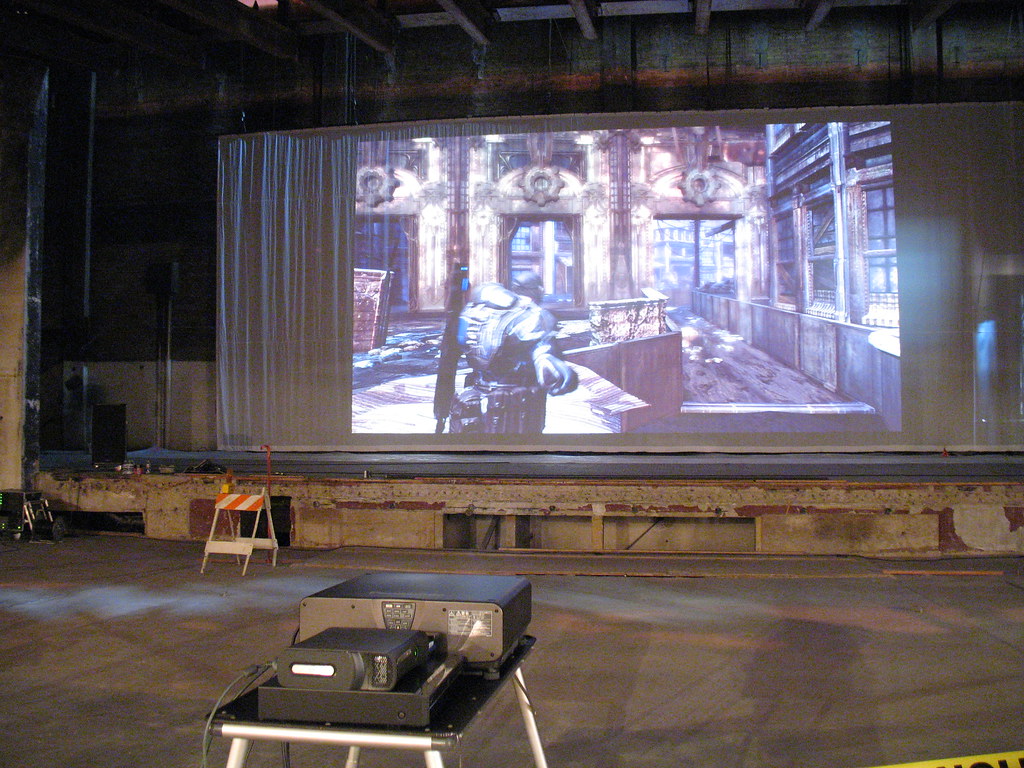
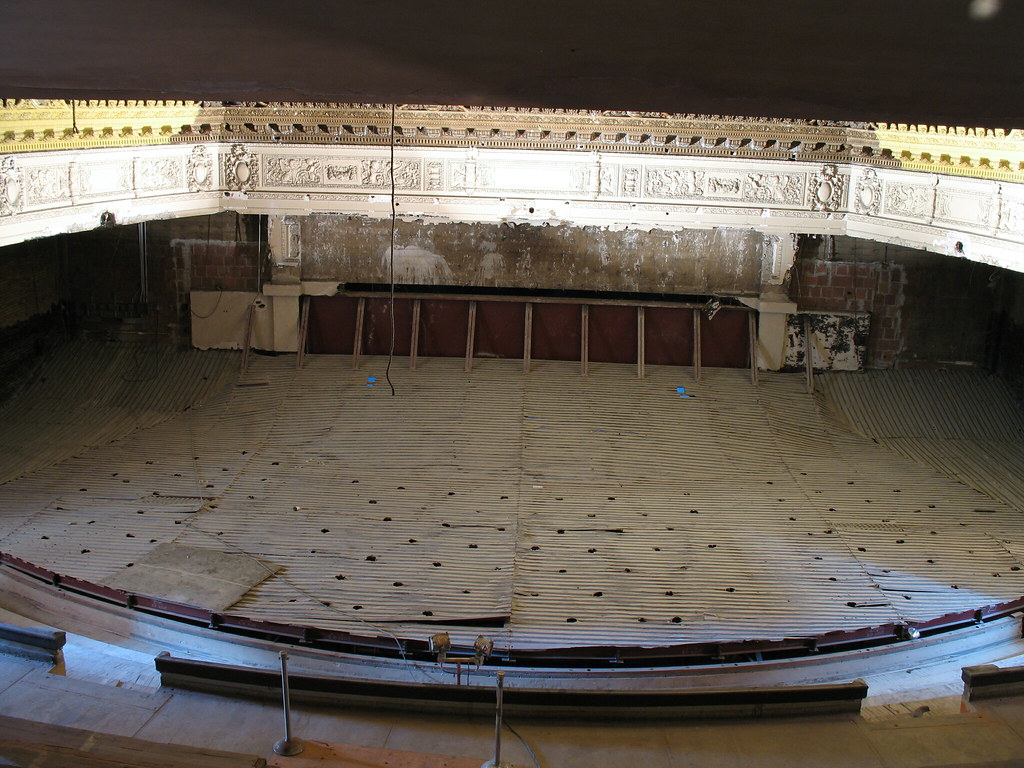
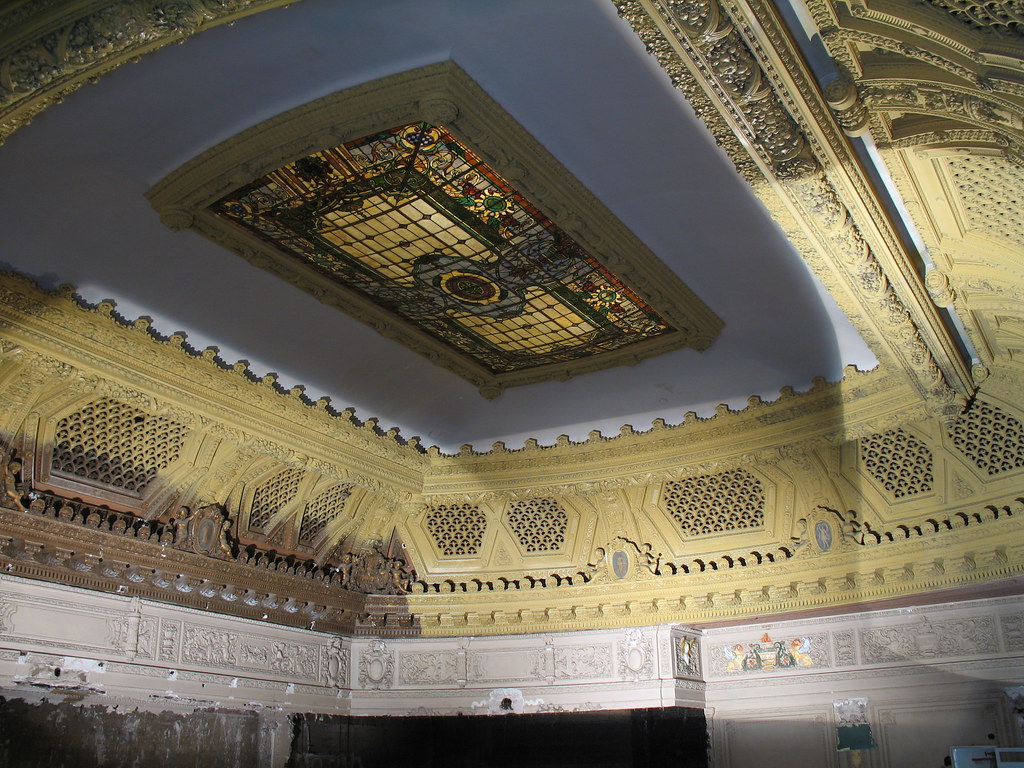
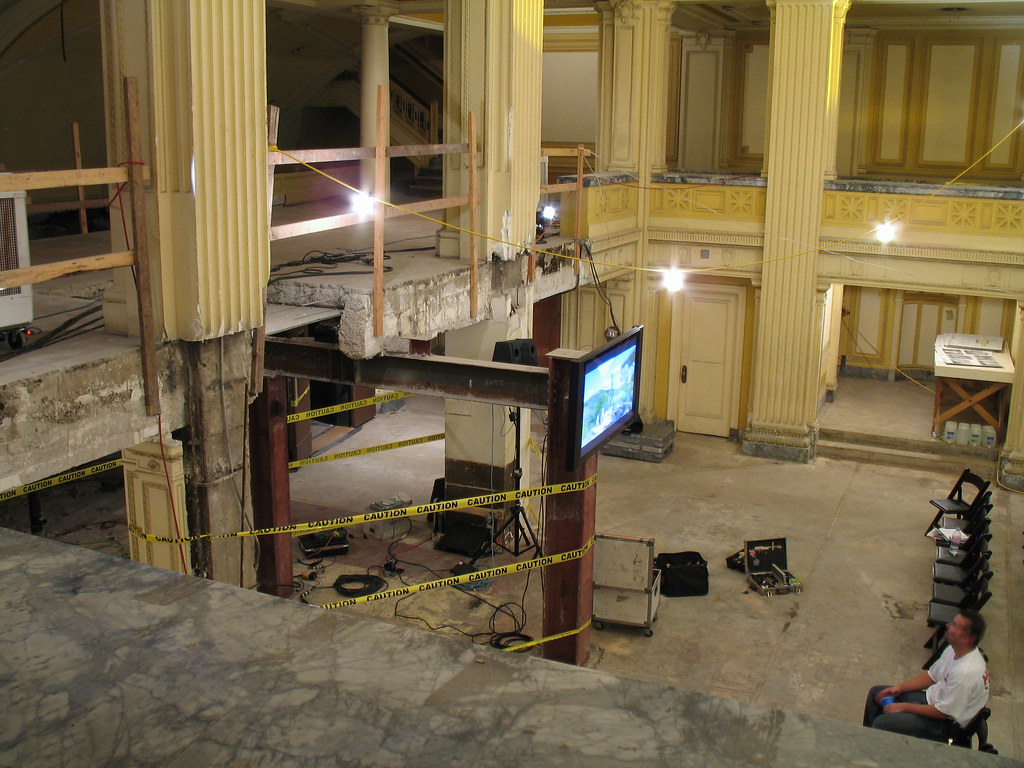
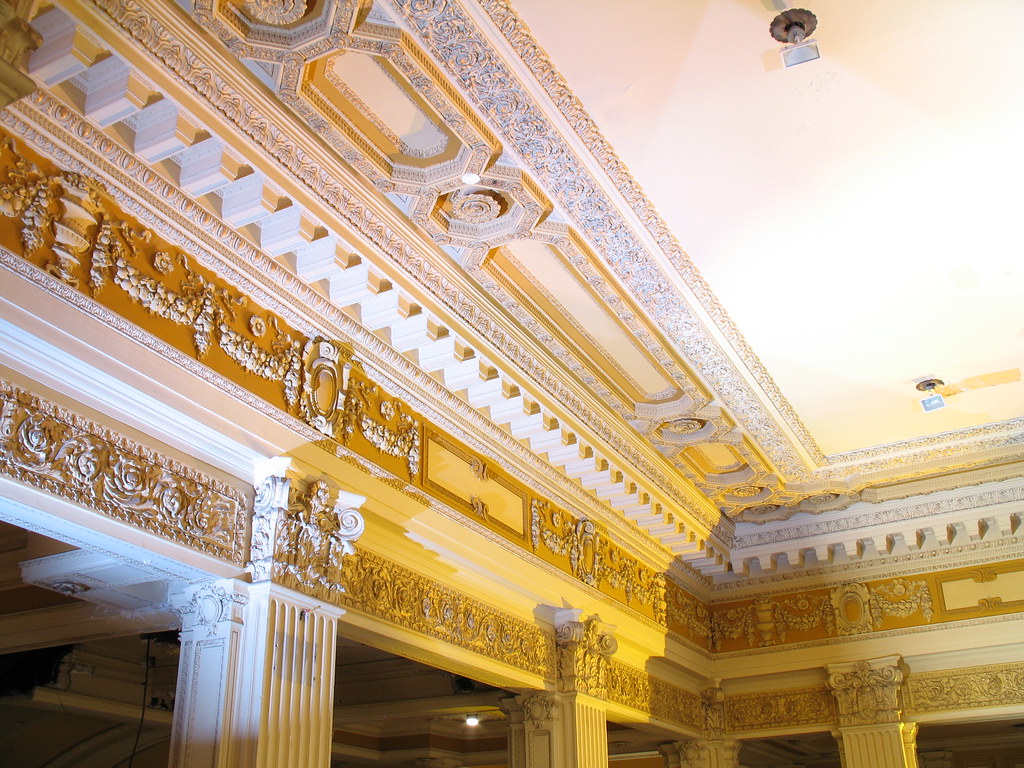
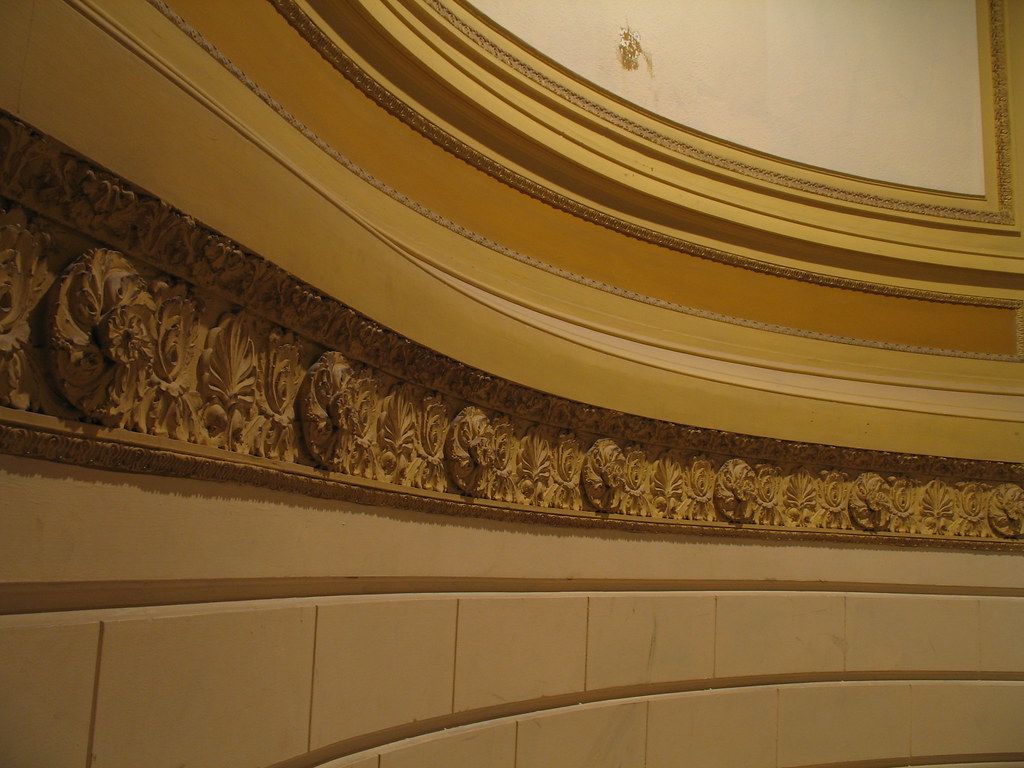
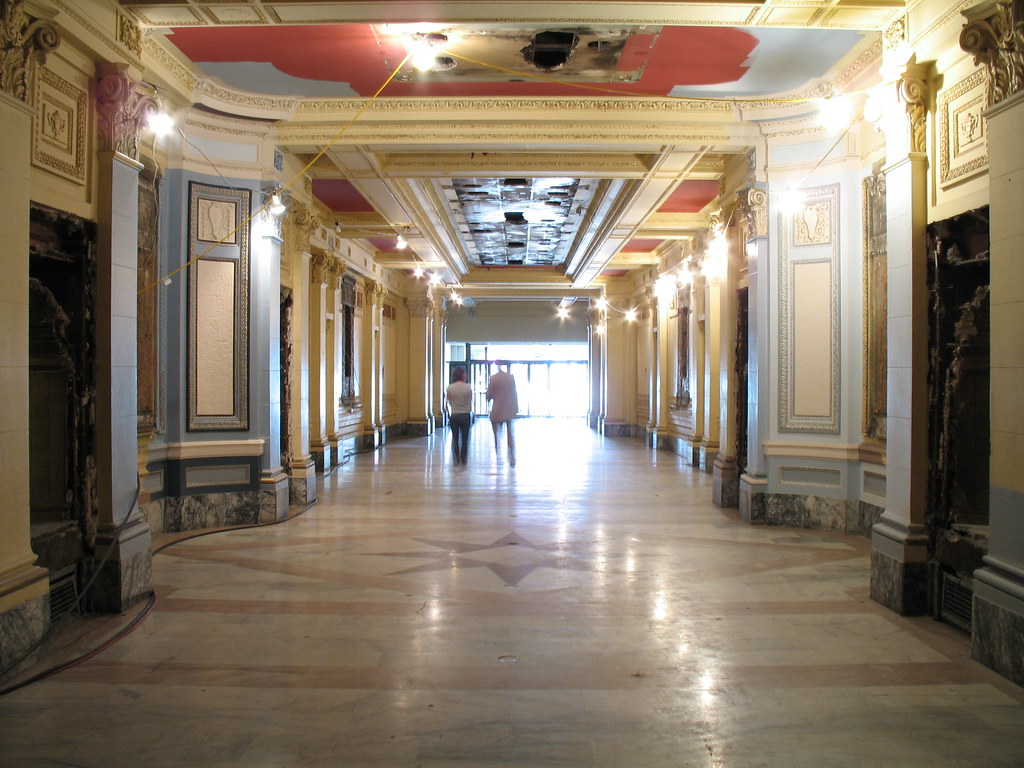
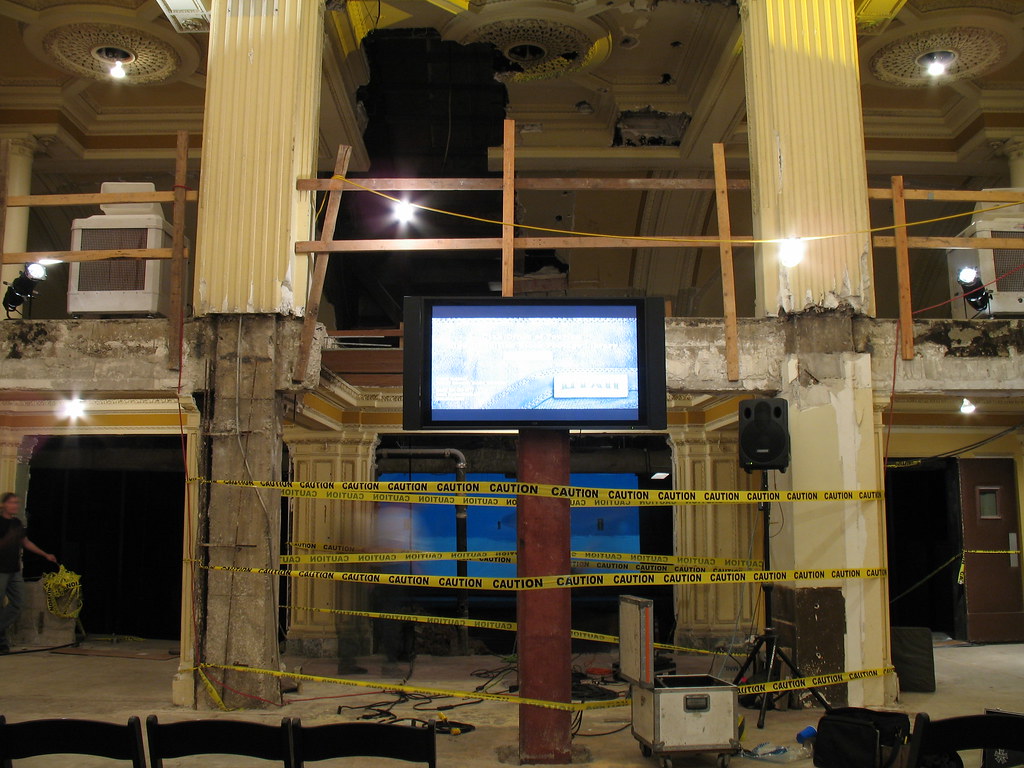
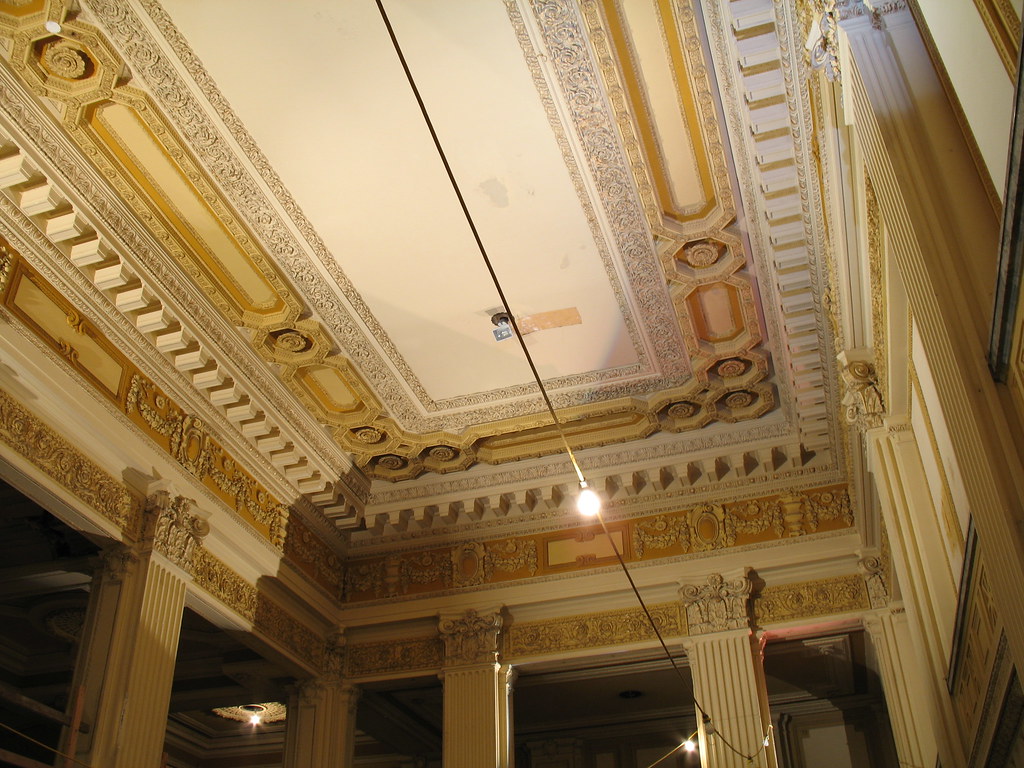
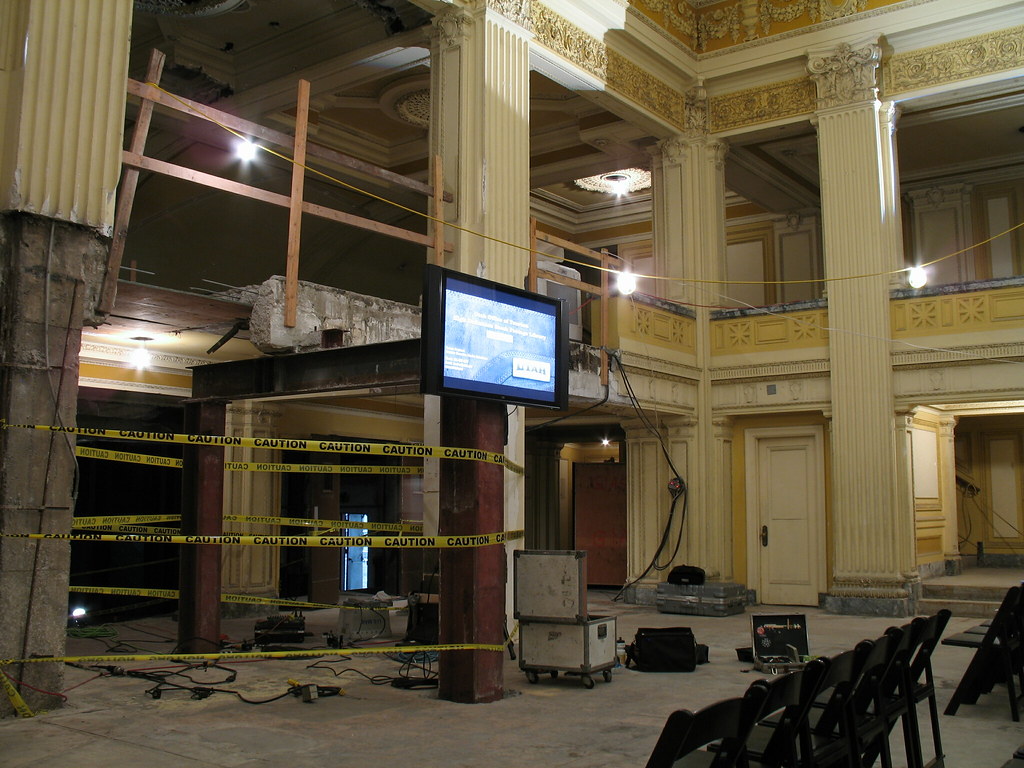
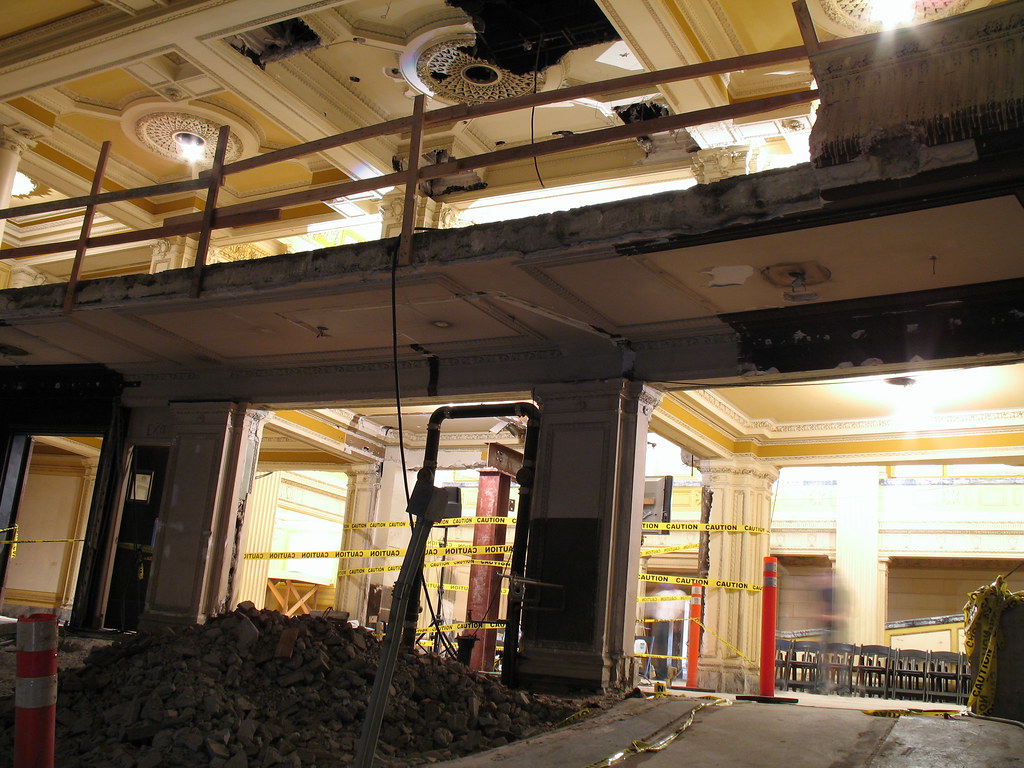
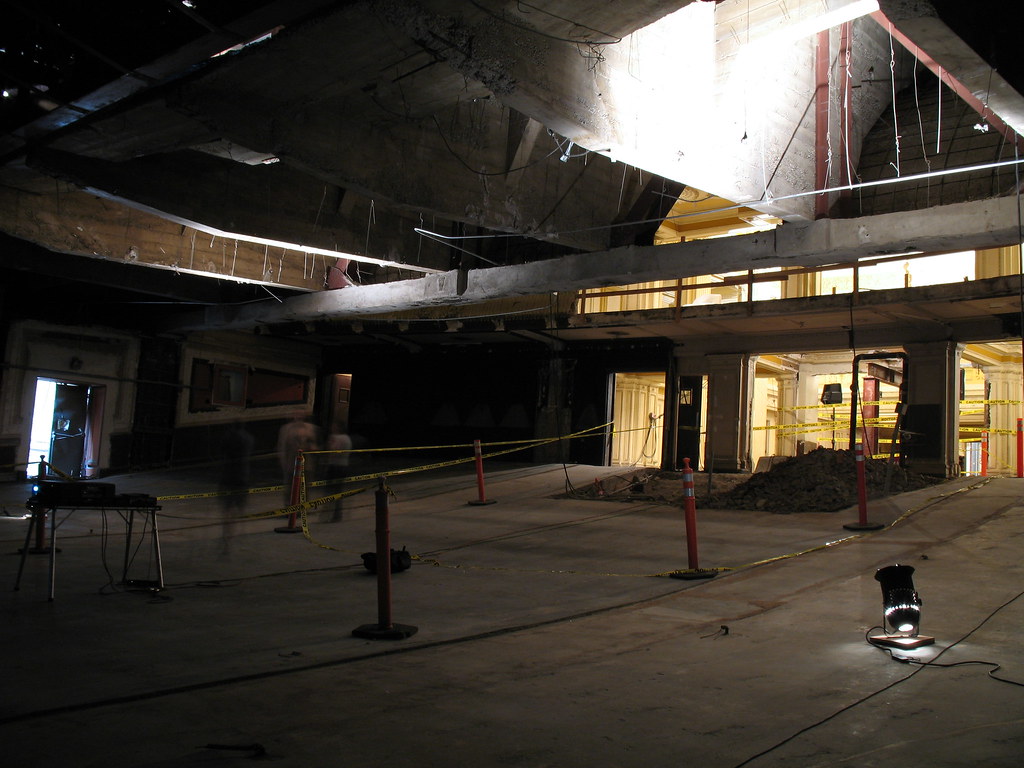
 I was surprised to stumble across this on the CINEMA TREASURES blog. It answers many of our questions as to what is happening right now and what is the current condition of the UTAH.


 Linear Mode
