Quote:
Originally Posted by someone123

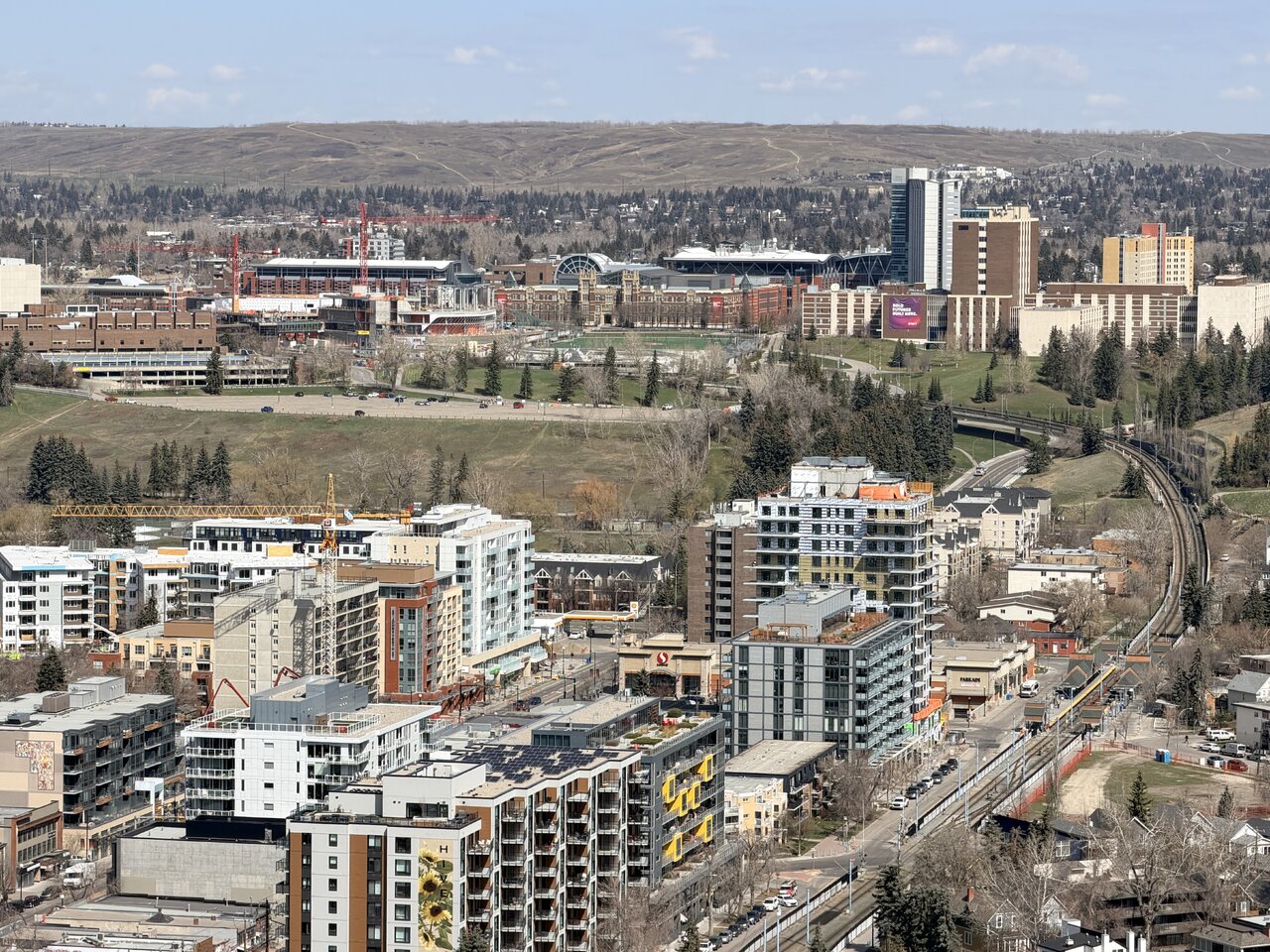
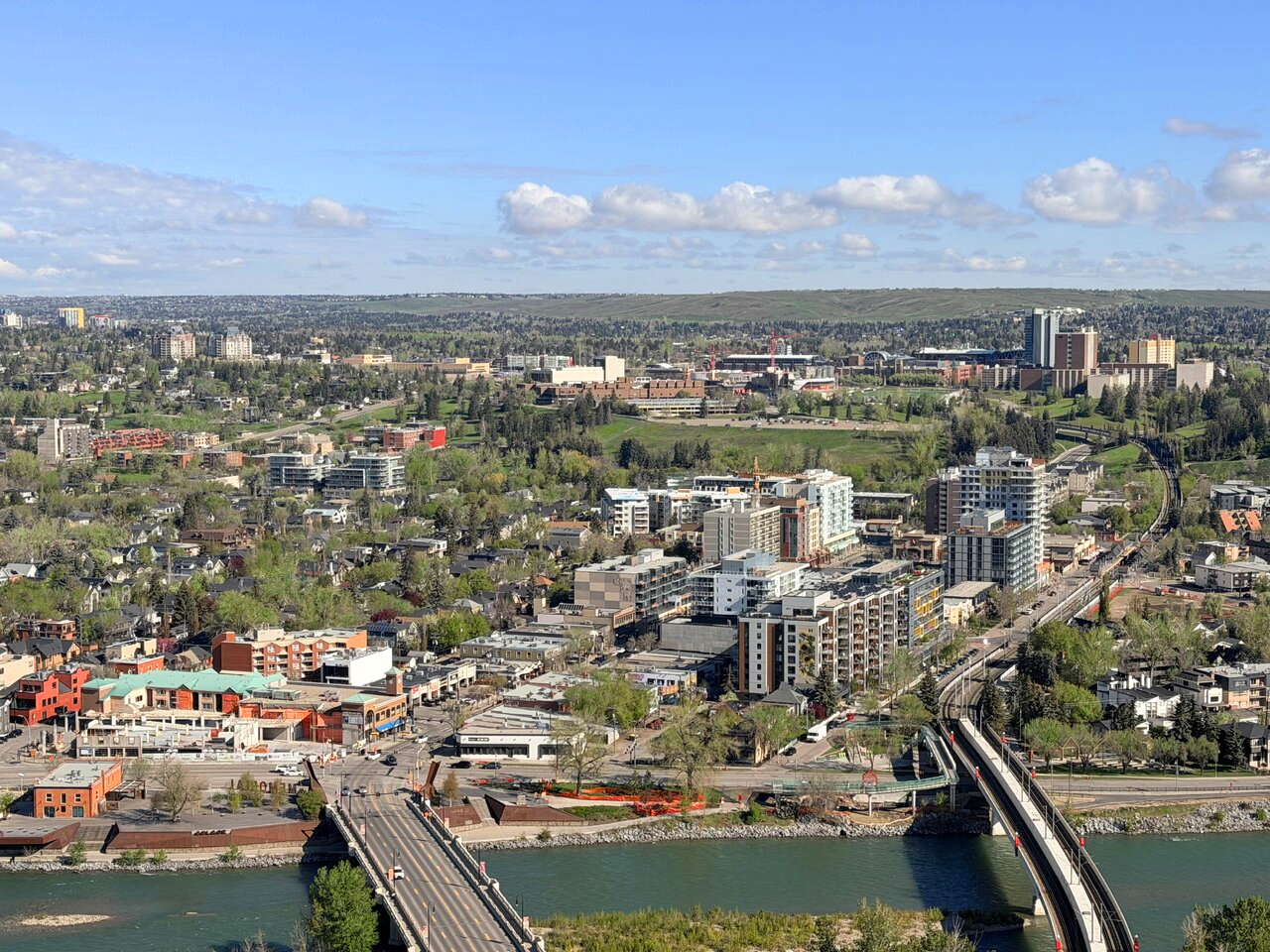
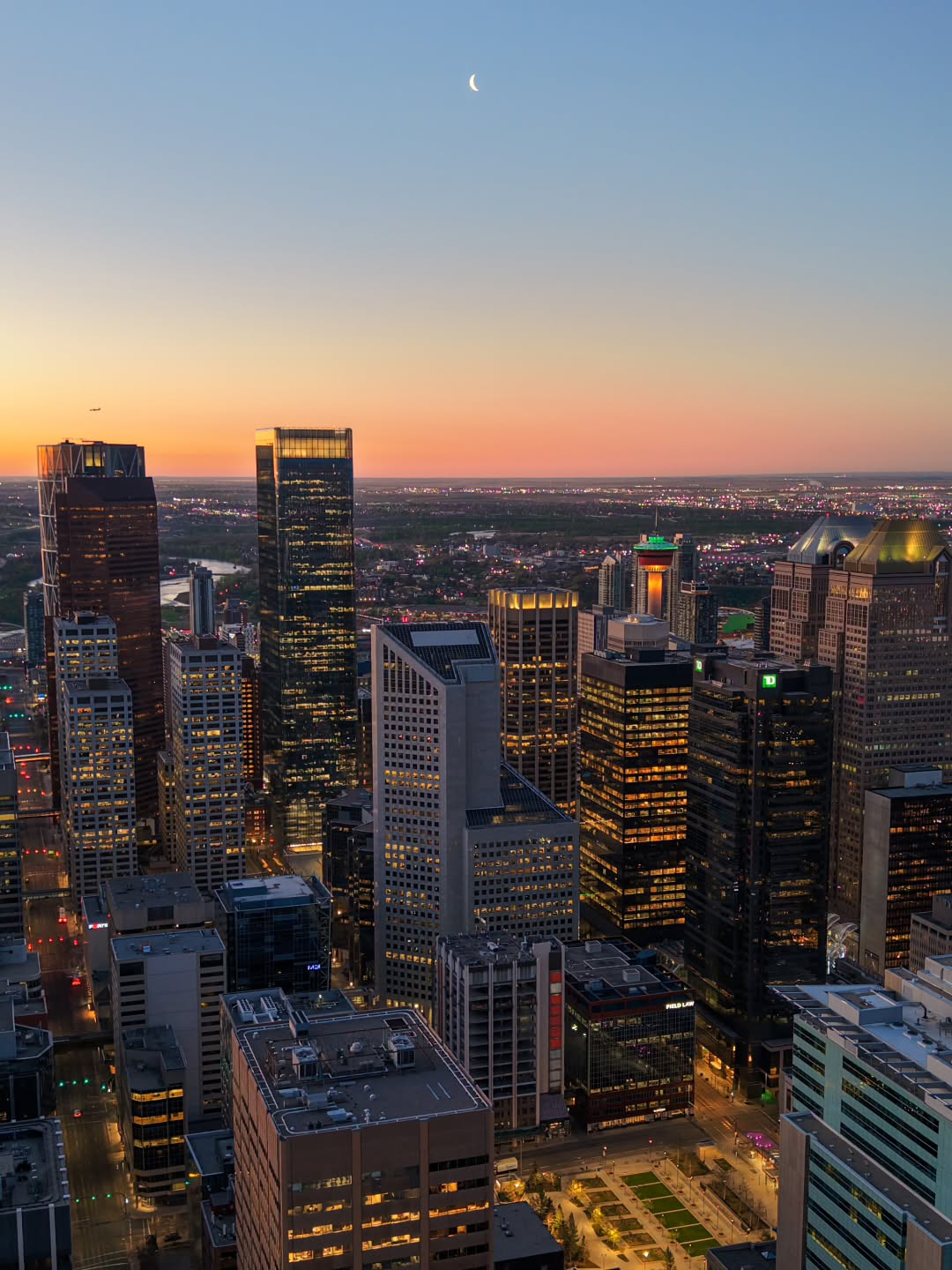
Calgary is evolving but still has a largely single-use office downtown dominated by office towers with around 30% vacancy, for example, and outside of that it transitions relatively quickly to suburban land use patterns. It's not just differently-vibrant to Stockholm and underappreciated because people don't get western urbanism. At the same time, it's true that Calgary has done impressively well for its size, age, and location in North America, has improved and likely will continue to improve a lot. Though I wonder if these large condo/apartment developments will produce the same sort of outcome in the end, and there are wider negative trends in areas like retail and restaurants affecting every city. The advantage of older cities wasn't that they had some kind of foresight, and it's not just subjective. They had stronger aesthetics and urbanism in an age before modernism, ubiquitous car ownership, and postwar planning.
|
As someone who has lived in older cities (Kingston, Ottawa, Hamilton) and is currently living in Calgary, if anything, it's taught me that the urban experience is indeed subjective. You can have a different style of urban core and it can be equally as good. An extreme comparison would be Stockholm to say Hong Kong. Both different, both vibrant in their own ways.
IMO, the only downside to Calgary's modern core is that it would be less interesting for most visitors, but living in Calgary's 'modern' core is a different story. I didn't find the day to day living any less of an urban experience, and actually in many ways found it better than other older cities. If it wasn't for a couple of kids and a dog, I'd still be living downtown.
As for the office buildings in the CBD, yeah that seems to be a uniquely Calgary thing. It has an extra large CBD for a city its size. Office conversion are changing things. The vacancy rate is around 27% now is expected to drop to about 18% when the offices conversion are done.





 Prev
Prev
















 Linear Mode
