HomeDiagramsDatabaseMapsForum About
     

Go Back   SkyscraperPage Forum > Regional Sections > Canada > Manitoba & Saskatchewan


Reply

 
Thread Tools Display Modes
     
     
  #5581  
Old Posted Oct 10, 2025, 6:00 PM
pspeid's Avatar
pspeid pspeid is offline
Registered User
 
Join Date: Aug 2018
Posts: 2,643
Quote:
Originally Posted by Winnipeg Grump View Post
Re the deep Sky project.

Something I want folks disparaging the concept to bear in mind is that every climate researcher will tell you that we have to get rid of the accumulated carbon dioxide in the atmosphere; that even if you could wave some magic wand and switch over the entire planet's economic activity so that it was carbon neutral, we would still be stuck with the ongoing impacts of the pollutants that have been injected into the atmosphere since the Industrial Revolution. You'll see the expression 'baked in' thrown around a lot, meaning that if you could magically stop all emissions, you'd still be looking at baked in atmospheric warming for another century or more.
If we want to stabilize and even get back to the climate that we were used to seeing earlier, we have a LOT of work to do in pulling those pollutants out of the atmosphere, and that's where DAC (Direct Air Capture) comes in as part of the solution.
Good points. I don't think anyone is suggesting this here, but I think we have to be concerned about any one technology being seen as a "magic bullet" that solves the climate crisis by itself.

Speaking only on behalf of myself, I'm concerned that carbon capture technology becomes an excuse by the oil & gas industry to ignore their responsibility any climate change mitigation on their part and just keep on with business as usual.
__________________
"Opinion is really the lowest form of intelligence"-Bill Bullard

"Naysayers are always predicting the present"-Anon.

"Rudeness is the weak man's imitation of strength"-Eric Hoffer
Reply With Quote
     
     
  #5582  
Old Posted Oct 10, 2025, 6:37 PM
WildCake WildCake is offline
Registered User
 
Join Date: May 2016
Posts: 1,069
Quote:
Originally Posted by pspeid View Post
Good points. I don't think anyone is suggesting this here, but I think we have to be concerned about any one technology being seen as a "magic bullet" that solves the climate crisis by itself.

Speaking only on behalf of myself, I'm concerned that carbon capture technology becomes an excuse by the oil & gas industry to ignore their responsibility any climate change mitigation on their part and just keep on with business as usual.
Yea I realize my previous post seemed rather cynical about the project. I'm all for green investment and if this company can remove problematic carbon from the atmosphere and actually use it as a commercial product or whatever, awesome. And awesome they chose Manitoba too.

I'm actually worried that this facility will be used as an excuse by our elected officials to delay/avoid additional measures to reduce carbon emissions. I wasn't thrilled the provincial gas tax was removed, and Wab Kinew can be quite the populist and avoids friction when it comes to the provincial environmental portfolio.
Reply With Quote
     
     
  #5583  
Old Posted Oct 11, 2025, 4:59 PM
1ajs's Avatar
1ajs 1ajs is offline
ʇɥƃıuʞ -*ʞpʇ*-
 
Join Date: Jul 2005
Location: lynn lake
Posts: 26,524
Quote:
Originally Posted by Winnipeg Grump View Post
Re the deep Sky project.

Something I want folks disparaging the concept to bear in mind is that every climate researcher will tell you that we have to get rid of the accumulated carbon dioxide in the atmosphere; that even if you could wave some magic wand and switch over the entire planet's economic activity so that it was carbon neutral, we would still be stuck with the ongoing impacts of the pollutants that have been injected into the atmosphere since the Industrial Revolution. You'll see the expression 'baked in' thrown around a lot, meaning that if you could magically stop all emissions, you'd still be looking at baked in atmospheric warming for another century or more.
If we want to stabilize and even get back to the climate that we were used to seeing earlier, we have a LOT of work to do in pulling those pollutants out of the atmosphere, and that's where DAC (Direct Air Capture) comes in as part of the solution.

wonder if we built infrstrcture and supply chaain to ship it to the back sde of the moon guna need the carbon eventuly for other stuff up in space no doubt
Reply With Quote
     
     
  #5584  
Old Posted Oct 19, 2025, 3:58 PM
1ajs's Avatar
1ajs 1ajs is offline
ʇɥƃıuʞ -*ʞpʇ*-
 
Join Date: Jul 2005
Location: lynn lake
Posts: 26,524
some drone footage someone put up of the damage up here


town
https://www.youtube.com/watch?v=Kz4ZhFAiE1M&t=24s

burge lake 29 cabins gone and many more outside the park
https://www.youtube.com/watch?v=gNjGvQ-x0i8

the 394 the mess north of town/burge
https://www.youtube.com/watch?v=lNERQBPEIyM

Last edited by 1ajs; Oct 19, 2025 at 5:34 PM.
Reply With Quote
     
     
  #5585  
Old Posted Nov 7, 2025, 8:42 PM
bomberjet bomberjet is offline
Registered User
 
Join Date: Nov 2012
Location: Winnipeg
Posts: 16,353
http://clkapps.winnipeg.ca/DMIS/permalink.asp?id=A20251030(RM)C-32
Here's a new one to come across the City Clerks page.

The City of Winnipeg (“City”) was named in three actions (“Claims”) filed by Brian Anderson, Allan John Woodhouse and Clarence Clifford Woodhouse (the “Plaintiffs”). The Claims also name Manitoba and Canada, and allege wrongdoing that led to the 1974 wrongful convictions and incarceration of the Plaintiffs (and Russell Woodhouse) for killing Ting Fong Chan in 1973.

.....

1. That the payment of $7,000,000 as a contribution towards a global settlement to resolve the Claims be approved.

.....

Brian Anderson, Allan John Woodhouse and Clarence Clifford Woodhouse (the Plaintiffs”) were convicted in March 1974 for the murder of Ting Fong Chan in 1973. Each was incarcerated and paroled. After a review by the Criminal Conviction Review Group, the federal Minister of Justice quashed the Plaintiffs’ convictions and ordered new trials. The Crown called no evidence at the re-trials, acknowledging that a miscarriage of justice occurred. The Chief Justice of the Court of King’s Bench acquitted the Plaintiffs. Apologies have been issued by the Court and the Manitoba Minister of Justice.
Reply With Quote
     
     
  #5586  
Old Posted Nov 13, 2025, 10:27 PM
Wpg_Guy's Avatar
Wpg_Guy Wpg_Guy is online now
Moderator
 
Join Date: Aug 2002
Location: Winnipeg, Manitoba
Posts: 8,365
__________________
Winnipeg Act II - April 2024

Winnipeg Developments

In The Future Every Building Will Be World-Famous For Fifteen Minutes.
Reply With Quote
     
     
  #5587  
Old Posted Nov 14, 2025, 12:16 AM
OTA in Winnipeg OTA in Winnipeg is offline
Registered User
 
Join Date: Mar 2016
Location: Silver Heights
Posts: 1,798
^Thanks. Learned a couple things there.
Reply With Quote
     
     
  #5588  
Old Posted Nov 15, 2025, 5:20 AM
Wpg_Guy's Avatar
Wpg_Guy Wpg_Guy is online now
Moderator
 
Join Date: Aug 2002
Location: Winnipeg, Manitoba
Posts: 8,365
Pretty much everything you need to know about Manitoba’s new obsession with AI data

Quote:

Pretty much everything you need to know about Manitoba’s new obsession with AI data centres
Manitoba — home of much hydro power and notoriously cold winters — says it’s perfectly positioned for a data centre boom. Here’s what that means for the province
By Julia-Simone Rutgers
Nov. 14, 2025

Manitoba Premier Wab Kinew has been dropping hints the province could soon look to position itself as a leader in what some commentators are calling the “fourth industrial revolution.”

Speaking on a politics and current events podcast in late October, Kinew hinted at three upcoming megaprojects that would help accelerate Manitoba’s transition to a “have province … not 40 years in the future, [but] within the next five or 10 years.”

One would be the much-hyped proposed upgrades to the Port of Churchill, which would transform Canada’s northernmost deepwater port into a vital trade hub and help strengthen the country’s hold on Arctic sovereignty. The other two projects mentioned on the Herle Burly podcast hosted by Canadian political strategist David Herle were more ambiguous, though Kinew hinted the province was looking to become a bigger player in the energy and tech sectors.

“Any tech play at a large scale is basically an energy play, and so we have a lot of low-carbon electricity in Manitoba and I think that’s going to be one of our competitive advantages,” Kinew said.
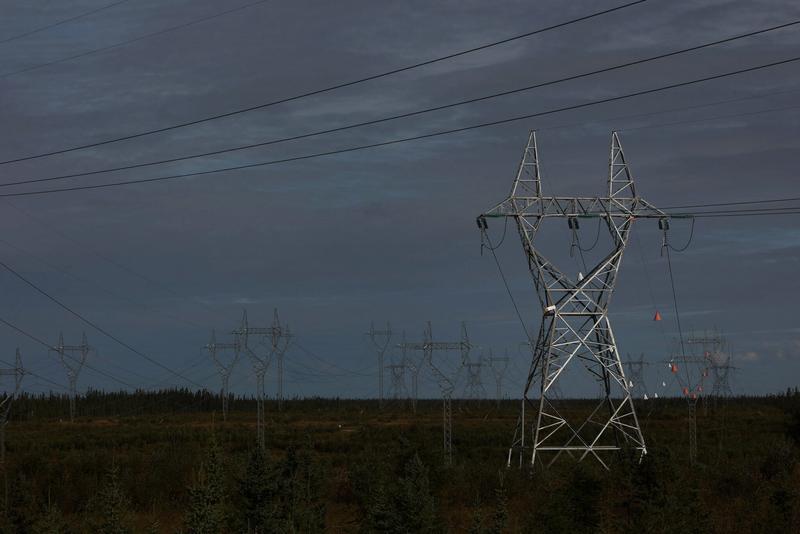

Manitoba Hydro has warned for years that electricity generating capacity is running scarce and new energy sources will be needed to maintain reliability while keeping pace with rapidly growing demand. Meanwhile, the province is championing energy-hungry AI data centres. Photo: Tim Smith / The Narwhal

Days later, the province announced it had received the first report from its newly minted innovation and productivity task force, which made recommendations to help Manitoba navigate the economic shift from “a system rooted in physical production of tangible goods, into a new economy in which wealth, power and security are rooted in the ownership of intangible assets like intellectual property, data and artificial intelligence.”

After releasing the report, Kinew was even more direct: “You’ll see servers and data centres in Manitoba in the future,” he told reporters.

Until recently, few people paid much attention to the machines behind the curtain — the physical infrastructure within which our pixelated world is intricately tied together. But the last few years have seen that infrastructure — namely data centres — take centre stage in the charge to spur economic development.
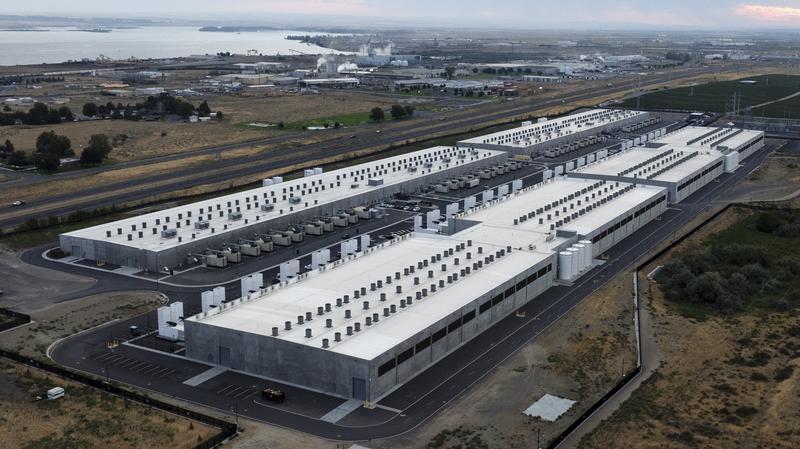

Anything that exists on the internet, or in the ever-nebulous “cloud,” is stored on a physical computer somewhere. Most likely that computer is inside a data centre — usually a warehouse-like building. Photo: Jenny Kane / Associated Press

Governments, including Canada’s, have invested hundreds of billions of dollars into new data centre construction; big tech companies like Meta, Amazon and Alphabet (Google) intend to spend upwards of $350 billion this year alone. Data centres have been announced, planned and built in cities across North America at an unrelenting pace. In the United States, economists estimate data centres and other information and technology infrastructure accounted for 92 per cent of the country’s gross domestic product growth in the first half of the year — driven by the explosion in artificial intelligence research and advancement — while the rest of the economy sat relatively stagnant.

But the sprawling data centres being built for artificial intelligence across the United States have come with their share of concerns. Some worry the ballooning investments could quickly spiral into an economic bubble; communities near a supersized data centre in Georgia have reported their taps running dry and drinking water turning to sludge; cities in artificial intelligence hubs like Virginia have seen their power bills skyrocket as data centres 🞵🞵🞵🞵 up huge portions of the electricity grid.

Against that backdrop and amid mounting concerns on how the energy sector and environment will be directly impacted, Kinew seems prepared to launch Manitoba into the tech-sector arms race. But is Manitoba ready to take its place in the AI revolution?

First things first: what’s a data centre?

Anything that exists on the internet, or in the ever-nebulous “cloud,” is stored on a physical computer somewhere. Most likely that computer is inside a data centre.

“All the internet is, is someone else’s computer,” John Anderson, a computer science professor at the University of Manitoba who has spent his career researching artificial intelligence, said. “A data centre is a large collection of computers that is used usually for a particular purpose, but not necessarily for only one purpose, in an installation in one place.”

Those purposes can range from internet searches to email storage, video streaming, online banking, social media and, most recently, building and training artificial intelligence.
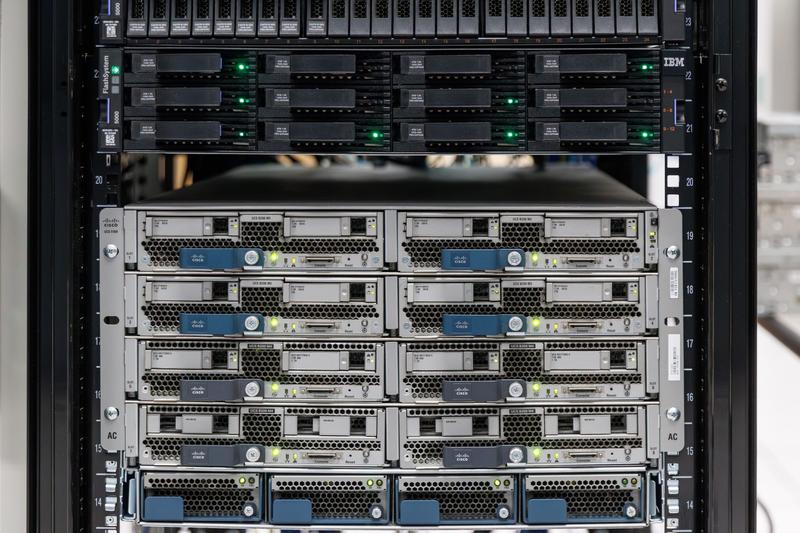

Currently, it’s estimated there are more than 11,000 data centres worldwide, with about 250 in Canada. As much as 40 per cent of data centre energy consumption goes toward powering intensive — and thirsty — water cooling systems. Photo: Mike Deal / Winnipeg Free Press

While data centres are a buzzword of late, they aren’t new technology. The concept has been around since the 1940s, though they were called mainframe computers at the time. As technology evolved, computers got smaller. But then the internet arrived on the scene and data centres became critical to powering the digital world’s unquenchable thirst for information.

Currently, it’s estimated there are more than 11,000 data centres worldwide, with about 250 in Canada.

For the most part, these data centres are nondescript buildings comprising rows of cabinets, called racks, with hundreds of computers stacked on top of another and often wired together. Those server racks need to be powered at all times, so data centres typically have both an on-site power distributor and a back-up generator. Finally — and critically — data centres are equipped with powerful cooling systems to keep the technology at optimal temperatures and humidity levels.

Data centres come in a few different flavours. Universities, governments and some businesses often have in-house centres — a climate-controlled office space that stores that institution’s servers, data and other IT equipment. Then there are larger retail data centres that lease server racks to customers at a price-per-kilowatt rate.
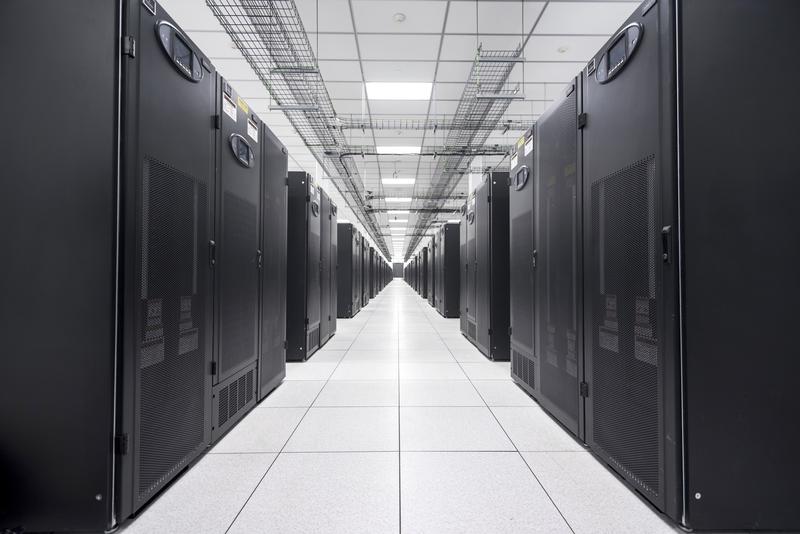

Universities, governments and some businesses often have in-house centres — a climate-controlled office space that stores that institution’s servers, data and other IT equipment, like this one in Manitoba. Photo: Winnipeg Free Press files

An example would be Amazon’s data centres, Anderson said.

“They’re used to run all of the traffic for their sales and logistics, they’re used to stream their TV programs and media,” he said.

“They’re also rented out as computer power for people to simply buy and use. I’ve had graduate students that have done all their AI research on Amazon’s machines to save me having to buy them and keep them upgraded in the lab.”

The larger, for-rent data centres have recently been eclipsed by the “hyper-scale” centre — megafacilities built by big-tech companies to handle their own immense data needs. In many cases, these centres are being used to train and power artificial intelligence, which requires exponentially more computing power than, say, sending an email to grandma.

Does Manitoba have any data centres?
Yes. Statistics Canada currently lists eight data centres in Manitoba, not including sites at businesses or public institutions. Seven are in Winnipeg, one is in Winkler.

Most are on the smaller side. About half are owned by Les.net, a retailer with a handful of server rooms in the downtown Exchange District. Bell MTS, Canada’s largest telecom provider, built a 7.5-megawatt data centre in the city’s south end in 2015, which has since been acquired by Equinix.

There are no hyperscale-sized, AI-focused data centres in the province yet.

How much power does a data centre use?
Data centres are ravenous for electricity.

That energy need is typically expressed in power capacity, which the University of Manitoba’s Anderson describes as the maximum amount of power needed to run the IT infrastructure and cooling equipment.

Traditional data centres built for the dot-com boom of the 2000s have a capacity of about five to 10 megawatts, equivalent to the power draw of about 8,000 homes.

But the complex computer chips used for artificial intelligence have prompted a dramatic spike in power demand, with a typical AI rack using at least 10 times as much power as an old-school web server.


Specialized computer chips for artificial intelligence are faster — and more power-hungry — than traditional computer chips. Photo: Seth Wenig / Associated Press

Hyper-scale centres have power capacities of at least 100 megawatts; the mega-facilities commissioned by tech giants like Amazon and Meta will require upwards of 1,000 megawatts to run.

According to the International Energy Agency, power demand for data centres has grown about 12 per cent each year since 2017, reaching 415 terawatt-hours — about 1.5 per cent of global energy consumption — in 2024. The agency predicts energy demand will more than double by 2030, consuming about 40 per cent more electricity than Canada currently generates in a year.

Are these AI data centres bad for the environment?
As hyperscale centres continue to sprout across the globe, critics have raised concerns about their expanding environmental footprint.

“We know that data centres consume large amounts of energy and water, and we know that consumption is only going to grow, which will mean more greenhouse gas emissions and greater stress on water supplies,” Martin Krause, a director with the United Nations Environment Programme, said in a June release outlining new guidelines for data centre procurement.

According to the International Energy Agency, the electricity used to power centres generated 180 million tonnes of carbon dioxide equivalent emissions in 2024 — more than double the annual emissions from Canada’s oilsands. As data centres continue to get bigger and more power hungry, the energy agency projects emissions will reach between 300 and 500 million tonnes by 2035, making them some of the “fastest growing sources of emissions.”
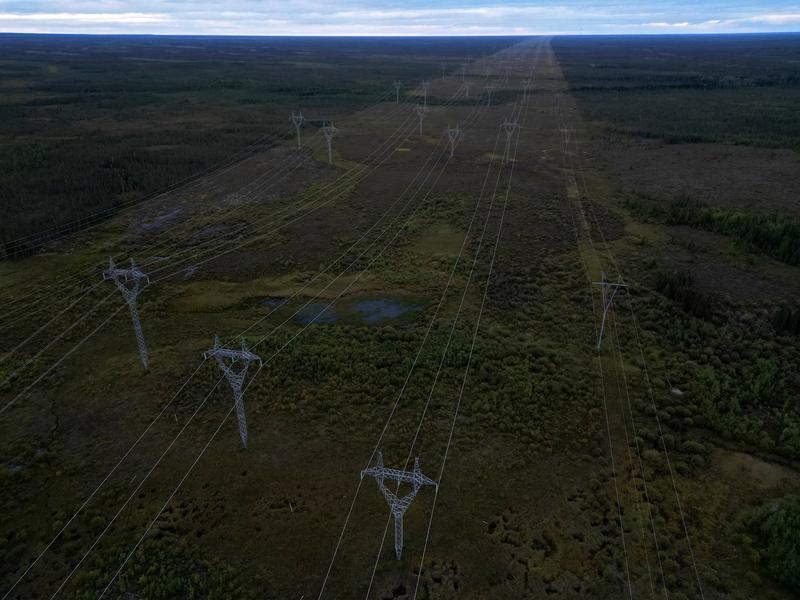

The electricity consumption of AI data centres is project to grow. In Manitoba, that electricity mostly comes from hydro power at the moment, but new generation may rely on fossil fuels to meet rapidly rising demand. Photo: Tim Smith / The Narwhal

In Canada and the United States, most of the power comes from a mix of renewable sources, like hydroelectricity and natural gas (a smaller share comes from nuclear power and burning coal). Writing for the Canadian Climate Institute, researcher Kate Harland notes these massive data centre projects can incentivize provinces to expand their electricity grids with renewable resources, “enabling the bigger, cleaner, smarter electricity system necessary to decarbonize the Canadian economy.”

But, she adds, provincial electricity grids across the country are already reaching their limits, and the increased demand from data centres could exacerbate concerns of power shortages or rate hikes. If provinces turn to fossil fuel sources to meet that demand — like Manitoba’s planned investment in new gas-powered generators — it could undo efforts to decarbonize the grid.

As much as 40 per cent of data centre energy consumption goes toward powering intensive — and thirsty — water cooling systems.

“If you have a server room like you would have in the university’s computer services department, you would need to have specialized air conditioning in there to deal with all the heat the computers are throwing,” Anderson said.

“If you’re dealing with a really intense one … where the computers are very close together, you need to effectively pump cold water around them.”
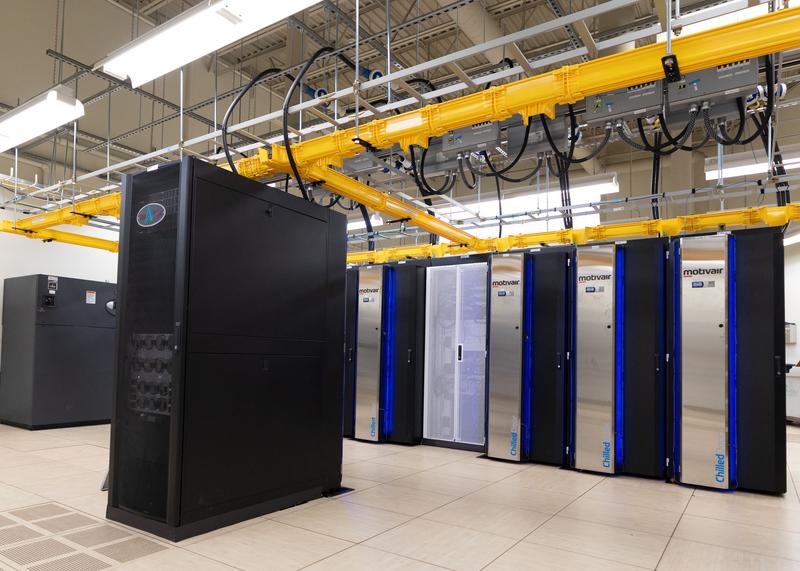

The University of Manitoba’s supercomputer data centre, called Grex, recycles waste heat into nearby campus buildings. Photo: Supplied by the University of Manitoba

These larger centres use a maze of cold water-filled pipes nestled within the server racks to draw heat away from the computer equipment. In some cases, that water is then pumped into a cooling tower and evaporated, which requires a constant flow of up to 19,000 litres per minute. Other data centres use a closed-loop cooling system, which cycles the water back through a large refrigerator and uses significantly less water in the process.

While companies have been tight-lipped about the exact water use of their hyper-scale facilities, a study by the Lawrence Berkeley National Laboratory in California estimated American data centres consumed 64 billion litres for cooling alone in 2023, a little more than Winnipeg’s total billed water use for a year.

Many of these centres use freshwater for cooling, prompting concerns they could exacerbate drought conditions or strain limited drinking water availability in some regions.

In response, companies are looking for more efficient solutions. The University of Manitoba’s super computer data centre, for example, uses a water-cooling system that recycles the excess heat into nearby campus buildings. Other data centres are strategically built in cold climates, where free air-cooling systems can replace water cooling during the winter months.

Can Manitoba’s grid handle data centres?
“Any large new load has the potential to impact our system, whether it be a data centre, foundry or manufacturing facility,” Manitoba Hydro media relations officer Peter Chura said in a written response to questions from the Free Press and The Narwhal.

Asked whether data centres, in particular, would strain the province’s grid, Chura said: “The best answer is ‘possibly.’ ”

The Crown utility has warned for years that generating capacity is running scarce and new energy sources will be needed by 2029 to maintain reliability while keeping pace with rapidly growing demand.

In 2023, an internal memo at the utility warned energy-intensive customers could quickly drain remaining capacity; the year prior, the province issued a moratorium on cryptocurrency data centres to save space in the grid.
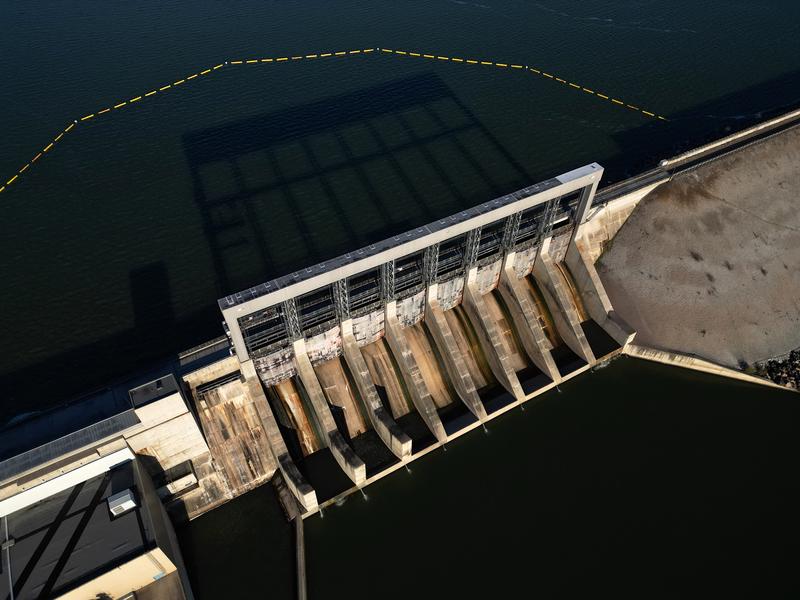

The Manitoba Hydro Kettle Generating Station spans the Nelson River. Indigenous communities have long borne the frontline impacts of hydroelectricity development in Manitoba’s north. Photo: Tim Smith / The Narwhal

Even the province’s electric supply backstop, the Midcontinent Independent System Operator market, which regulates power sales between Manitoba and 15 American states, has struggled to meet rising demand. In its most recent rate application to the Public Utilities Board, Hydro noted it was impacted by “congestion” in the cross-border market during drought conditions in late 2023.

“A major factor contributing to the congestion … was the Atlas Power Data Center, a cryptocurrency mining operation,” Manitoba Hydro wrote in its filings.

Despite the capacity concerns, Manitoba Hydro isn’t factoring data centres, in particular, into its future resource plans. Nor is it suggesting that new infrastructure is entirely off the table.

“We factor in a wide variety of potential future growth scenarios into our load planning. This includes residential growth, growth from electrification, economic development objectives including data centres and projects already approved and in the pipeline,” Chura said.

“We have fielded some requests from data centres, along with other commercial and industrial facilities that require larger amounts of power. Obviously, as this is commercially sensitive information, we cannot say more than that.”

Manitoba Hydro’s responses to questions from the public utilities board, however, show the province has received 13 data centre connection requests, currently under various stages of review. At least one has signed a service contract with the utility.

Why is Wab Kinew talking about data centres?
In short: data is power in today’s economy, and building centres on home soil gives political leaders more control over how that information is managed.

Speaking to the Manitoba Chambers of Commerce after the release of the innovation task force report, Kinew stressed that home-grown data infrastructure is critical to keeping sensitive, personal data safe.

“How do we keep your privacy, so that our kids and grandkids will be able to develop as individuals and have that freedom to express themselves in a way that is truly free in the future of our society?” Kinew said. “Well, it probably means that we should stop sending all of our information south of the border.”

Privacy isn’t the only motivation. Kinew has characterized data centres, AI and other big-tech investments as economic drivers for the province. During construction, these facilities can create upwards of 1,000 jobs for electricians, engineers and technical specialists (though facilities typically employ far fewer people once complete and operational).

Anderson says investing in data centres and other AI technologies in Manitoba will generate more opportunities for students like his who are being “highly trained in doing future work.”

Canadian companies like Bell and Telus are keen to expand their data centre infrastructure and develop “sovereign AI” — that is, Canadian owned and operated platforms — with support from the federal government’s $2.4 billion AI Sovereign Compute Strategy.

“If we do not own and control the facilities, networks and compute capacity where this data resides, the benefits will flow outward. Data and compute sovereignty is therefore not a technical detail but a defining question for Canada’s future prosperity and Manitoba’s leadership within it,” the innovation task force report said.


Manitoba Premier Wab Kinew is adamant data centres will help transform Manitoba into a “have” province, rather than a “have-not” province. “You’ll see servers and data centres in Manitoba in the future,” he said recently. Photo: Ruth Bonneville / Winnipeg Free Press

Manitoba’s lobby records show Kinew met with lobbyists from Bell Canada in April and October to discuss “telecommunications, connectivity, investment and emerging technology including AI in Manitoba.” In May, Bell announced plans to build six AI data centres in British Columbia; in August the company announced it would partner with AI platform Buzz HPC to install NVIDIA computer chips — hardware used for artificial intelligence systems — in its Canadian data centres, starting with its five-megawatt facility in Manitoba.

This motivation is only bolstered by the idea that Manitoba is an ideal location for a data centre. In the late aughts, when the frenzy first swept the continent, the tech and telecom companies designing these facilities set their sights on Manitoba as a “new frontier” for these facilities, and the sentiment persists today.

Firstly, the province’s infamously long, cold winters allow tech companies to save money cooling server rooms. More importantly: Manitoba boasts some of the cheapest, low-emission hydroelectricity in the country, making the region attractive for power-hungry infrastructure developers. Finally, the innovation task force notes the Port of Churchill gives Manitoba a strategic advantage, connecting the province to global markets.

“If you’re using a lot of energy and it’s energy that is green-generated — or something close to it — then you can greater justify the use,” Anderson says. “That would be the advantage of doing this in Manitoba.”
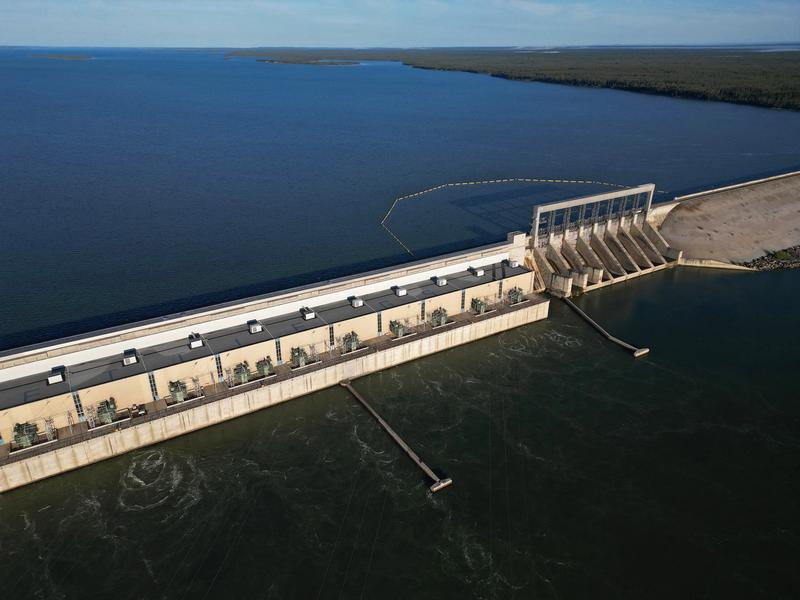

The Manitoba Hydro Kettle Generating Station on the Nelson River just outside Gillam, Man. Manitoba has long relied largely on dams to generate electricity. The Manitoba premier says that fact — along with Manitoba’s cold winters — make it a prime location to build energy-hungry data centres that must be kept from over-heating. Photo: Tim Smith / The Narwhal

Kinew recognizes this advantage, and he’s aiming to leverage that into economic opportunities for the province.

“Power is the most important thing in the world right now. Everyone needs electricity. And Donald Trump gets a lot of his power, politically speaking, from the tech industry,” he told the Globe and Mail during an interview in late September.

“We’re all hungry to power AI data centres. And we have a choice to make about how we’re going to use that next 500 megawatts in our province. Do we continue to guarantee it for the U.S., or are we going to build up our own domestic economy, which may mean building more housing, more manufacturing, more mining projects? We’re saying we’re going to bet on Manitoba.”

What are other provinces doing?
Several provinces have marketed themselves open for AI and data centre business — particularly those with hydroelectric resources.

British Columbia’s Crown utility offered an electricity rate discount for centres in 2022 and was fully subscribed within a year. Hydro Quebec began marketing itself to data centre developers in 2016 and landed investments from Amazon, Google, Microsoft and IBM.

Alberta has taken a different approach, relying on its natural gas resources, low tax rates and deregulated electricity grid to make the province the “most attractive place to build artificial intelligence data centres in North America.” As of June, Alberta’s Electric System Operator had received nearly 30 project applications with a combined demand of 16 gigawatts — nearly 10 times the electric load of the city of Edmonton.

As concern over electricity demand outpacing supply has grown, amplified by unpredictable weather conditions and droughts that make supply less certain for hydroelectric operators, those same jurisdictions are starting to restrict access to the grid.

In October, the B.C. government announced it would introduce legislation to limit the amount of power available to AI and data centre projects, while outright banning new cryptocurrency mines. Alberta has put a temporary cap on large-scale data centre connections while it sorts through the existing queue. Ontario and Quebec are limiting data centre connections to projects that bring local economic benefits, with the latter no longer chasing AI investments.

What’s on the horizon for Manitoba?
In March, Manitoba introduced its own legislation to give government officials more power to decide which major projects can plug into the grid. Bill 28 will allow the province’s finance minister to tell Manitoba Hydro whether a development requesting a “large supply of power” should be prioritized, and require the utility to deny requests that are “not reasonably feasible.” It also gives the province power to define a “large supply of power.”

That means the future of Manitoba’s data centre and artificial intelligence landscape is largely in the hands of its politicians — and those politicians are signalling significant interest.

While Kinew won’t give away details about any planned data centre projects, he’s hinted more details could be made clear in the coming weeks.

Pressed for details of the upcoming megaprojects he mentioned to Herle in October, as well as his meetings with Bell lobbyists earlier that month, Kinew told CBC News to “check out the state of the province address this December.”
The Narwhal


Video Link
__________________
Winnipeg Act II - April 2024

Winnipeg Developments

In The Future Every Building Will Be World-Famous For Fifteen Minutes.
Reply With Quote
     
     
  #5589  
Old Posted Nov 15, 2025, 6:10 AM
Wpg_Guy's Avatar
Wpg_Guy Wpg_Guy is online now
Moderator
 
Join Date: Aug 2002
Location: Winnipeg, Manitoba
Posts: 8,365
A dizzying bird’s-eye view of Manitoba’s hydro-electricity dams

Quote:
A dizzying bird’s-eye view of Manitoba’s hydro-electricity dams
Clearings as wide as 50 highway lanes make way for power lines that link massive dams with Manitoba’s urban centres, supplying the majority of the province's ever-growing thirst for electricity
By Julia-Simone Rutgers

Photography by Tim Smith


The landscape is the stuff of legend.

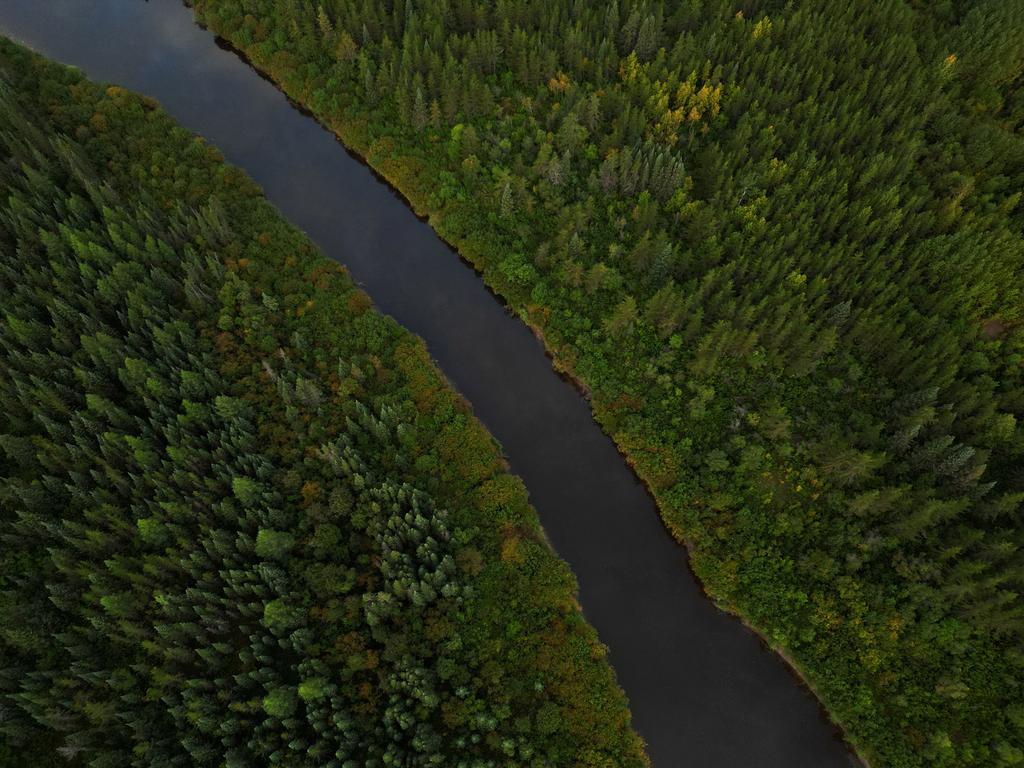
Lush boreal woods, pristine lakes and roaring rivers blend into steaming, soggy muskeg and merge with the sparse, icy tundra of Manitoba’s Arctic coast.


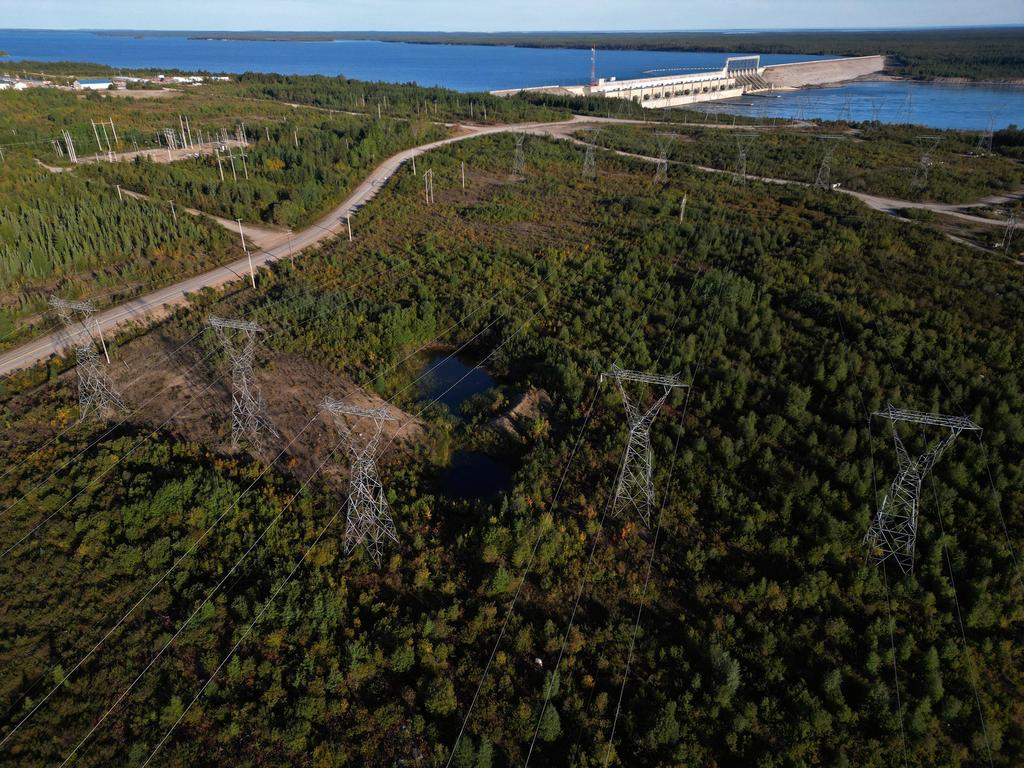
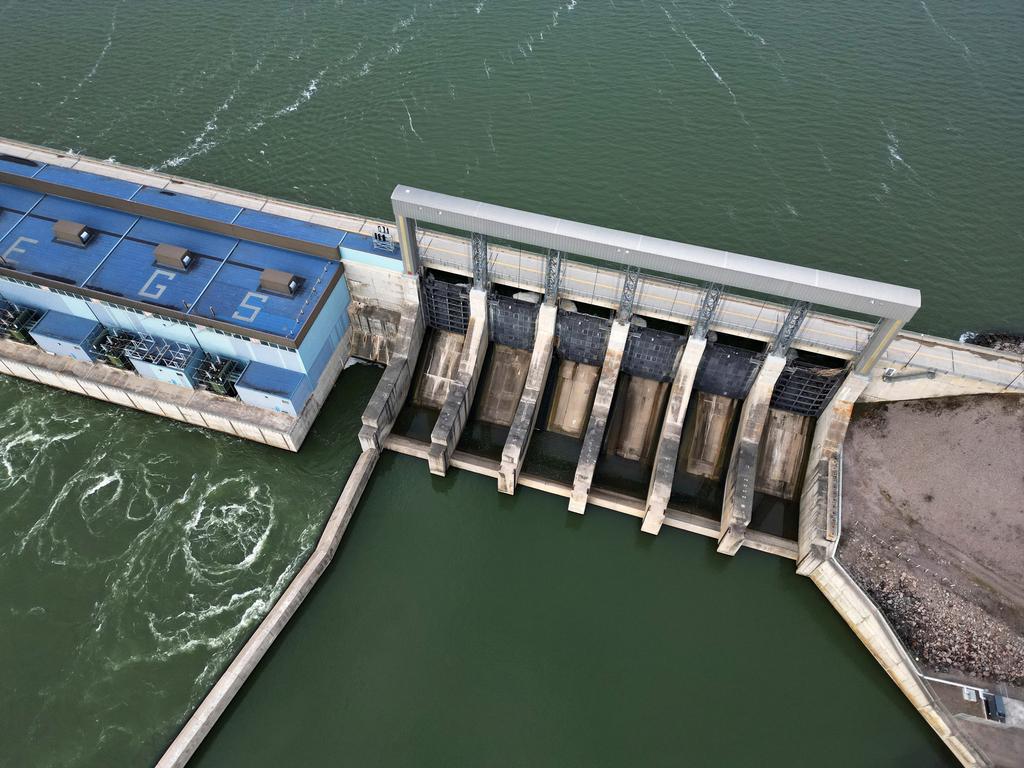
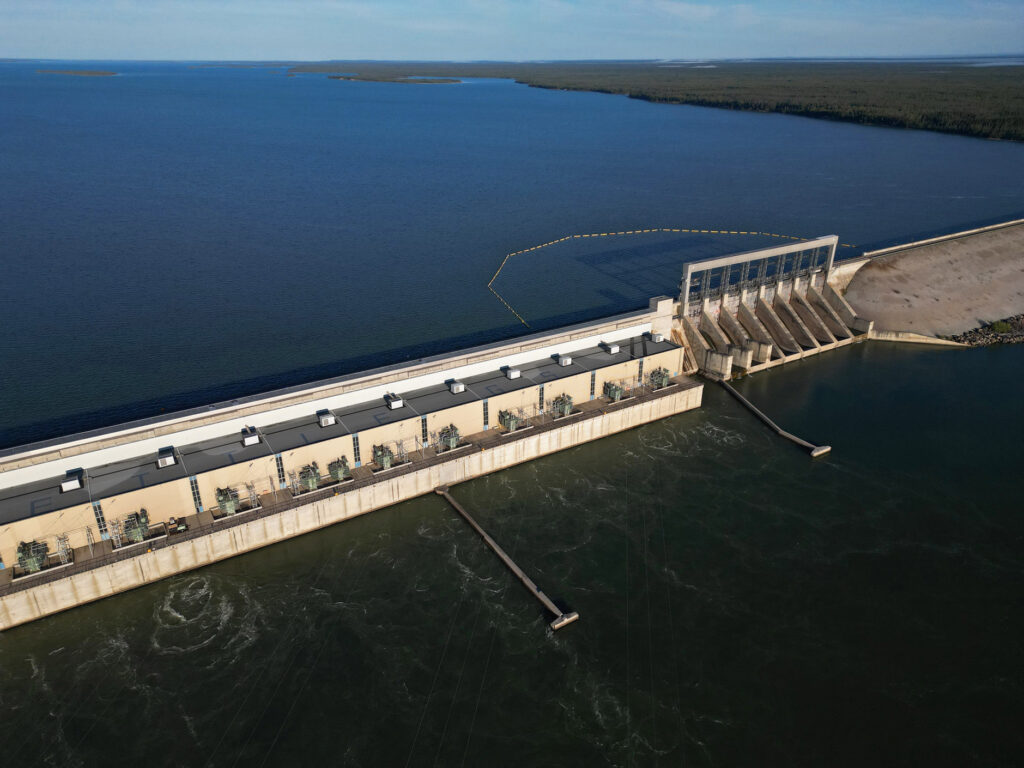
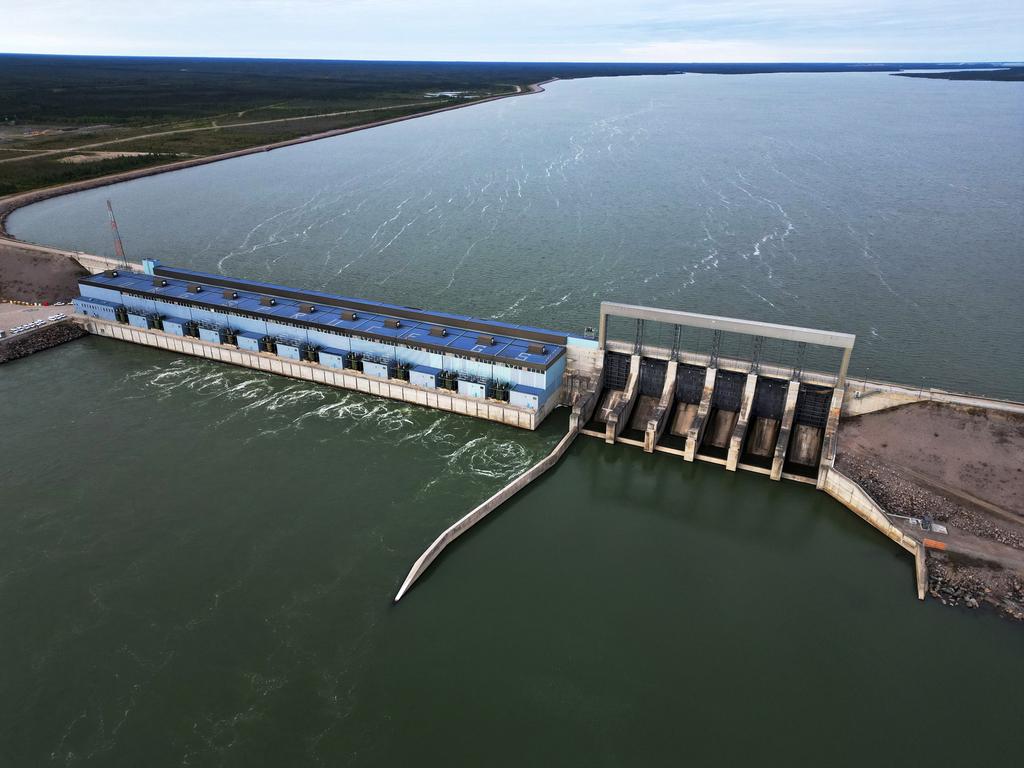
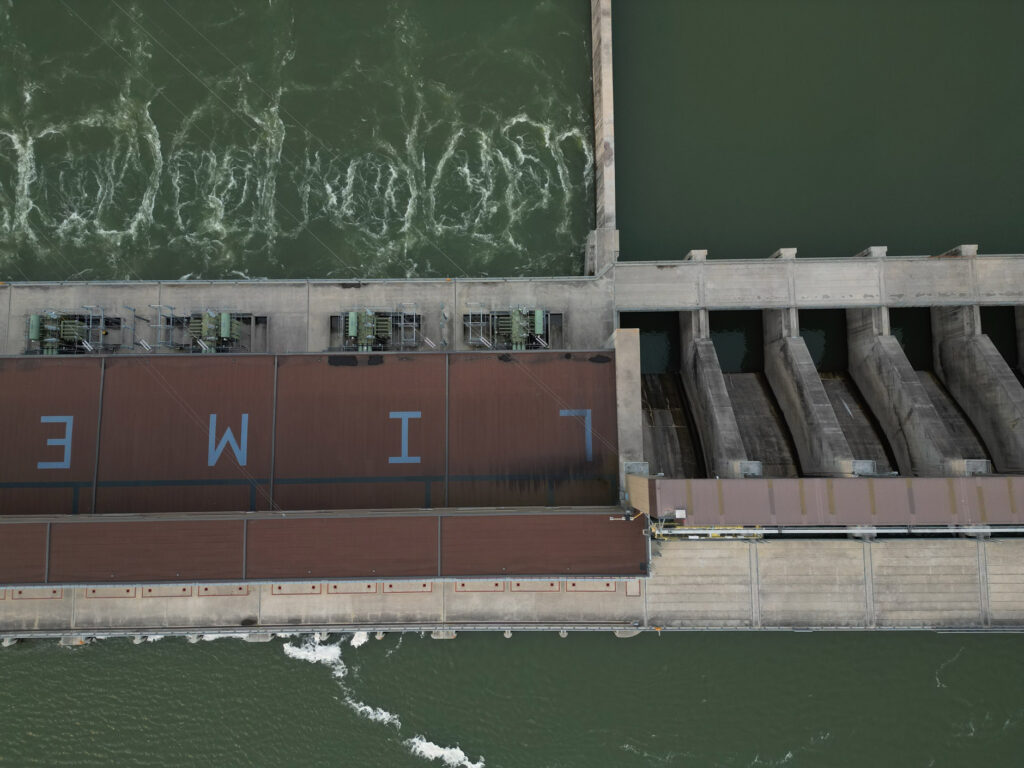
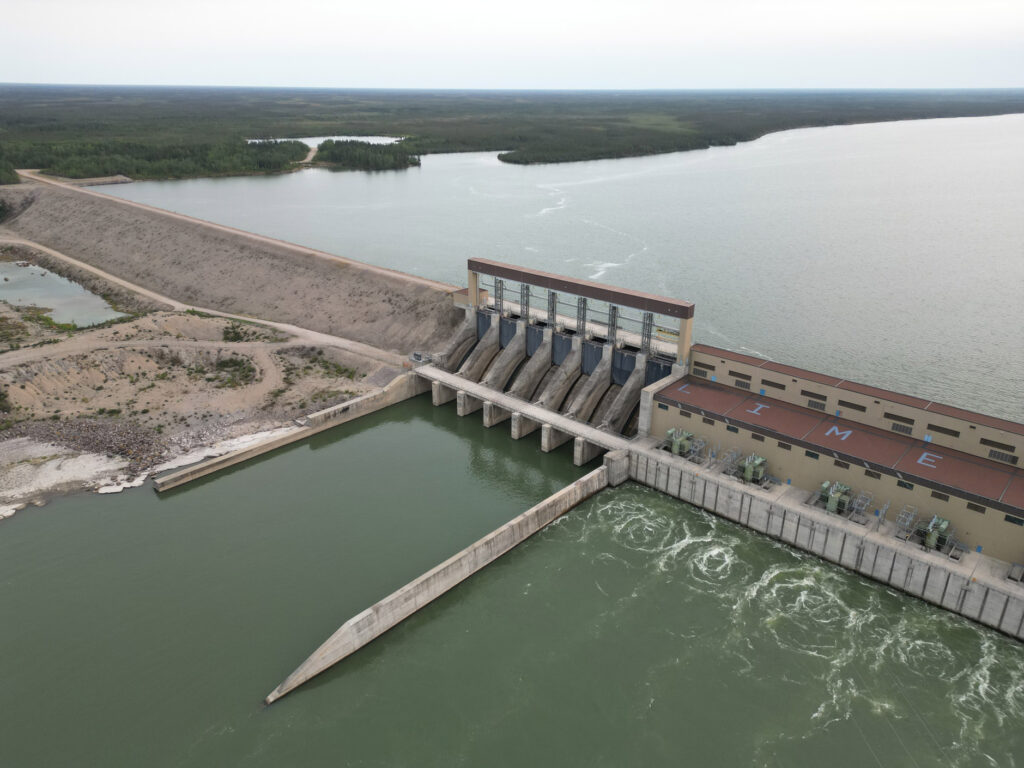
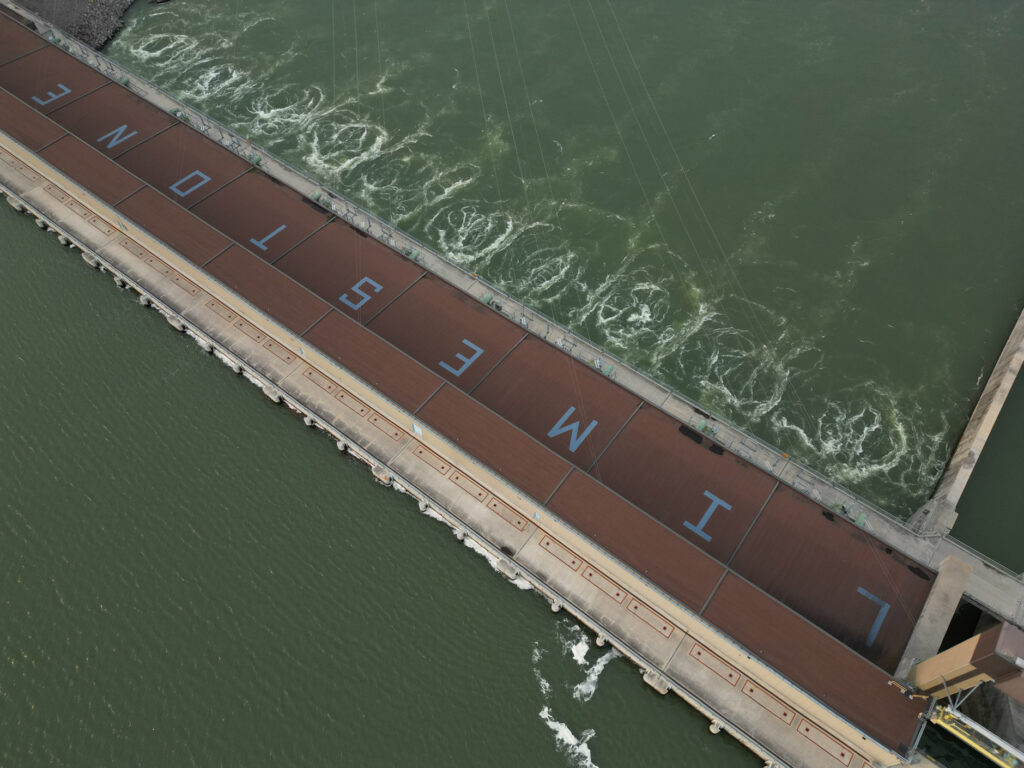
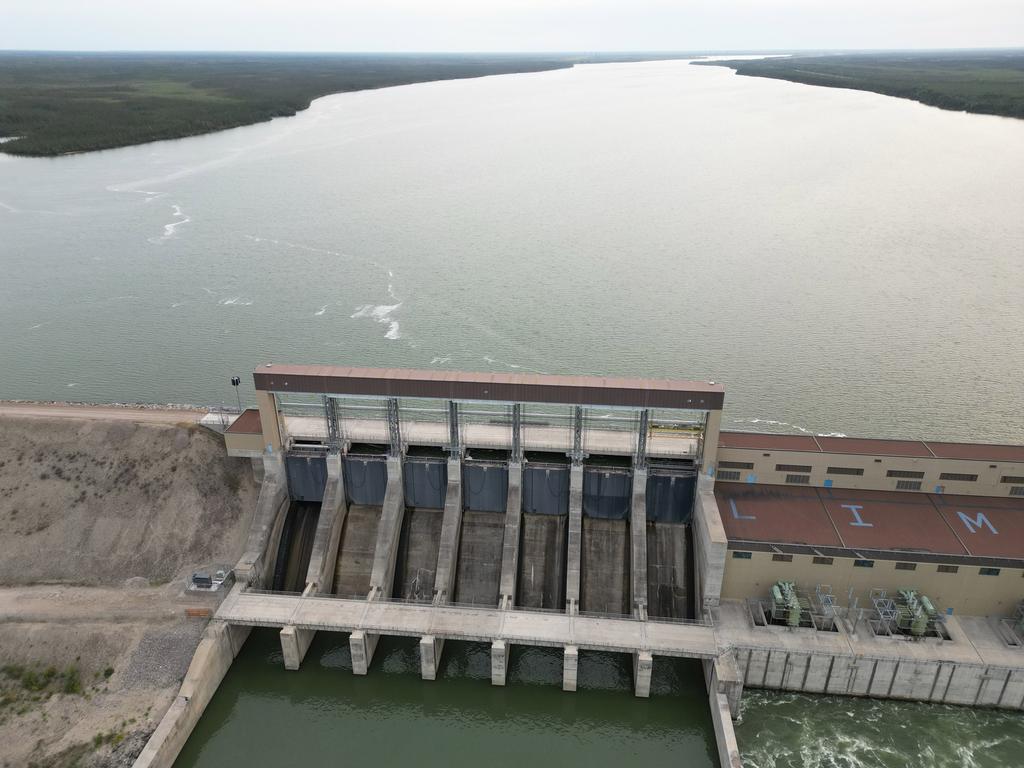
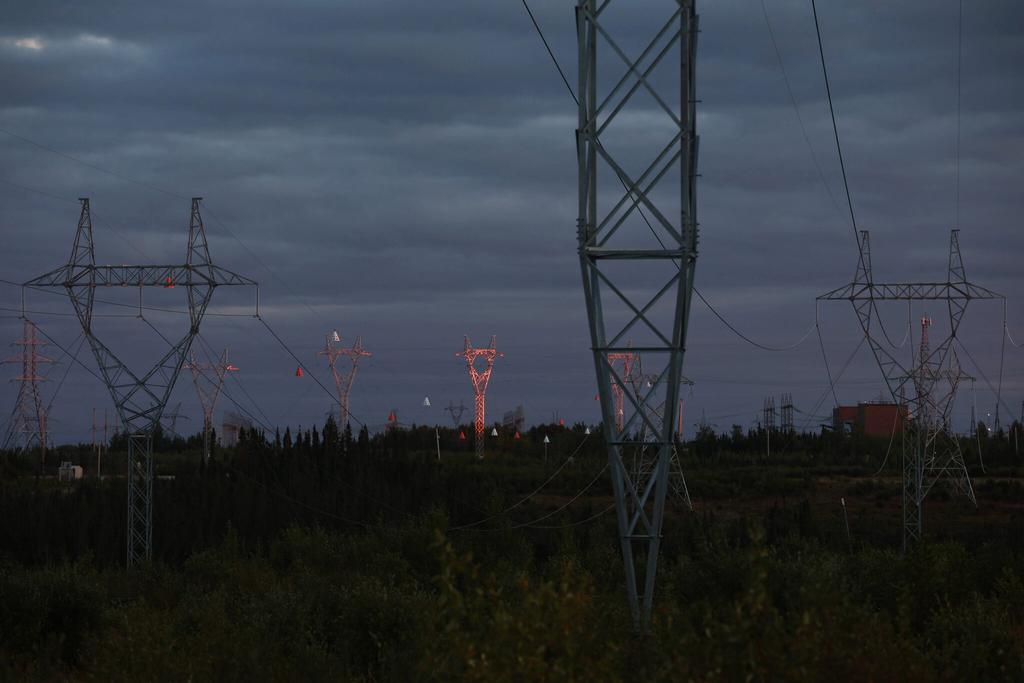
More than 70 per cent of the province’s electric power travels on a high-voltage highway that links a series of northern Manitoba Hydro dams, like the Long Spruce Generating Station seen here, to cities in the south.


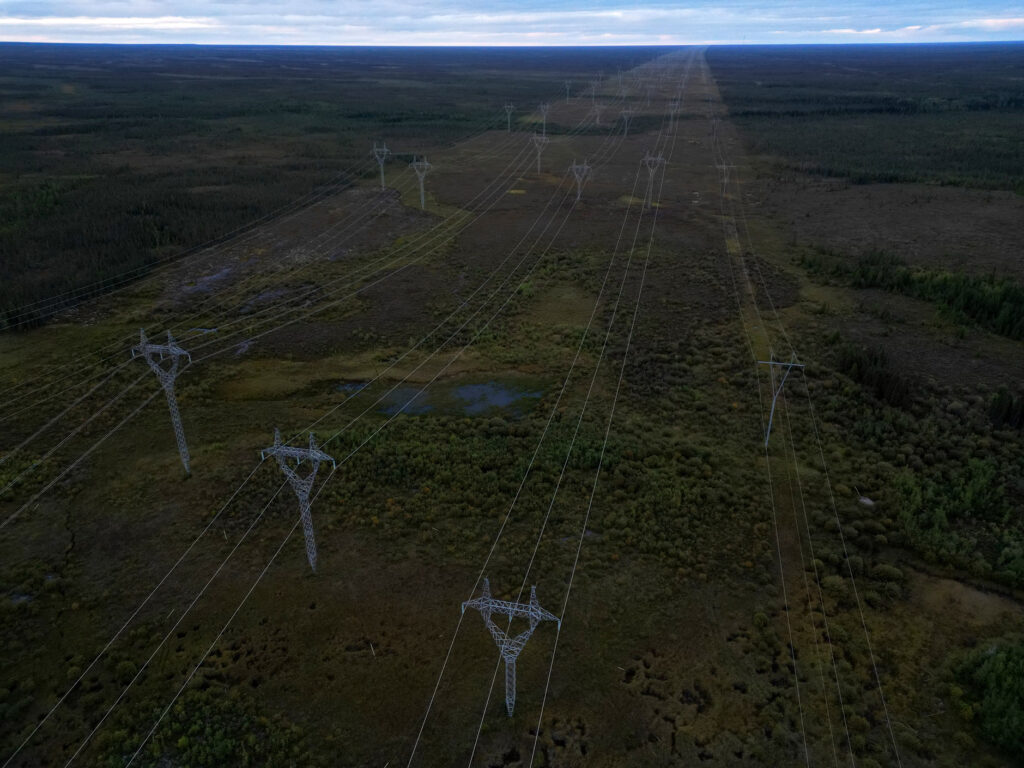
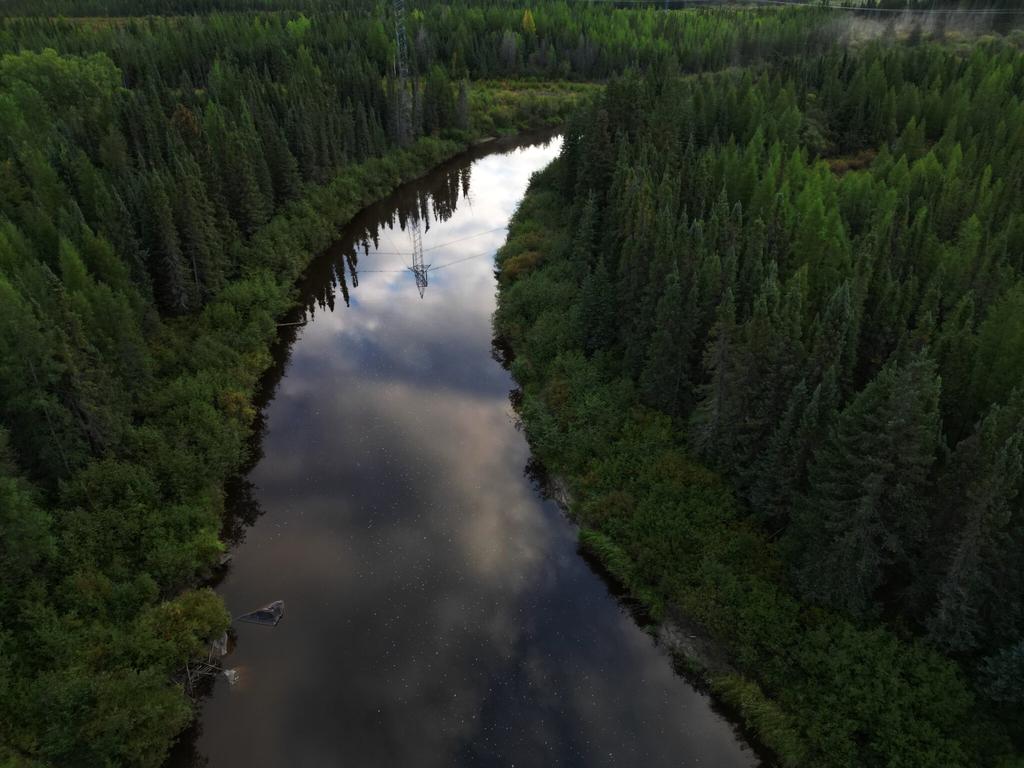
It’s described as an untouched wilderness — Travel Manitoba calls it “mostly still wild” — but flying toward the northern Manitoba industry town of Gillam, there’s a crack in the mirage: an unnatural, linear scar across the snaking rivers and undulating woods.


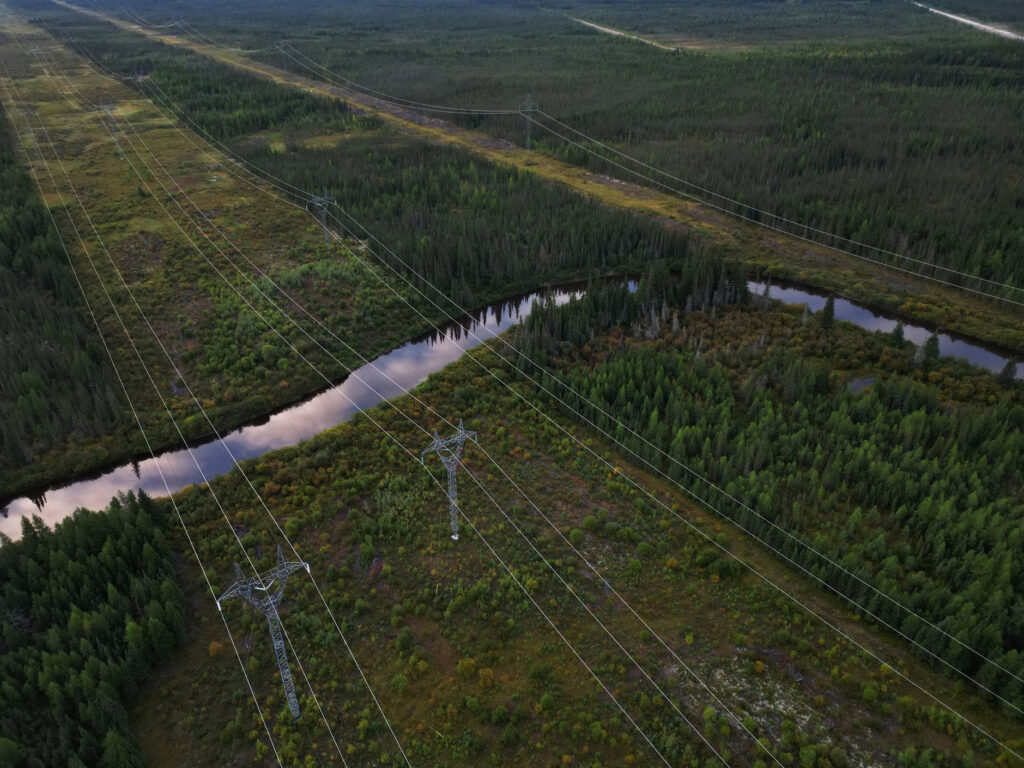
More than 70 per cent of the province’s electric power travels on the Manitoba Hydro Bipole transmission lines, a high-voltage highway that links a series of northern dams to urban neighbourhoods across the south.

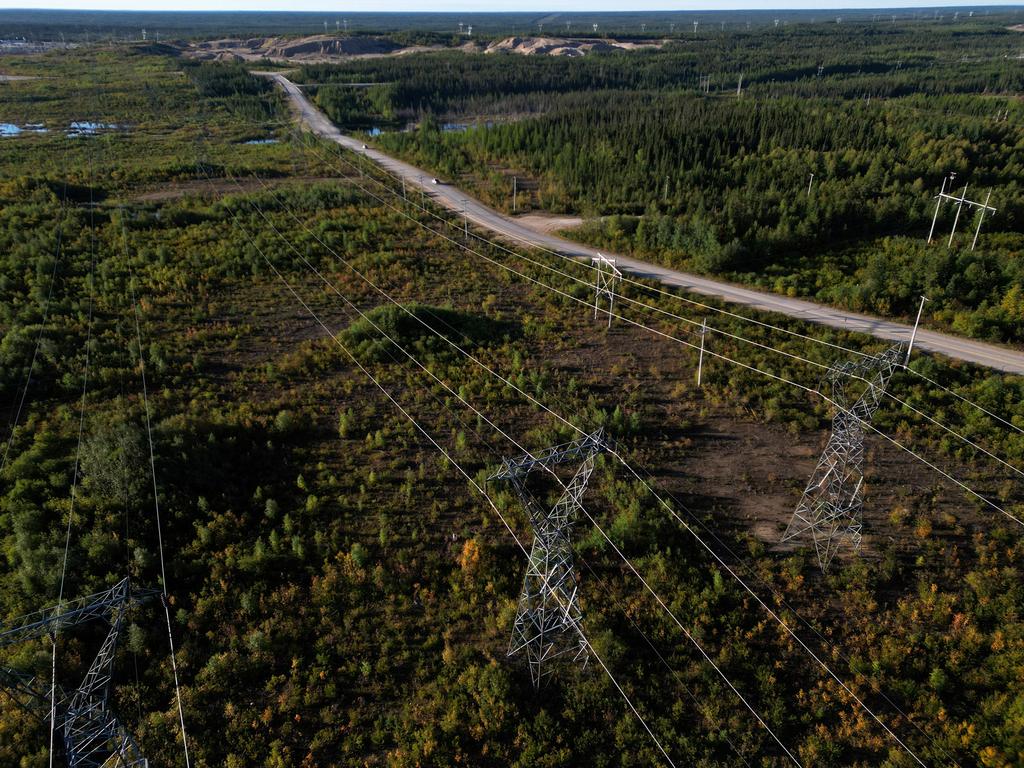
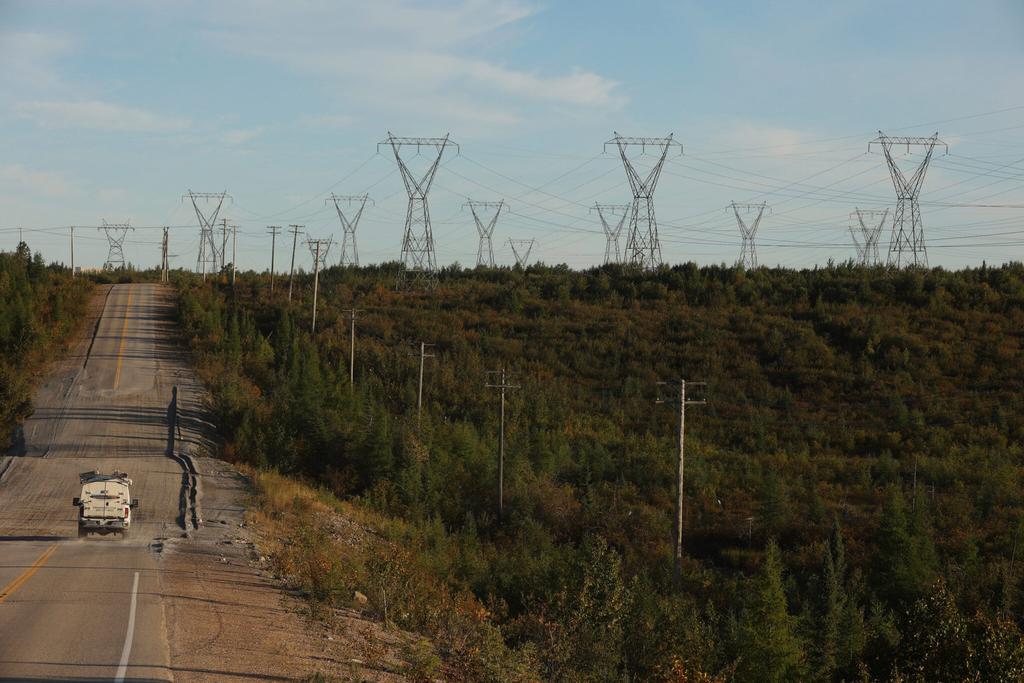
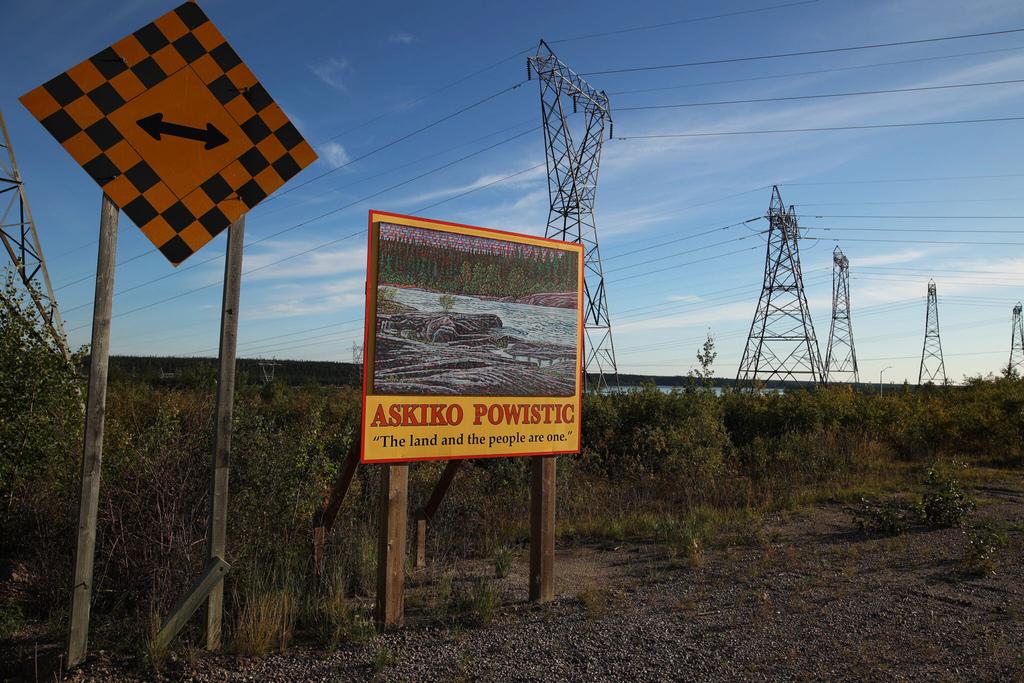
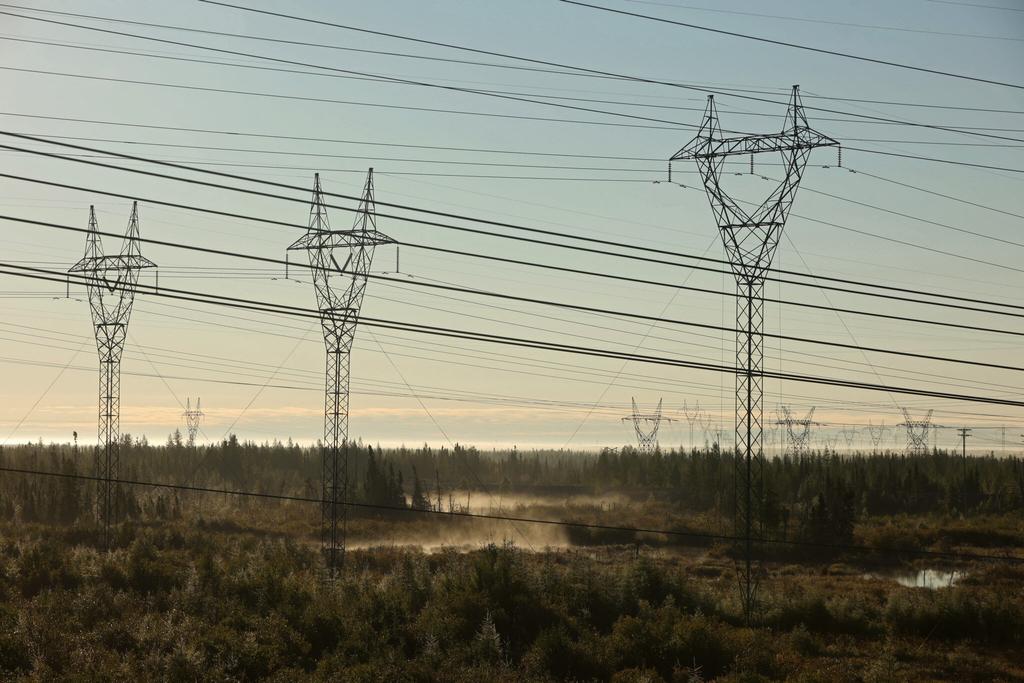
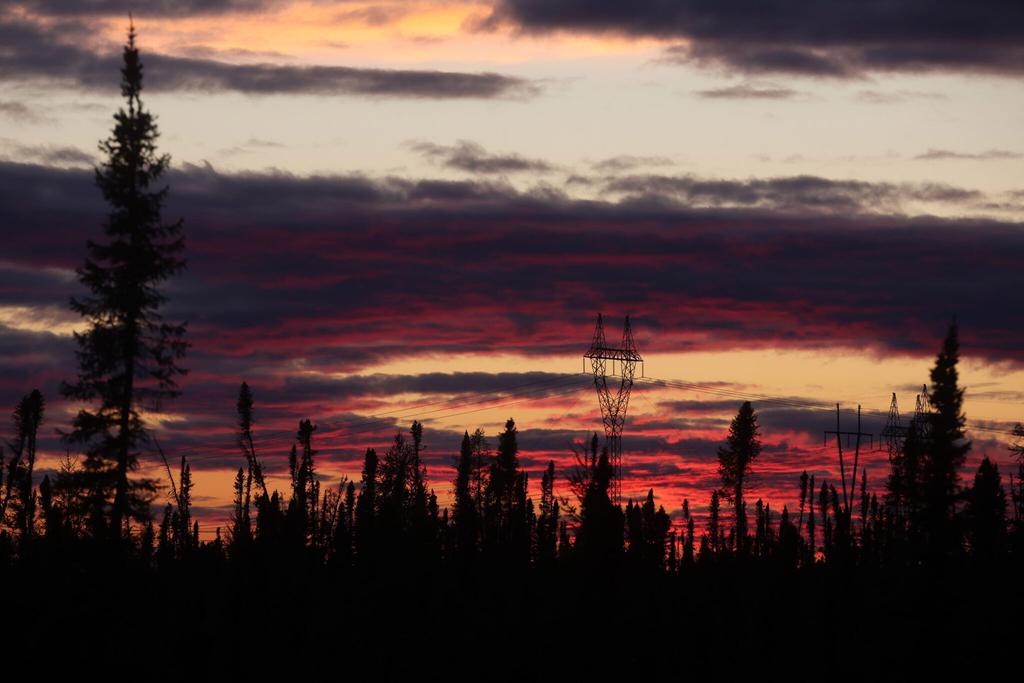
From the ground, its presence is all the more imposing. While powerlines can feel at home in urban centres, where they’re strung along tree-sized posts next to busy roads or through back alleys, in the midst of the boreal forest, power infrastructure is more looming than familiar.


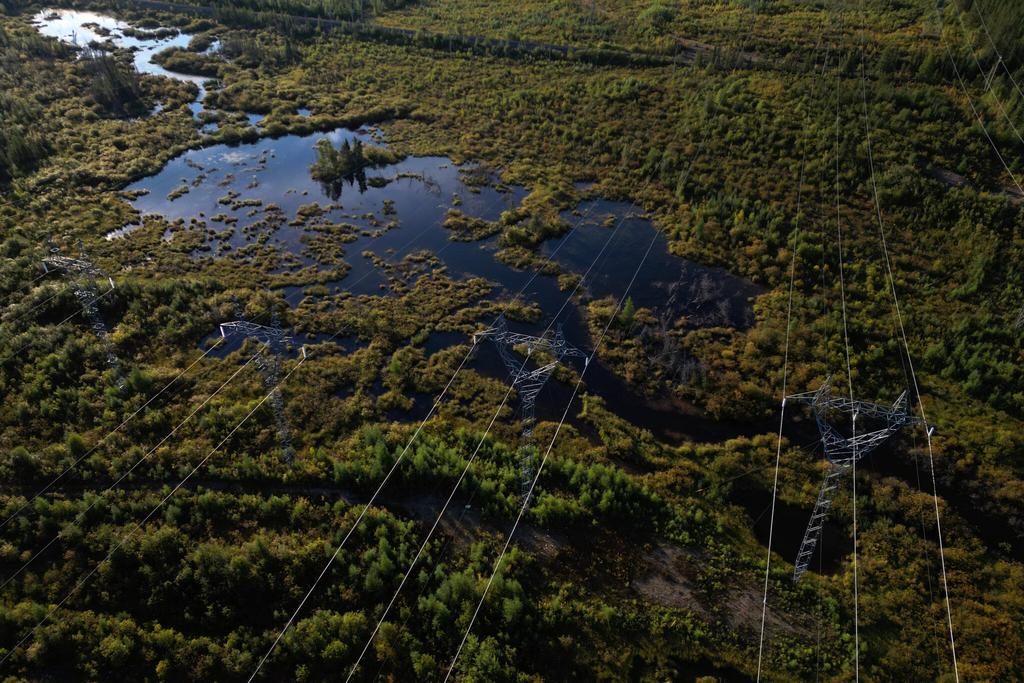
Steel transmission towers stand some 40 metres — taller than two city buses stacked end to end — in a clearing as wide as 50 highway lanes. The towers dominate the skyline, connected by a dizzying web of power cables that dangle above the wild tangle of wetlands and woods.

Hydroelectric generation — the source of more than 95 per cent of Manitoba’s power — is celebrated as low-emission and low-impact energy. While its emissions profile is comparatively low, in northern Manitoba, its impacts on the landscape and the people who live here are impossible to ignore.


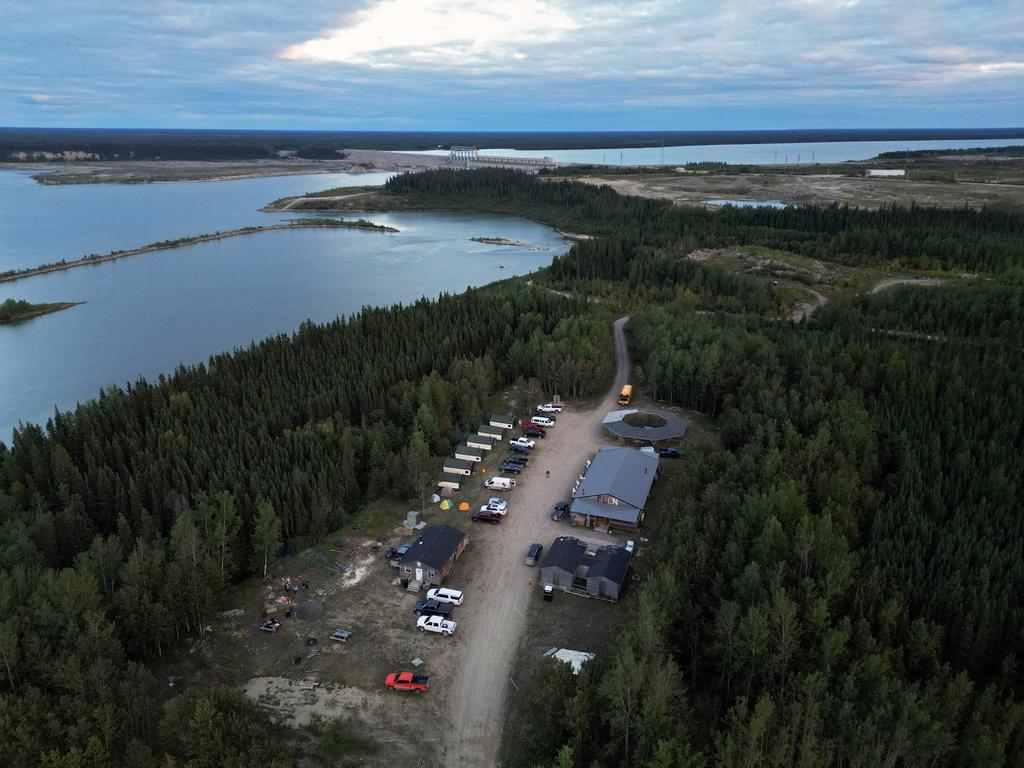
The Narwhal and Free Press visited the area around Gillam in September to attend the launch of a protected area proposal by the York Factory, Fox Lake, Tataskweyak, War Lake and Shamattawa First Nations. All five communities have felt the impacts of Manitoba Hydro’s developments on the land, the people and the rivers.


Daily trips to Fox Lake’s culture camp on the banks of the Nelson River offered an up-close look at the heart of Manitoba’s power supply.

Provincial Road 280, the half-gravel, half-paved highway that connects a string of northern towns, crosses the river on the Long Spruce Generating Station.


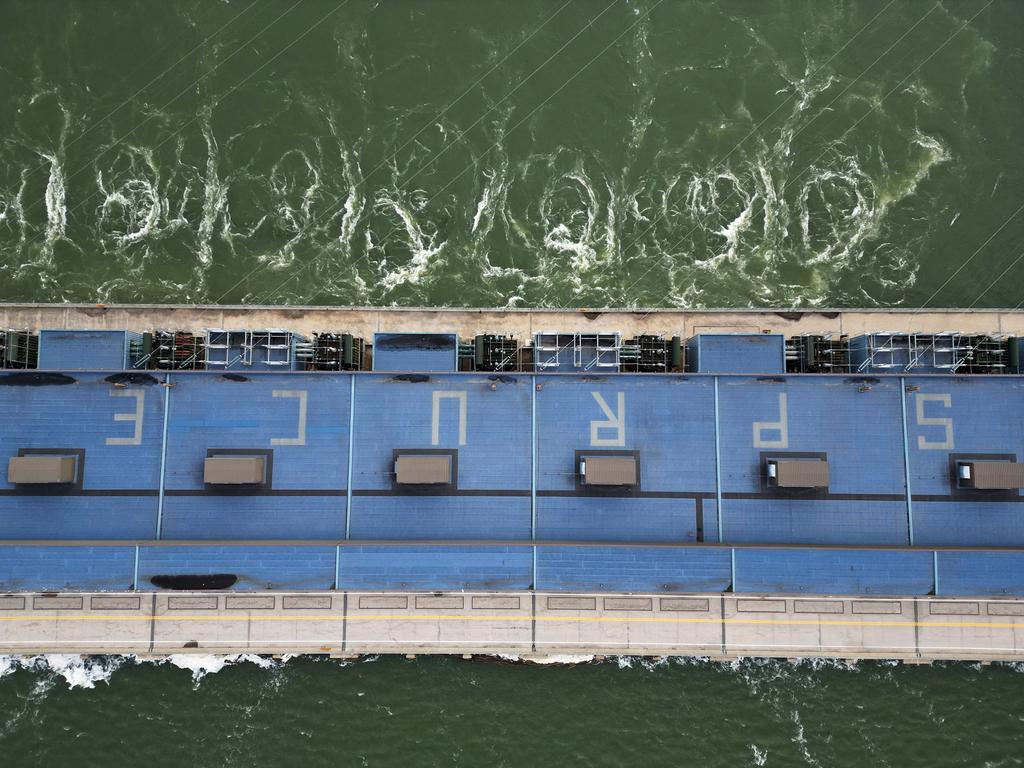
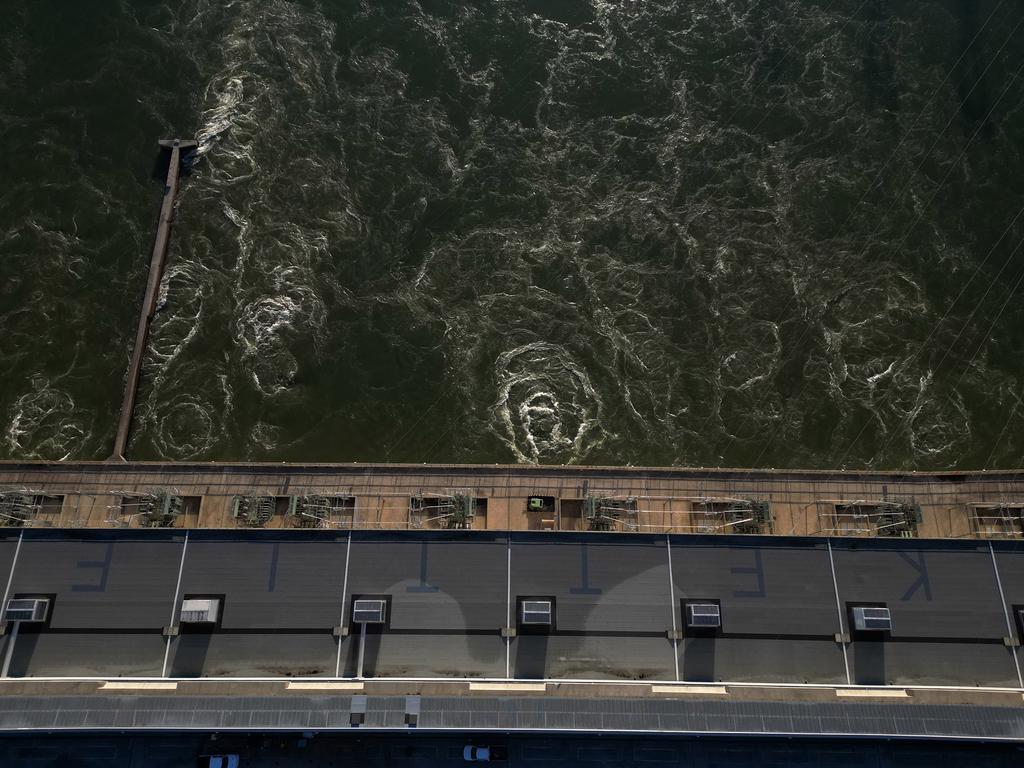
To one side, the placid forebay waters lap at the edge of the roadway. On the other, past the long concrete powerhouse and towering spillway gates, the ground drops away. Down a 26-metre slope, the river reappears in a row of churning whirlpools, byproducts of the largely hidden mechanics that turn the river’s flow into electricity.

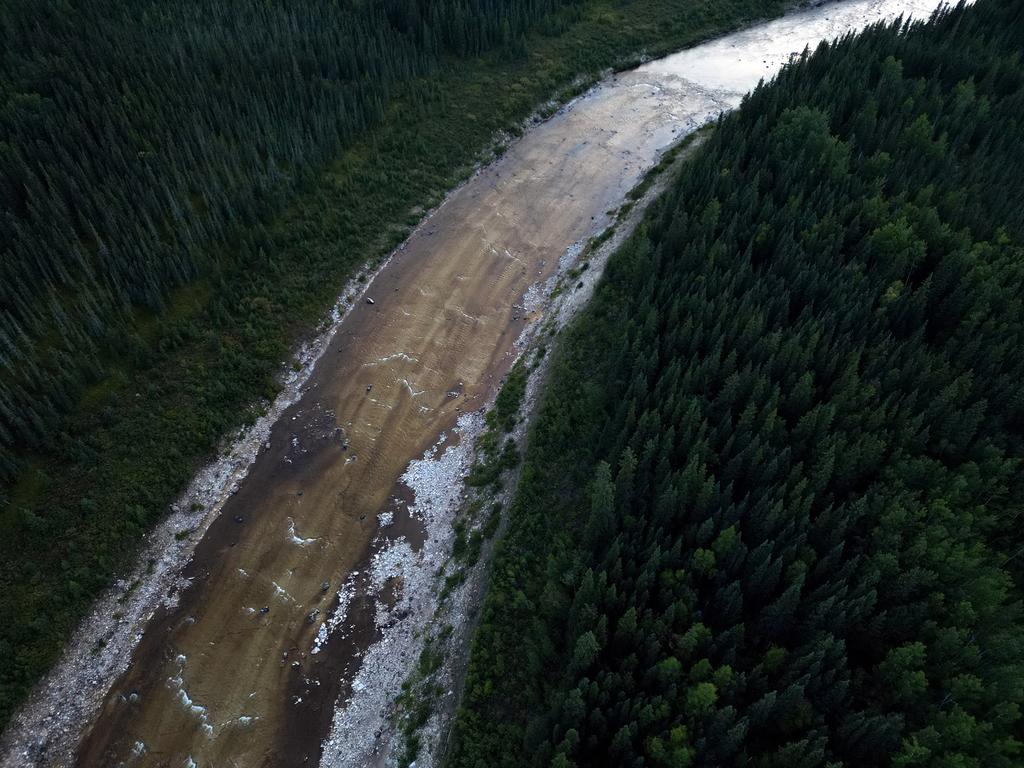
Through a series of lakes, rapids and falls, the Nelson River, called Kischi Seepee in Cree, descends more than 200 metres on its nearly 650-kilometre path from Playgreen Lake, near Lake Winnipeg, to Hudson Bay.


For generations, its waters served as a vital transportation link for northern Cree (or Inninew) communities, who paddled between home settlements, hunting and trapping grounds across the northern coast. Its abundance of fish served as a source of both sustenance and economic opportunity. Its clear, pea-green current served as a constant source of drinking water.

But Manitoba’s power planners had been eyeing the Nelson as a source of power since the early 20th century. The elevation changes — that once gave the river a reputation for challenging navigation — appealed to engineers who estimated the power of its roaring rapids could be worth more than $1 million per day if electricity cost just one cent per kilowatt-hour.


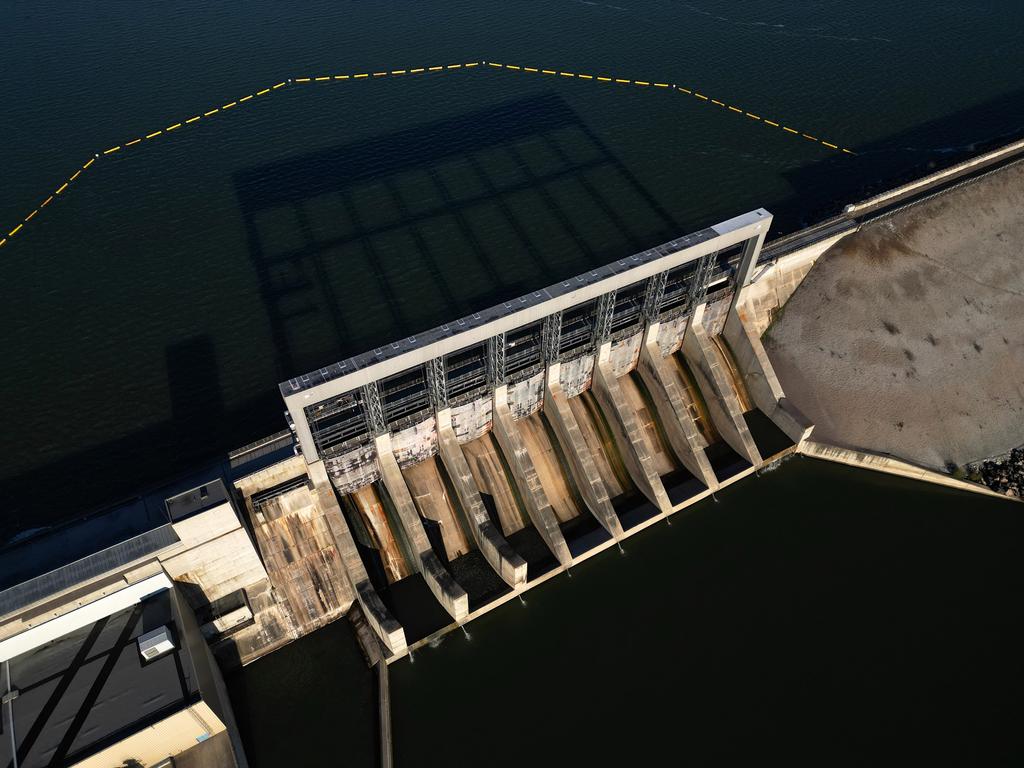
Many of Manitoba’s dams are considered “run of river,” meaning they rely on natural flow rates to generate power. The mechanism is fairly simple: water in the forebay (upstream of the dam) flows into the powerhouse through intake gates, which funnel the water down a steep drop into a row of scroll cases — spiral-shaped rooms — that each house a massive turbine.


The shape of the scroll case forces the water into a swirling movement that spins the turbine, which in turn spins a large electromagnet to generate a current. The water bubbles back out to the river and continues downstream, while the current is sent along a network of transmission lines. Fish — including the iconic lake sturgeon — are unable to swim upstream past the dams, meaning they can’t travel the length of the river.


Manitoba built its first hydroelectric dam on the Little Saskatchewan river near Brandon in 1900. By 1955, it had tapped all the available hydroelectric power on the Winnipeg River with six dams. Another was built at Grand Rapids on the more northerly Saskatchewan River in the late 1960s.

But the Nelson was, as described in a 1990 Winnipeg Free Press article, “a modern El Dorado — the last great hydroelectric resource on the continent.” Hydro estimated its hydroelectric potential was about 14 times greater than that of the Winnipeg River.


Not only could its naturally powerful flow generate enough electricity to meet rapidly growing demand in southern Manitoba, it was sure to provide enough surplus to make Manitoba Hydro a major player in the North American energy export market.

“ln a world belatedly becoming aware that fuels such as oil, coal and natural gas will one day be completely gone, the value of water power is appreciated more and more,” the utility wrote in a 1975 informational pamphlet.

“When the last ounce of mineral wealth is wrested from the ground, our water resources will be intact and worth more than ever.”


One dam — Kelsey — had already been built on the Nelson, just upstream of Split Lake, to power a nickel mining operation and burgeoning company town in Thompson.

Any further development on the Nelson had been stalled by one major obstacle: it was too complicated and costly to transport power over hundreds of kilometres of rugged terrain to reach the population hubs in the south.


Steel transmission towers stand some 40 metres — taller than two city buses stacked end to end — in a clearing as wide as 50 highway lanes.

In the 1960s, Manitoba Hydro, then a newly created Crown utility, developed new transmission technologies that would make it feasible to dam “the mighty Nelson.”

Each dam brought permanent overland flooding that destroyed hunting, trapping and fishing grounds for the First Nations along the Nelson’s shores, and altered river ecosystems.


“That water that you see held back behind the Hydro dams, that’s not the liquid that we drink, that’s fuel for their generators,” Robert Spence, an environmental monitor and former councillor from Tataskweyak Cree Nation, says in an interview.

“The rivers are no longer the rivers that we once knew them as — they’re extension cords.”


To control water levels on the Nelson River, especially in the fall and winter when natural flows are lowest and Manitoba’s power demand is at its peak, the utility built dams and diversion channels where the river flows out of Lake Winnipeg, turning the lake into a massive reservoir for its power stations.

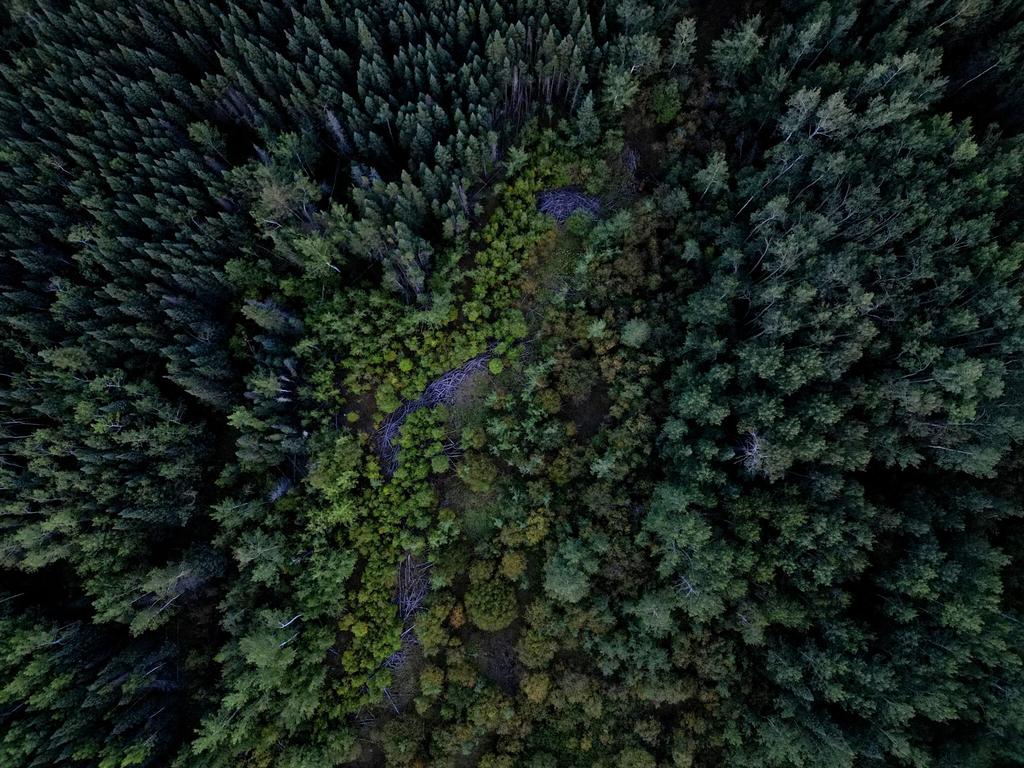
Along with the dams, Manitoba Hydro built two parallel powerlines capable of carrying high-voltage power. These Bipole lines transect approximately 900 kilometres of boreal forest and interlake wetlands from conversion stations near Gillam to another just north of Winnipeg. In all, Manitoba Hydro cleared an area about a quarter of the size of Winnipeg for the Bipole lines.


Hydro saw potential to generate more power — and more export revenues — by re-drawing the natural pathways the water had carved through the northern bedrock over many millennia.

In the early 1970s, the Crown utility opted to exploit the hydroelectric potential of the Churchill River, which runs parallel to the Nelson, by holding back its flow in Southern Indian Lake and blasting a new channel from the lake into the Nelson river system.

The impacts were monumental.

Though it increased generating capacity on the Nelson by 40 per cent, raising the level of Southern Indian Lake created significant flooding, O-Pipon-Na-Piwin Cree Nation was forced to relocate from their home along the lakeshore, and still navigates unpredictable water levels as a result of the diversion to this day.


Tataskweyak Cree Nation, on the shores of Split Lake, suffered the decimation of their water quality as silt and mercury levels increased. Tataskweyak has operated under a boil water advisory since 2017.

The diversion destroyed commercial fisheries, decimated the once-abundant Churchill River sturgeon population, changed animal migration patterns and hamstrung local Cree economies and cultural practices. Sturgeon numbers — a critical food and economic resource — plummeted. Spence says there is just one sturgeon population left on the lower Churchill River.

“They killed off whole populations. It affected all the fish, it affected how animals moved through the area,” he says.


In the 1975 information booklet, Manitoba Hydro predicted the diversion would change fish and animal habitat and force some homes and businesses to relocate, but calculated “that the net resource gain far outweighs all other considerations.”

“Certainly the greatest impact upon residents of the affected areas will be the end of their isolation,” Manitoba Hydro posited.

For its part, Manitoba Hydro says it is working toward addressing its legacy. “We acknowledge the impacts of our projects and operations, and have entered into a range of agreements with Indigenous communities and organizations to address those impacts,” Peter Chura, a spokesperson for Manitoba Hydro, said in an emailed statement. “We are continuing to work collaboratively to address adverse impacts and to strengthen and improve our relationship with Indigenous communities.”

Years after the Churchill diversion, the province and the Crown utility recognized the devastating impacts of the project on First Nations and signed an agreement to compensate communities for the damage. Actual implementation of the agreement was 🞵🞵🞵🞵 🞵🞵 in courts for several decades; First Nations would not see any compensation until the 1990s. The settlements would total more than $400 million by 2000.

Development on the Nelson carried on.

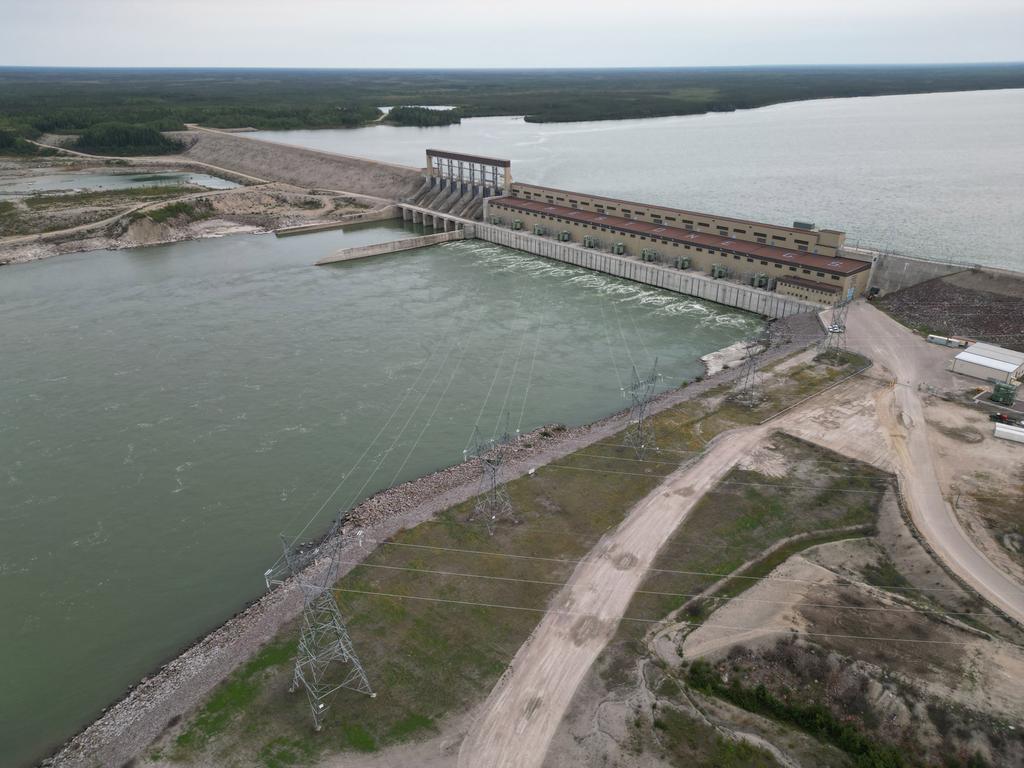
Manitoba Hydro struck an export deal with a U.S. power company in the 1980s, allowing for the development of the Limestone dam — Manitoba’s largest generating station.


The Limestone dam is Manitoba’s largest generating station.


In the years since, the utility has ramped up its export contracts to the United States, Ontario and Saskatchewan. The latest hydroelectric generating station in the province, Keeyask, was built on Stephen’s Lake in the Nelson River system between 2014 and 2022 to fuel further power exports.


Power sales made up a quarter of Manitoba Hydro’s electricity revenue over the last 10 years, totalling nearly $6 billion.

But the looming electrification of heating and transportation is expected to increase local demand on the Manitoba Hydro grid, according to the utility’s 2023 Integrated Resource Plan, and in turn prompt a drop in extraprovincial power sales.

“Manitoba Hydro’s energy and capacity resources are limited. We already anticipate not renewing some of our current contracts for exports of electricity as that surplus energy will be increasingly required to meet your needs here in Manitoba,” then president and CEO Jay Grewal wrote in the introduction to the report.


Regardless of the need for more power, there are no immediate plans to build another dam.

In the meantime, the string of dams along the Nelson River have already left their mark on the land, water, wildlife and the people who live along its banks.


“All those dams have had a major impact,” Spence says. “Not just environmental, but social impacts as well. We’re still reeling from the effects of those dams.”
The Narwhal
__________________
Winnipeg Act II - April 2024

Winnipeg Developments

In The Future Every Building Will Be World-Famous For Fifteen Minutes.
Reply With Quote
     
     
  #5590  
Old Posted Nov 17, 2025, 5:06 PM
neutroniks neutroniks is offline
Registered User
 
Join Date: Nov 2022
Posts: 1,105
The AI data centres could be very exciting. If it happens, just pls don't call it SkyNet :'( LOL
Reply With Quote
     
     
  #5591  
Old Posted Nov 17, 2025, 6:02 PM
trueviking's Avatar
trueviking trueviking is online now
surely you agree with me
 
Join Date: Sep 2004
Location: winnipeg
Posts: 15,069
^ are they?....are they not just a handful of low paying jobs that 🞵🞵🞵🞵 cheap energy?
Reply With Quote
     
     
  #5592  
Old Posted Nov 17, 2025, 6:56 PM
Biff's Avatar
Biff Biff is offline
What could go wrong?
 
Join Date: Jun 2004
Location: Winnipeg
Posts: 9,930
I have toured through the one on Waverley. Small, but pretty impressive systems. Only a couple of people work in the building.

I think the boom to the economy is in the construction of these large billion dollar centres and the energy sales to Hydro. As for helping with jobs once running, not so much.
__________________
"But a city can be smothered by too much reverence for its past. The skyline must keep acquiring new peaks, because the day we consider it complete and untouchable is the day the city begins to die." - Justin Davidson - May 2010 Issue of New York
Reply With Quote
     
     
  #5593  
Old Posted Nov 17, 2025, 7:16 PM
Winnipegger Winnipegger is offline
Registered User
 
Join Date: May 2007
Location: Winnipeg
Posts: 837
Yeah I'm generally of the opinion they aren't going to cause an economic boom that politicians and techbros like to hype up. Sure, CAPEX to build the structure will largely flow into local construction labour and materials, but aside from maybe some specific electrical/cooling/HVAC systems, it's basically equivalent to a high tech warehouse.

From there, the actual hardware/software is procured aboard. Chips and GPUs all manufactured in Taiwan, software developed and run remotely from Silicon Valley or Seattle. Procuring those assets doesn't do anything for Manitoban workers or businesses.

Then the question becomes whether or not it's a good use of our (currently limited) electricity capacity. If Hydro has an abundance of electricity to sell and we don't have any other major projects in the pipe, then sure, sell the excess electricity to make additional profits (assuming we make more selling to a domestic consumer than exporting to the US).

BUT if Hydro has limited capacity both now and in the future, quick google search (using AI ironically) says a typical AI data center uses about as much electricity as 100,000 residential homes.

Winnipeg, and Manitoba, seems to have a running theme of never really having much excess capacity to accommodate growth, and always doing the bare minimum. Whether it's wastewater treatment capacity, roads and highways, transit service, or even electricity supply, it seems like we only invest when we have to, and it's only to accommodate like 10 years of "typical" growth (aka nothing out of left field that wouldn't have been forseen, such as rapid rise in demand for LLM AI data centers), so everything seems near or over capacity all the time. AI data centers seem to be a huge trade off: allow some initial CAPEX with minimal operating costs/revenues afterwards at the cost of consuming a huge amount of electricity, which could otherwise be allocated to future population and industrial growth. Not worth it to me I don't think.

Goes to show that we as a Province are never really in a position to take advantage of global trends. We do the bare minimum to invest in our infrastructure, and then get surprised when we don't have the capacity to absorb things like data centers or industrial facilities - all in an attempt to keep taxes and utility rates low.
Reply With Quote
     
     
  #5594  
Old Posted Nov 17, 2025, 8:39 PM
borkborkbork's Avatar
borkborkbork borkborkbork is offline
Registered User
 
Join Date: Jul 2014
Posts: 1,749
Quote:
Originally Posted by Winnipegger View Post
BUT if Hydro has limited capacity both now and in the future, quick google search (using AI ironically) says a typical AI data center uses about as much electricity as 100,000 residential homes.
Yknow, I think I'm okay with us not being ready for this "opportunity" to flood boreal forests, disrupt local ecosystems and damage lake quality in order to build thinly-staffed centres to house the plagiarism machine.

There are always trade offs to energy but that sounds like a lot of pain for very little long-term gain
Reply With Quote
     
     
  #5595  
Old Posted Nov 19, 2025, 1:36 PM
1ajs's Avatar
1ajs 1ajs is offline
ʇɥƃıuʞ -*ʞpʇ*-
 
Join Date: Jul 2005
Location: lynn lake
Posts: 26,524
Reply With Quote
     
     
  #5596  
Old Posted Nov 19, 2025, 3:46 PM
pspeid's Avatar
pspeid pspeid is offline
Registered User
 
Join Date: Aug 2018
Posts: 2,643
^^ I wonder if they want my old Commodore 64 (which, by the way, I still "adore")?
__________________
"Opinion is really the lowest form of intelligence"-Bill Bullard

"Naysayers are always predicting the present"-Anon.

"Rudeness is the weak man's imitation of strength"-Eric Hoffer
Reply With Quote
     
     
  #5597  
Old Posted Nov 19, 2025, 6:49 PM
cllew cllew is online now
Registered User
 
Join Date: Feb 2012
Posts: 4,841
Quote:
Originally Posted by Biff View Post
I have toured through the one on Waverley. Small, but pretty impressive systems. Only a couple of people work in the building.

I think the boom to the economy is in the construction of these large billion dollar centres and the energy sales to Hydro. As for helping with jobs once running, not so much.
That data center was built by MTS's Epic Information Solutions division in 2015 and then sold in 2020 when Bell divested 25 data center facilities across 13 sites in 8 cities across Canada.

Now in 2025 Bell is looking at getting back into data centers to run AI starting with 6 in BC and then eventually opening more in existing Bell Canada locations across Canada.
Reply With Quote
     
     
  #5598  
Old Posted Nov 19, 2025, 8:11 PM
FactaNV FactaNV is offline
Registered User
 
Join Date: Sep 2023
Posts: 2,378
Arrests made in the arson spree. Livestream of the presser here. Starts at 1415.

https://www.cbc.ca/news/canada/manitoba/winnipeg-police-arson-arrest-announcement-9.6984838
Reply With Quote
     
     
  #5599  
Old Posted Nov 19, 2025, 8:28 PM
FactaNV FactaNV is offline
Registered User
 
Join Date: Sep 2023
Posts: 2,378
One charged, 22 charges. Mostly arson. Looks like they may have gotten the restaurant firebomber.
Reply With Quote
     
     
  #5600  
Old Posted Nov 19, 2025, 8:52 PM
neutroniks neutroniks is offline
Registered User
 
Join Date: Nov 2022
Posts: 1,105
Thida Thai and Mae Sunee not mentioned in the charges. Interesting.

Edit: Nevermind, read the original stories on the thai restaurants. Those were connected to extortion cases.

Last edited by neutroniks; Nov 19, 2025 at 9:13 PM.
Reply With Quote
     
     
This discussion thread continues

Use the page links to the lower-right to go to the next page for additional posts
 
 
Reply

Go Back   SkyscraperPage Forum > Regional Sections > Canada > Manitoba & Saskatchewan
Forum Jump


Forum Jump


All times are GMT. The time now is 1:57 AM.


Powered by vBulletin® Version 3.8.7
Copyright ©2000 - 2026, vBulletin Solutions, Inc.