 Kelowna May 2025-8
 by
Andrew Rochfort, on Flickr
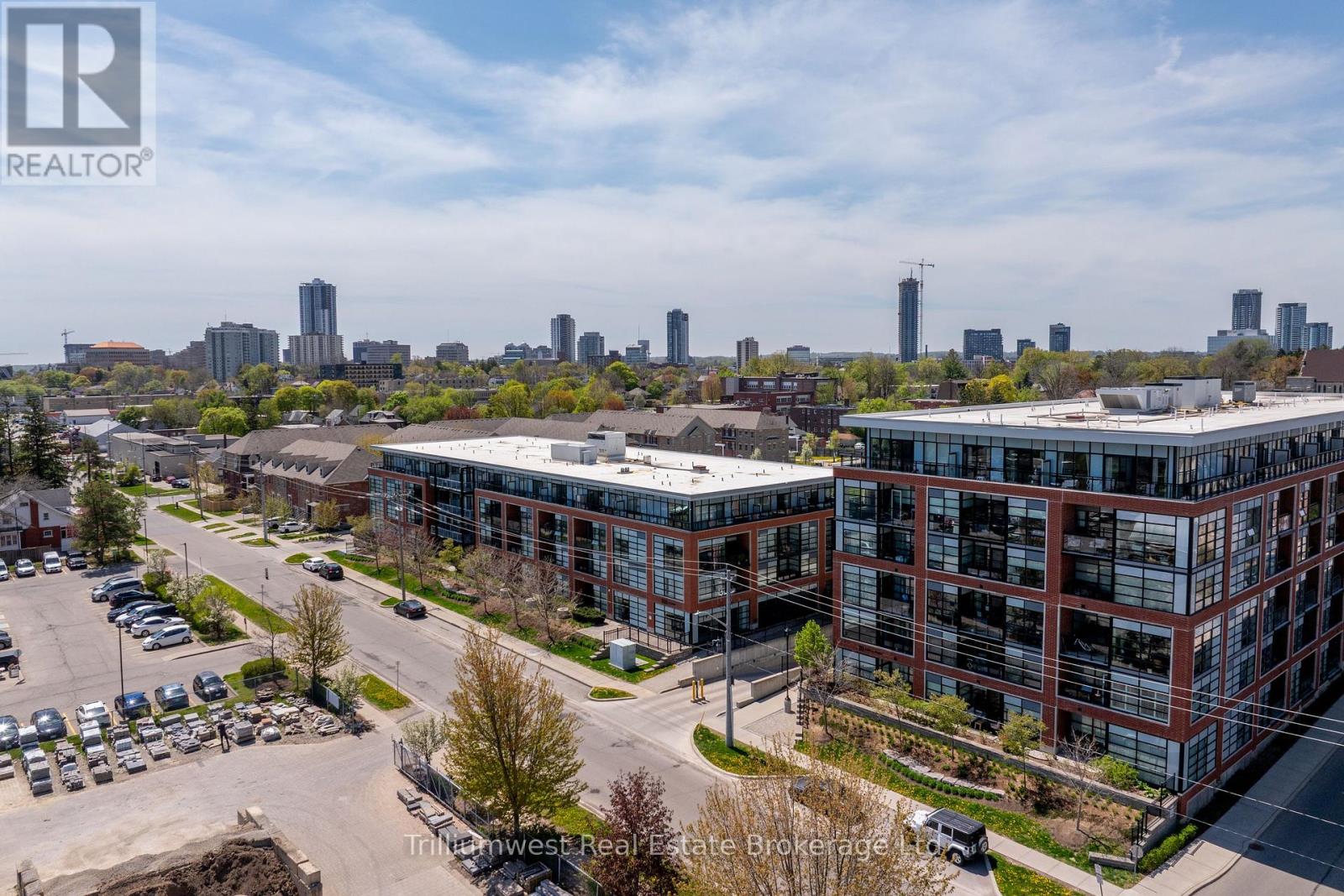
/\ I really like those recessed balcony mid-rise buildings in the foreground. Would like to see a lot more of those in Kelowna - to me they fit in perfectly with a more relaxed/resort vibe and a nice counterbalance to the more traditional Vancouver style highrises we're seeing there. Funny, Toronto has emerged as the leader is this style of building.
Thanks Vanman - happy to deliver fresh Vic pics!
Yes, a think a lot of people are surprised by the density and expanse of downtown Victoria and even how that density is significant and spreading from the core. There are benefits to mid-rise as much fun as skyscrapers can be

As for the Pearl, the street facing side is an unassuming 4 storeys but it rises to 8 as it slopes to the water.

The Janion and nearly completed Pearl building - October 15, 2023. by
JohnnyJayEh, on Flickr
Interesting times ahead for construction in Victoria capital region however, as it was recently reclassified by a new federal seismic study to have unstable soil requiring even more stringent and expensive construction standards. This appears to apply mainly to Victoria and perhaps parts of the Fraser Valley.
Victoria is also riddled with faults directly underneath our feet, nevermind the big one of the coast of the island.
"Adam Cooper, is a board member with BC Urban Development Institute board member, and director of community planning and development with Abstract Developments. He says the changes
add an additional 15 to 20 per cent price hike to build in the capital region. The new seismic regulations mean concrete buildings will need more concrete. For wood-framed buildings, it’s worse.
“We literally don’t have a solution in our typical wood frame that would resist those seismic forces,” said Cooper. "
Mass timber has been brought up by the housing minister as a potential solution for Victoria (and mentioned by Carney during the election).
“You need to get into 20 stories for the math and economics to make mass on mass timber,” said Cooper."
source
The new requirments went into effect March 10th for any new projects, so this could really put a damper on things for a while. What will be the impact - positives and negatives for sure. Could lead to a new wave of 20 + storey mass timber buildings or developers now insisting they need 30 + storeys to make their projects financially viable. Likely will mean less midrise construction.
This other report has some interesting tidbits:
cost impact:
Quote:
"The combined calculation was estimated at 21% more for six-storey wood-frame buildings and 16% for 20-storey concrete towers that are built on soil judged to be the most vulnerable to earthquakes in BC."
"“On a six-storey building, it’s $5 million of additional construction costs, which isn’t possible,” said Adam Cooper, Director of Community Planning and Development at Abstract Developments in Victoria."
As well, scientists published a paper in late 2023 about a new fault discovered in Victoria that has influenced the province’s building-code changes. The XEOLXELEK-Elk Lake fault runs 72 kilometres across the Saanich peninsula and has the potential to affect 400,000 people living in the Greater Victoria area. The 2020 update from Natural Resources Canada also recalibrated soil factors.
Soil amplification factors changed significantly between BCBC 2018 and 2024. As an example, forces for a building designed for some of the more difficult soil conditions in Victoria, soil class D, will see an increase of seismic force of approximately 180% from the BCBC 2018 to the 2024.
Dusty Delain from Amity Construction Inc. in Victoria said the requirements for thicker structural walls – shear walls in builder talk – will mean that small condo units will now be even smaller. And those thicker walls, already more expensive, will also require more nails, more bolts, more everything, all adding to the cost.
“To put all of this on deeply needed units is a punch in the gut.”
|
source





 Prev
Prev







 Linear Mode
