Quote:
Originally Posted by sentinel

But that's...where it's located, in a neighborhood of the city with a very large percentage of specifically Mexican-born immigrants 
Focusing on a single aspect of that vernacular architecture, the alley ways, when your initial argument was about the color scheme...I'm confused.
Being 'cultural or authentic' doesn't mean a design has to replicate exactly what it's drawing inspiration from...that's just copy >pasting. |
Even if a Mexican village was perfectly replicated on this site, it would not feel “Authentic”. Authenticity isn’t created by the built environment itself, but rather by the people who live in, interact with, and shape the area. A perfectly replicated Mexican village popped onto this site would not feel like a Mexican village, but feel rather more akin to a Disneyworld: a created environment, which may be richly decorated and immersive, yet lacks an actual substance. They could have spent millions to try to recreate alleys, colors, built form, all to make this development resemble a Mexican village, but money can not create authenticity.
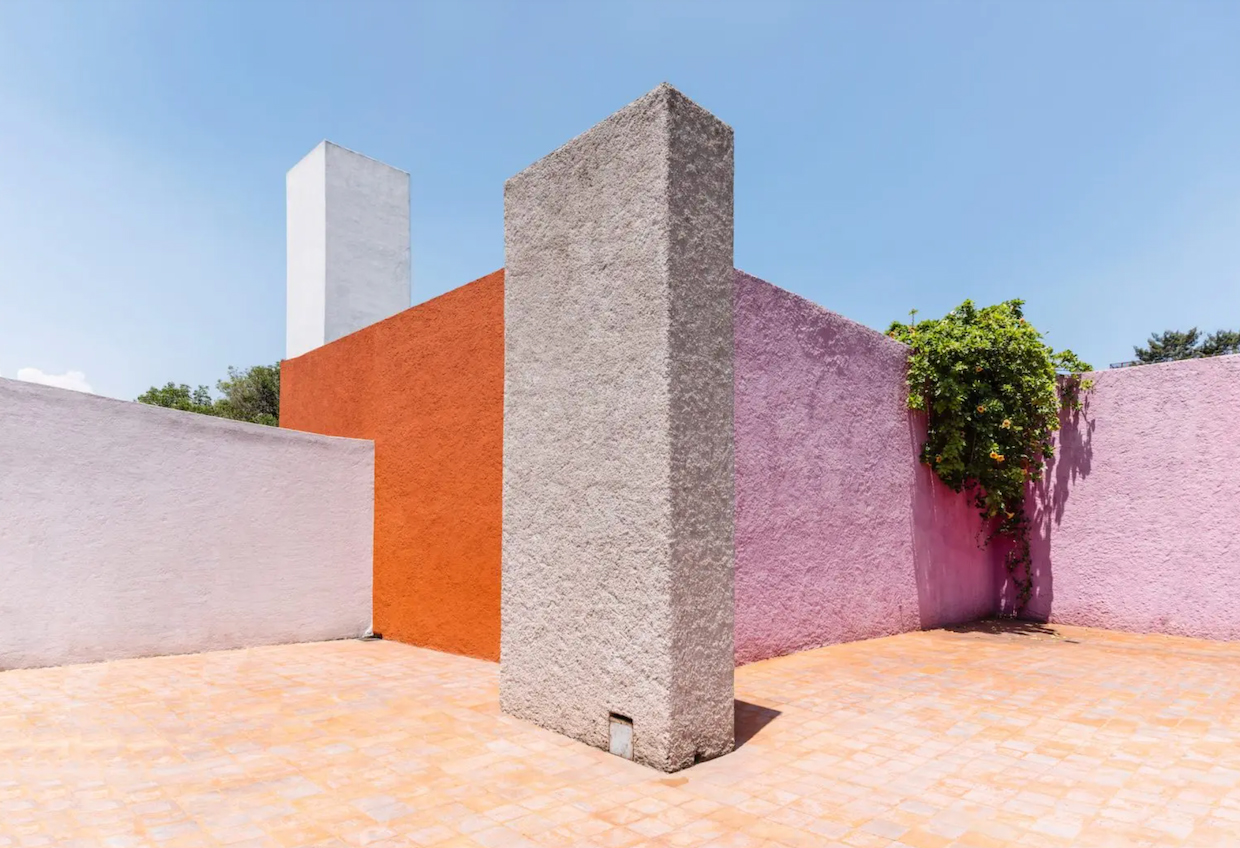
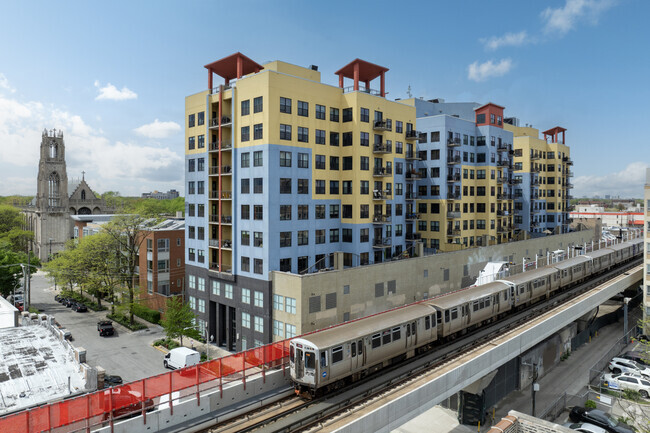
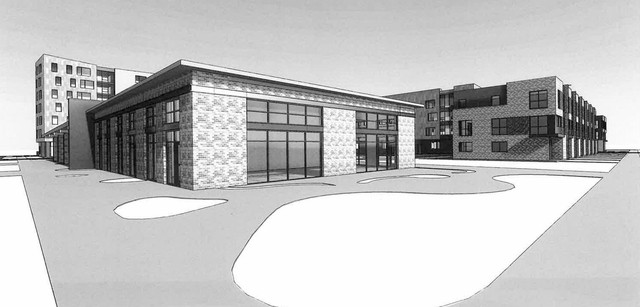
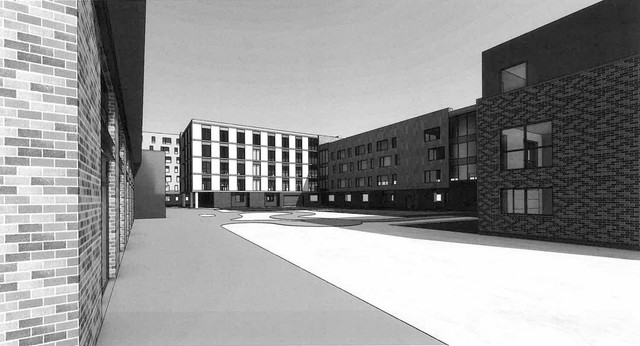
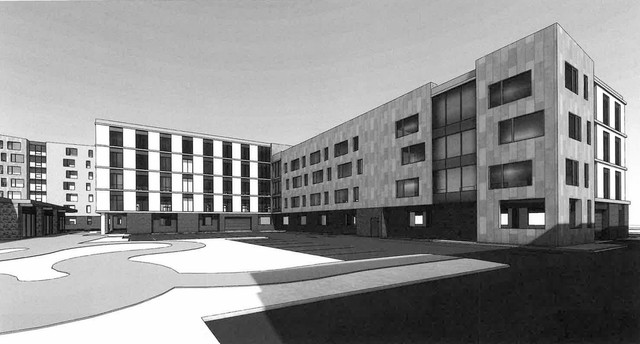
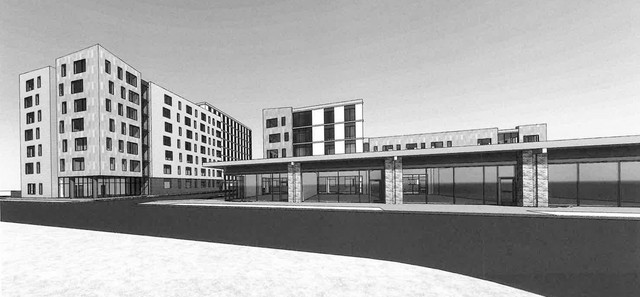
With this development, the building itself in its form is still rooted in Chicago, being a familiar form like we may see across the city, and this is not a bad thing. It’s simply how the economics and supply chain most efficiently can create a workable building. But by doing a simple modification, such as coloring the building, which does not substantially change the cost, they can create something which creates strong references to the cultural background of the neighborhood. No, as discussed before, this does not make it “authentic” but authenticity is not something that can be constructed, but rather develops over time by the community that resides in or interacts with the building. And this building, just like a building which may have costed double to more accurately recreate the built form of Mexico, will be able to house and serve the people who create the commmunity that can truly make a place become authentic.





 Prev
Prev
















 Linear Mode
