Quote:
Originally Posted by MonkeyRonin

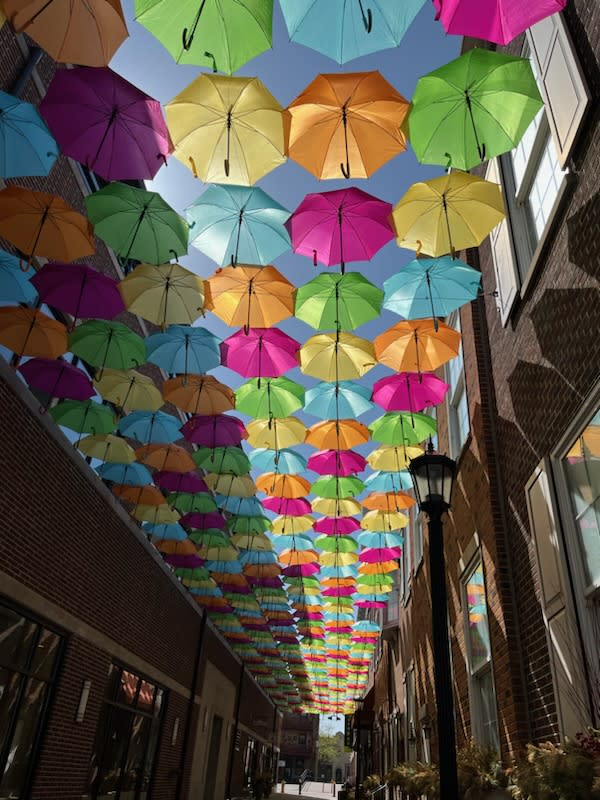
They're not so bad, but the umbrellas in particular have just kinda become one of those cliched, trendy things that gets copied everywhere now; like rainbow crosswalks and big signs that spell out the name of the city. They've done other hanging installations and lights and stuff here, which I do like.
|
Yes I've noticed that this comes up a lot with new things, particularly in the realm of design and aesthetics. When it's brand new, many people like it because they see it as original, creative, and striking. Then once it becomes more common, people tire of it and complain about it being cliched. But once it becomes extremely common place then the complaints stop and people simply accept it as a normal part of the world. Like using flowers as urban beautification for instance. You see flower baskets hanging from light poles or flower beds as part of countless landscaping displays, far more than any of the things typically referred to as cliche, yet people rarely complain. So it seems like it's always that middle period after things are no longer totally new but are still new enough that people notice them that there are complaints.
And it isn't necessarily wrong because novelty, innovation and variety seem to be things that people crave. But at the same time, novelty is so fleeting. You can only do something a few times in a few places before it becomes unoriginal and people start calling it cliche. So I've started trying to also evaluate things strictly on their formal properties and relation to their immediate surroundings rather than the wider cultural context including how prevalent it is. I see no reason why some of these new things can't have value beyond their novelty and be adopted into the long term, prevailing aesthetic repertoire. After all, things that are long term and timeless were all new and novel at one point so we need to ask ourselves what does or should give timeless appeal to an aesthetic element.





 Prev
Prev














 Linear Mode
