HomeDiagramsDatabaseMapsForum About
     

Go Back   SkyscraperPage Forum > Regional Sections > United States > Mountain West


Reply

 
Thread Tools Display Modes
     
     
  #14401  
Old Posted Jun 6, 2023, 4:02 PM
wong21fr's Avatar
wong21fr wong21fr is online now
Reluctant Hobbesian
 
Join Date: Feb 2002
Location: Denver
Posts: 13,125
Quote:
Originally Posted by TakeFive View Post
That rang another bell so I googled Mid-America Apartment Communities

https://www.bizjournals.com/denver/news/2020/11/17/mid-america-apartments-central-park-denver.html
Nov 17, 2020

Who knows where these plans lie?
First phase consisting of ~350 units and a clubhouse is U/C with the second phase of ~220 units going through permitting review. Phase 2 is hitting the permitting hard so I suspect they're going to break ground before the end of the year. Still a good chunk of land left that's planned for a park and more units, but only at the Concept Plan level.
__________________
"You don't strike, you just go to work everyday and do your job real half-ass. That's the American way!" -Homer Simpson

All of us who are concerned for peace and triumph of reason and justice must be keenly aware how small an influence reason and honest good will exert upon events in the political field. ~Albert Einstein

Reply With Quote
     
     
  #14402  
Old Posted Jun 6, 2023, 4:41 PM
Cirrus's Avatar
Cirrus Cirrus is offline
cities|transit|croissants
 
Join Date: Jul 2001
Location: Washington, DC
Posts: 18,718
Quote:
Originally Posted by TakeFive View Post
In 2020 Austin voters approved $7.1 billion for a visionary transit and light rail plan... Agencies may just have to adjust service levels in the short term depending on their budgets.
Unsustainable growth of capital costs is a separate problem, with separate causes and separate solutions, from post-covid operating shortages among the largest agencies. Although of course they are both problems for transit.

The operating problem is a "throw money at it for a couple of years and adjust your service to balance peak and off-peak" problem; it's easy but expensive. The capital problem is a "our processes are leading to bad outcomes and need to be rethought" problem; it's cheap but hard to figure out, much less accomplish.

Part of the capital problem has its root in the same zoning problem that causes housing unaffordability: By locking away residentially zoned land as untouchable, we are putting too many demands on our limited supply of mixed-use corridors, leading to skyrocketing costs to do anything inside them. Especially the most prime ones, like the central corridor of Austin. We can't afford to put good transit in the places we need it, so we either do what Austin is doing now (scaling back over and over) or do what Austin did previously (build a commuter rail line along cheap right-of-way that's so useless they're now trying to start over with an entirely different system).

But that's only part of the problem. Parts of it are also how we do planning, engineering, contracting, labor, liability, and scope-creep. It's not sustainable and is eventually going to be the downfall of our current method of NEPA.

__________________
writing | twitter | bluesky | flickr | instagram | ssp photo threads
Reply With Quote
     
     
  #14403  
Old Posted Jun 6, 2023, 5:49 PM
mishko27 mishko27 is offline
Registered User
 
Join Date: Jan 2015
Posts: 136
Quote:
Originally Posted by rds70 View Post
A significant mixed-use project is planned adjacent to the Park Meadows Shopping Center. It is proposed to be located on the east side of the property between the light rail station and the mall.

It involves replacing surface parking with two parking structures, 454 units in five to seven story buildings, and 35,500 square feet of retail.

More details can be found here.


Honestly, they should cover the parking lots closer to i25 with projects like these. More development like this will also make the light rail more attractive, the more fun, walkable, urban destinations the better.

They will need a grocer in the area though.
Reply With Quote
     
     
  #14404  
Old Posted Jun 6, 2023, 6:14 PM
twalm twalm is offline
Registered User
 
Join Date: Oct 2021
Posts: 43
Quote:
Originally Posted by mishko27 View Post
More details can be found here.


Honestly, they should cover the parking lots closer to i25 with projects like these. More development like this will also make the light rail more attractive, the more fun, walkable, urban destinations the better.

They will need a grocer in the area though.
Wooooow this makes entirely too much sense with a light rail and shopping right there. Huge props to Lone Tree!

Agree that it would need a grocer in the area. Belleview station is in the same state.
Reply With Quote
     
     
  #14405  
Old Posted Jun 6, 2023, 6:51 PM
mishko27 mishko27 is offline
Registered User
 
Join Date: Jan 2015
Posts: 136
Quote:
Originally Posted by twalm View Post
Wooooow this makes entirely too much sense with a light rail and shopping right there. Huge props to Lone Tree!

Agree that it would need a grocer in the area. Belleview station is in the same state.
My only issue is the lack of retail on the street that will connect the light rail station with the mall and the "main street". Retail right by the station would make perfect sense, there needs to be a 7/11 and some fast-casual dining there, rather than ground level apartments with patios. If being walkable is the goal, it makes no sense to put private residences on what will arguably be the busiest pedestrian street.
Reply With Quote
     
     
  #14406  
Old Posted Jun 6, 2023, 11:44 PM
TakeFive's Avatar
TakeFive TakeFive is online now
Registered User
 
Join Date: Jun 2010
Posts: 8,436
Consider your blessings
Quote:
Originally Posted by Cirrus View Post
The operating problem is a "throw money at it for a couple of years and adjust your service to balance peak and off-peak" problem; it's easy but expensive.
Thanks to Biden being elected Team Biden created a huge pot of money to be doled out and sustain transit agencies for 4 to 5 years. At that time nobody yet knew that work-from-home patterns would become mainstream.
Quote:
Originally Posted by Cirrus View Post
But that's only part of the problem. Parts of it are also how we do planning, engineering, contracting, labor, liability, and scope-creep. It's not sustainable and is eventually going to be the downfall of our current method of NEPA.

The problem with NEPA is that over the years more and more layers of Red Tape were required. A project's cost could go up 50% just from ordinary inflation while waiting to get project approval. Also, it became too easy to hire lawyers to drag out the process.

The 'Debt Bill' addresses this by requiring 'ordinary' projects to complete the NEPA process in One Year while more complicated projects would get Two Years. This received bi-partisan appreciation.

With respect to Austin

They (obviously) idolized Seattle's Sound Transit in wanting a downtown subway, lots of grade separation and fancy stations; only problem is voters only approved funding for an RTD quality plan. Btw, before creep these projects go through lots of enhancements as every neighborhood and interest group wants what they want. Of course post-COVID inflation added a real gut punch.

But Phoenix Metro has done well with their on-street light rail and their original 20-mile project was done same time frame as RTD's FasTracks and also cost $70 million per mile.

I can't speak to additional short-term funding other than to guess it won't come from the Federal level - although doesn't D.C. get special consideration?
__________________
Cool... Denver has reached puberty.
Reply With Quote
     
     
  #14407  
Old Posted Jun 7, 2023, 12:19 AM
TakeFive's Avatar
TakeFive TakeFive is online now
Registered User
 
Join Date: Jun 2010
Posts: 8,436
Appreciate the information
Quote:
Originally Posted by wong21fr View Post
First phase consisting of ~350 units and a clubhouse is U/C with the second phase of ~220 units going through permitting review. Phase 2 is hitting the permitting hard so I suspect they're going to break ground before the end of the year. Still a good chunk of land left that's planned for a park and more units, but only at the Concept Plan level.
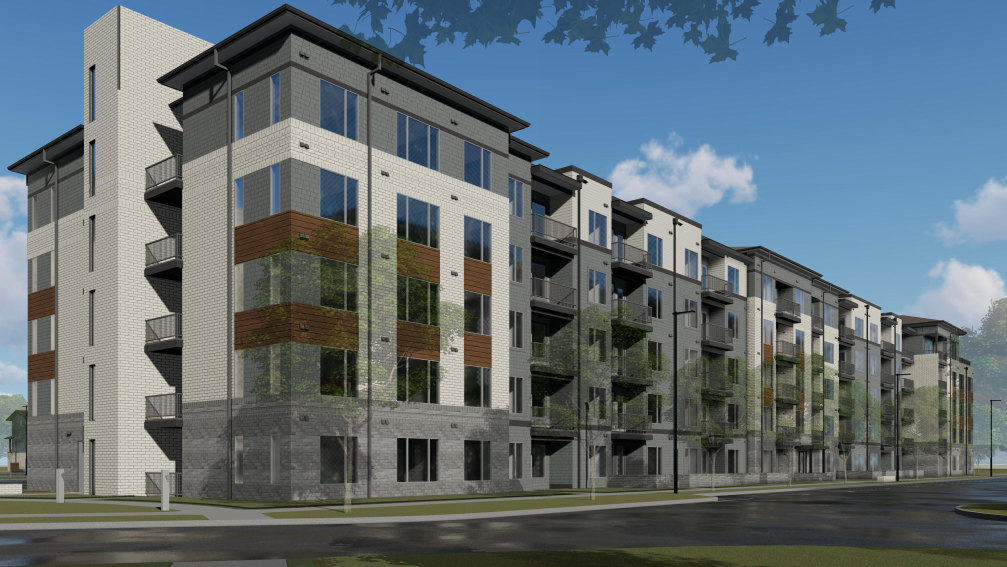
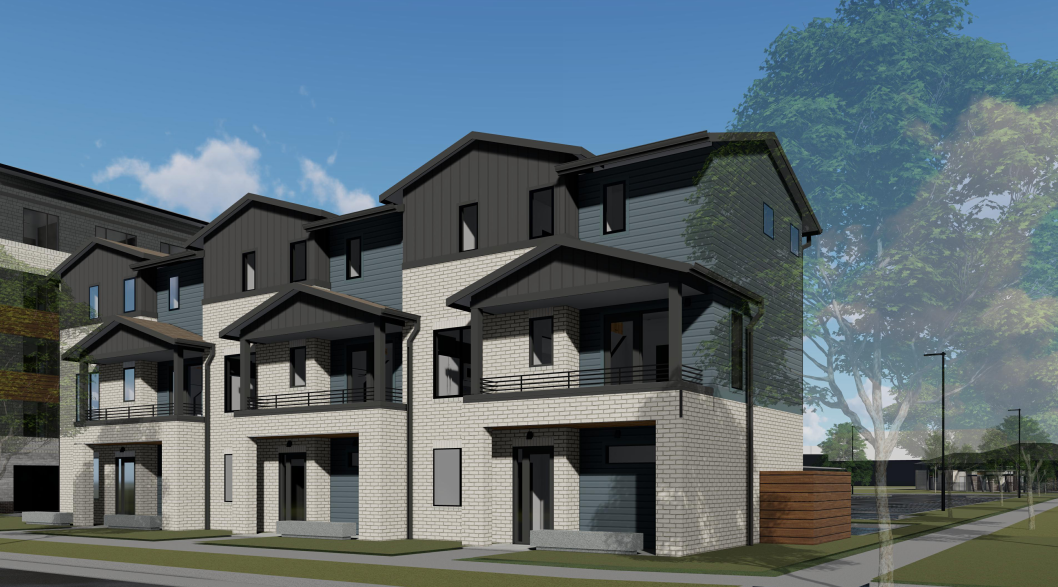
I suspect there's been news on neighborhood sites but I had to dig around to find anything. This is from the contractor, CSI Construction. Kephart was the architect.


MAA Central Park
Quote:
MAA Central Park is a Type IIIB construction, 456,272 GSF, mixed-use site with a clubhouse. The project includes four 5-story apartment buildings and five 3-story rowhome buildings totaling 352-units on a 15-acre s
-------------------------------

I like what I see
Quote:
Originally Posted by mishko27 View Post
More details can be found here.


Honestly, they should cover the parking lots closer to i25 with projects like these. More development like this will also make the light rail more attractive, the more fun, walkable, urban destinations the better.
With respect to the train station the immediate area has to be one head-ache inducing noisy place to hang out.

But this development is NW of the station.
Quote:
Approximately 31,910 square feet of ground floor retail will be added, lining the new public plaza which will include site furnishings, water features, and programable space.
I like how this area is away from the freeway and noise by being on the west side of the apartments and parking garage.

I recognize the outer ring road with retail on the other side from the shopping center (typical). At some point down the road I'd expect to see the SC largely demolished and replaced with medium density apartments as part of a mixed-use redevelopment.
__________________
Cool... Denver has reached puberty.
Reply With Quote
     
     
  #14408  
Old Posted Jun 7, 2023, 1:21 AM
bunt_q's Avatar
bunt_q bunt_q is offline
Provincial Bumpkin
 
Join Date: Aug 2002
Location: Denver, CO
Posts: 13,203
Quote:
Originally Posted by TakeFive View Post
I know that was a noted problem but the original problem is that the original numbers were seriously (outdated) under-estimated. Land costs had escalated a lot though. Just a guess that Pandemic inflation seems to have nearly doubled costs for this type of investment starting from scratch.

Oddly, the selected route is entirely on-street so would they even have any right-of-way acquisition costs? Don't know how that works? They would need to acquire land for maintenance facilities etc.
That's funny, you think Austin would let a choo choo train take a lane anywhere it wasn't absolutely impossible not to.
Reply With Quote
     
     
  #14409  
Old Posted Jun 7, 2023, 1:33 AM
mhays mhays is offline
Never Dell
 
Join Date: Jul 2001
Posts: 21,234
Quote:
Originally Posted by Cirrus View Post
Unsustainable growth of capital costs is a separate problem, with separate causes and separate solutions, from post-covid operating shortages among the largest agencies. Although of course they are both problems for transit.

The operating problem is a "throw money at it for a couple of years and adjust your service to balance peak and off-peak" problem; it's easy but expensive. The capital problem is a "our processes are leading to bad outcomes and need to be rethought" problem; it's cheap but hard to figure out, much less accomplish.

Part of the capital problem has its root in the same zoning problem that causes housing unaffordability: By locking away residentially zoned land as untouchable, we are putting too many demands on our limited supply of mixed-use corridors, leading to skyrocketing costs to do anything inside them. Especially the most prime ones, like the central corridor of Austin. We can't afford to put good transit in the places we need it, so we either do what Austin is doing now (scaling back over and over) or do what Austin did previously (build a commuter rail line along cheap right-of-way that's so useless they're now trying to start over with an entirely different system).

But that's only part of the problem. Parts of it are also how we do planning, engineering, contracting, labor, liability, and scope-creep. It's not sustainable and is eventually going to be the downfall of our current method of NEPA.
Commercial construction costs have also jumped massively, much of it related to material costs. Same with even the most progressive public clients. Some cost is dysfunction and excess process, and some is the world we're in.

(Those costs could stabillize or fall a bit if construction slows down...TBD.)
Reply With Quote
     
     
  #14410  
Old Posted Jun 7, 2023, 3:05 AM
TakeFive's Avatar
TakeFive TakeFive is online now
Registered User
 
Join Date: Jun 2010
Posts: 8,436
Quote:
Originally Posted by mhays View Post
Commercial construction costs have also jumped massively, much of it related to material costs. Same with even the most progressive public clients. Some cost is dysfunction and excess process, and some is the world we're in.

(Those costs could stabillize or fall a bit if construction slows down...TBD.)
Construction lending is becoming scarce for some sectors, like new hotels. Many of the regional banks have actually been off-loading loans at a discount to shore up their balance sheets. Most areas don't need more office space although well-located projects always have a chance. Not sure with residential except that lending rates have risen fairly dramatically.

Public projects are benefitting from the iija and soon the CHIPS and Science funding will allow for 'hardware' construction projects. Then there's the push into EV's and funding for battery makers etc.

For now there's no recession is sight but there's a ways to go before we're out of the woods with the economy and inflation.
__________________
Cool... Denver has reached puberty.
Reply With Quote
     
     
  #14411  
Old Posted Jun 7, 2023, 6:31 AM
TakeFive's Avatar
TakeFive TakeFive is online now
Registered User
 
Join Date: Jun 2010
Posts: 8,436
Inflation has many negative impacts

Insurance Costs Jump 26% For U.S. Multifamily Properties
June 6, 2023 By Miriam Hall - Bisnow
Quote:
The price of insuring property is sharply mounting, with builders and operators of desperately needed rental housing reporting major increases in insurance costs in the last 12 months.

The National Multifamily Housing Council released its Multifamily Risk Survey and Report this week, which showed respondents are experiencing property insurance costs that are 26% higher than they were last year.

Limitations in coverage, hikes on deductibles and a shrinking private insurance market are to blame, according to the report. Rents, which are already at crisis point across the country, are going up as result.
Some states had place guard rails on insurance companies as if they were the bad guys. As a result both Allstate and State Farm have ceased issuing homeowner's policies in California (they've been losing money). Chances are that Gov DeSantis has been too busy duking it out with Micky Mouse to notice than owners of average homes in Florida are paying as much as $6,000/year just for Homeowner's Insurance - if they can get it.

We've got to get inflation under control; there's progress but progress is too slow.
__________________
Cool... Denver has reached puberty.
Reply With Quote
     
     
  #14412  
Old Posted Jun 7, 2023, 6:51 PM
laniroj laniroj is offline
[sub]urbanite
 
Join Date: Jun 2015
Posts: 809
Quote:
Originally Posted by Cirrus View Post
Unsustainable growth of capital costs is a separate problem, with separate causes and separate solutions, from post-covid operating shortages among the largest agencies. Although of course they are both problems for transit.

The operating problem is a "throw money at it for a couple of years and adjust your service to balance peak and off-peak" problem; it's easy but expensive. The capital problem is a "our processes are leading to bad outcomes and need to be rethought" problem; it's cheap but hard to figure out, much less accomplish.

Part of the capital problem has its root in the same zoning problem that causes housing unaffordability: By locking away residentially zoned land as untouchable, we are putting too many demands on our limited supply of mixed-use corridors, leading to skyrocketing costs to do anything inside them. Especially the most prime ones, like the central corridor of Austin. We can't afford to put good transit in the places we need it, so we either do what Austin is doing now (scaling back over and over) or do what Austin did previously (build a commuter rail line along cheap right-of-way that's so useless they're now trying to start over with an entirely different system).

But that's only part of the problem. Parts of it are also how we do planning, engineering, contracting, labor, liability, and scope-creep. It's not sustainable and is eventually going to be the downfall of our current method of NEPA.
The government construction world is much like the military industrial complex. Government has generally created ax extremely limited "class" of contractors who have all the right qualifications which weeds out 95% of competition. Should government decide to drop some or all of the laundry lists of qualifications, costs could come down dramatically. It would also help if the government, in general, stopped spending so much darn money. In Colorado, we've been particularly good at government spending during down times which seemingly disappears during good times (you know to balance out inflation). I think it's a primary reason Denver in particular has had such an even/up economy for so long, including government spending to pull us out of the 80's oil catastrophe and urban decay. Nowadays, it's just spend spend spend all the time and it has a profound impact on costs, both within a particular government project scope of work and the effects of that spending on the marketplace in general - availability of labor, material costs, etc etc.
Reply With Quote
     
     
  #14413  
Old Posted Jun 7, 2023, 7:01 PM
laniroj laniroj is offline
[sub]urbanite
 
Join Date: Jun 2015
Posts: 809
Quote:
Originally Posted by mishko27 View Post
My only issue is the lack of retail on the street that will connect the light rail station with the mall and the "main street". Retail right by the station would make perfect sense, there needs to be a 7/11 and some fast-casual dining there, rather than ground level apartments with patios. If being walkable is the goal, it makes no sense to put private residences on what will arguably be the busiest pedestrian street.
I can think of nothing to ruin the value of an enormous investment better than a 7/11 facing public transit stop! No offense, but down there the action is on the mall side. I suspect they'll probably try to do something like what they have on the south side of the mall and eventually add a retail village as well, likely with more residential on top of it. Mall parking lots will all fairly soon be parking garages with residential and retail wrapping them for the municipalities that allow the zoning. For those that don't, they'll have dead malls for decades!
Reply With Quote
     
     
  #14414  
Old Posted Jun 7, 2023, 7:50 PM
mishko27 mishko27 is offline
Registered User
 
Join Date: Jan 2015
Posts: 136
Quote:
Originally Posted by laniroj View Post
I can think of nothing to ruin the value of an enormous investment better than a 7/11 facing public transit stop! No offense, but down there the action is on the mall side. I suspect they'll probably try to do something like what they have on the south side of the mall and eventually add a retail village as well, likely with more residential on top of it. Mall parking lots will all fairly soon be parking garages with residential and retail wrapping them for the municipalities that allow the zoning. For those that don't, they'll have dead malls for decades!
I am just very European and a train stop without a convenience store makes no sense to me... I mean, it should arguably not be a 7/11, that development is asking for a King Soopers Express (as in Tesco Express / Sainsbury's Local kinda store), but those retail formats don't really even exist here

But again, I can't imagine a Stockholm Metro stop without a 7/11 and Pressbyrån, or a Hong Kong MTR station without a Circle K or a 7/11... Those were always so convenient to me, not sure why they don't exist here.
Reply With Quote
     
     
  #14415  
Old Posted Jun 7, 2023, 9:03 PM
wong21fr's Avatar
wong21fr wong21fr is online now
Reluctant Hobbesian
 
Join Date: Feb 2002
Location: Denver
Posts: 13,125
Quote:
Originally Posted by mishko27 View Post
I am just very European and a train stop without a convenience store makes no sense to me... I mean, it should arguably not be a 7/11, that development is asking for a King Soopers Express (as in Tesco Express / Sainsbury's Local kinda store), but those retail formats don't really even exist here

But again, I can't imagine a Stockholm Metro stop without a 7/11 and Pressbyrån, or a Hong Kong MTR station without a Circle K or a 7/11... Those were always so convenient to me, not sure why they don't exist here.
Because RTD's mindset is that the first and foremost best use of the land surrounding a transit station is a parking lot.


Seriously, RTD has a lousy track record of leasing out space for retail usage in it's facilities. Just look at the total lack of retail directly at Union Station, the University of Denver parking garage, Littleton Station, or Civic Center Station. I think the only retail spot left in the system might be at Boulder Station.
__________________
"You don't strike, you just go to work everyday and do your job real half-ass. That's the American way!" -Homer Simpson

All of us who are concerned for peace and triumph of reason and justice must be keenly aware how small an influence reason and honest good will exert upon events in the political field. ~Albert Einstein

Reply With Quote
     
     
  #14416  
Old Posted Jun 8, 2023, 7:17 AM
adelaide52 adelaide52 is offline
Registered User
 
Join Date: Mar 2012
Posts: 6
Quote:
Originally Posted by laniroj View Post
I can think of nothing to ruin the value of an enormous investment better than a 7/11 facing public transit stop! No offense, but down there the action is on the mall side. I suspect they'll probably try to do something like what they have on the south side of the mall and eventually add a retail village as well, likely with more residential on top of it. Mall parking lots will all fairly soon be parking garages with residential and retail wrapping them for the municipalities that allow the zoning. For those that don't, they'll have dead malls for decades!
Most of the traffic at the station will be at commuting hours from 6-8 am and 4-6 pm. No one will be shopping at a retail village at thoses time, except for maybe groceries on the way home. When I commuted on the train in a large city all I wanted to do when I got to my stop was get home as quickly as possible. I had no interest is shopping.

And there is no reason to have a 7-11 across the street. The retail should be right in the station. Every large city transit system I've ever been on has stands where people can get coffee, a charger, flowers, milk, etc., right in the station.
Reply With Quote
     
     
  #14417  
Old Posted Jun 8, 2023, 2:52 PM
laniroj laniroj is offline
[sub]urbanite
 
Join Date: Jun 2015
Posts: 809
Quote:
Originally Posted by mishko27 View Post
I am just very European and a train stop without a convenience store makes no sense to me... I mean, it should arguably not be a 7/11, that development is asking for a King Soopers Express (as in Tesco Express / Sainsbury's Local kinda store), but those retail formats don't really even exist here

But again, I can't imagine a Stockholm Metro stop without a 7/11 and Pressbyrån, or a Hong Kong MTR station without a Circle K or a 7/11... Those were always so convenient to me, not sure why they don't exist here.
Fair enough. Lived in Europe for a time, it was fantastic. All that small scale retail is to be admired. It's prevalent in some east coast and old world midwest cities, but not really anywhere out west. My personal thought is it's for two reasons, the first being zoning isn't there to allow it and second being we just don't have the density (even at transit stations) to support that kind of convenience retail. Our transit stations are kind of like islands in this country, driven by zoning, and there's just not enough beds nearby to sustain them unlike in Europe where you have 3-6 stories of residential density seemingly everywhere and condensed in a much smaller area than what we offer in USA.
Reply With Quote
     
     
  #14418  
Old Posted Jun 8, 2023, 2:54 PM
laniroj laniroj is offline
[sub]urbanite
 
Join Date: Jun 2015
Posts: 809
Quote:
Originally Posted by adelaide52 View Post
Most of the traffic at the station will be at commuting hours from 6-8 am and 4-6 pm. No one will be shopping at a retail village at thoses time, except for maybe groceries on the way home. When I commuted on the train in a large city all I wanted to do when I got to my stop was get home as quickly as possible. I had no interest is shopping.

And there is no reason to have a 7-11 across the street. The retail should be right in the station. Every large city transit system I've ever been on has stands where people can get coffee, a charger, flowers, milk, etc., right in the station.
Haha, RTD is not going to let stands offer customer relevant conveniences! Wish they would, ain't gonna happen in today's RTD. Union Station offers this now that it's private, RTD checked that box and doesn't have to think about it ever again.
Reply With Quote
     
     
  #14419  
Old Posted Jun 8, 2023, 3:25 PM
mr1138 mr1138 is offline
Registered User
 
Join Date: Nov 2004
Posts: 1,166
Quote:
Originally Posted by laniroj View Post
Fair enough. Lived in Europe for a time, it was fantastic. All that small scale retail is to be admired. It's prevalent in some east coast and old world midwest cities, but not really anywhere out west. My personal thought is it's for two reasons, the first being zoning isn't there to allow it and second being we just don't have the density (even at transit stations) to support that kind of convenience retail. Our transit stations are kind of like islands in this country, driven by zoning, and there's just not enough beds nearby to sustain them unlike in Europe where you have 3-6 stories of residential density seemingly everywhere and condensed in a much smaller area than what we offer in USA.
A couple years ago we had a place open in Arvada right across Grandview from the train station called "G-Line Grab and Go." I was so excited, but after a couple of stops in, I realized they were never going to make it... they couldn't keep milk in stock, and only sold eggs in packages of 24. They did weird stuff like selling cake mix, but with no frosting on the shelf to go with it. Prego pasta sauce, but no pasta. Eventually they started stocking more and more "novelty" items like handmade soy-wax candles and other "artisanal" boutiquey kind of items (though they also still sold lottery tickets). Finally this year, they shuttered their doors and now the storefront has been rebranded the "Gold Line Collective."

I understand that profit margins are very tiny for convenience stores and grocers, but it was really perplexing watching this "grab and go" struggle to stock even the most basic items one would expect from a convenience store. I guess the point of this anecdote is simply to reinforce your point - we REALLY struggle to support convenience retail here in Colorado, even in places where it might theoretically succeed.

Quote:
Originally Posted by laniroj View Post
Haha, RTD is not going to let stands offer customer relevant conveniences! Wish they would, ain't gonna happen in today's RTD. Union Station offers this now that it's private, RTD checked that box and doesn't have to think about it ever again.
The recent success of the Nuggets has also had me noticing all of the pop-up championship merchandise sales stands that are suddenly operating on the edge of gas stations all around town. These sales stands really stick out, because they are a reminder that we usually don't see anything like them here in Colorado. In other places, even out west (I'm thinking of LA in particular), you will see street food vendors along busy streets, people selling flowers along the side of highway off-ramps near cemeteries, vendors in city parks, etc. Colorado, unfortunately, seems to both laws and informal traditions that essentially shut these kinds of informal sales out of nearly every public space (except for the rare exception somewhere like the 16th Street mall - strictly permitted of course). If we don't even allow hot dog stands to operate in our city parks, why would we expect our transit stations to set aside spaces for small retailers either?

Last edited by mr1138; Jun 8, 2023 at 3:44 PM.
Reply With Quote
     
     
  #14420  
Old Posted Jun 8, 2023, 3:34 PM
mishko27 mishko27 is offline
Registered User
 
Join Date: Jan 2015
Posts: 136
Quote:
Originally Posted by adelaide52 View Post
Most of the traffic at the station will be at commuting hours from 6-8 am and 4-6 pm. No one will be shopping at a retail village at thoses time, except for maybe groceries on the way home. When I commuted on the train in a large city all I wanted to do when I got to my stop was get home as quickly as possible. I had no interest is shopping.

And there is no reason to have a 7-11 across the street. The retail should be right in the station. Every large city transit system I've ever been on has stands where people can get coffee, a charger, flowers, milk, etc., right in the station.
It's the closest to the station any retail is available, that's why I suggested it. It's not dissimilar from the distance between platform and retail on Hong Kong's MTR, especially in the suburban stations on the former Ma On Shan line.

Many transit systems supplement their revenue by retail, and as all of these TODs get developed, the stations should too. RTD should be working on developing the parking lost - they can retain the spaces in the parking garages that are a part of the development, but add in station retail and housing (let's be real, there's no need for any office space for a while).

Ultimately, I have lived in Colorado for the past 13 years, I should know better than to bring my European thinking here It's just every now and then I see a project like the Park Meadows housing that makes so much sense and I apply my European thinking to it Can't help it I guess.
Reply With Quote
     
     
This discussion thread continues

Use the page links to the lower-right to go to the next page for additional posts
 
 
Reply

Go Back   SkyscraperPage Forum > Regional Sections > United States > Mountain West
Forum Jump


Forum Jump


All times are GMT. The time now is 11:18 PM.


Powered by vBulletin® Version 3.8.7
Copyright ©2000 - 2026, vBulletin Solutions, Inc.