Quote:
Originally Posted by J.OT13

Certainly, Toronto probably went through the most dramatic change in the 60s, then the 90s and now the last decade and a bit. I'd say that most major Canadian cities went through similar, though maybe less dramatic, change as well, all starting in the 60s, but with varied ups and downs (though Toronto, Montreal and Ottawa matched-up quite well, give or take a couple years).
|
I use Los Angeles as an example because 1950s-era Los Angeles has an icon: Los Angeles City Hall, built in 1928. You look at pictures of the era from the 1930s to the mid-1960s and the skyline is that plus a handful of other minor buildings. Then in the mid-'60s it starts, as International-style skyscrapers seemingly popped up out of nowhere. The juxtaposition is just so jarring and so rapid that a time traveller from the 1950s standing at Griffith Observatory might not be sure they're still in L.A., should they be transported to the 1990s.
Similarly, Toronto has a couple of icons in the late 1920s/early 1930s. The Royal York Hotel and Commerce Court North dominate the skyline for decades until the late 1960s when the TD monoliths pop up seemingly out of nowhere, portending the future. Then one jumps to the 1990s and you can't see the old icons anymore.
Today, Los Angeles City Hall is engulfed by the skyscraper. Same with the Royal York and Commerce Court in Toronto. They're encased by modernity.
Montreal, Chicago, and New York did layering. You see the Sun Life building standing stately in the shadow of the skyscrapers that surround it. Oh, nobody pretends the future didn't arrive in those cities, but the past wasn't engulfed to the same degree.




 Prev


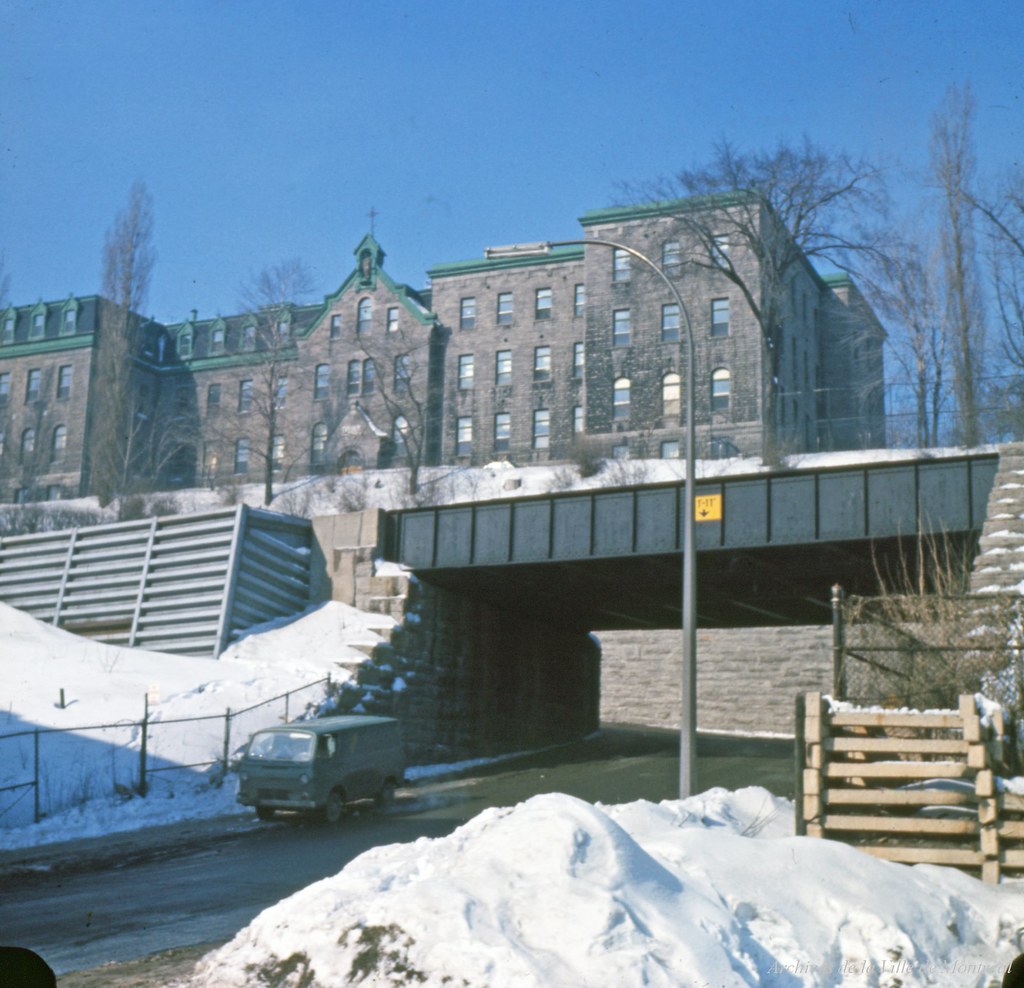


 And I’ve literally been inside it at multiple points in my life.



 Linear Mode

