Quote:
Originally Posted by q12

I don't follow how that puts HRM to shame?
|
It is quite amusing to see the sensitivity of some to my innocuous comment.
A couple of points which I will make at my peril:
The HRM examples of this are Burnside, Bayers Lake, and the Larry Uteck area.
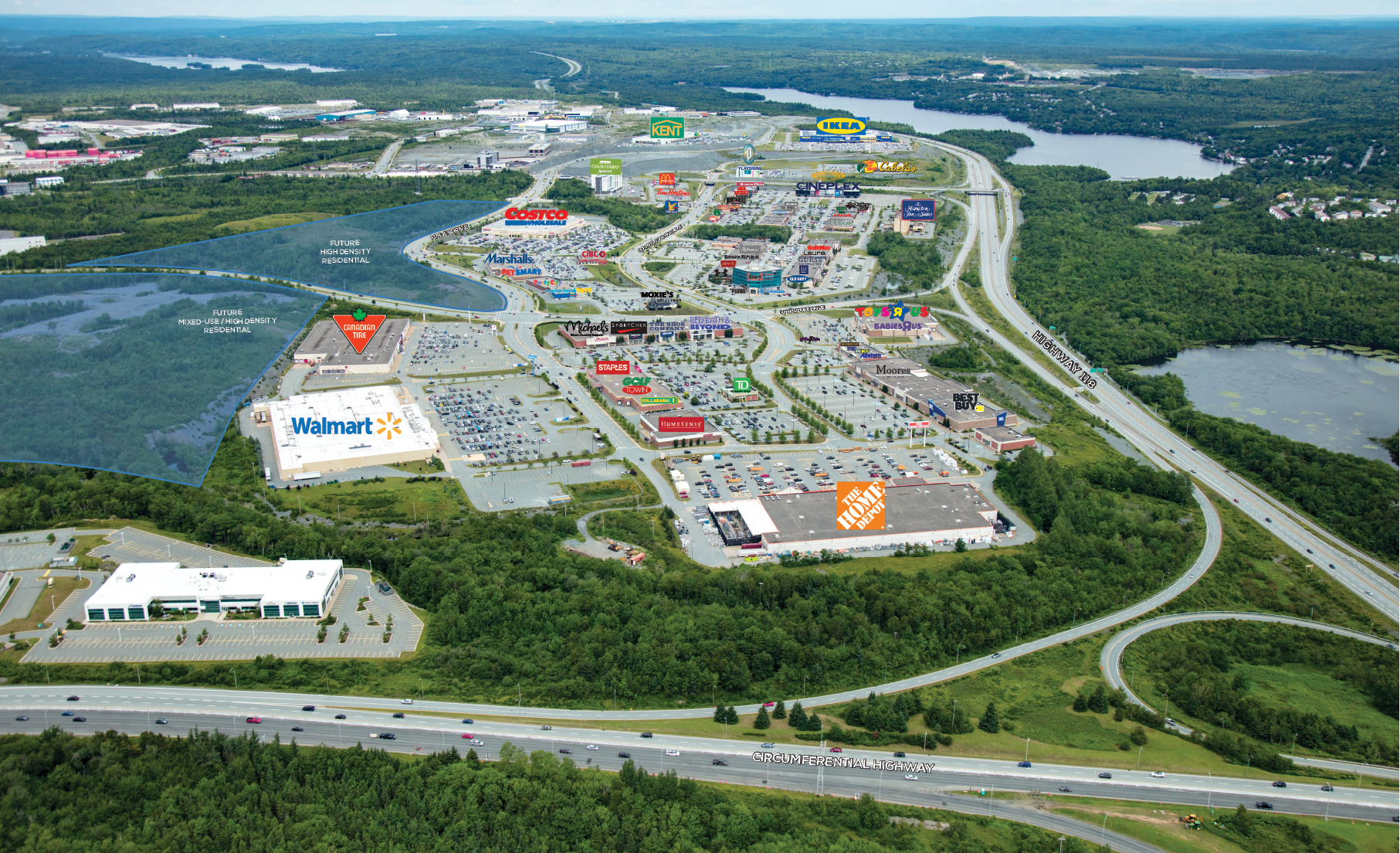
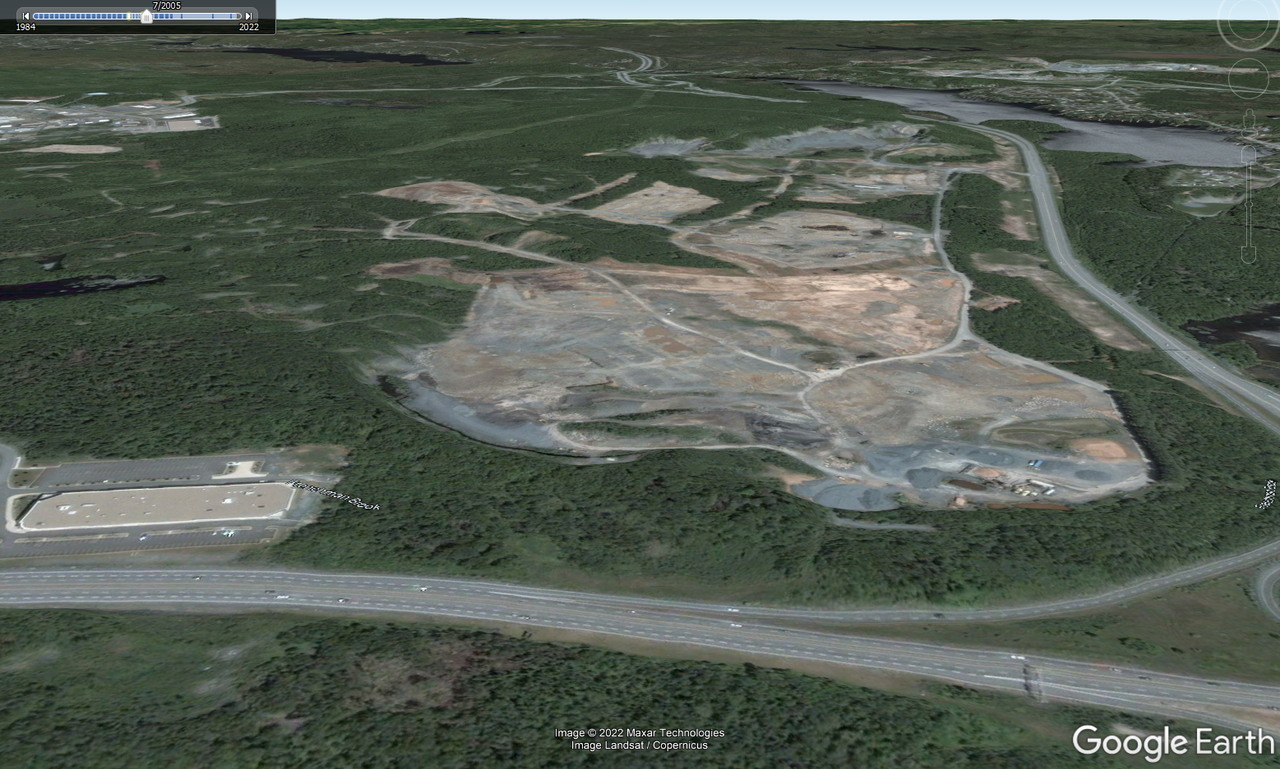
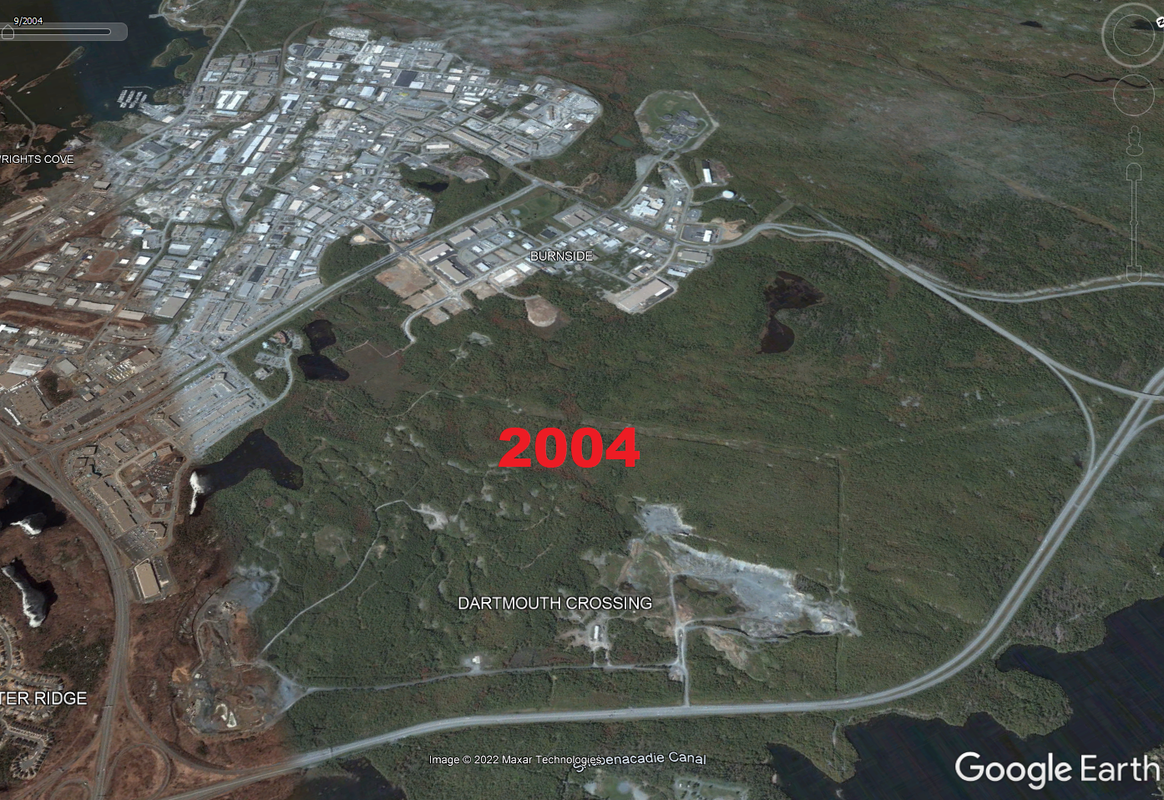
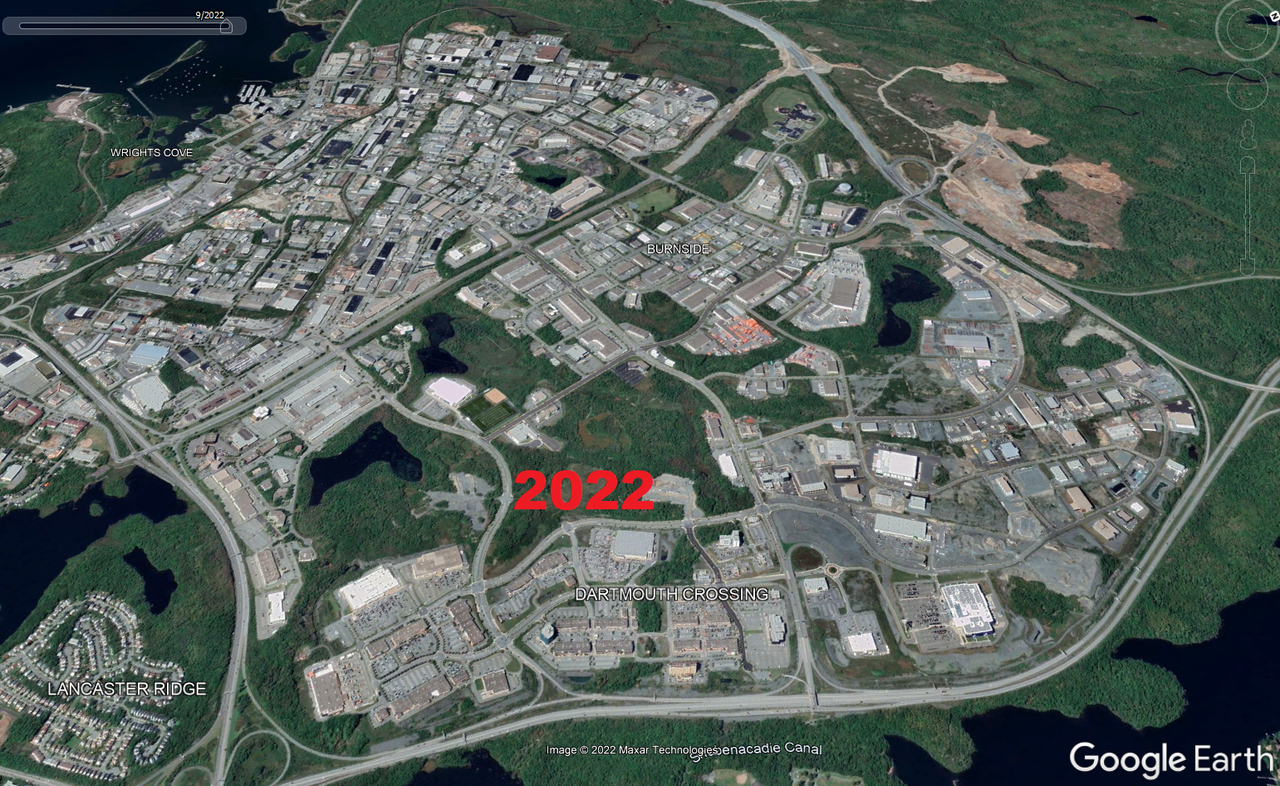
Both Burnside and Bayers were originally conceived as industrial parks. As such, both have an odd mix of low-traffic industrial businesses and high-traffic retail. This means both use undersized surface streets such as Wright Ave for access, and even newer areas such as Dartmouth Crossing with its joyous multilane 4-way stop intersections can be problematic. Then you have Uteck with its roundabouts and single-lane roadway. None of them are paragons of transportation design.
What I saw in Moncton seemed different. The growth had taken place in and around existing suburbs. There was much residential bordering the newer areas, most of which appeared to be preexisting. Somehow the city or province managed to build suitably-sized roadways for access amidst all that. Is it better or worse than HRM? I cannot say, although they certainly have done a better job of making the area accessible versus our examples of Wright Ave and the meandering Chain Lake Dr.. All I was saying was that the growth over the last 20 years was impressive. Take a breath.





 Prev
Prev




 Linear Mode
