Quote:
Originally Posted by Nouvellecosse

But writing off all development in one existing area but not others but not others as "destruction" isn't a coherent argument.
|
No. See below.
Quote:
|
We need more housing units than are being completed which is a deficit that's been over a decade in the making. And unless those housing units are all added as greenfield sprawl outside the city or brownfield/greyfield development, they are going to change the areas they're added to. So unless you want to embrace greenfield sprawl ignoring the problems it causes or you think there's enough brown/grey field land to accommodate all population growth, the only question is what existing areas the new development will change and how. I just happen to believe that beautiful, walkable areas in or close to downtown are a good place for more people to live in and I don't think the existence of newer buildings in an area "destroys" it.
|
If the choice is between sprawl and destroying irreplacable, walkable Victorian-era neighbourhoods with a significant amount of multifamily rentals in converted buildings, I'll take the sprawl, please.
Not all parts of the city provide the same benefits for as wide of a cross-section of the population, so I think there is a coherent argument to say that some neighbourhoods are fair game for development and others aren't.
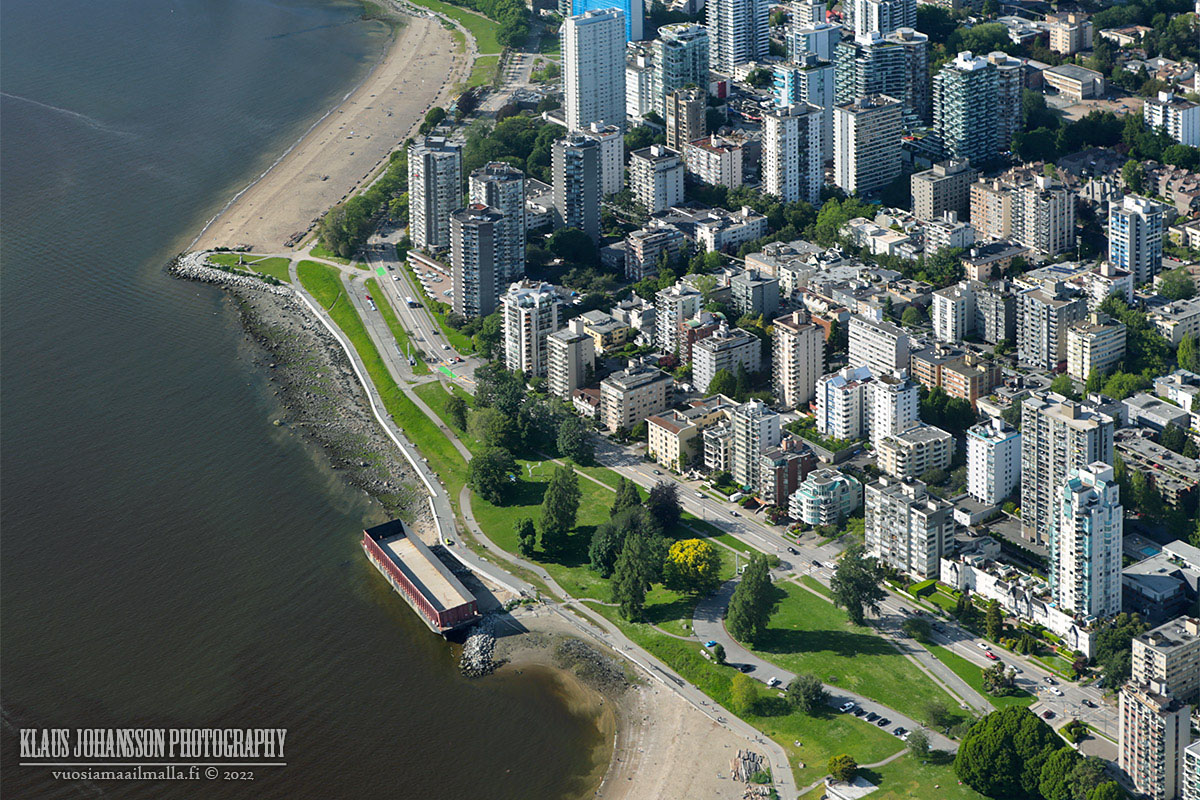
With neighbourhoods like
these, which have a density of 127 people/hectare, there isn't any building form that actually ends up housing substantially more people that doesn't destroy the character of the neighbourhood. For comparison, this
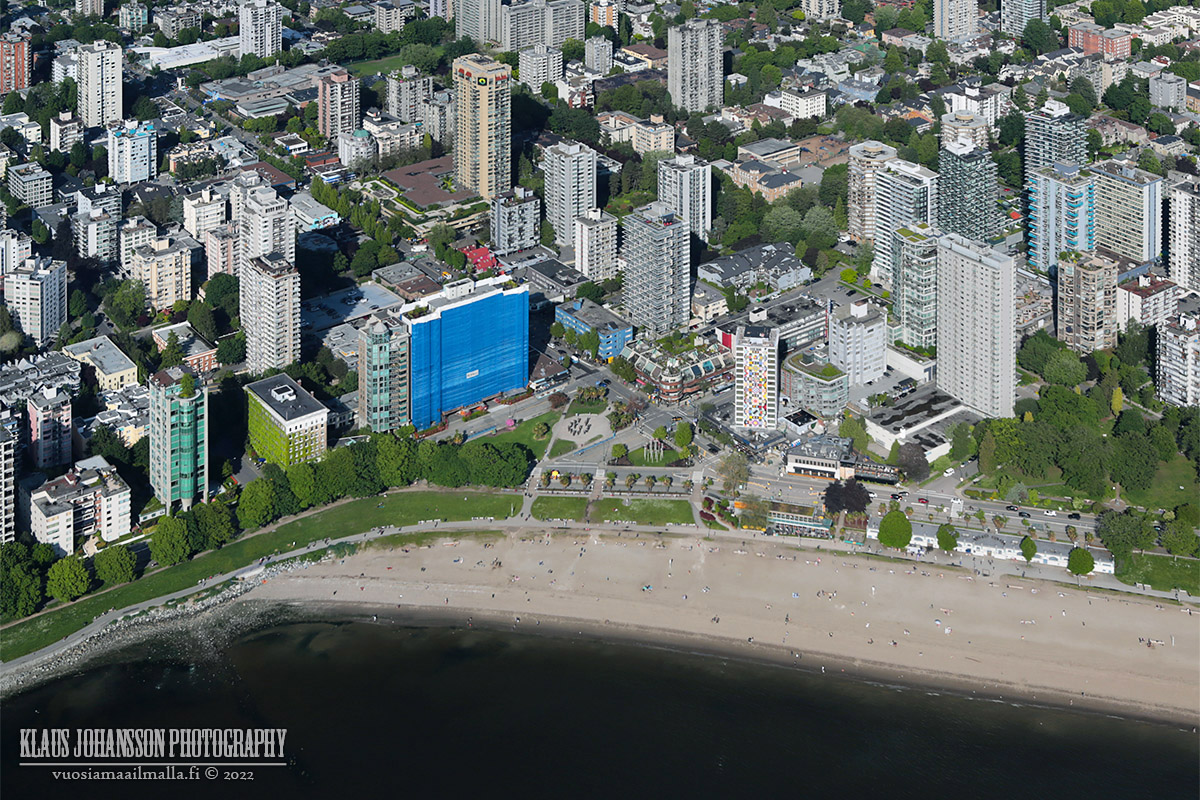
block has a density of 141 people/hectare. This
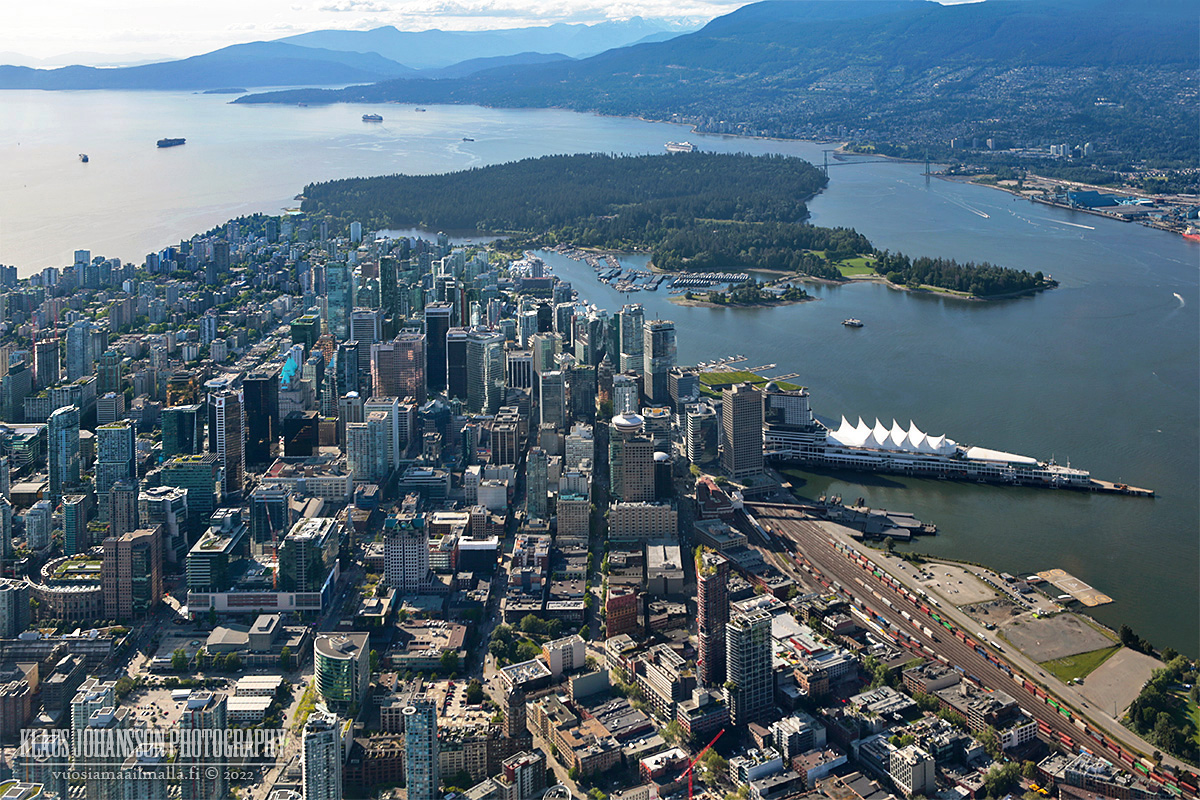
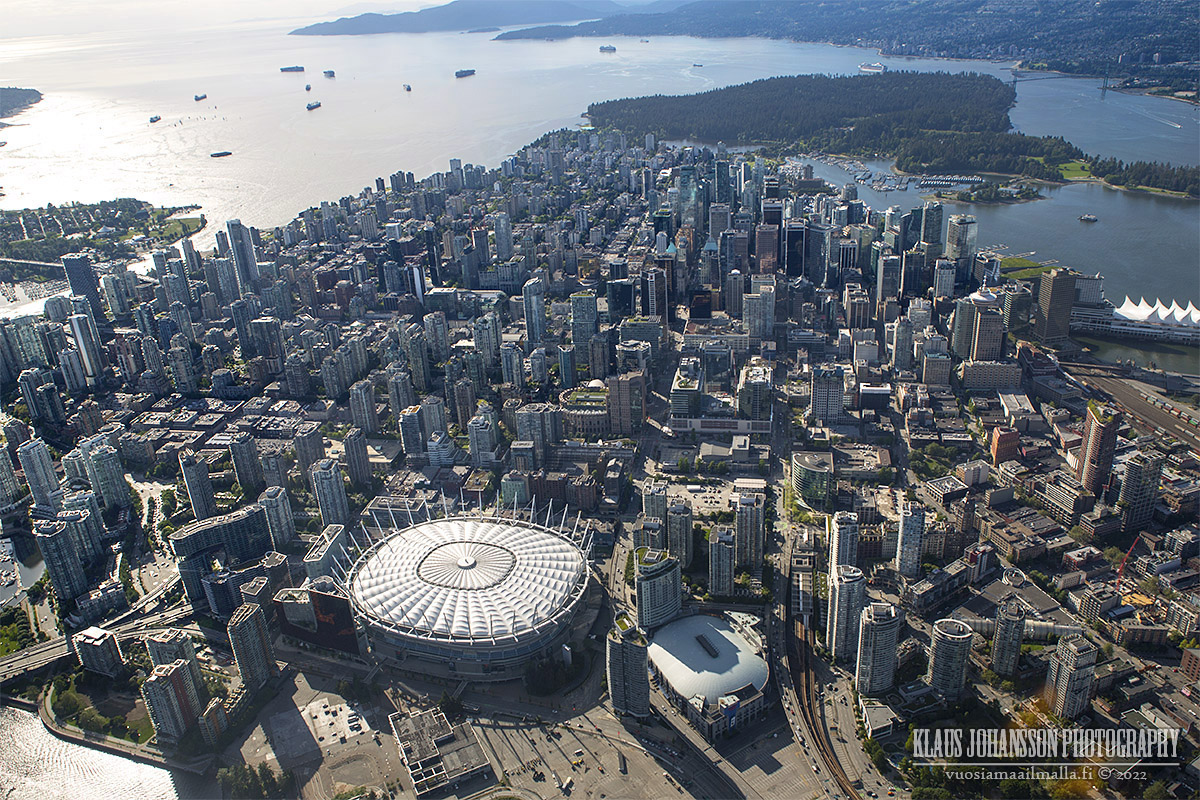
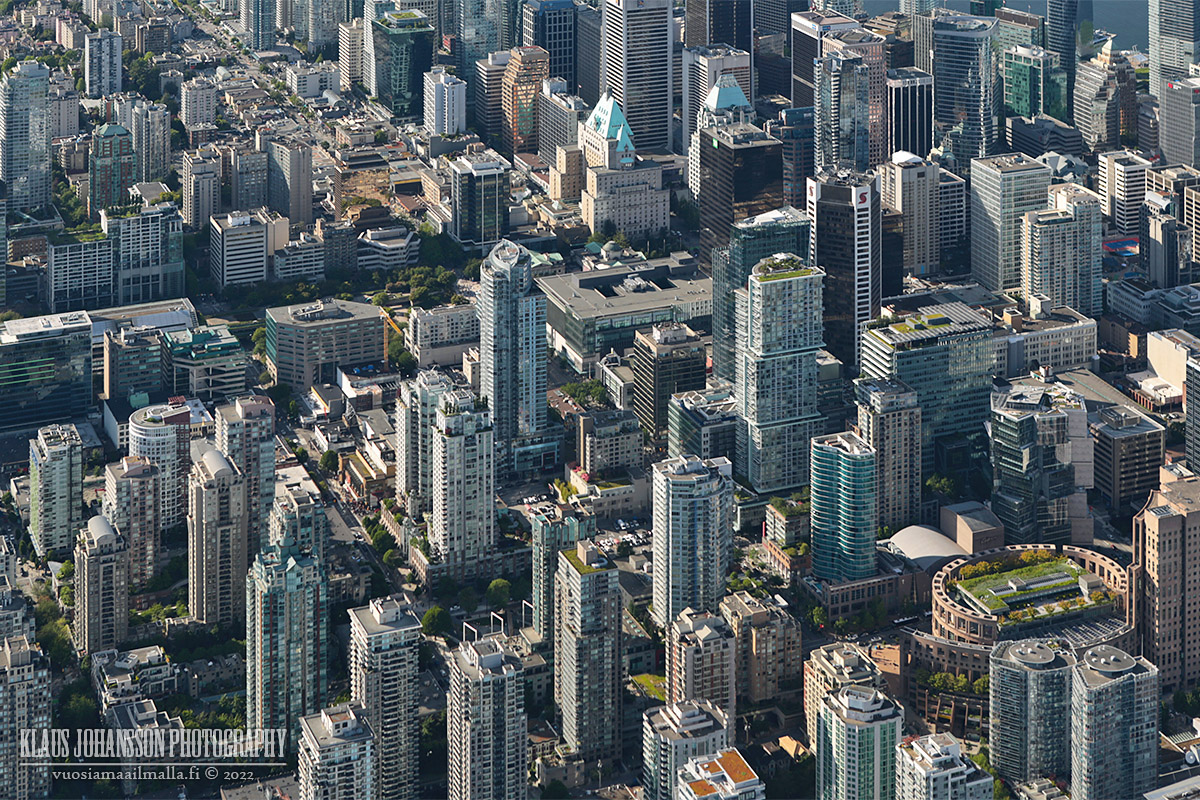
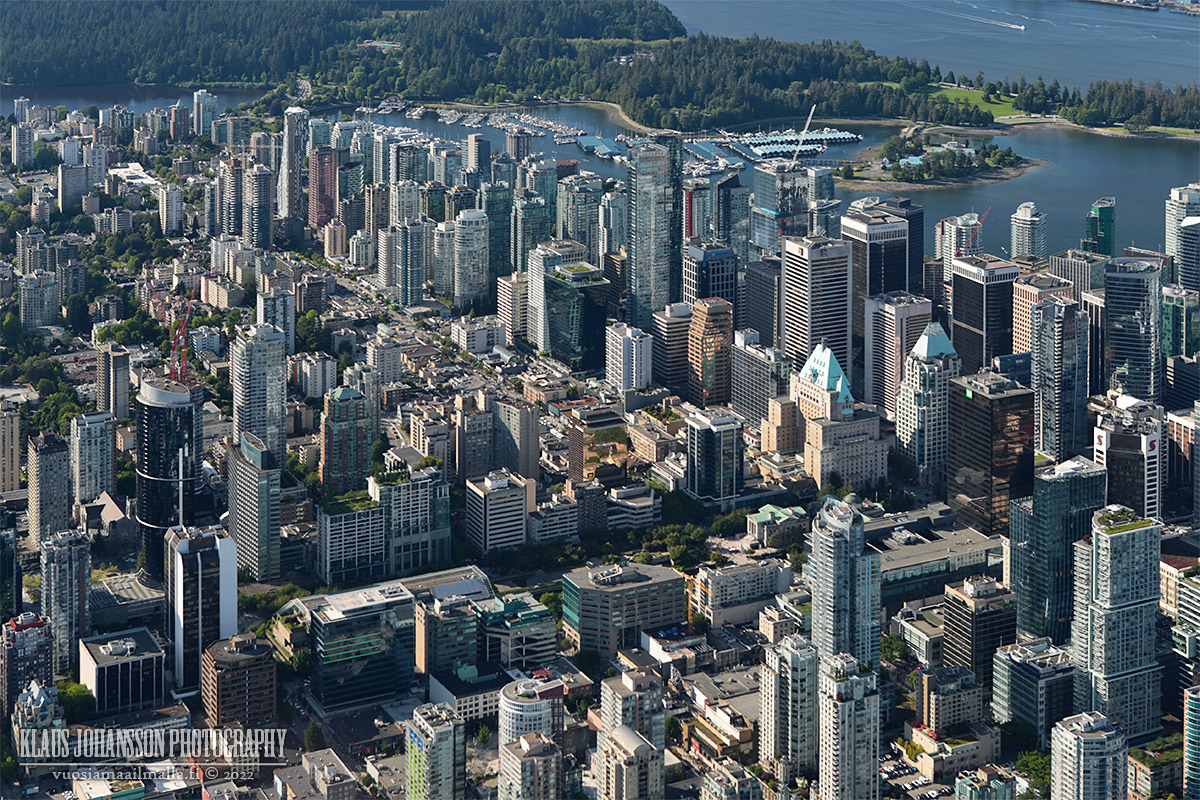
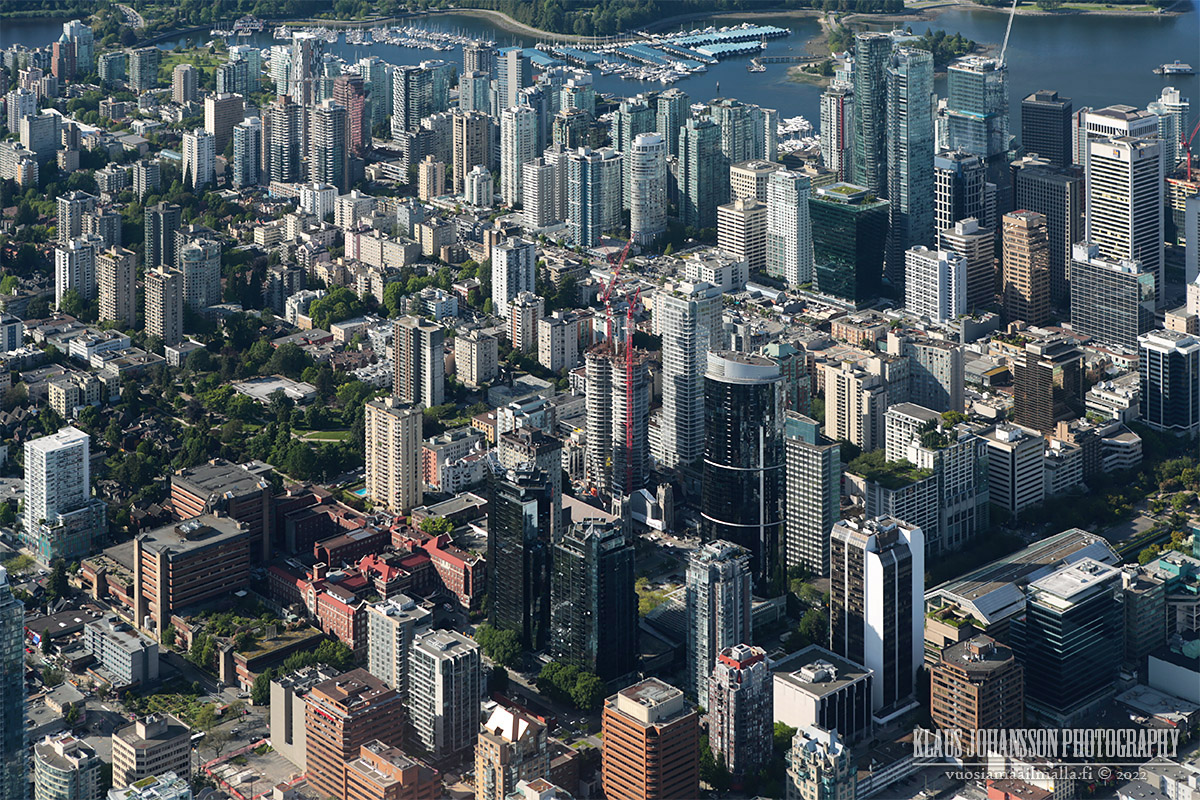
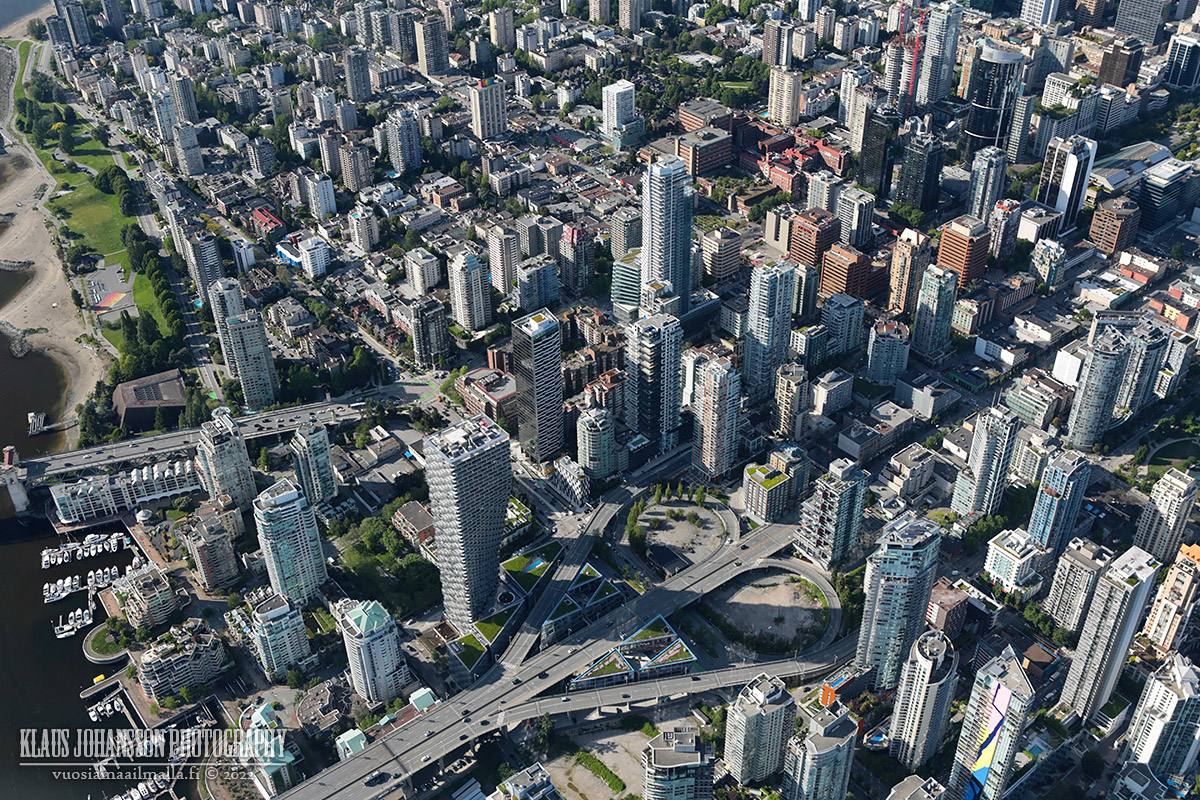
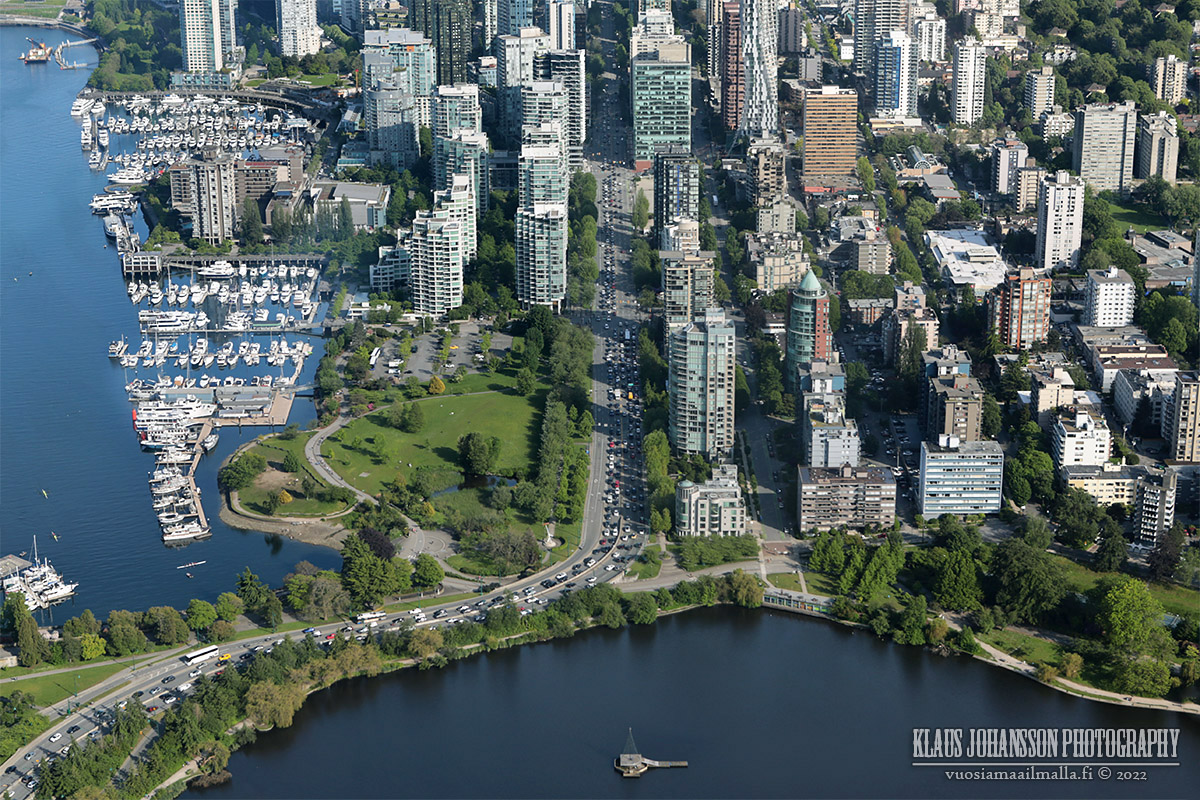
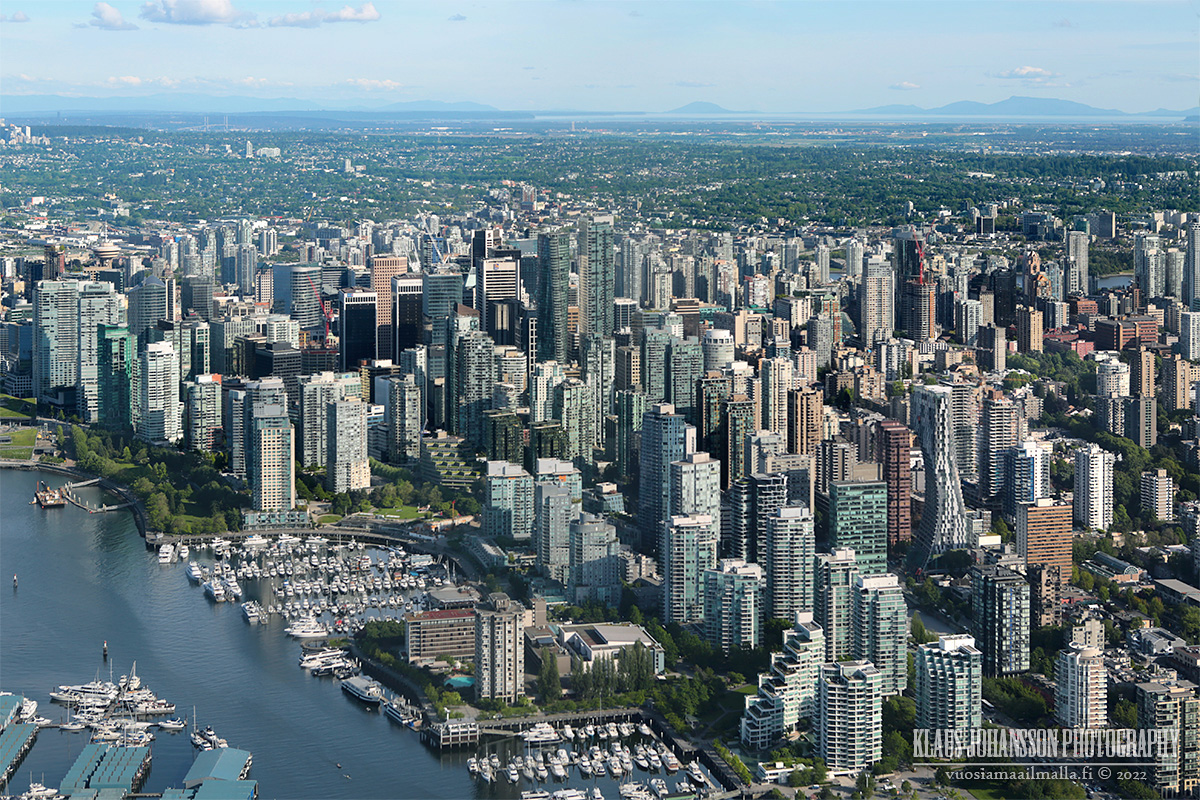
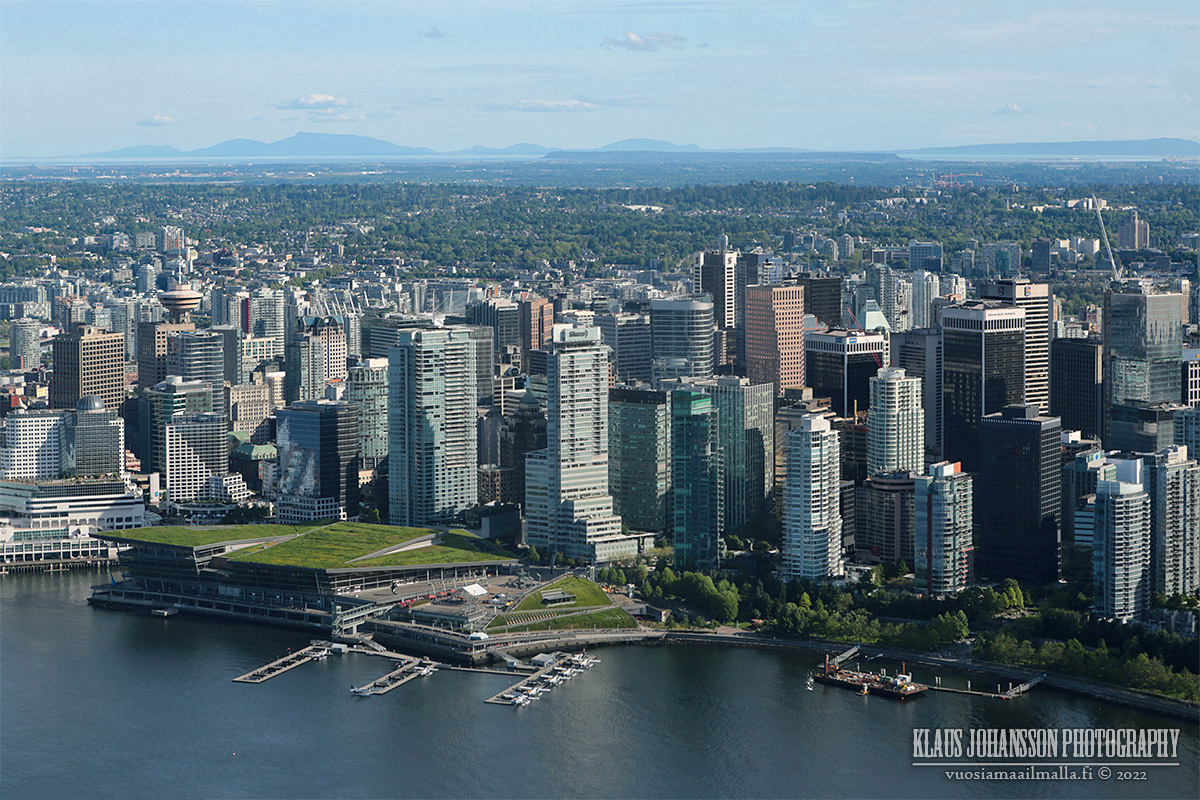
highrise district has a population density of over 900 people/hectare, but then we're blockbusting neighbourhoods, and I don't think you can argue that doing this to an intact neighbourhood wouldn't result in a destruction
of character.
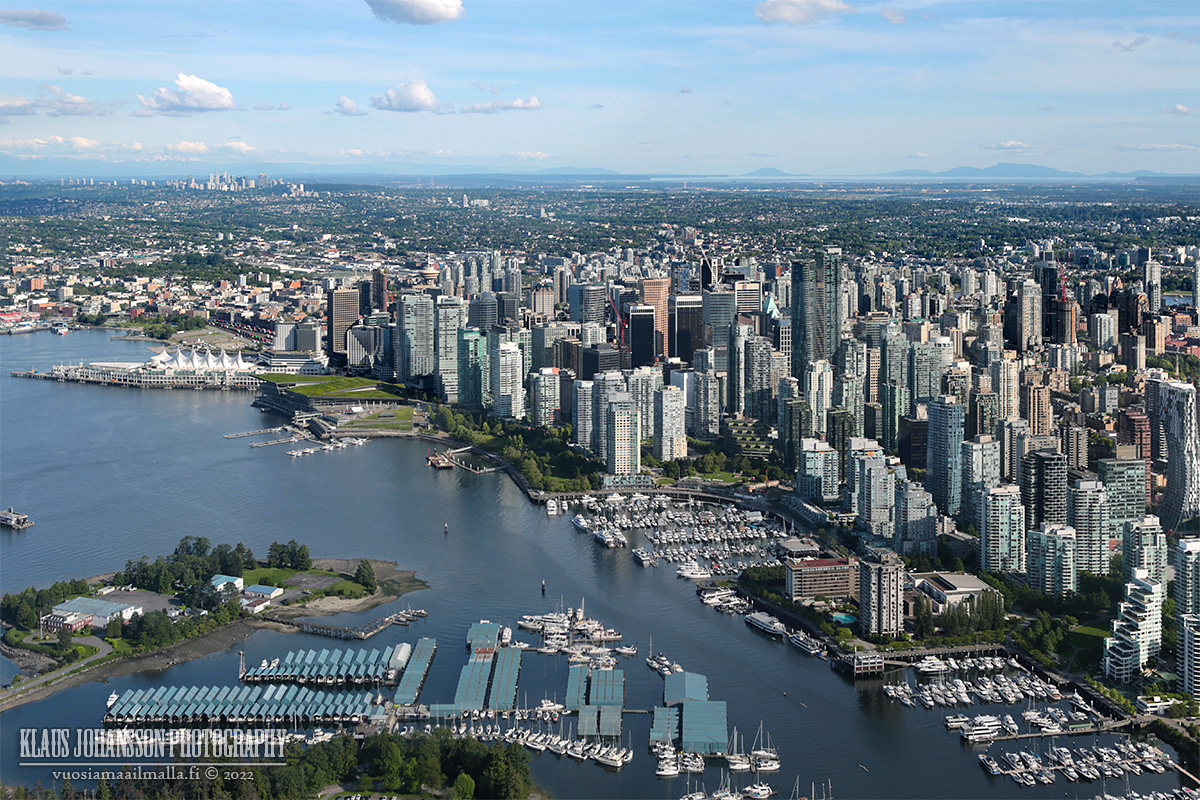
I don't think the land economics pencils out anywhere downtown to build anything other than highrises.
Quote:
|
The other thing that people get wrong is that they see development happening and say, "There's a huge amount of development and prices are still increasing, so development clearly doesn't lower prices." The problem with this is that concepts like a huge or large amount of development aren't specific quantities; they're just vague perceptions. The only real issue is whether there's enough new homes being added to house all current and prospective residents. No matter how huge the amount of development seems, if it isn't enough to meet or exceed demand then of course prices won't stabilize or drop. It's a matter of empirical, measurable numbers, not perception.
|
There's a lot to unpack here. For starters, it's almost impossible to empirically measure demand for a product like housing, which is immobile (fixed to place) and not mutually substitutable (every house is unique by virtue of its location and features). Buyers of homes are also infinitely heterogeneous in their wants and needs, and place a different value on all these infinitely heterogeneous homes. It's not the same as a dispassionate purchase for a good like a vacuum cleaner or tea towels, where my personal values and lifestyle preferences don't play much of a role in what I buy and, subsequently, the price these goods can command.
Housing is also an asset, and behaves like an asset. When prices are going up, like they do for stocks, people rush in to buy under an assumption of future price gains. When prices for homes go down, there are few buyers and people don't rush in hunting for bargains. Demand is correlated but definitely not caused by population growth, since people can buy as many homes as they want and choose to leave them empty. Indeed, during a period of demand growth and price growth, there is a perverse incentive to do so because of an expectation of asset appreciation.





 Prev
Prev










 Linear Mode
