City poised to increase Stage 2 budgets by $60M to cover utility work, boost contingency
Jon Willing, Ottawa Citizen
Jun 20, 2022 • 47 minutes ago • 3 minute read
The city needs to add a total of $60 million to the utility and contingency budgets of the Stage 2 O-Train project, with most of the contingency already spent and at least three years of construction left.
In a report submitted to council by transit general manager Renée Amilcar and chief financial officer Wendy Stephanson, staff say they have found “new budget requirements” for the $4.6-billion O-Train expansion.
Council set the contingency fund at $152.5 million for the Stage 2 project. According to the report, $132 million of the contingency has already been committed on several scope changes since the contracts were issued in 2019.
Necessary utility work for hydro, telecommunications, gas and waterworks is one reason for the extra spending.
The utility budget went from $68 million to $75 million and contingency funds covered the increase, but the city has identified additional work, such as utility relocations and asset protections, requiring another $35 million, the report says.
And, that might not be the end of the increases to the utility costs.
“Additional funding requirements will be assessed again in 2023,” the report says.
Because there’s plenty of time left in Stage 2 construction, with the western leg not scheduled to be done until 2025, and there could be more scope changes, the city wants to add an additional $25 million to the contingency fund.
The extra $60 million would be covered by debt paid by development charges, reserves attached to a related watermain project at Cleary Avenue and debt assigned to the transit department.
The report is silent when it comes to what the additional Stage 2 spending means for other city projects and the rest of the city budget.
The report says the contingency funds committed so far “reflect improvements to the project that were not contemplated when establishing the contingency fund.”
Spending from the contingency fund has happened across four categories, including one related to lessons learned from the Stage 1 project, which is the subject of an ongoing provincial inquiry.
Council approved the Stage 2 contracts in March 2019, but the 12.5-kilometre Stage 1 line didn’t start operations until September that year.
For example, the project team added gas-powered switch heaters after learning in Stage 1 that they’re better than electric switch heaters.
There were several other items added to the Stage 2 design after the contracts were signed in an effort to make the O-Train expansion better and meet new regulations.
In the east end, the team added noise walls along Highway 174 and more transportation connections between the LRT system and communities.
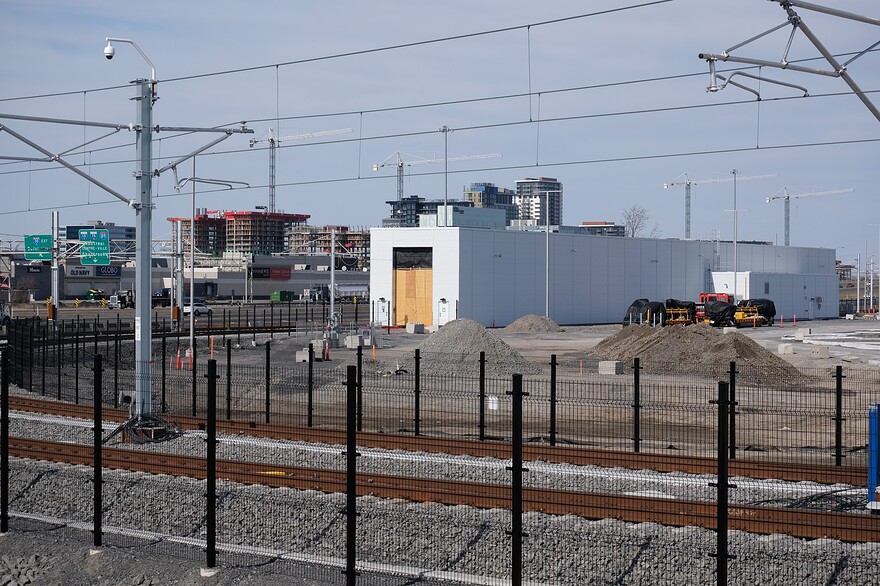
There were improvements to the Trillium Line’s Walkley Yard, updates to the radio system, upgrades to rail protections against snow and ice along Highway 417 and additions of onboard voice and video recorders on Trillium Line vehicles to satisfy new Transport Canada standards.
The Stage 2 project is made up of two rail expansion contracts. Construction of the Confederation Line LRT is by Kiewit and Vinci, and the Trillium Line is by SNC-Lavalin.
The Confederation Line has swallowed 62 per cent of the Stage 2 contingency, while the Trillium Line has eaten 29 per cent of the fund. Another nine per cent was attributed to utilities “and other matters,” the report says.
The council-approved contingency fund for Stage 1 is $115 million. The Stage 1 contingency was $100 million until last year when the city realized it needed $15 million more to pay for legal costs, mostly because of disputes with builder-maintainer, Rideau Transit Group.
The city’s finance and economic development committee will consider the Stage 2 budget request on June 28 before sending a recommendation to council.
[email protected]
twitter.com/JoanthanWilling
https://ottawacitizen.com/news/local-new...-to-cover-utility-work-boost-contingency





 Prev
Prev











 No, no. In the presentation, they said those would be black or grey.


 Linear Mode
