Quote:
Originally Posted by Hali87

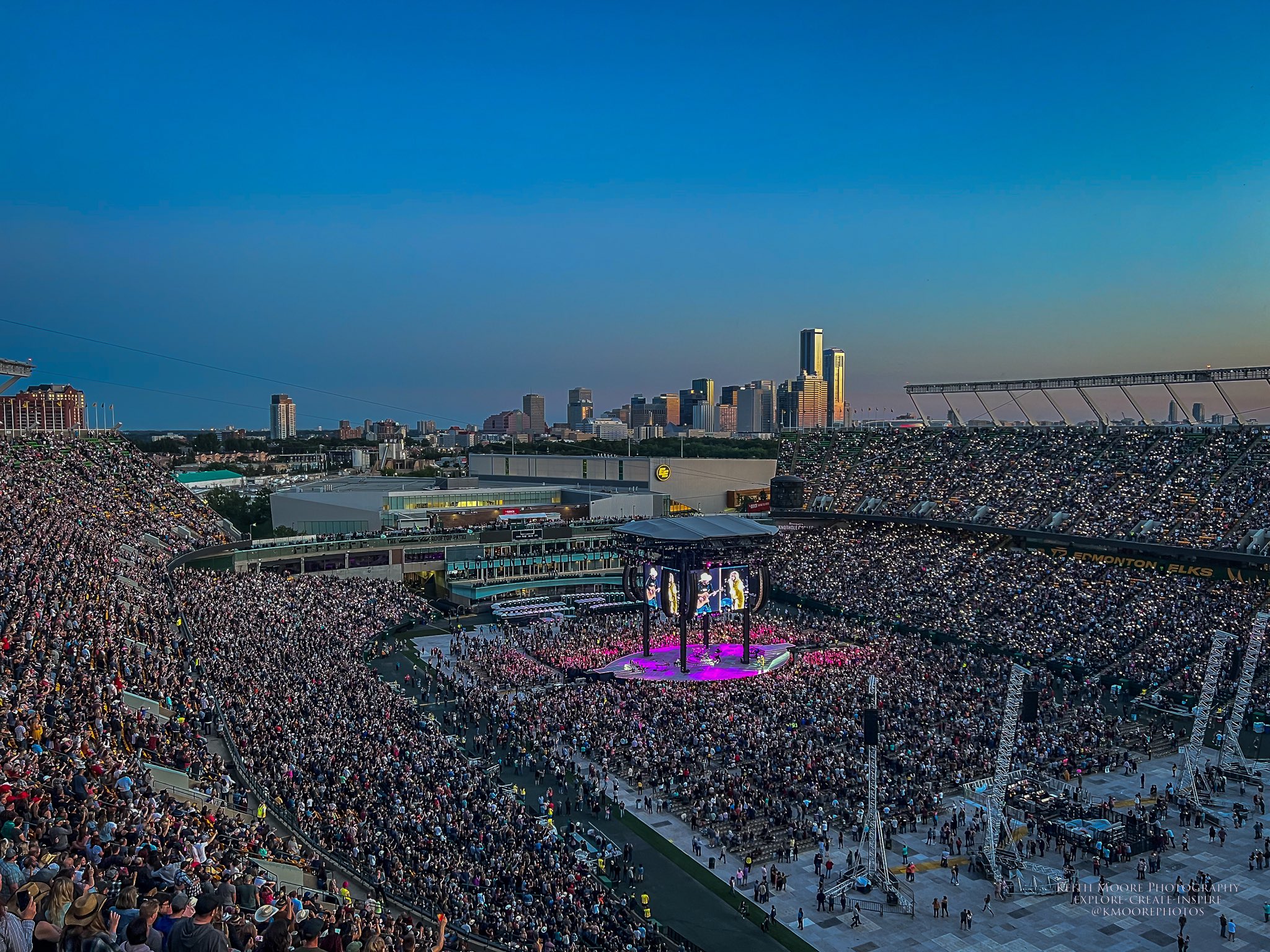
Part of it is that Commonwealth was never some grand architectural experiment. With the other three, it's really their roof designs that make them visually distinctive. Commonwealth on the other hand is just a large, normal-looking stadium that works well for the type of venue that it is, despite (and partly because of) a general lack of frills or distinctive features, which tend to get in the way when adapting these types of spaces for concerts, etc.
|
Indeed.
It was also a product of incremental improvement too. It was never envisioned as a super-stadium, a grand monument unto itself. It served a purpose and as that purpose grew, so did it.
Its relative lack of glitz and glamour makes it more interesting to me. A lot of historical places are like that. History becomes embedded in them because they were just ordinary places that became extraordinary through the events they hosted, not the structure themselves. Maple Leaf Gardens or Wrigley Field were not hugely unique buildings for their era, yet they hold a special place in our minds.
Whereas the Big O sits quiet, a hulking, underused monument to grand vision. Some history happened there, yes, but when the thing does eventually come down, I do not think many will feel the same sense of loss.





 Prev
Prev







 Linear Mode
