Quote:
Originally Posted by Migrant_Coconut

See previous post, now edited. The entire SkyTrain network ends up being under 0.002% of BC's total output... as opposed to an extra 137% needed to electrify all cars in 2050. |
In terms of electrifying Amtrak's Cascades service, I totally agree that the amount of electricity required is so small that it is really insignificant when compared to amount of electricity generated. The bigger issue is convincing the freight railways (who own the tracks) to allow the catenary to be installed, as it poses a large number of risks to them.
In terms of electrifying all ground transportation, while that 137% sounds scary, you have to understand what it means. That is the increase in total demand, not peak load. Off-peak, most of the generators are turned off, thus there will be some reserve capacity (granted some hydro-electric dams can act like a battery by letting their reservoir fill up, but once it is full, they need to open up the spill ways if there isn't demand for electricity). Since most EV charging is done off-peak, they can create a demand for that excess capacity, especially if a demand response program is used to a adjust the overnight charging rate to match the electricity supply (who cares if your EV finishes charging at 2am, 4am or 6am if you don't need the car until 7am).
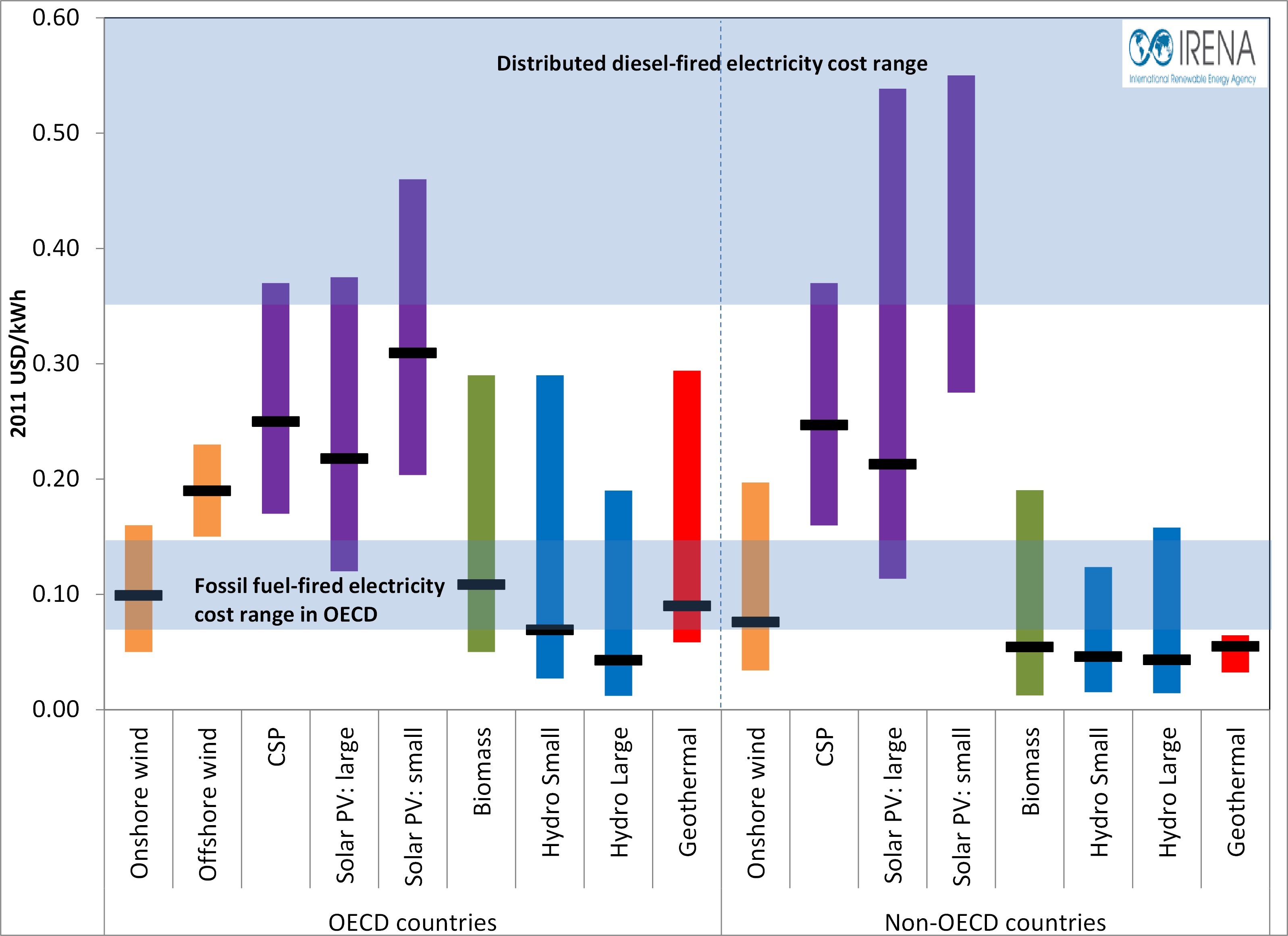
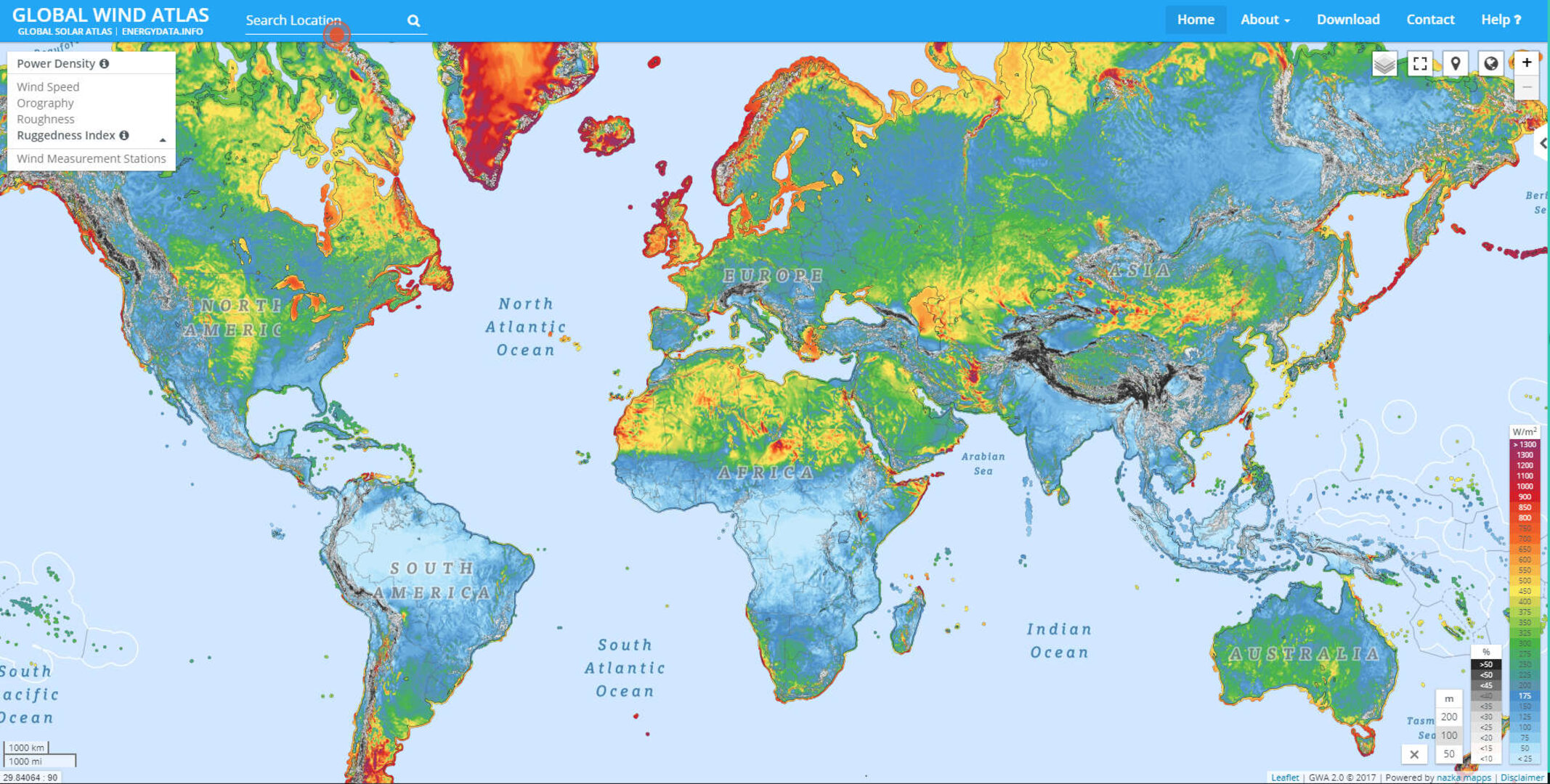
The other thing is BC should add wind power to their electrical generation mix. Wind compliments hydro very well as it can fill in the gaps when wind generation is low and "recharge" when wind generation is high. As a result it can significantly move the needle on annual electricity generation and even provide a little more peak generation.
Quote:
Originally Posted by VancouverOfTheFuture
you need to keep in mind the transmission & substation side of the coin. we may have the generation, but do we have the capability to move it where it needs to go?
|
I agree we can't forget about the transmission & substations; however, electrification of transport won't have as much effect on those as the fossil fuel industry likes to say.
Quote:
Originally Posted by VancouverOfTheFuture
one of California's big issues is the forest fires wreak havic on their transmission lines. from over heating/sagging/being in a forest fire/having to be turned off/etc.
|
California is suffering from decades of under investment in their electrical grid (much of which comes from private companies being more concerned about short term profits). AFAIK, BC Hydro has done a much better job at investing in their infrastructure.
Quote:
Originally Posted by VancouverOfTheFuture
if you dont have a reliable and sustainable way to get the power to where it needs to go, it doesn't matter how much generation you have.
without a good transmission system, BC Hydro would not be able to have dams up in the Peace River area.
|
I agree, but it isn't as if BC Hydro is unaware of this. The transition to electric transport won't happen overnight. Even if we stop selling new ICEVs in 2035, given how long cars last in BC, it will take a long time for the vast majority of vehicles on the road to be electric. That gives BC Hyrdo time to roll out upgrades to the network.
Getting back on topic, if we really want to live more sustainably, we need to rethink how people get around. A
well used train or bus uses a lot less energy per passenger than a car. Targeted investment in routes that will remove a significant number of cars from the road will significantly reduce our energy use.





 Prev
Prev






 Linear Mode
