Quote:
Originally Posted by hipster duck

That's definitely one kind of stroad - the kind that's masquerading as a street.
I also thought that a stroad could also be the kind that's masquerading as a road. This would be a suburban arterial that does a poor job at moving large volumes of traffic quickly or efficiently because there are tons of curb cuts and access/egress points, as well as a lot of traffic lights which have left turn cycles that add a lot of time.
|
Exactly. It's a space which is trying to make two contradictory promises to its users. It's saying that it's an access street (meant to facilitate access to adjacent stores, houses, local streets) AND it's a flow road (meant to facilitate fluid movements of people). Both can't be true in the same space, so it ends up doing a poor job of both.
The one way you can make it work is with multiway boulevards, which separate the access and flow functions: you've got the high-speed, high-flow lanes in the middle which allow vehicles to move without getting bogged down by local intersections, parking, turning cars, patios etc.; and on either side, you have the low-speed (20-30 km/h) slip lanes which allow for all these things to happen safely and comfortably.
Nijmegen's Oranjesingel is a good example of this: a major regional traffic and truck route that you can clear at a good clip and good flow...

... but on which you can comfortably enjoy a coffee on a patio, park without getting rear-ended, and let your kids walk and bike on.

This kind of separation isn't just for massive road ROWs either: The nearby S105/Sint Annastraat is only 21m wide, about the same as the average 4-lane+sidewalk stroad in Canada.


The Netherlands is known for bicycle infrastructure, but what people tend to be surprised by is just how great a place it is to drive. In fact, it's consistently rated one of the best in Europe. I think a big reason for this is because the street design never makes false promises. You'll never have a wide lane that reads 70, but is posted 40 - the design will make it clear. You're never surprised by a school zone - the design will remind you to slow down.
In the case of stroads, the street will never promise you free flow then get you stuck behind an uncontrolled left-turning minivan trying to get to the McDonalds. Or it won't promise you street parking, but then have too much traffic flow to actually pull in or out. Instead, the street tells you clearly: this part is very slow, but you can park or make deliveries; this part is fast, but you have to be going straight ahead. And as a driver, the clarity makes driving easy, comfortable, efficient, and so much less stressful.





 Prev
Prev


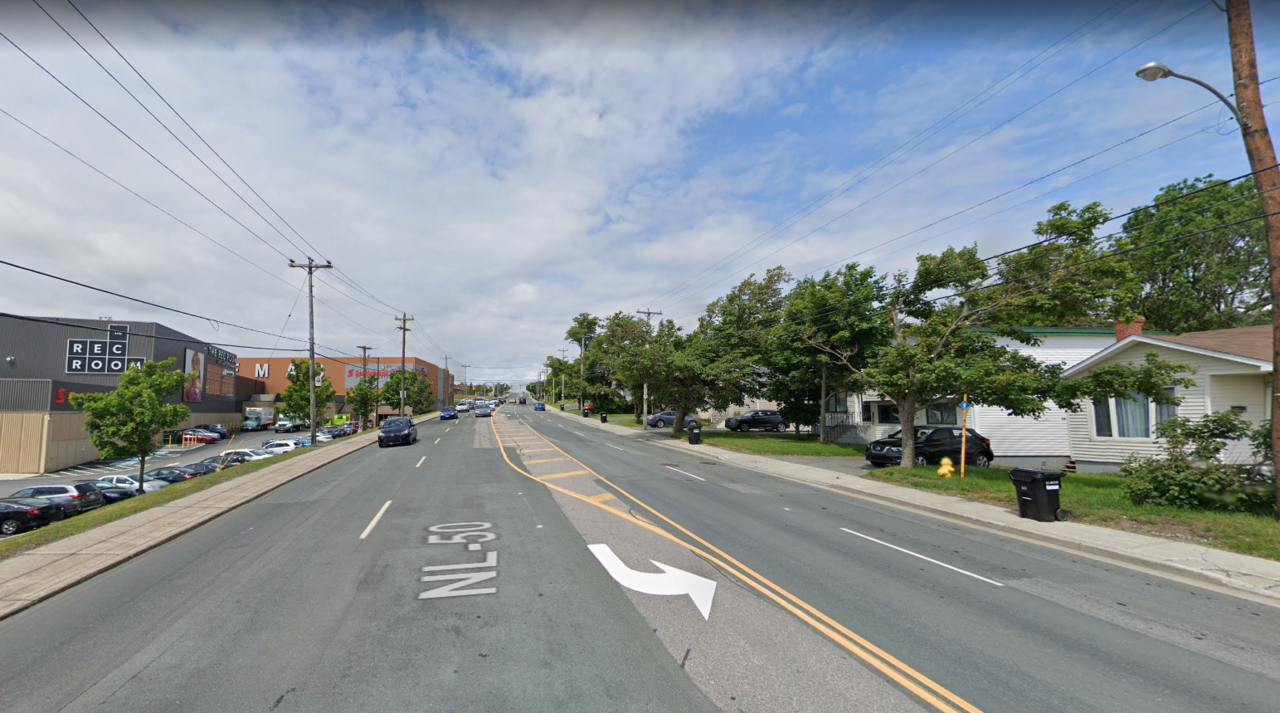


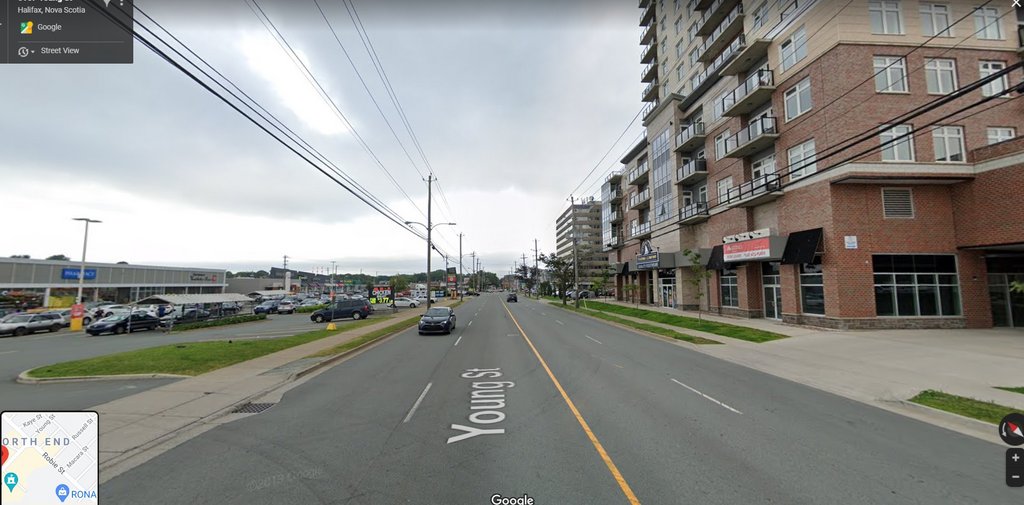


 Interesting. Those don't exactly look like the most pleasant street environments, but still, seems like a great way to retrofit stroads into something that are safer & more efficient for moving both cars & people.


 Linear Mode
