Quote:
Originally Posted by milomilo

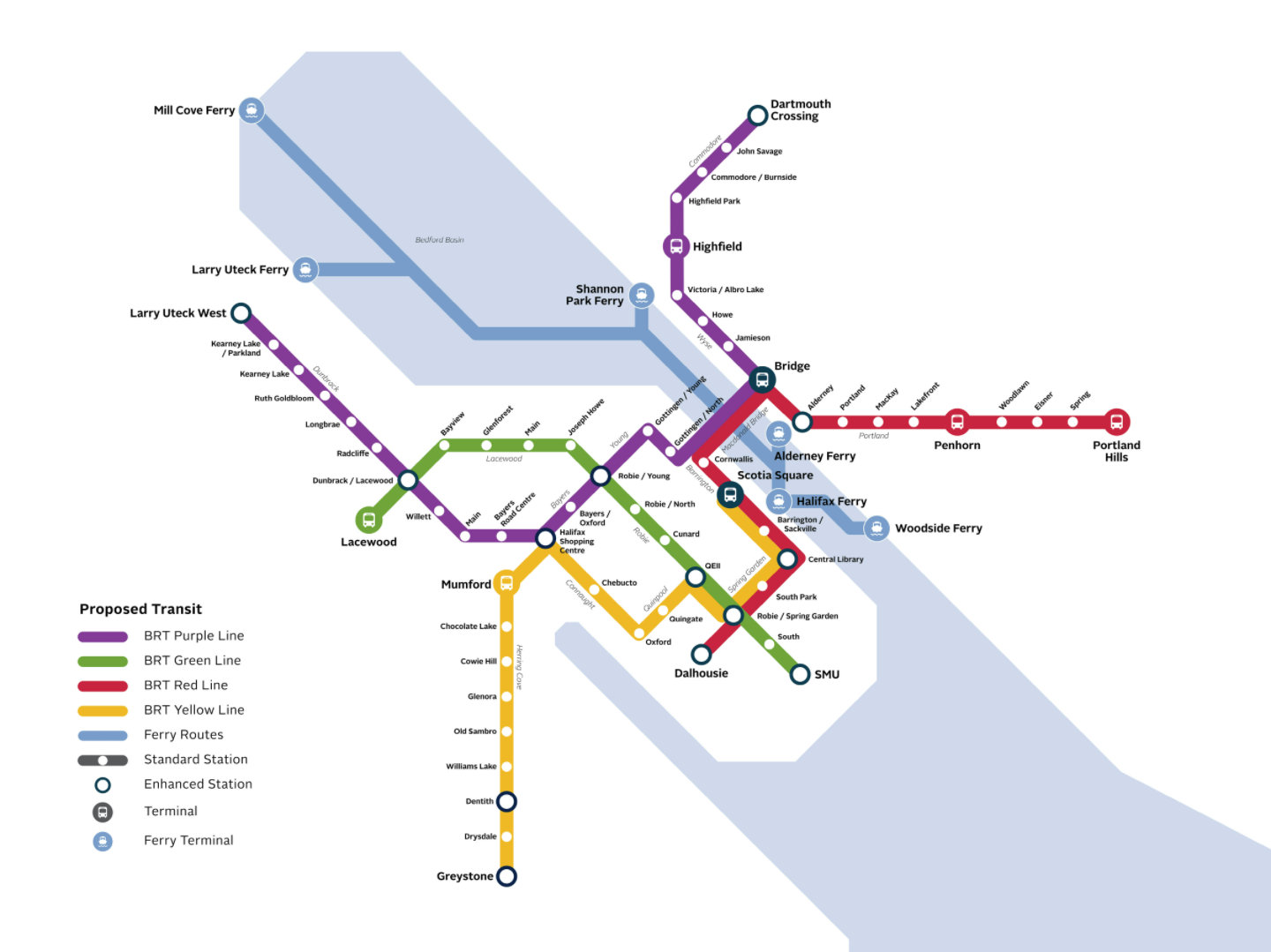
In regards to repurposing a lane on the existing bridge - it would totally make sense from a very logical thought process, if everything else was done to make it worthwhile. But in practise, unless you immediately built out a dense rapid transit network that would be useful to most people, it would be pretty annoying to have a 50% loss in capacity for vehicles when most people won't be living near a bus stop and will suffer an immediate drop in quality of life through an increased commute time.
|
There are currently 2 harbour bridges, one with 3 reversible lanes and one with 4 fixed lanes. The entity that manages the bridges has, as far as I know, talked about 2 transit lanes in the context of a 6 lane bridge, either the third crossing or MacKay (4 lane bridge) replacement.
Quote:
Originally Posted by Nouvellecosse
I think it's safe to say that most people live within reach of a bus stop, and many cities with LRT or metro don't reply on having riders all live near one of its stops and instead have feeder bus services.
|
One aspect of the bridges that may not be obvious to people from other cities is that the Macdonald in particular feels like an "inner city" bridge (the development on the Dartmouth side being a total mess, but it is not going to stay that way much longer). It is more for urban traffic including transit and less used by long-distance commuters from the suburbs. The MacKay is more connected to highways and more useful for suburban commuters.
Since the bridges already carry some transit traffic, switching a lane over to transit only is not a 1-for-1 loss of lanes for other kinds of traffic. Active transportation is similar. I think sometimes improved AT and transit infrastructure makes life easier for other kinds of vehicles.





 Prev
Prev






 Linear Mode
