Quote:
Originally Posted by scryer

if the feds and the province wants to invest in their harbours or tourism then I could definitely see Saint John taking the lead over Moncton. I'm also interested in hearing more of your thoughts about Fredericton being the 'Dark Horse' since I have never understood its advantages. I understand that it has the UNB there but I am also wondering how else it contributes specifically to NB's economy. From the outside looking in, I'm unable to tell what advantages it has over Moncton and Saint John?
|
I've just realized you guys have been discussing the three NB cities without any NB input.

I'll deal with
Fredericton first:
- Freddy is truly a dark horse for growth in NB. It's been quietly gaining momentum now for the last 20 years, and has just recently become one of Canada's newest CMAs (pop ~ 108,000).
- Freddy has a strong and extremely stable economy, based on the pillars of government(provincial capital), universities (UNB, Saint Thomas), and the military (CFB Oromocto).
- Freddy therefore is a classic small university/governmental town, with leafy streets, situated on a bend of the Saint John River, and is very attractive. There are surprising amenities for such a small city including the world class (really) Beaverbrook Art Gallery, and The Fredericton Playhouse (home of Theatre New Brunswick). People like living in Fredericton.
- UNB has a law school, and particular strengths in it's engineering and computer science faculties. Lately the university has been leveraging these attributes in fostering small start-ups, and in collaborative ventures with world class companies (for example with IBM in cyber security). Local industrial parks are benefitting from these ventures. UNB is following the lead of Kitchener-Waterloo in this regard.
- Because of UNB, lots of foreign students are coming to the city, and many are staying, and contributing to the city's growth as well as contributing to the communities multicultural vitality.
- Fredericton, unlike Saint John, is located directly on the Trans Canada Highway, and is directly connected to the North American divided highway system via NB-95/!-95. This makes the city at least competitive in terms of attracting commercial/industrial growth.
Now for
Moncton:
- The Moncton CMA overtook Saint John about 20 years ago to become the largest in the province (pop ~ 158,000). Moncton has been consistently growing for nearly 30 years. Saint John has been stagnating.
- There are two main drivers of growth in Moncton. #! is location, location, location. It lies close to the geographic centre of the Maritimes and all traffic to NS, PEI and even NL has to pass through the city. Moncton is the regional hub for road and rail traffic in Atlantic Canada, and a prominent hub for air traffic too (not so much for passengers, but it compares well with Halifax in terms of air cargo, has the largest flight school in Canada, and is the home for the regional high level air traffic control centre in the Maritimes). Because of these geographical advantages, Moncton is a major logistics centre for eastern Canada, kind of like a smaller version of Winnipeg.
- While Anglophones (rightly) view Moncton as the "Hub City", the large Francophone population in the city views Moncton as "the capital of Acadia". Moncton has the largest francophone university outside of Quebec (UdeM), and it is blessed with all the same graduate and post graduate programs that UNB in Fredericton has. The main francophone hospital in Atlantic Canada (the Georges Dumont) is located in Moncton, and combined with the anglophone Moncton Hospital, gives Moncton the largest medical establishment in the Maritimes outside of Halifax. There are about 5,000 hospital employees in the city and over 400 physicians.
- The presence of about 50,000 francophones in the metro area gives Moncton tremendous advantages in the customer contact industry, and over 5,000 people are employed in customer contact as a result.
- In addition to this, Moncton (perhaps surprisingly) has a lot of strength in the banking and insurance industry. Major banking presence in the city includes RBC, TD Bank, Tangerine and the National Bank. Moncton is also home to Assumption Life and Medavie Blue Cross Insurance. The banking and insurance industry in the city also employs over 5,000 people.
- Moncton is a major centre for regional federal government employment. This includes the Atlantic Canada Opportunities Agency, Transport Canada, Corrections Canada, and Fisheries and Oceans Canada (the Gulf Fisheries Centre). The Gulf Fisheries Centre in fact is slated to be the site for a $500M "Atlantic Science Centre of Excellence" to be built in the 2020s. Moncton is much like Kingston in this way - a non governmental town with a disproportionate government presence.
The governmental presence in the city as well as the large hospitals, universities (UdeM & Crandall) and the banking and insurance industry gives Moncton a highly stable and reasonably wealthy economy.
- Moncton is ideally located in close proximity to beaches, two national parks, PEI and has a zoo and major amusement park, giving the city a viable tourism industry. Moncton also has the best shopping in the region outside of Halifax.
And finally
Saint John:
- SJ is a great lady of a city, with a tremendous built form and the best skyline in NB. It was the engine of NB for about 200 years, but began to fall on hard times in the late 1900s. The city has stagnated for as long as I have lived in the province.
- Part of the problem with SJ is location. Back in the days of sail, and before confederation, the harbour in SJ was a tremendous advantage. Most of the provincial trade was with Boston, and it was only a 2 day sail down the Bay of Fundy to get there. Confederation however led to the National Policy and new trade barriers with the US. Suddenly Maritime trade was directed to central Canada, and the railway hub for the region was Moncton, not SJ. This stifled growth. SJ still isn't on the TCH, and a detour is required to get onto the great national highway.
- SJ decided to pin it's aspirations for growth on heavy industry and the Irving empire. This certainly has been beneficial for the city in the past, but as elsewhere in Canada, there has been an industrial decline in the late 20th century, and there are a number of brownfield sites in the city. These have been difficult to redevelop. there are signs however that things are turning around.
- The uptown area of the city has one of the best collections of preserved 19th century architecture in the country. This has been great for tourism, especially recently the cruise ship industry. There have been successful initiatives in gentrification in the last 10-15 years, and the uptown is definitely coming back to life. The city in general has grown over the last census period and now stands at about 130,000 (CMA).
- SJ is the home of the Irving corporate HQ, and their new office building downtown is the nicest office tower in the province. SJ also is home to a campus of UNB, and although not as large as the Fredericton campus, it does contain the provincial anglophone medical school. The Saint John Regional Hospital is also the largest single hospital in the province, and provides more tertiary services than any other hospital in the province. As such, the city also has a stable base of high income individuals to help stimulate the regional economy. Unfortunately these people all live in suburban Quispamsis and Rothesay, and therefore do not contribute to the city's tax base. This is a huge issue for SJ as most suburban areas of Freddy and Moncton are located within city limits and are captured within the city's tax base.
SJ therefore has challenges that Moncton and Freddy do not face, and this will likely affect growth patterns into the future. I predict slow but steady growth in SJ, but that Moncton will continue to pull away from SJ in terms of population in the future. I will also go out on a limb and predict that Freddy will overtake SJ in terms of population within the next 25 years or so.





 Prev
Prev



 There are no high rises near KGH, they are pretty much all clustered in the Landmark/Orchard Park area and Downtown/Lakeshore area.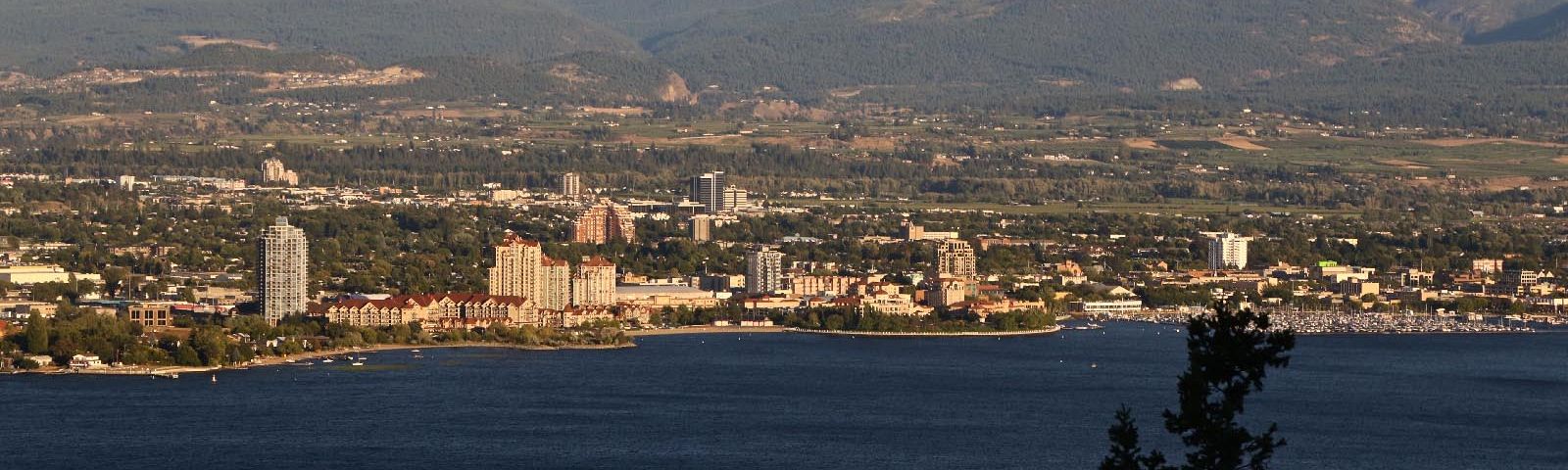
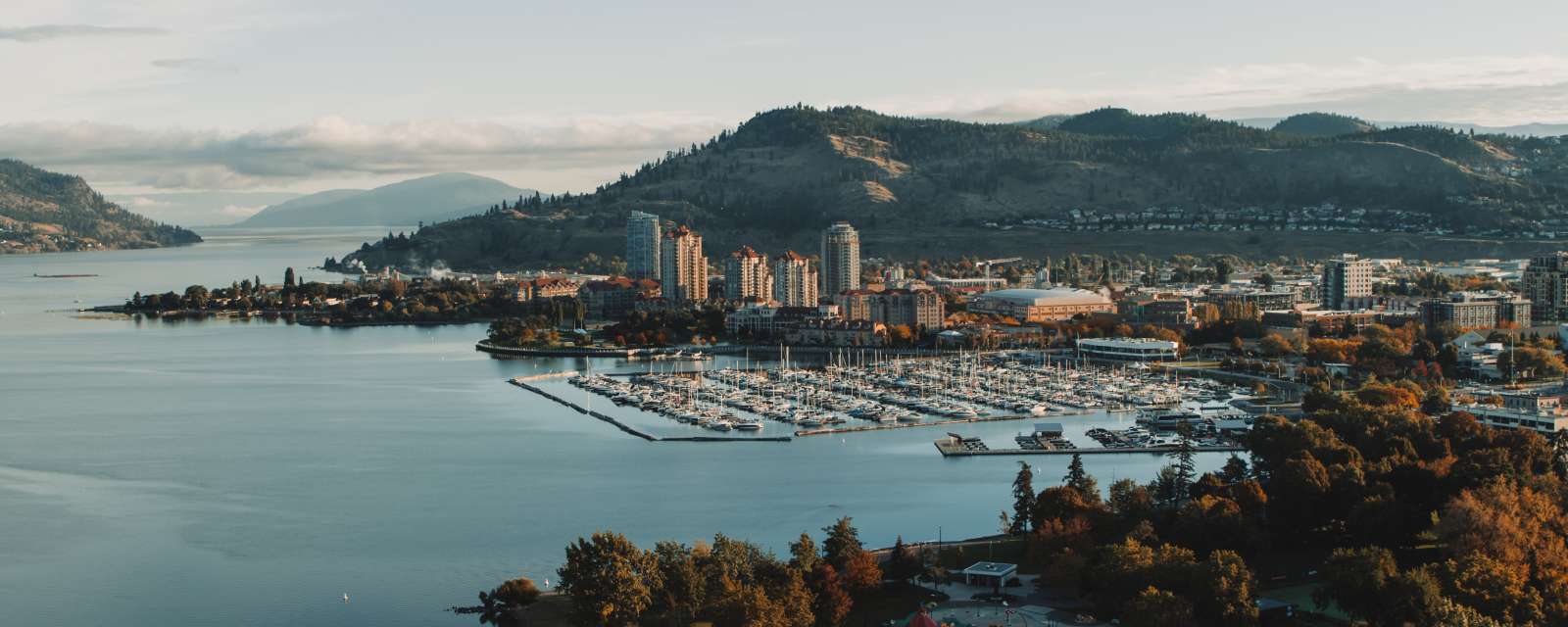
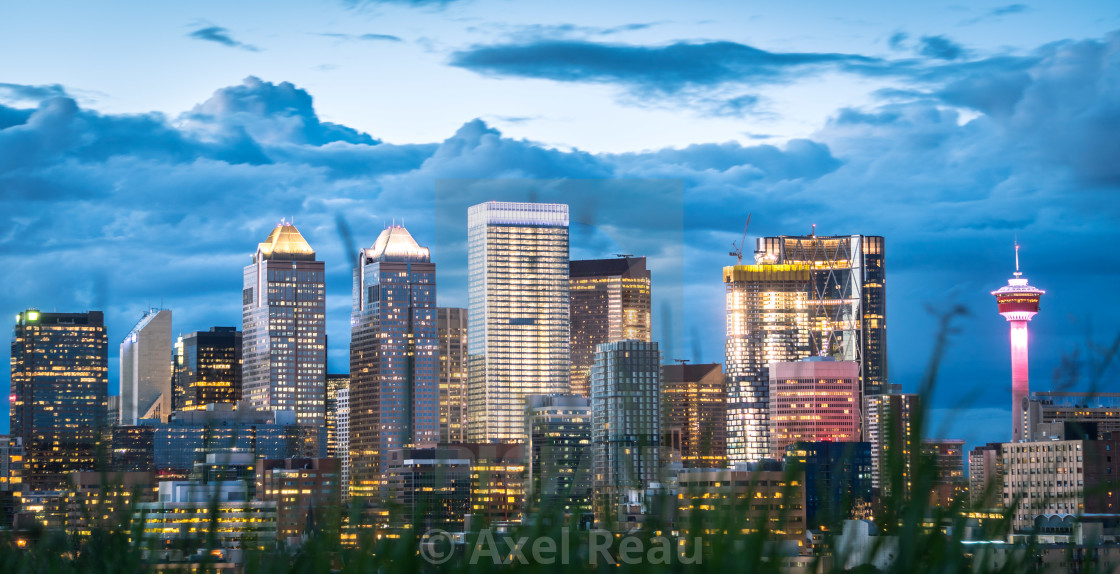
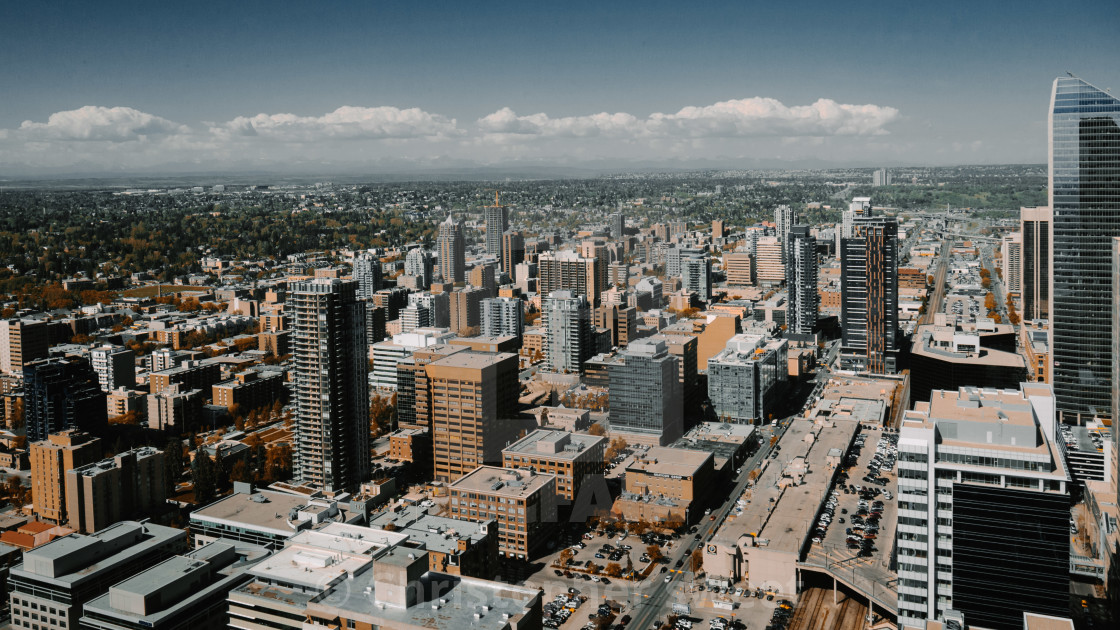
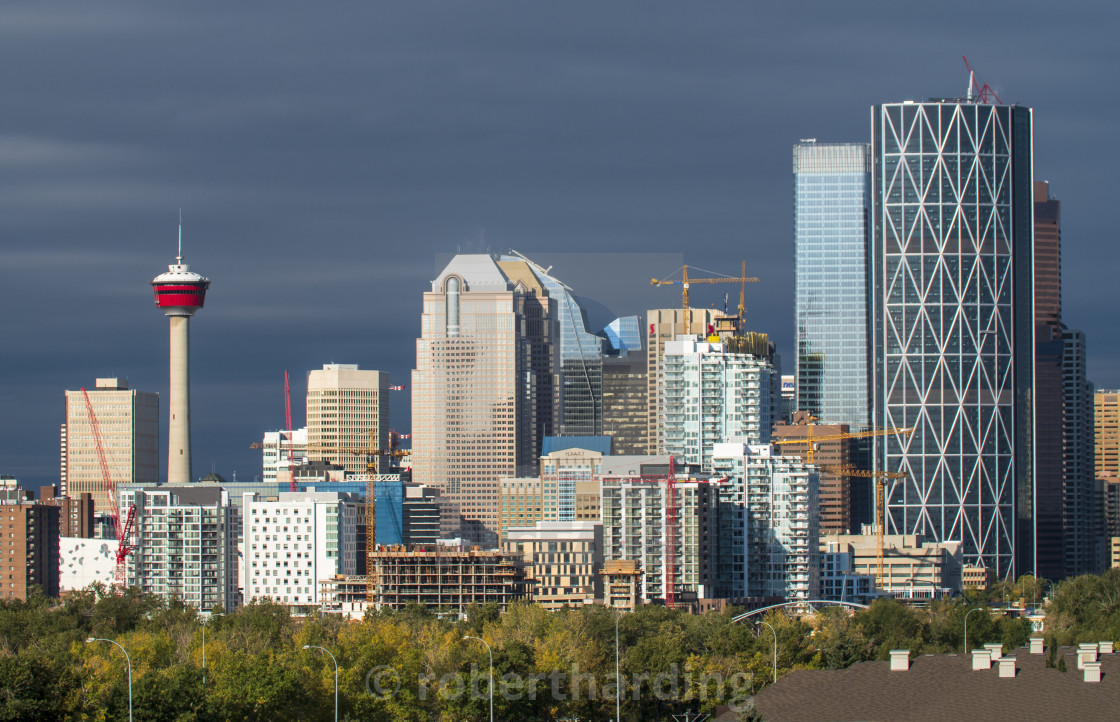
 I want to like the place (the people I met there were generally pretty cool, although there's some selection bias at play) but it's very... bland. It feels like the suburbs of a farm, and most other farming areas in Canada do look more idyllic (to me) but to be fair the area is very productive. And the mountains are pretty neat.

 ?
?









 Linear Mode
