Quote:
Originally Posted by Klazu

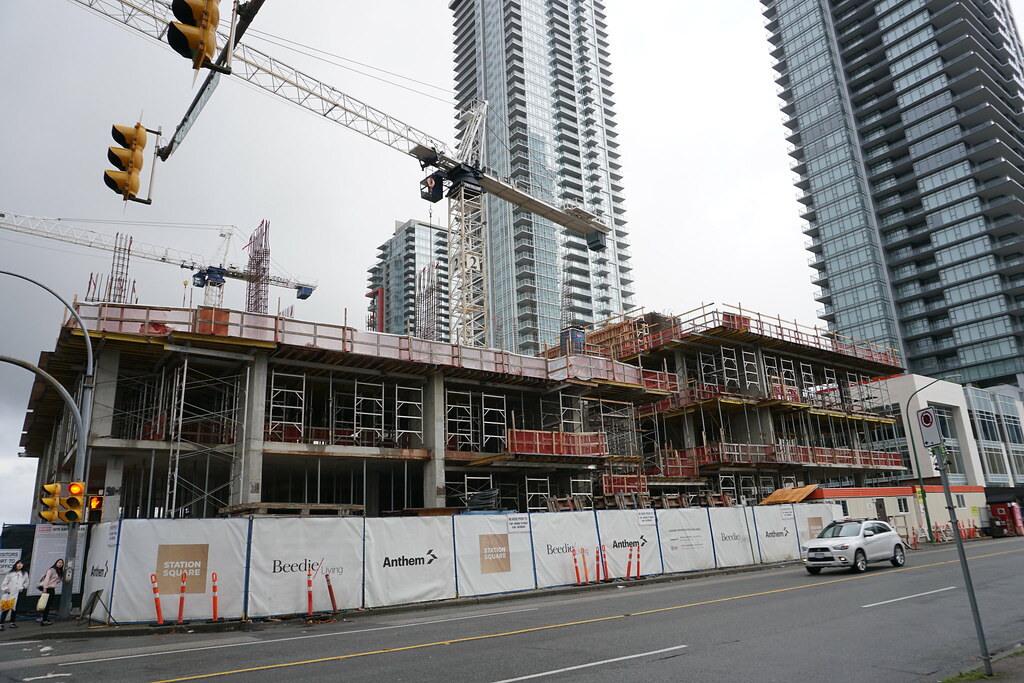
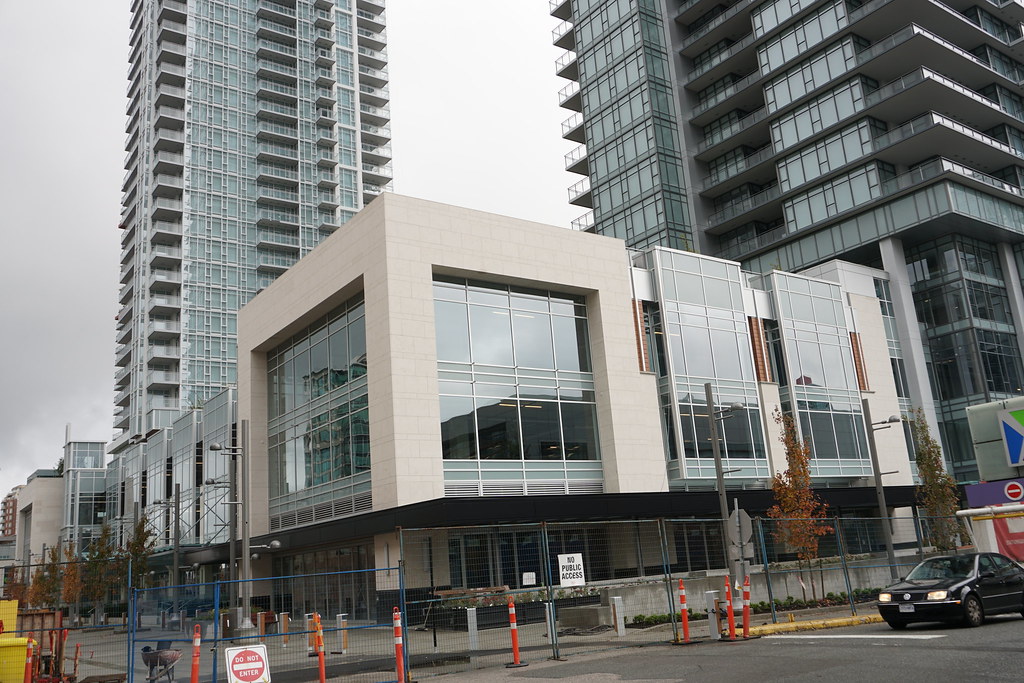
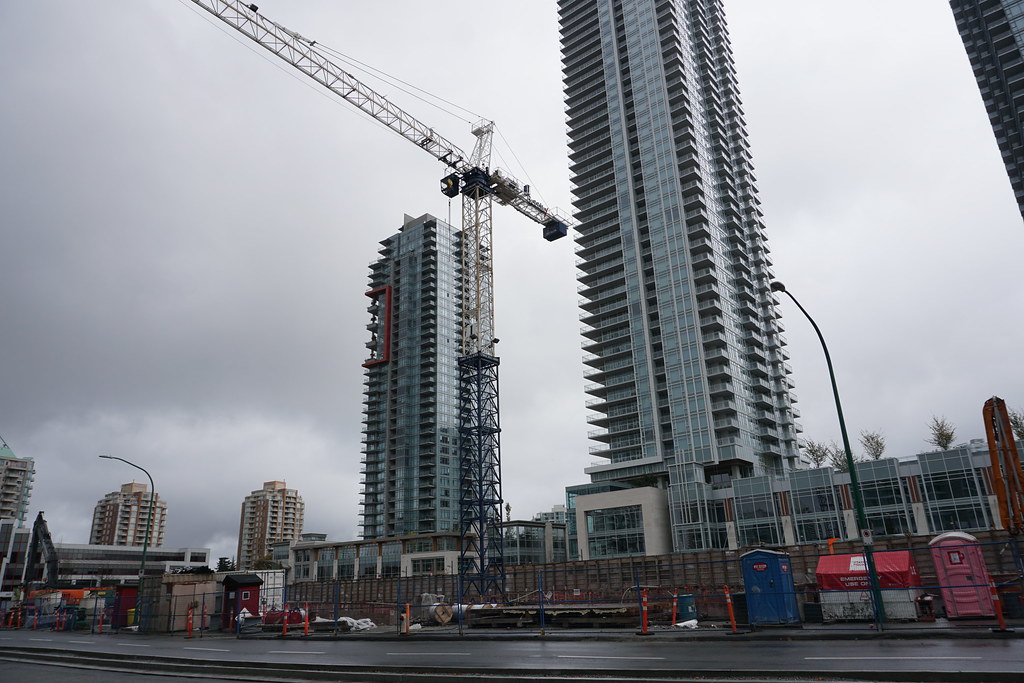
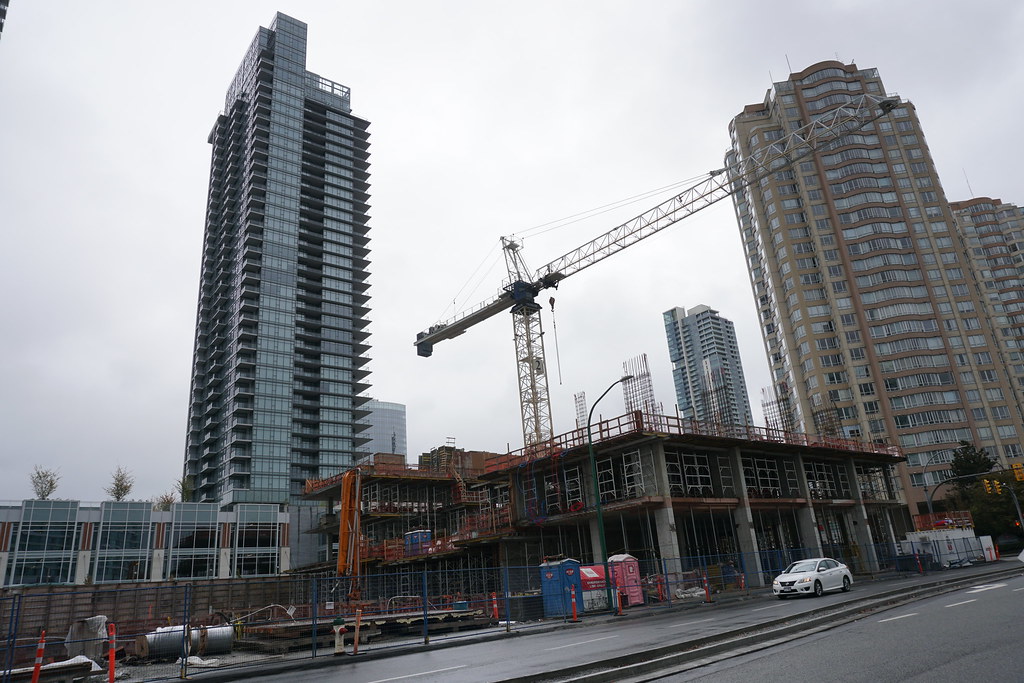
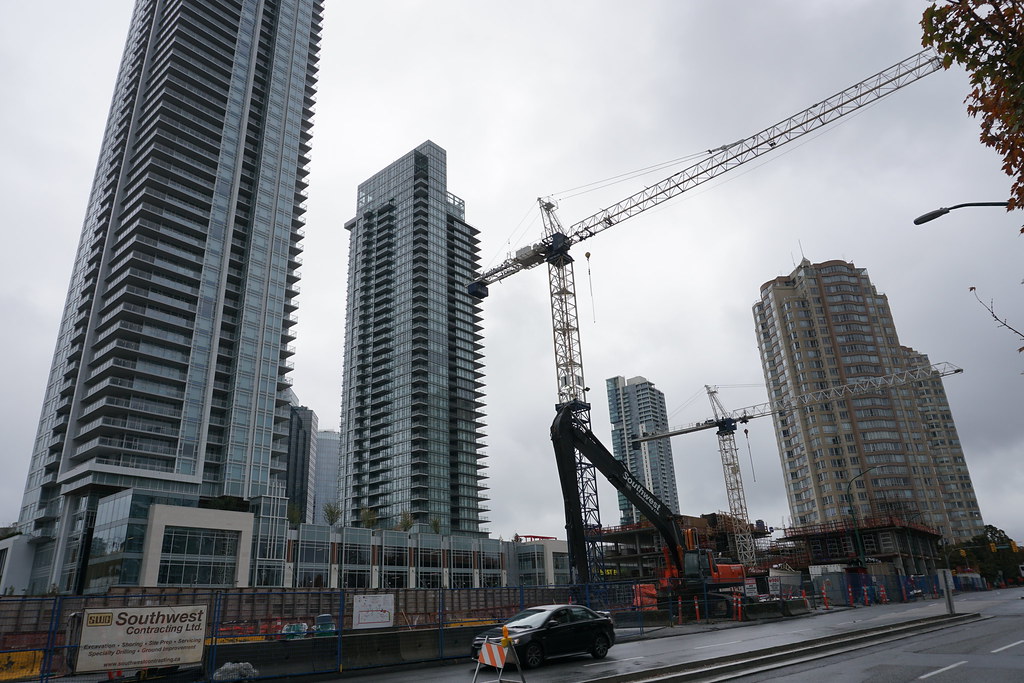
Both towers 2 and 3 are now completed and move-ins have been happening for the last 1+month. I can slowly see more and more lights in windows, but it must take MONTHS for all people to move in considering that the 48-storey tower 2 must have 400+ units.
There are so many 1BR units flooding the rental market right now, so if you are looking for one, there is definitely a supply of hundreds of new units in the Metrotown area. Hopefully this will push down prices.
I hadn't realized, but it looks to me that the taller tower 2 has some kind of amenity space at the very top? I have only seen one blurry photo from up there, but that would explain the strange shape of the top. Any idea what is located up there?
With over 400 units in the building, I really hope they have more than the standard 3 elevators. Like how many floors and units there must be before some code starts requiring the 4th elevator?  |
I don't believe it's a code issue per se, since elevators are not used for fire evacuation or to evacuate the building during any emergency (if anything they're reserved for firefighters and emergency first responders).
As such there isn't a minimum number required as such outside of the required elevators for accessible units (which are usually on the lower floors) and for disability considerations.
However, the industry rule of thumb is to require or provide (a minimum) one elevator per every 90 units in a residential high-rise building not counting any freight elevators (for the buildings that require or have them).
So for a 400 unit building you're looking at 5-6 elevators.
High-end luxury buildings will naturally tend to have an extra one or two elevators depending on what their floor layout can spare.
Most developers will go for the minimum requirement for obvious reasons.
There is one consideration, though.
For ultra-tall buildings and skyscrapers (300 meters and taller) it's the standard practice (and indeed code in some countries where such supertall skyscrapers are common like in Asia) to actually designate and require some elevators to be used for and during fire evacuation emergencies since the distance to descend by stairs would take too long during an emergency.
In such situations therefore, you'll find additional elevators (above the industry minimum standard) provided with extra fire safety protection provided.
This building obviously doesn't qualify for that nor is that standard used in BC residential buildings.





 Prev
Prev


 DSC01207
 DSC01212
 DSC01215
 DSC01218
 DSC01220


 Linear Mode
