Quote:
Originally Posted by manny_santos

It's hard to say. I think that in larger cities like Toronto, where there is a definite trend towards people living downtown compared with previous generations, this will be the case. However in highly car-dependent smaller cities, I think they will still dominate. Suburban people don't mind long trips to go buy a loaf of bread or a light bulb.
At the same time I think that online retail is a much bigger threat to big box bricks-and-mortar retail than where people physically live.
|
I agree that most people in the burbs will drive to get a lightbulb but then why don't they just drive to the mall where it's warm and dry in the winter and air conditioned in the summer? Hell most large malls even have underground parking so you don't have to brave the elements.
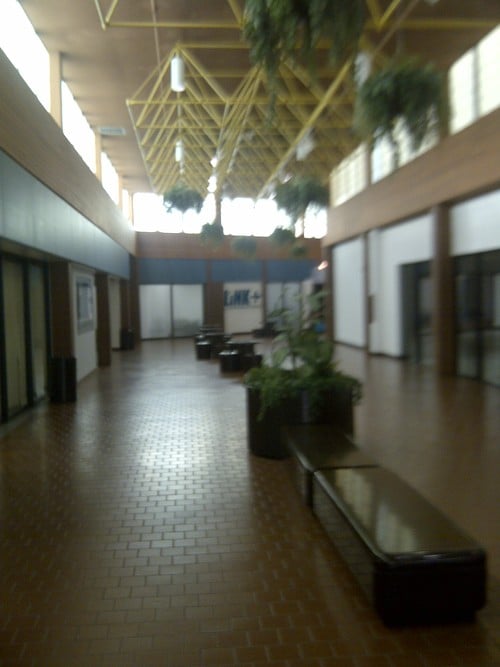
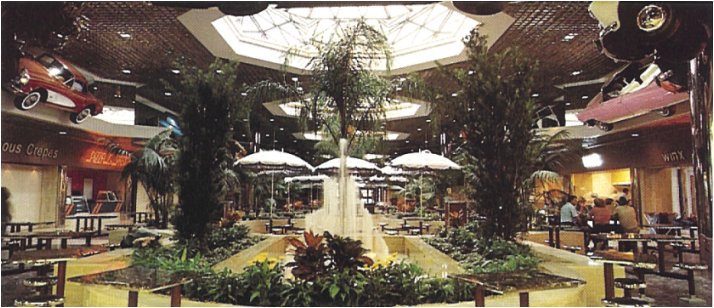
My point was that what killed the mall has had more to do with changing demographics than anything else. Those malls of the 70s & 80s were built to serve the burgeoning suburbs of the time but now those suburbs have declining populations and very importantly, few kids who are huge discretionary spenders.
In 30 years these current outlets will be facing the same fate as they kids leave leaving far fewer people and few kids. While I agree that many stores will feel the impact of online shopping, I think it's the changing demographics that has hurt these malls the most.
The current big box developments of today may fall to the same fate as the 70s & 80s malls. Seems unthinkable but 30 years ago the idea of dying malls was lunacy.





 Prev
Prev






 Linear Mode
