Quote:
Originally Posted by Austinlee

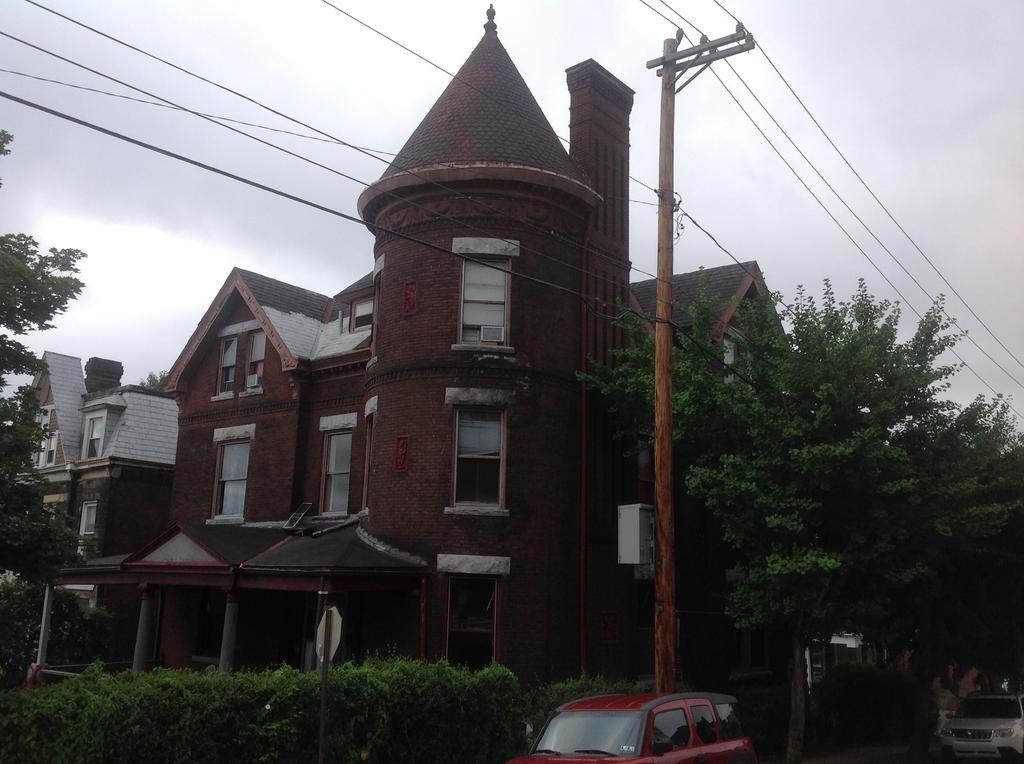
I agree that these couple of houses are actually the exception to the neighborhood, not the other way around.
|
One further point on the matter...
I've been arguing for years that something needs to be done about Oakland, because it was very clearly "full" for all intents and purposes. That's why over the past two decades we've increasingly seen students and people with university-affiliated jobs spill into Shadyside, Squirrel Hill, Friendship, Bloomfield, Highland Park, and now Lawrenceville and East Liberty.
To a great extent this has been a good thing for these neighborhoods, as it provided new residents in areas which otherwise would have declined even more steeply. But it hasn't been a great thing in a lot of these areas if you'd like to buy an old subdivided home and turn it back into single family housing. Or see an old building go condo so you can buy a unit. Or even just (until very recently) have higher-quality rental options. The student market meant there was a large proportion of people willing to pay inflated prices to live in poorly-maintained dump, so long as it was on an Oakland-convenient bus line.
I ultimately think therefore that if you care about East End neighborhood preservation more generally - about maintaining beautiful, historic housing options in this portion of the city - sacrificing buildings in Oakland is the best bet. Not to mention the most sensible from a planning perspective.
One final aside - I think the argument for preservation of similar-scale buildings in Downtown is much stronger for several reasons. One, Downtown is pretty universally (aside from some of the churches and bad modern towers) a zero-setback area, meaning the vernacular is already as urban as can be. In contrast, these houses are in "streetcar suburb" residential vernacular, set pretty far back from the street. That side of the block having zero setback would help tie a bunch of things together in the area, including
the residential streetwall a block up, and
the rickety commercial streetwall further down. For the same reasons, while it's possible to include the facades of old urban commercial buildings (or rowhouses) in modern construction, you can't really do it with the facades of these old houses - they're set too far back on the property.
The pumping station across the street is going to look like more of a sore thumb/gap in development once the new highrise is built however. I'm not sure what could be done though - it's just sited very poorly on that parcel from an urban perspective.





 Prev
Prev




 Linear Mode
