Quote:
Originally Posted by kool maudit

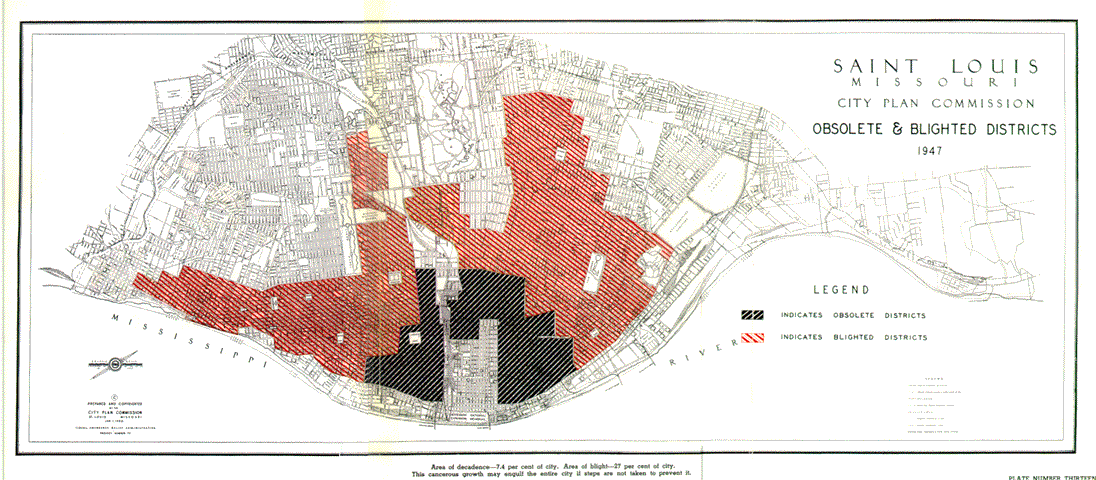
saint louis must have been a monster. had it remained intact, it would likely be the third greatest city in america in terms of pre-war expanse. what a loss.
|
Don't forget Philly. And while the quality of the building stock is one thing, just as far as expanse goes, St. Louis was only the 8th largest city in the country by 1950 (down from 5th in 1900).
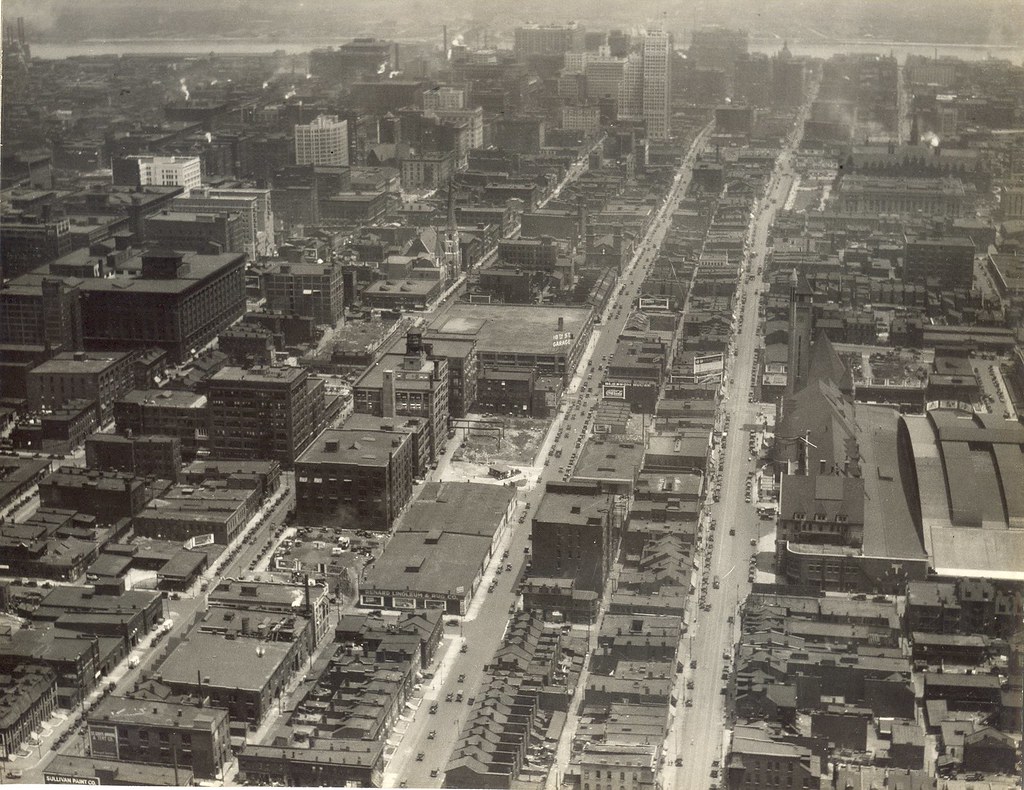
Though, looking through some old photos of it, I might have to reconsider my position relative to Cincinnati:


Cincy lost pretty well all of this:

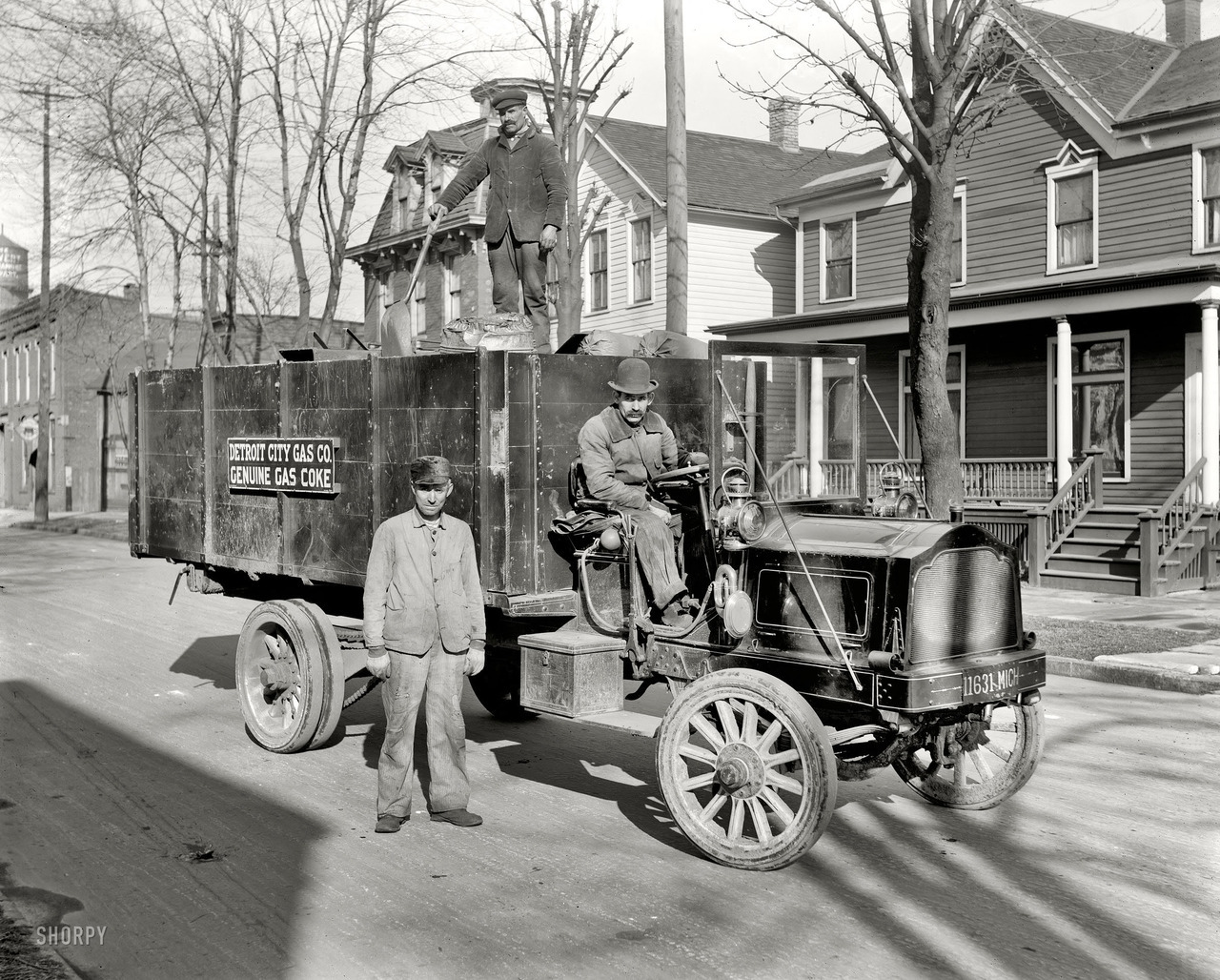
Detroit of course was even more devastated than either of these two cities (as were many others), but IMO the built form wasn't of the same value (on a national level - i.e. its inner city neighbourhoods wouldn't quite be considered a national treasure if they were still around). Detroit's most distinctive feature was probably its skyscrapers and grand buildings rather than its urban neighbourhoods, most of which remained intact.

Of course, not every city lost out. Among the big cities, New York, San Francisco, and DC's inner cities are all more urban than ever, as are a number of the (historical) second-tier cities like Seattle, Portland, Austin, and Miami. Chicago and Los Angeles have probably lost more than they've gained, but have nonetheless fared well. Meanwhile some other cities big and small like Boston, Philadelphia, New Orleans, Charleston, Savannah, Portland, ME, etc. escaped the post-war years relatively unscathed. And there a bunch more like Minneapolis, Baltimore, Milwaukee, Pittsburgh, and so on that have definitely lost out, but still maintain a cohesive urban form and aren't irreparable. Otherwise, the cities that were most devastated tend to be the ones that didn't really have a whole lot to begin with (eg. most of these
Oklahoma and Texas cities).





 Prev
Prev













 Linear Mode
