Quote:
Originally Posted by MolsonExport

Like others have said, the writing is on the wall. Malls die quite quickly, once a tipping point (exodus of a major anchor) is reached. I have seen this, time and time again.
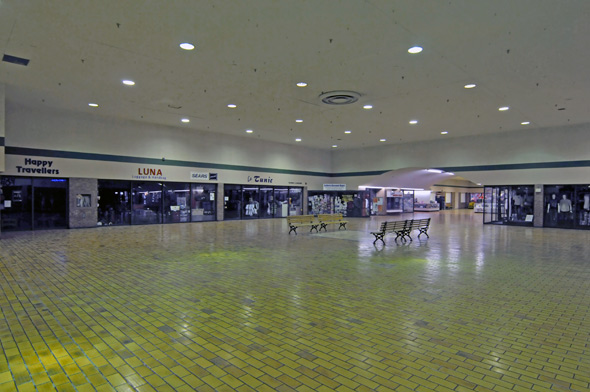
Take Westmount Mall (London) which went from 95% leased to 55% leased in about a year, as a cascading effect of reduced traffic>closures>reduced traffic, etc. occurred.
|
Againcourt Mall has been the way it is for years. It was like that when I used to visit it with a friend who lived near there in high-school. And that was like over 10 years ago.
Cedarbrae Mall near my house, also in Scarborough, is/was much like Agincourt Mall, or worse. They renovated the mall, and it is doing just fine. Again, not a ton of big chain shops. But a large number of local shops that cater to the ethnic groups in the area, plus big anchors like Canadian Tire.
The mall again is not a huge destination, but it provides its neighborhood shopping role on an o.k. level.
Canada does have to watch out. But so far, we just do not have the level of mall vacancy the USA has. Part of this is due to proper planning controls, which many on here do not believe in.
If you want to ensure a healthy downtown and suburban malls, then cities may have to take steps to again limit retail expansion, like cities like Ottawa did in the 70's and 80's.
In terms of London. It is no surprise there that a mall has died. Why does such a small city require so many malls anyway? Cities the size of London really could never support more than the downtown retail district, yet London, like many other smaller cities, went on a suburban mall building spree. Instead of doing innovative things like not allowing suburban mall development, and instead incorporating a mall into the downtown area(I mean one mall, not the Galleria which was built after the suburban malls were built).





 Prev
Prev




 Linear Mode
