Quote:
Originally Posted by isaidso

Either houses were available at $250,000 or 'home ownership for all' isn't something valued in that part of the US any more.
|
Your thinking here is muddled and error-prone.
First, you fall way outside the scope of the discussion and indulge in outrageously broad generalizations when concluding San Francisco's high home prices show everyone in this part of the United States no longer values owning a house.
Second, you have it all backward. It is precisely
because of the high value placed on owning a home here that prices are so very high; and because prices are so very high, many would-be homeowners must rent.
According to today's papers, the median sales price for all types of homes--condos, townhomes and single family detached--in the nine-county Bay Area is
$510,000. There is, of course, tremendous variation in median price by location: Alameda $448,250; Contra Costa $397,500; Marin $799,000; Napa $385,000; Santa Clara $645,000; San Francisco $815,000; San Mateo $726,000; Solano $238,000; Sonoma $376,000.
Your $250,000 detached houses can be had in Solano County cities like Fairfield, about 50 miles northeast of San Francisco.
Quote:
|
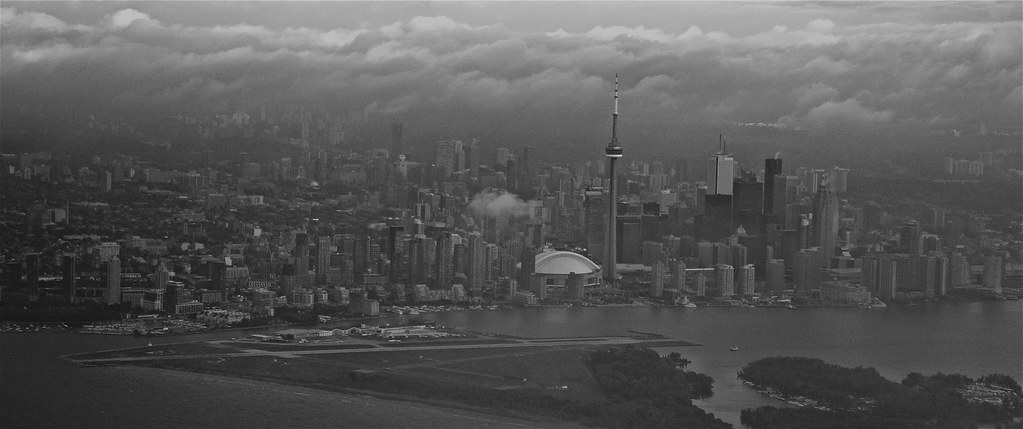
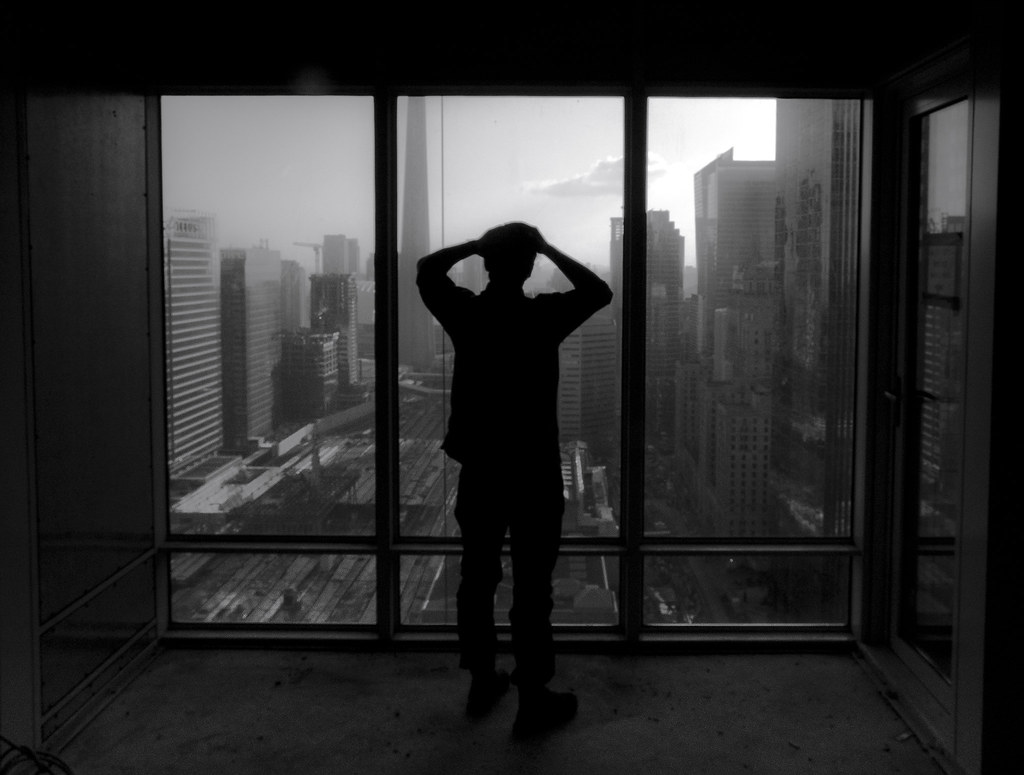
Where I live we make an effort to make the dream of home ownership possible if we can. We consider it more important than protecting the views of rich home owners. A house for $250,000 isn't an option in Toronto either, so we build high rise condos for those people.
|
Zoning for hundreds of high-rise private residential developments is the 'effort' you're claiming you collectively make, right?
Look, domestic and international demand for a pad in San Francisco will always outstrip the supply in these hilly, waterbound 47-square miles. Even if we filled all practicable sites with residential skyscrapers, prices would not likely drop down to something a retail worker could afford--the endless parade of foreign and institutional investors will still outbid the local cashier.
Of course, it's possible I'm wrong and that sort of building frenzy could indeed depress housing costs. Disappearing the mountains, hills, bridges, bay, and ocean behind tall, bland cement curtains could indeed slacken demand for living here, since such a place would be neither special nor attractive.
The beauty of San Francisco isn't the cityscape itself, but rather the setting within which this cityscape exists. It has always been important to keep the balance right--not allowing the built environment to overwhelm the natural setting, but not allowing the natural beauty to completely stunt the growth and prosperity of the city. I'm really glad prior generations prevented the wholesale destruction of this unique place, and I share their skepticism of theoretical arguments amounting to little more than the idea we need to destroy San Francisco in order to save San Francisco.





 Prev
Prev







 Linear Mode
