Quote:
Originally Posted by EastVanMark

Although Manhattan's job growth is being eclipsed by its neighbours unlike Vancouver, they still are expanding the stock of office space available which is in stark contrast to Vancouver's condos, condos, and even more condos. Would having another regional centre be a bad thing?- Yes. Why? Because since Vancouver has a century head start on any other municipality in terms of being a real force as a business centre for the region, it would take far too long for any one of them to reach similar levels Vancouver has today. This would just leave a watered down downtown which would just cause Vancouver to fall further behind other big cities.
|
New Westminster was arguably as or more important than Vancouver a century ago.
Prior to the condo boom of the late eighties and early nineties, and especially before Expo '86, Vancouver was widely considered to be a cultural and commercial backwater by North American standards. Whether one wants to attribute the city's increased importance to the condos or not, it is obvious that it's profile has improved in lockstep with an increase in people residing in the core. In other words, those condos haven't hurt us so far, and even a cursory glance around our downtown core will notice that many of our most prominent downtown office towers were built during the same period - with two more big ones, I might add, likely on their way in the very near future near GM Place and Thurlow at Robson, and plenty of underutilized space near the core that will be ripe for redevelopment in the medium-term future. In sum, the historical evidence (ie. the correlatives) here suggests that any fears equating increased residential construction with commercial decline are thoroughly misplaced.
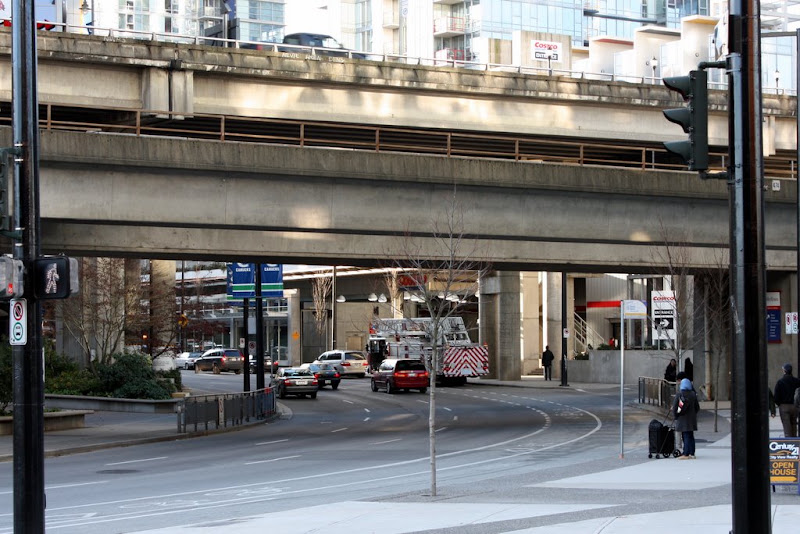
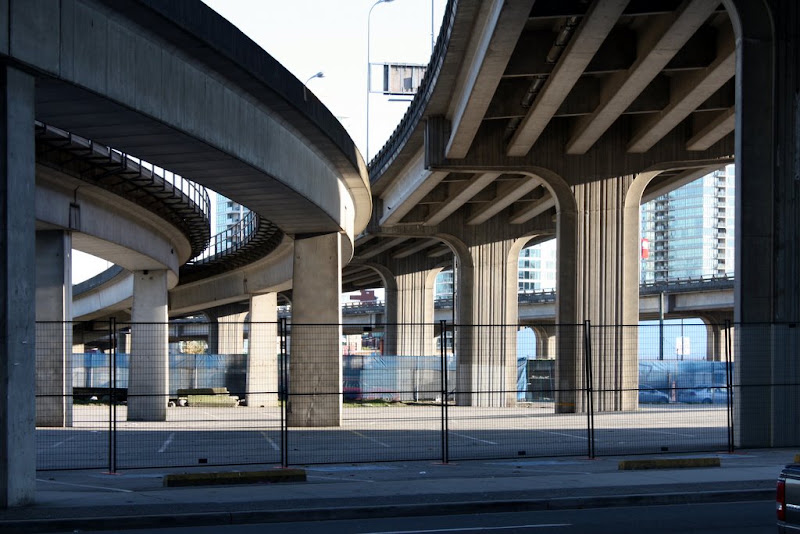
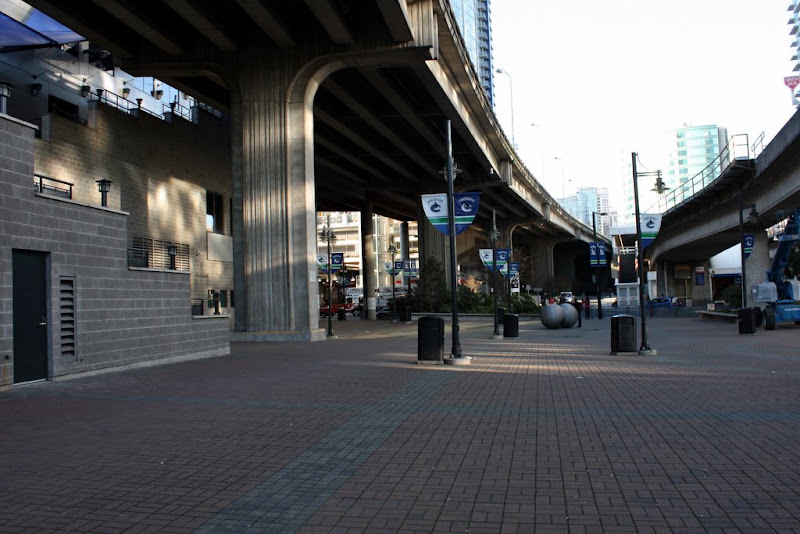
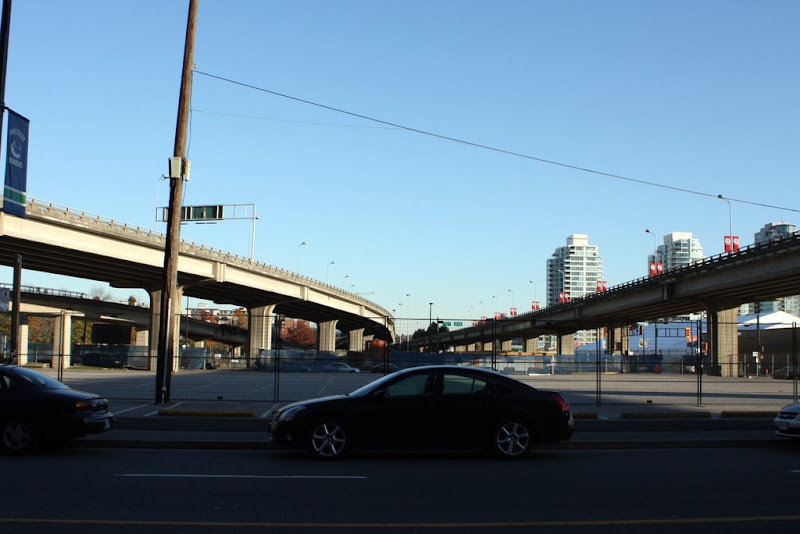
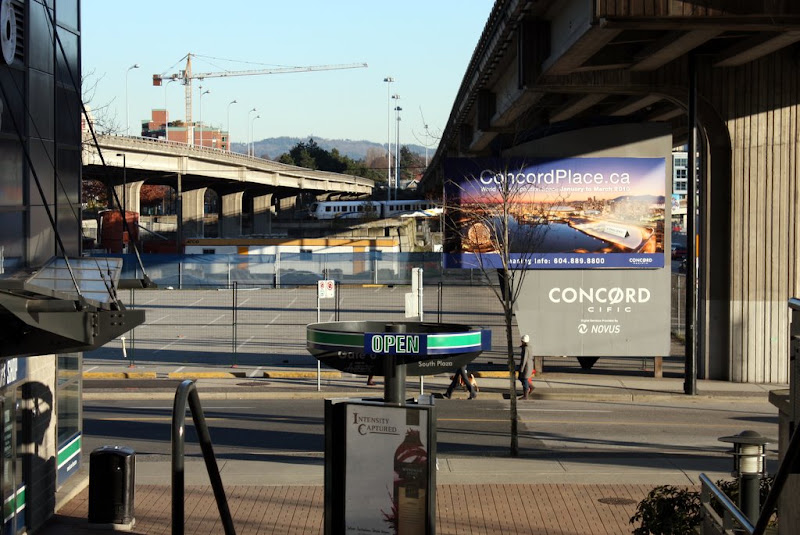
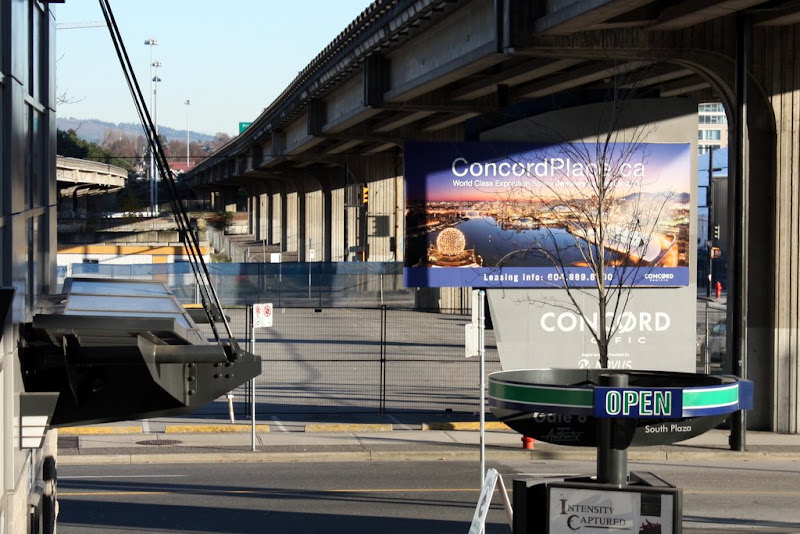
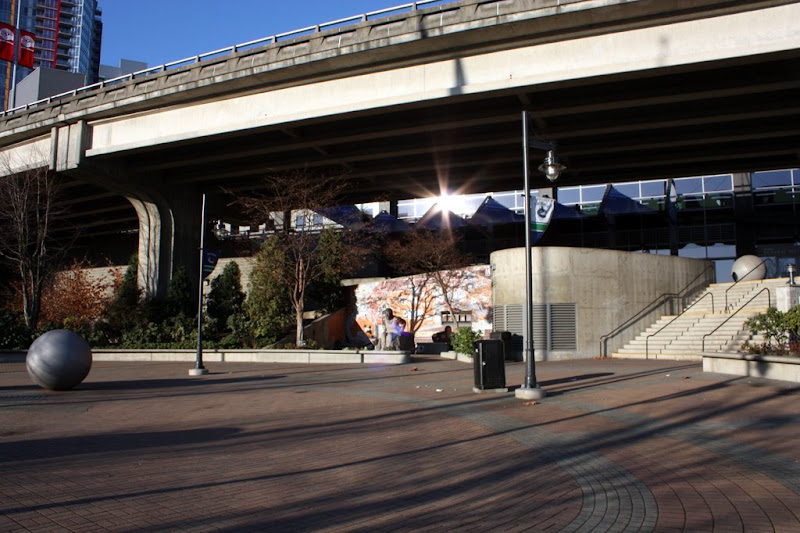
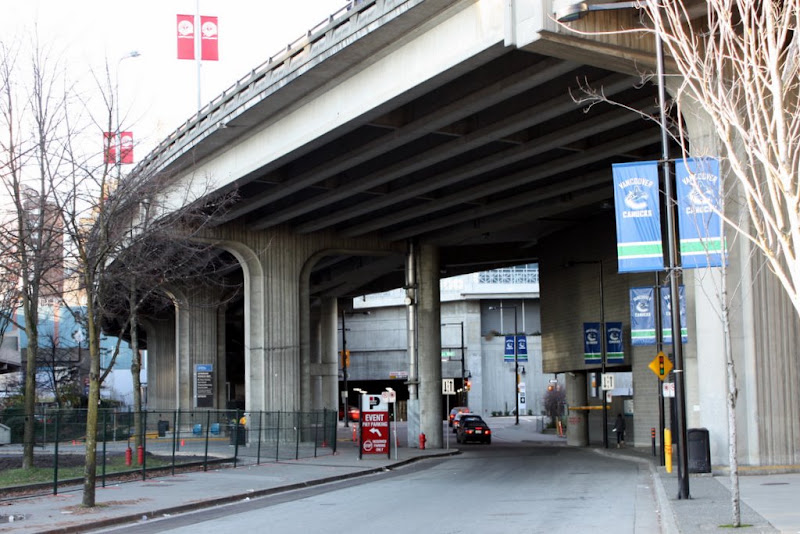
As for the viaducts themselves, I'm persuaded that life will go on whether they stay or not.
One more item, however. The biggest reason I believe the city is even studying the impact of viaduct removal has very little to do with "greenwashing" naivete, but rather with simple, cold-blooded economics. Witness the international attention this city has already garnered due to its unique "ecodensity" architectural trademark. "Vancouverism," as it has become known, is this architectural style, together with an infrastructural emphasis on transit, bike and pedestrian modes of transportation. Recent articles in international newspapers mention Vancouver's lack of a downtown freeway as something that makes the city unique and appealing. Mayor Robertson's recent re-branding of the city as the world's "Greenest City" is an attempt to cash in on and enhance this image, particularly before and after the Olympics, the end goal being to attract as many businesses as possible likewise keen on enhancing their "green" image - again, for simple, cold-blooded economic reasons.
I suspect the upcoming study will determine whether the potential economic disadvantages of removing such a key piece of automobile infrastructure offset the potential economic gains to be had from taking the city's "green" image and running with it.





 Prev
Prev




 Linear Mode
