link
Richmond’s signature street First phase of a redesigned No. 3 Road begins early next year
By Matthew Hoekstra - Richmond Review - December 05, 2007
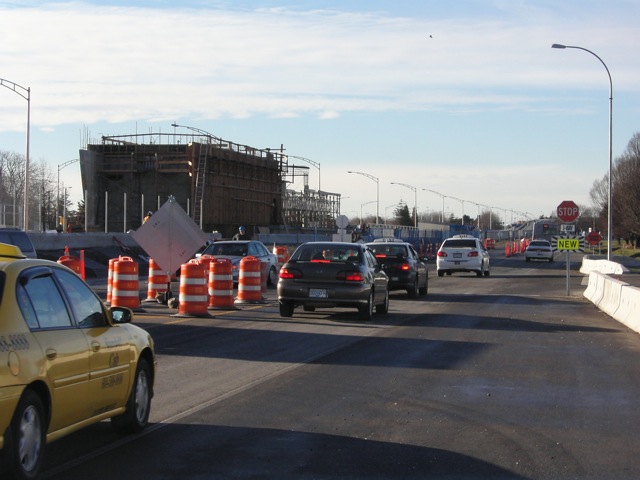
For almost two years, Richmond’s main drag has been a study of irony.
Its six-year-old bus lanes, meant to quickly shuttle commuters around, disintegrated into lanes of snarled general traffic and headaches for bus riders.
A vibrant city core crumbled into corrugated roads devoid of greenery. And civic politicians’ long-held dream of a street-level rail line moved skyward.
This is No. 3 Road—and it’s about to begin another, and perhaps final, step of transformation.
“It will the signature street in Richmond for sure. People knew it for its problems before. Now they’re going to know it for its function and its ability to bring life to the core,” said Greg Scott, director of the city’s major projects office.
In time for the 2010 Olympics, No. 3 Road—from Bridgeport Road to Granville Avenue—will be completely realigned, readjusted and reconstructed. Lanes, intersections, utilities, curbs, medians, raised bike lanes, sidewalks, paving treatment, landscaping, street furniture, lighting and signs will all be new.
The redesigned four-lane commercial corridor is meant to be Richmond’s Robson Street, its Champs D’Elysees. It will have three tiers: one for vehicles, one for cyclists and one for pedestrians. Northbound and southbound lanes will be separated by a treed boulevard and the rapid transit line columns will tower east of all No. 3 Road traffic.
Next to each right vehicle lane will be a raised bike lane for cyclists and sidewalks for pedestrians separated by a curb and landscaping.
“It will be the first time in the Lower Mainland that you’ll see a raised bike lane in such a high-use area,” said Scott.
A northbound bicycle lane will run the length of the strip; a southbound lane will be completed as redevelopment occurs.
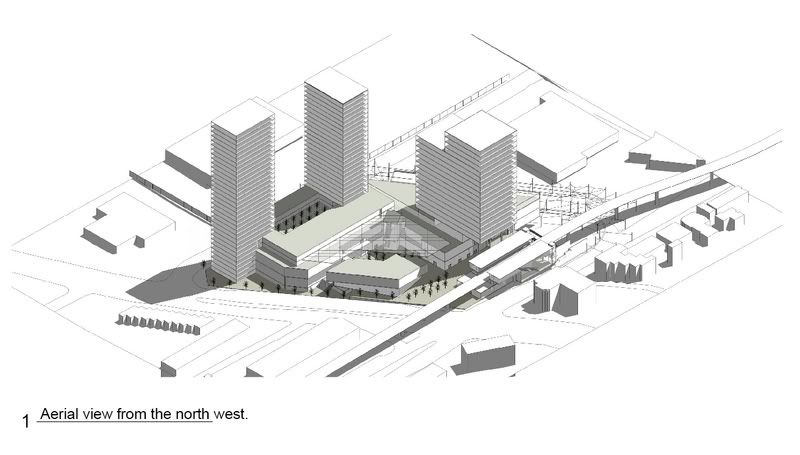
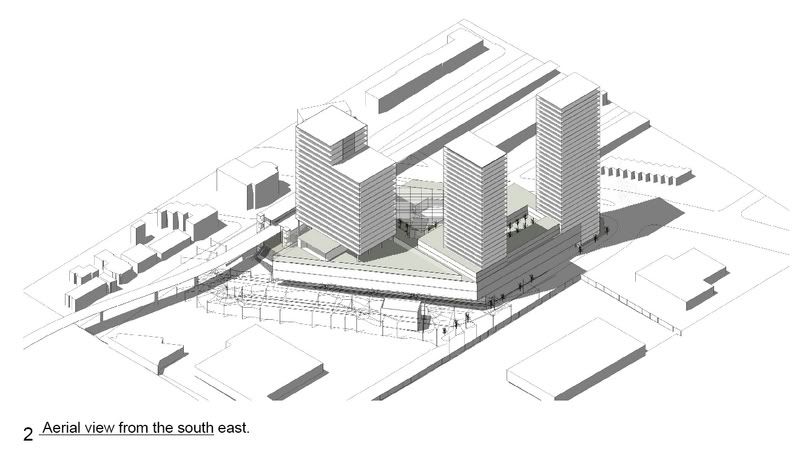
Residential high-rises will eventually take the place of old low-rise buildings on the strip.
Commercial complexes fronted by a sea of parking spots will transform into retail stores and coffee shops that bulge onto the street.
“We’re hoping it will really activate the street—the people zone (will be) a lot larger than it is now—and people will take advantage of that.”
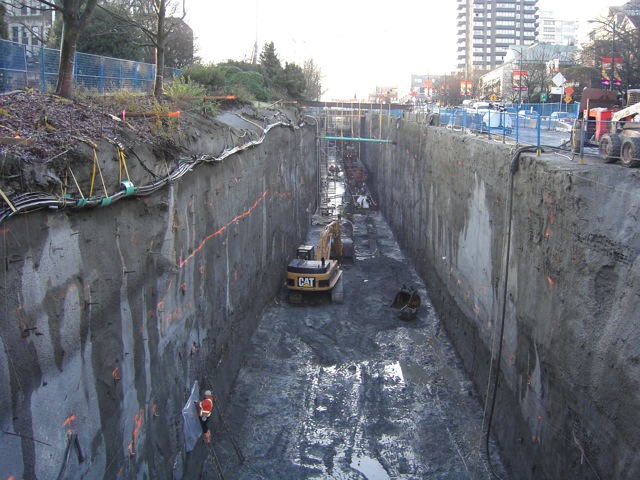
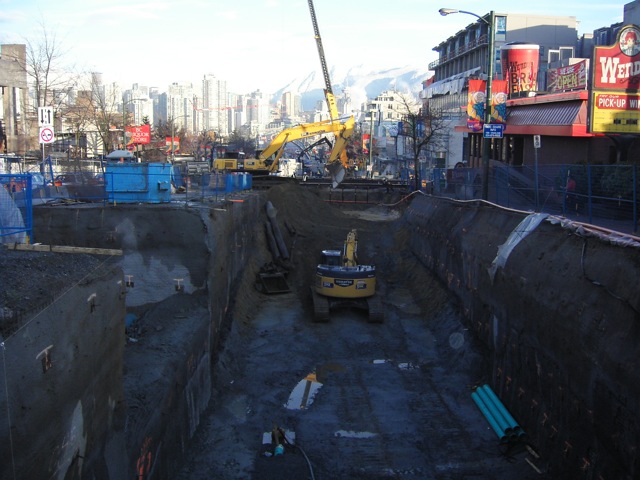
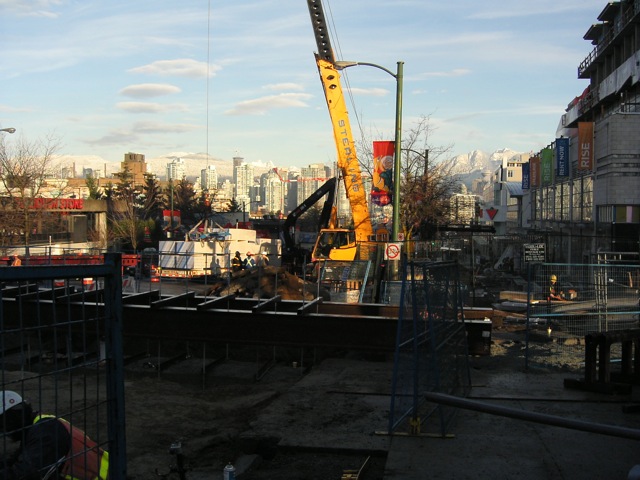
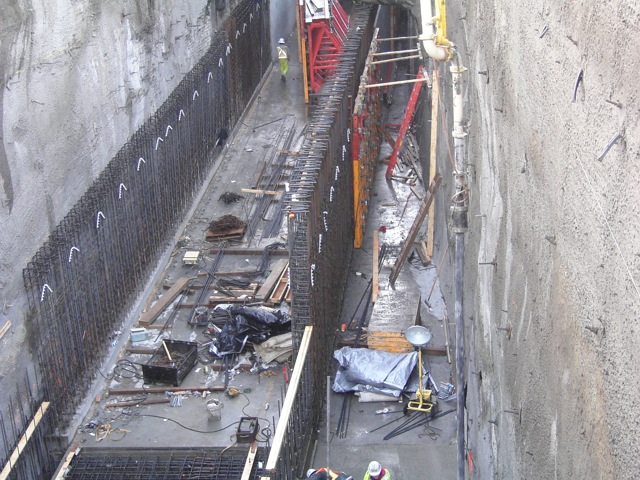
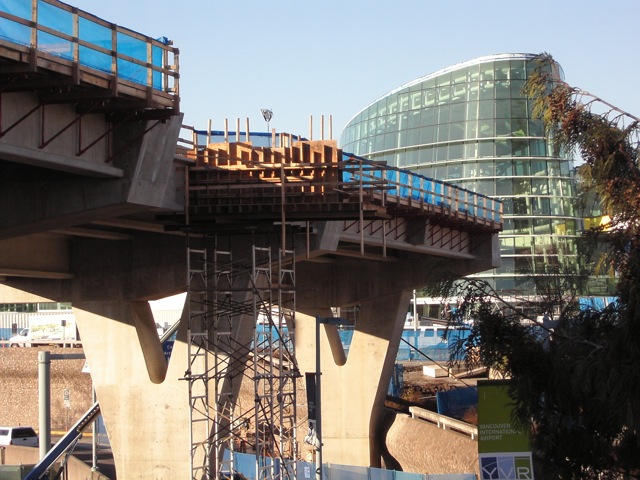
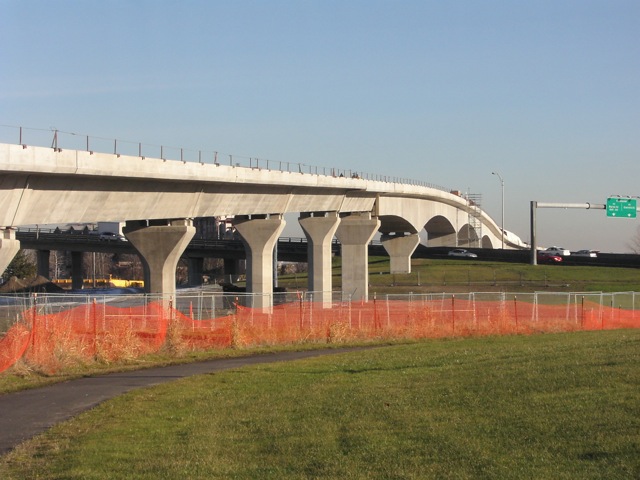
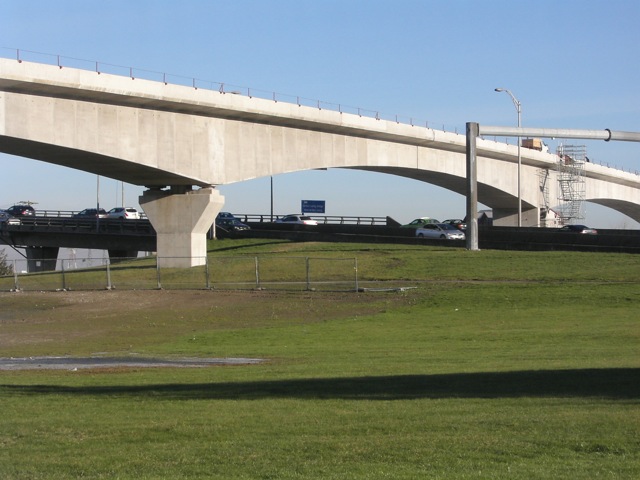
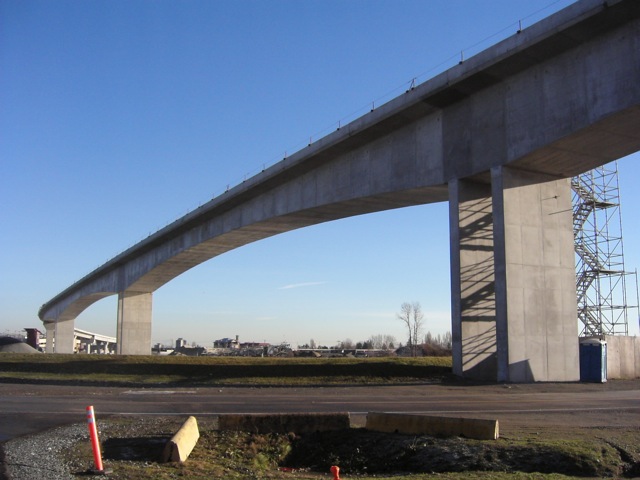
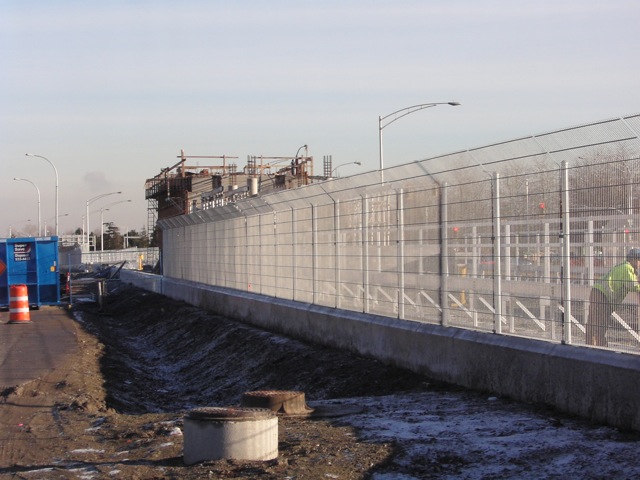
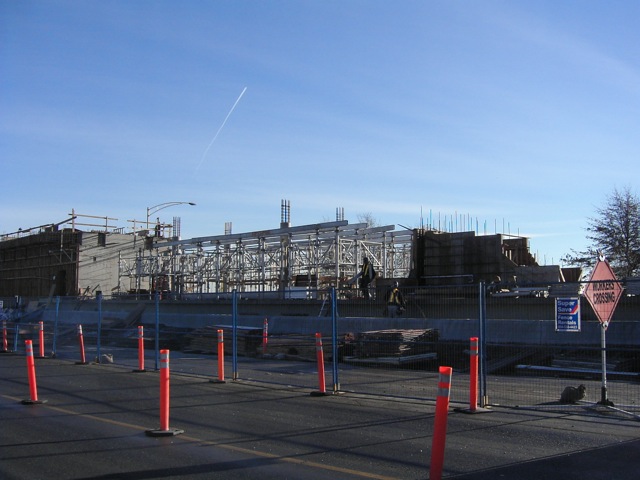
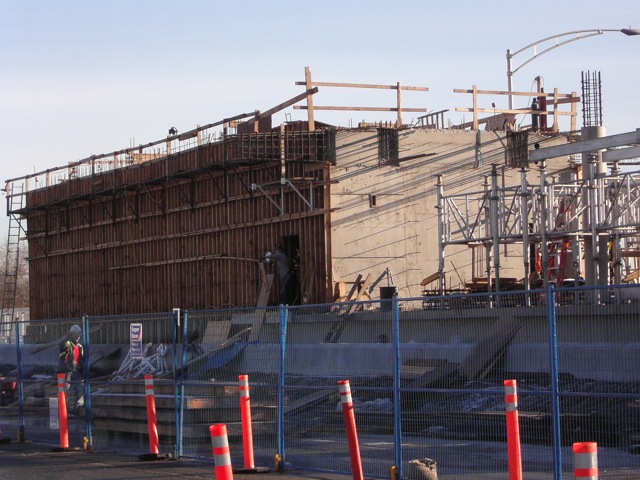
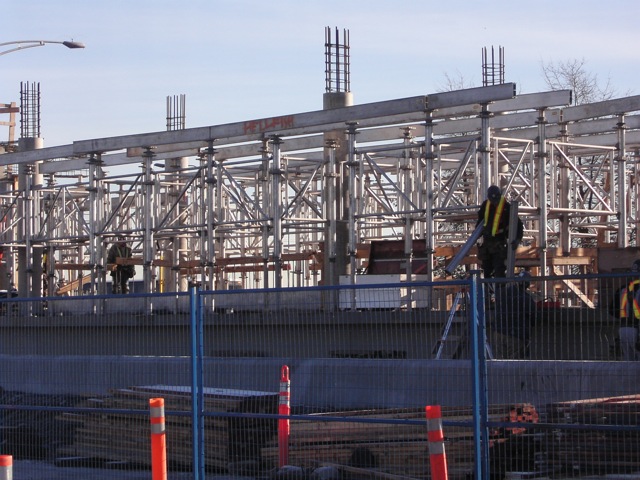
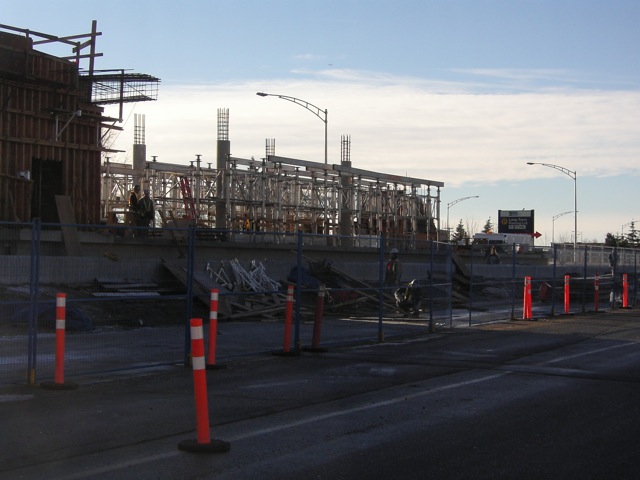
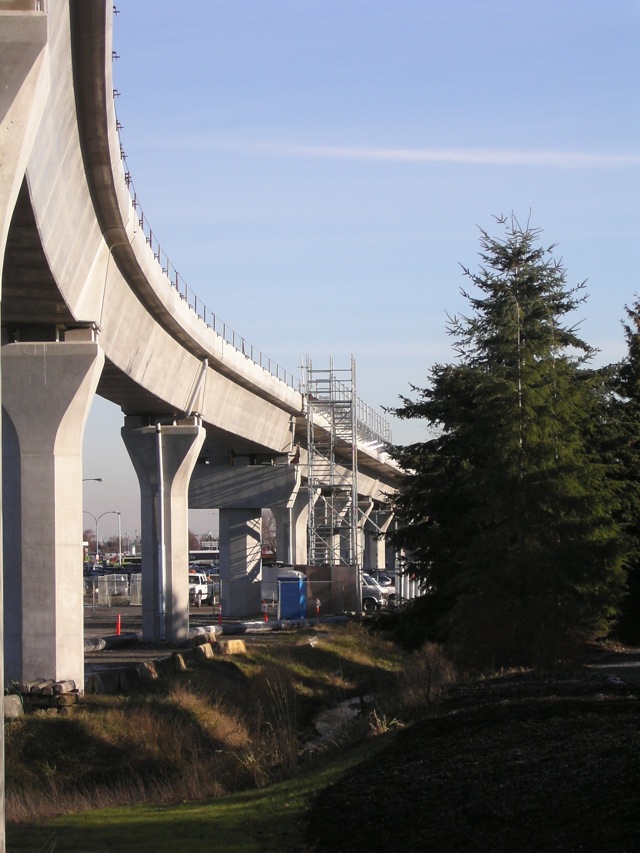
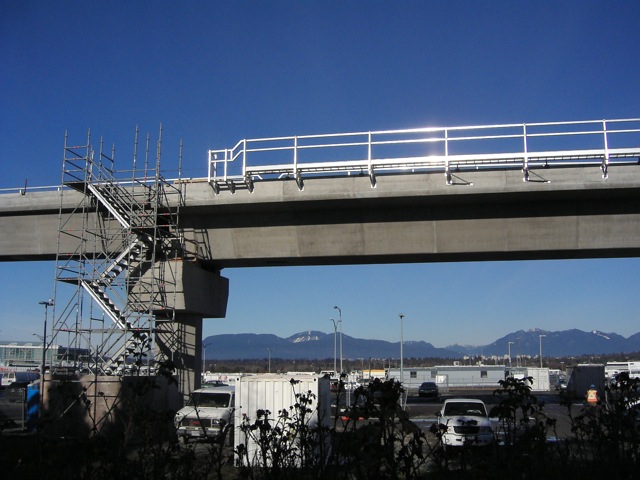
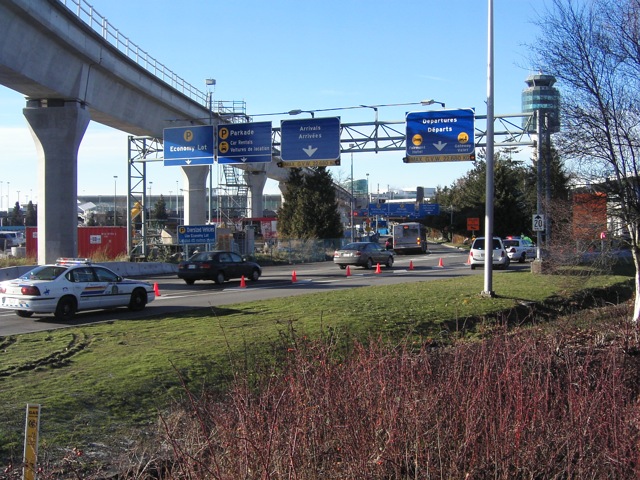
A key part of the No. 3 Road restoration is fitting the concrete Canada Line—and its pillars that dot the strip every 35 metres—into the mix.
Pedestrian lighting will be installed underneath the guideway; plazas will be created at stations (especially at Lansdowne where the city owns ample property); vines will grow on trellises fixed to some columns; and large fixtures will display artwork and graphics.
On the ground will be a variety of paving stones and colours of concrete.
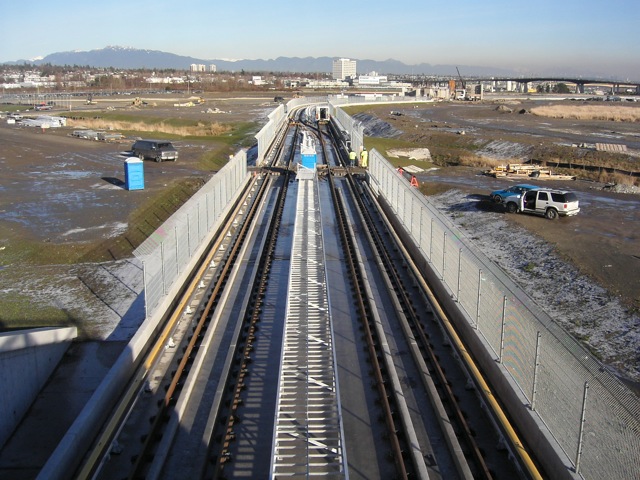
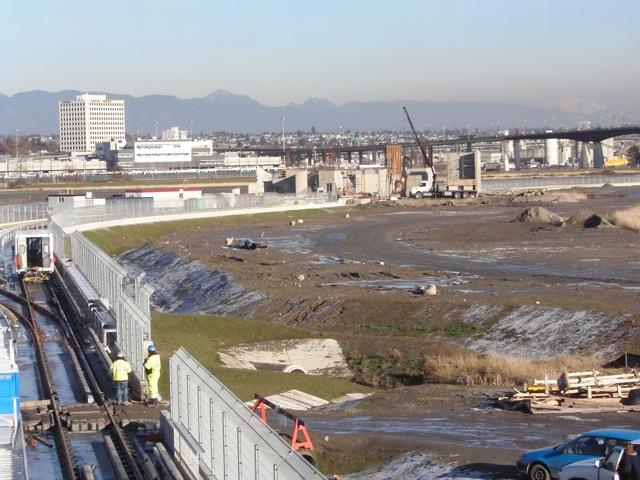
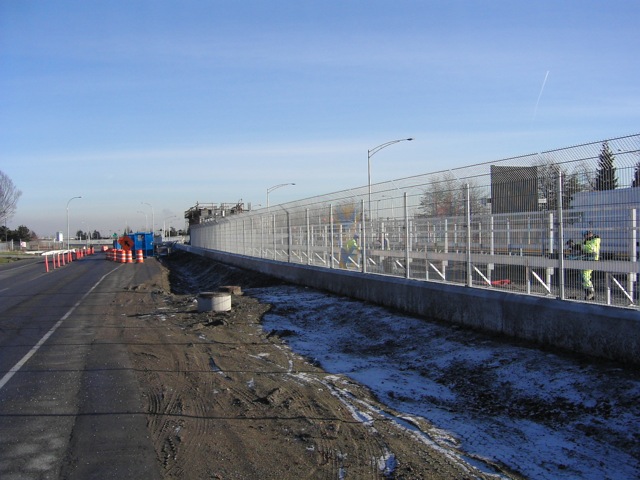
Passenger cars are scheduled to be running down the Canada Line track by November 2009. The project almost didn’t get this far.
It took multiple votes to get the $2.05-billion project on the rails with a finish date before the 2010 Olympics, prompting Transportation Minister Kevin Falcon to launch a review of TransLink’s governance structure.
And as much as transportation and Olympic planners want Games visitors to experience an easy ride between the airport, Richmond oval and Vancouver sports venues, the City of Richmond wants its new European-inspired No. 3 Road streetscape ready to impress.
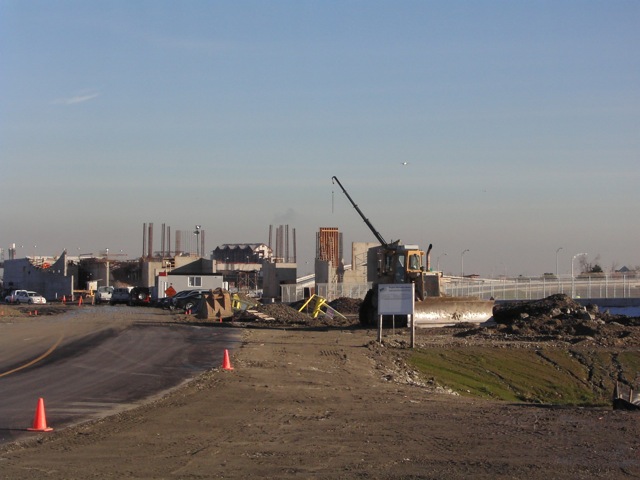
Last week the city began inviting contractors to bid on the first phase of the No. 3 Road restoration project, from Cambie Road to Bridgeport Road.
It’s the first of four phases, each launched as Canada Line construction progresses down the street.
Scott said the restoration will be finished before 2010, with the first phase of the project getting underway as early as next February. Scott hopes three phases of the project will be finished by next winter—leaving the most congested area, near Granville, for last.
It all rings in at $24 million. The city will pick up a portion of the tab (developers along the road have been paying into a transit-oriented development fee), while other funding will come from TransLink, the Canada Line project and senior government grants.





 Prev
Prev









 Linear Mode
