| |
 Posted Jul 22, 2026, 11:31 PM
|
 |
Moderator
|
|
Join Date: Aug 2002
Location: Winnipeg, Manitoba
Posts: 7,976
|
|
Quote:
Mayor on defensive over drug-crisis response in election year
Scott Billeck
Wednesday, Jul. 22, 2026
MIKE DEAL / FREE PRESS
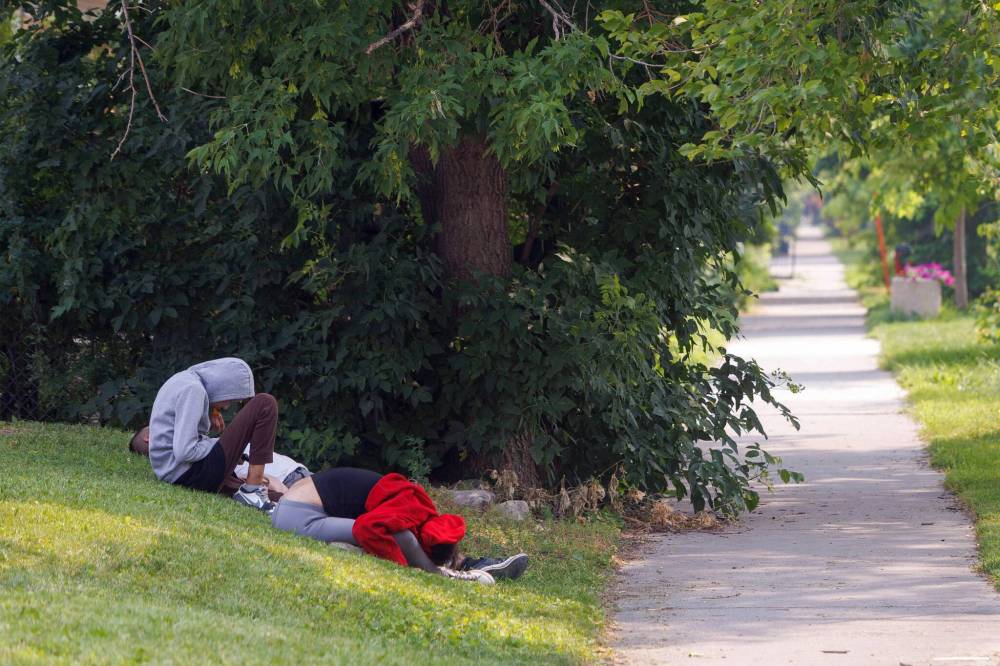
Spence Street looking south between Broadway and Portage Avenue. A West Broadway homeowner says she’s watching her neighbourhood deteriorate while governments pass the blame, accusing Winnipeg Mayor Scott Gillingham of pointing to the province instead of taking action.
The laughter of children playing outside has been replaced by open drug use, vandalism and incidents of theft that have put residents of West Broadway on edge.
“You don’t even feel safe taking the garbage out back at night or even in the early morning,” said Candace, a resident of Spence Street who didn’t want her surname used. “It’s never been this bad.”
People who live on the leafy street that’s dotted with older homes told the Free Press Wednesday the neighbourhood has changed dramatically this year.
Candace said there’s open drug use at a nearby home in a tight-knit neighbourhood that holds annual block parties. The event in June was postponed until September because of increased drug use and the high number of transient people walking through the area at all hours.
She said vandalism and theft have become more common. In one recent incident, someone tried to smash through a neighbour’s front window in broad daylight while children were inside. In another, the front door of a home was kicked in and a safe was stolen.
Another homeowner emailed the office of Mayor Scott Gillingham on July 10 to say the police service’s recent crackdown on drug use was a failure and she demanded to know his plan to tackle the crisis in an election year. City voters will head to the polls Oct. 28.
“We have many displaced people walking through our yards (using them as washrooms) and openly using drugs,” said the email to the mayor.
The Spence Street resident, whose email exchange with Gillingham’s office was shared with the Free Press, accused him of “shirking” his responsibility.
The Free Press was unable to reach the resident Wednesday. In her response to the mayor, she wrote that “part of choosing to be representative of a city is representing all of its citizens, not just wealthy neighbourhoods and suburbs.”
Five days later, the mayor’s office responded. It said housing, homelessness, mental health and addictions are under provincial government jurisdiction, and noted the province’s priorities include opening a navigation centre and expanding housing. It also encouraged the resident to contact their local MLA to advocate for more addictions treatment.
On Wednesday, a spokesperson for the mayor said any suggestion the mayor told residents not to contact the city is “incorrect.”
“Residents should absolutely contact the city about neighbourhood safety, problem properties, encampments, policing, bylaw enforcement and other local concerns,” the spokesperson wrote in a statement, adding the office regularly works with police, city departments, provincial agencies and community organizations to address residents’ safety concerns.
The spokesperson said the mayor and his staff have met several times with nearby property owners, toured problem areas and are establishing a neighbourhood working group through the Safe Winnipeg Initiative.
The office said encouraging residents to contact their MLA is not shirking responsibility, but directing them to the level of government responsible for those services.
The mayor’s office pointed to several city initiatives, including free space for St. Boniface Street Links, funding for public washrooms and community safety hosts, an expanded needle cleanup program, discounted transit for low-income residents and support for more than 2,600 affordable housing units over the past four years.
The office said those initiatives reflect the city’s growing role in responding to homelessness and addiction — including services that weren’t present before Gillingham took office — despite those areas traditionally falling under provincial responsibility.
“Residents have every right to expect action from all levels of government,” the spokesperson said. “The mayor’s position is that the city must keep doing its part — and has greatly expanded that work — while also being honest that lasting progress depends on all levels of government providing enough treatment, housing and social-service support.”
Candace said she has called police and has noticed officers responding more frequently. Earlier Wednesday, she watched an officer chase someone on a bicycle between homes.
“That was the third time we’ve seen cops recently,” she said, adding the increased police presence is one of the few noticeable changes. “They can only do so much.”
A couple eating lunch on the front lawn of their home said they regularly find unconscious people near their front gate.
The couple moved into the neighbourhood three years ago, next door to their son, who has lived there for several years.
“Most of them are very hurt and hurting,” the woman said.
Her husband believes conditions worsened after the city’s encampment ban took effect and as warmer weather arrived.
“It’s made people on the street fearful,” he said.
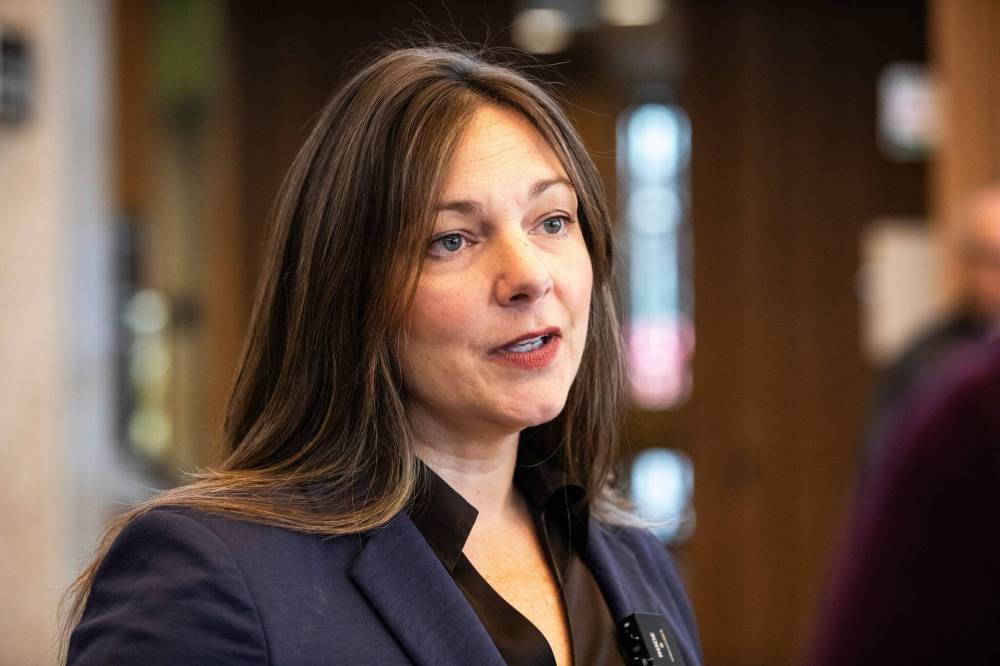
Coun. Sherri Rollins, who represents the area, said residents are exhausted by governments shifting responsibility instead of delivering solutions.
“They want to see the accountability of a public safety plan that is city wide,” she said.
She said the mayor’s response to residents amounts to blame rather than accountability.
Rollins dismissed Gillingham’s announcement Monday that he would commit $100,000 from the mayor’s office toward a safe-walk program for concertgoers and attendees of arts events in the Exchange District.
“These are just Band-Aids, and we have a gaping wound,” she said. “These aren’t helpful.”
|
Winnipeg Free Press
|
|
|





 Prev
Prev












 Linear Mode
