Quote:
Originally Posted by Docere

Population density (19000 per square mile in the 35 square mile area central city, 17000 in the 50 square mile area of the city and surrounding urbanized municipalities) was certainly in line with other eastern North American cities at the time.
|
That's great except a) Eastern NA cities didn't have the same density as one another at the time. Perhaps Toronto was in line with the average, but NYC had far higher than others, and Montreal would have had notably higher density than Toronto since Toronto didn't have very many residential highrises then. Philadelphia and several other eastern cities would also have had higher lowrise density.
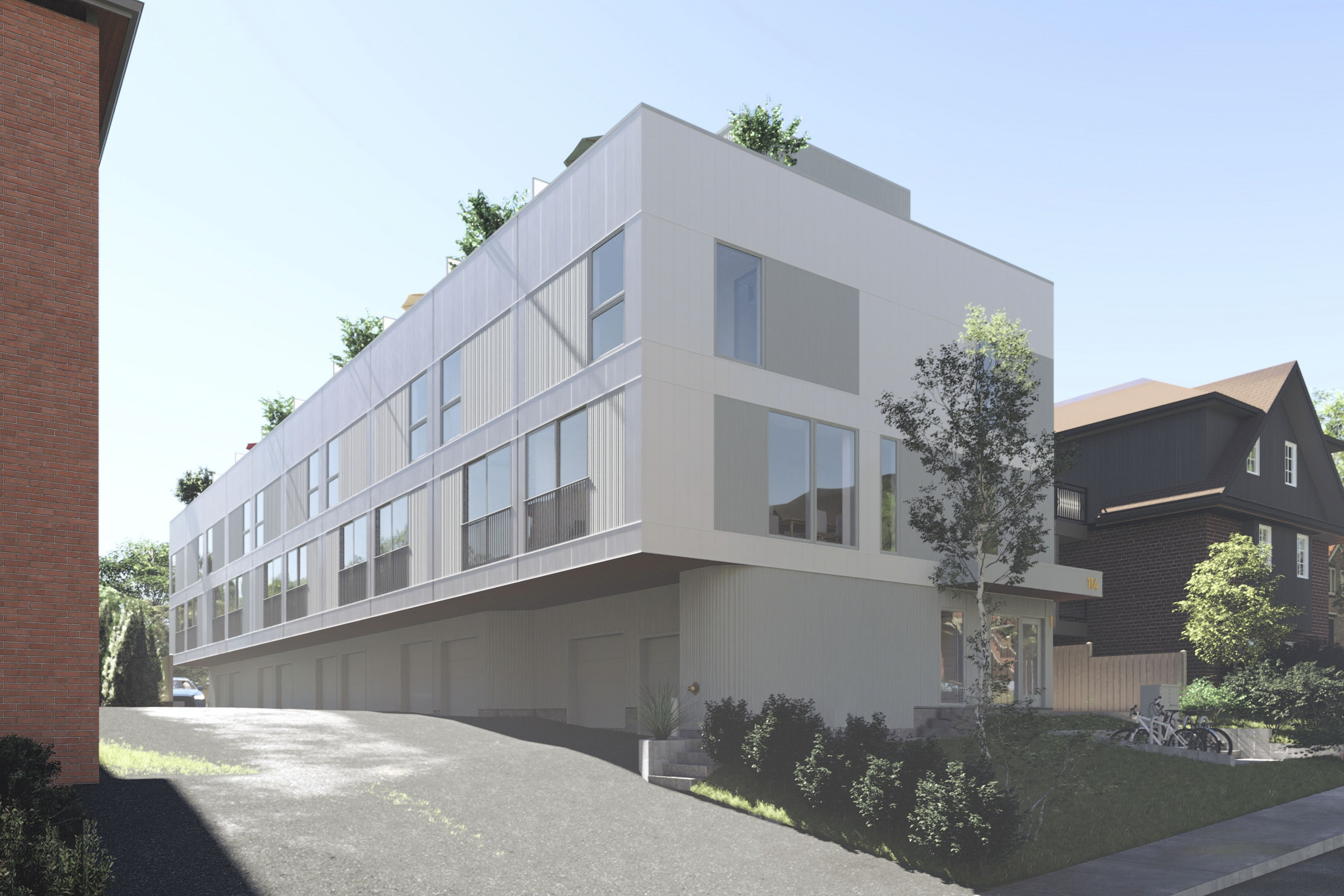
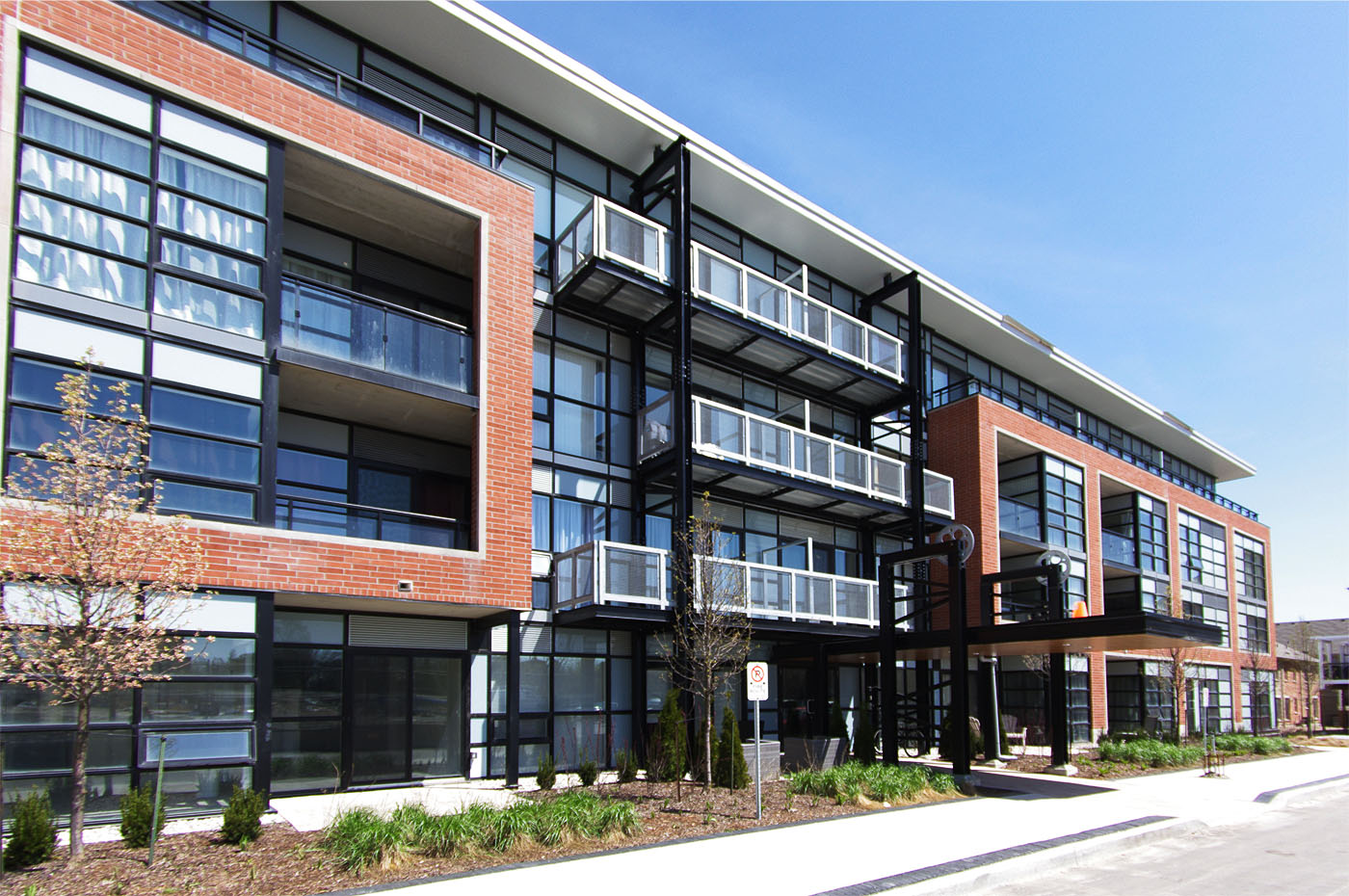
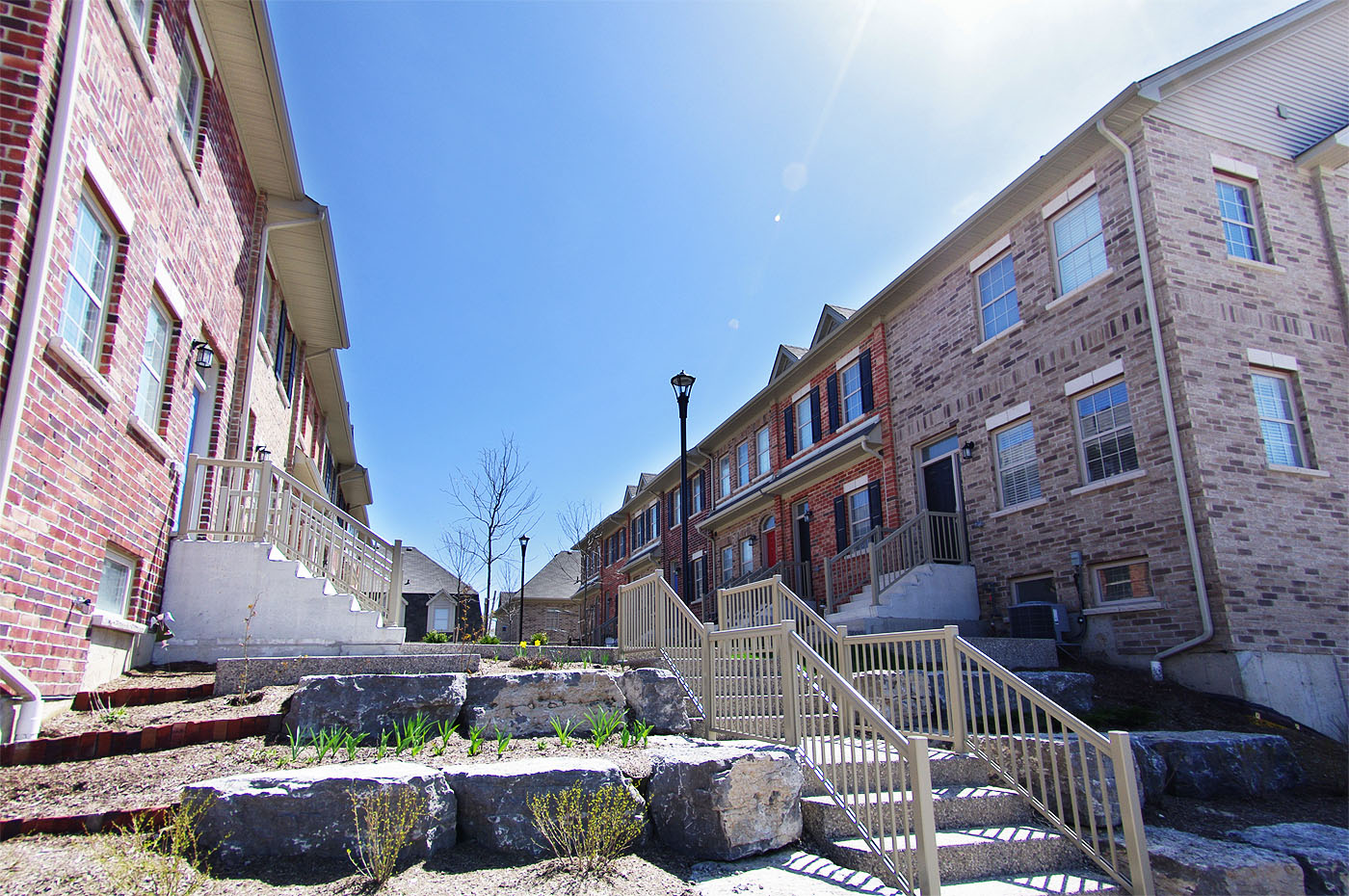
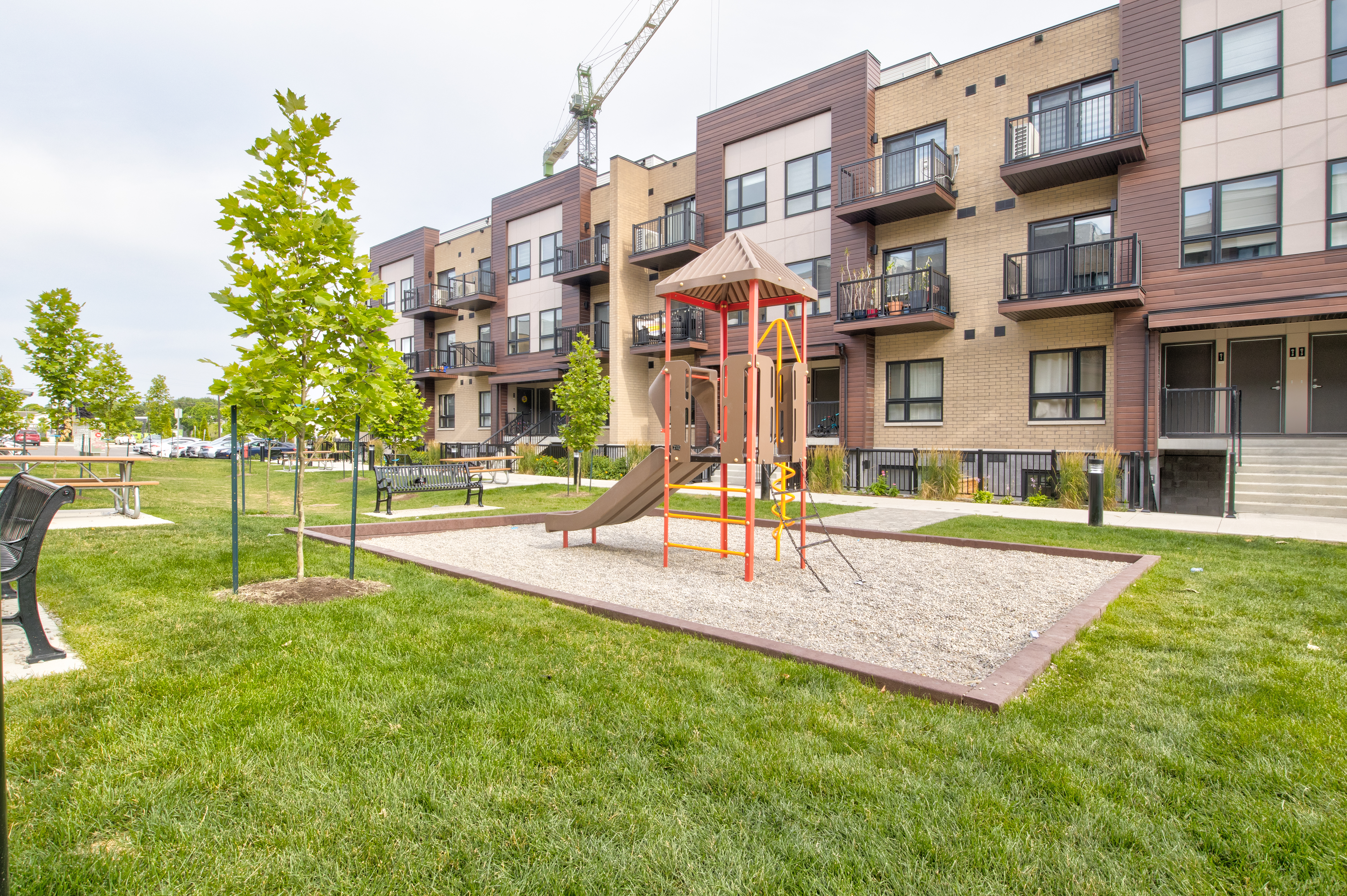
And b) eastern NA is one small pocket of the globe, and other than NYC isn't a region known for especially dense cities. Denser than more western NA cities, but that's not really an accomplishment. So it isn't clear why that comparison is terribly relevant. Most eastern NA cities were also house-dominated, so it having similar historic density as other house-dominated cities doesn't really refute the fact that house-dominated lowrise form isn't as dense as more mid-scale lowrise form.
And c) Toronto wasn't nearly as large or globally prominent as it is now, so having average-ish regional characteristics as an average-ish regional center isn't that relevant to the current situation. It's now often viewed as an above average global city that people expect to have above average, global city characteristics. Which is reflected in the type of cities it gets compared to. And in many respects that's fine as in many ways it can hold its own. But in other ways, its not-so-distant past as a more modest regional center becomes apparent. Every city has its strengths and weaknesses.





 Prev
Prev












 Linear Mode
