HomeDiagramsDatabaseMapsForum About
     

Go Back   SkyscraperPage Forum > Discussion Forums > City Discussions


Reply

 
Thread Tools Display Modes
     
     
  #1461  
Old Posted Jul 31, 2026, 2:19 PM
New Brisavoine New Brisavoine is offline
Registered User
 
Join Date: Nov 2007
Posts: 5,119
Quote:
Originally Posted by New Brisavoine View Post
I made the lengthy calculation for NYC based on the 2010 census some years ago, using data at a detailed level (villages, CDPs).

At the 2010 census, there were 11,316,885 people in 1571.95 km² for New York.
Here is the result from the 2020 census. Compared to Greater London and to similar area in Paris, at the same date (April 1, 2020). All maps are at the same scale. We can notice that the suburban municipalities around NYC are as small (land wise) as the suburban municipalities in Greater Paris.


Between April 1, 2010 and April 1, 2020, the 1,572 km² of New York registered an increase of 915,000 people, whereas the 1,572 km² of Greater London registered an increase of 841,100 people, and the 1,572 km² of Paris registered an increase of 283,800 people (but there is a sharp difference between the City of Paris, which registered a population decline of 102,700 people during this period, and the 239 suburban municipalities colored pink, which registered a population increase of 386,300 people).
__________________
New Axa – New Brisavoine
Reply With Quote
     
     
  #1462  
Old Posted Aug 1, 2026, 4:17 AM
muppet's Avatar
muppet muppet is offline
if I sang out of tune
 
Join Date: Sep 2004
Location: London
Posts: 6,528
Quote:
Originally Posted by iheartthed View Post
Interestingly, Hong Kong Island has the same overall density as Brooklyn, but most of Hong Kong Island's land area appears to be uninhabited.


Of these cities, New York is easily second place. It is most likely the second most densest place in the developed world behind Hong Kong.
NYC (5 boroughs, city proper) comes up as 11,300 per sq km. The equivalent for Tokyo (23 wards) and Seoul Special City (city proper) is 15,700.

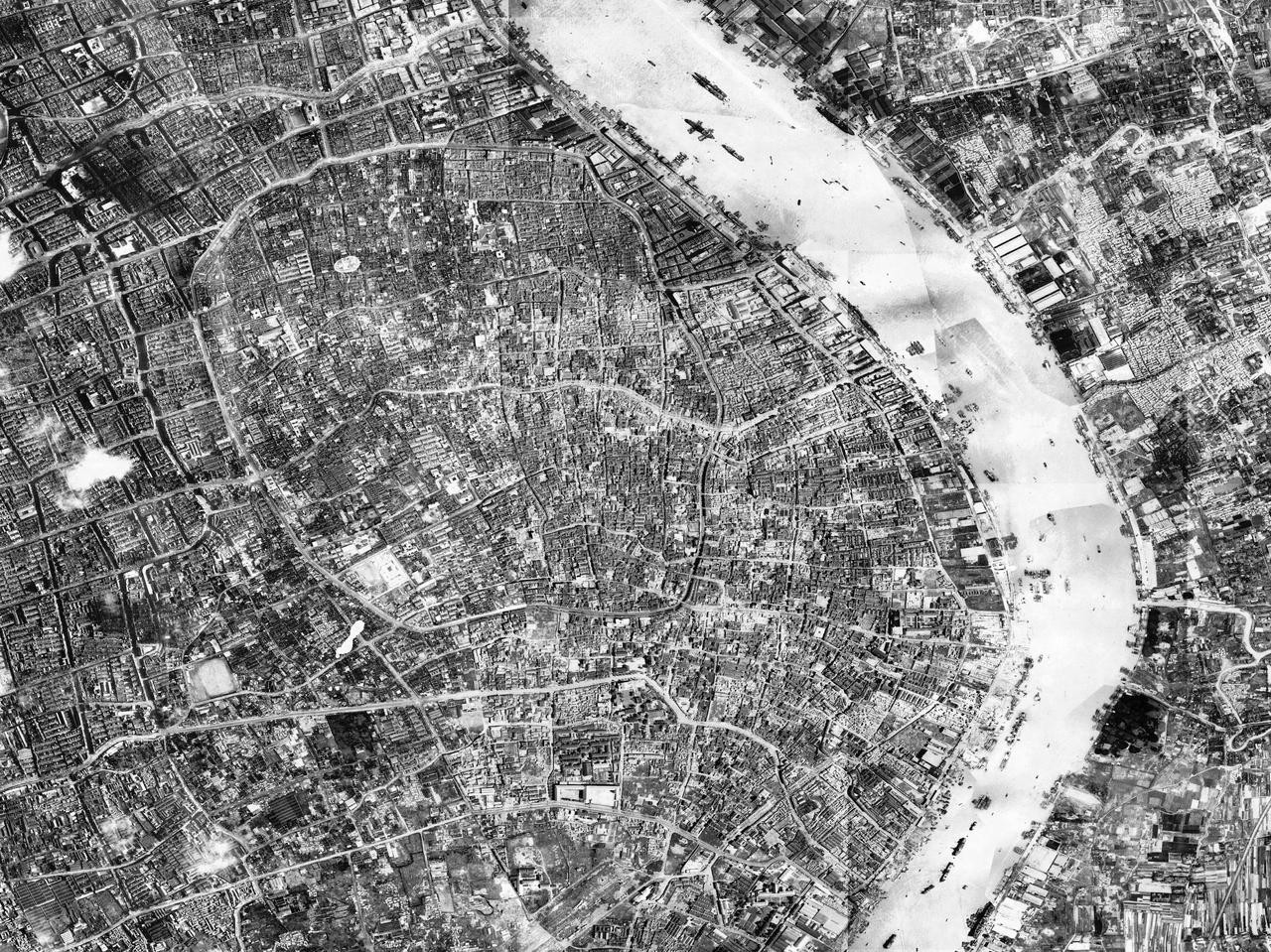
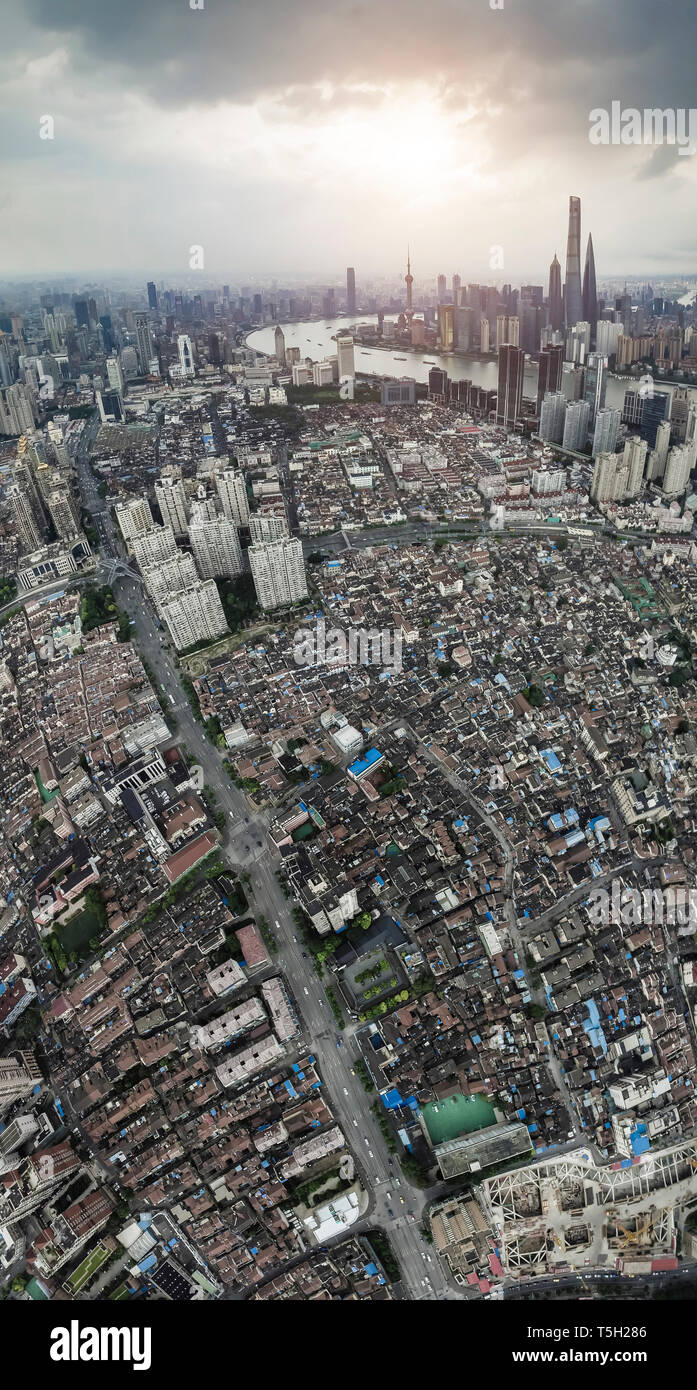
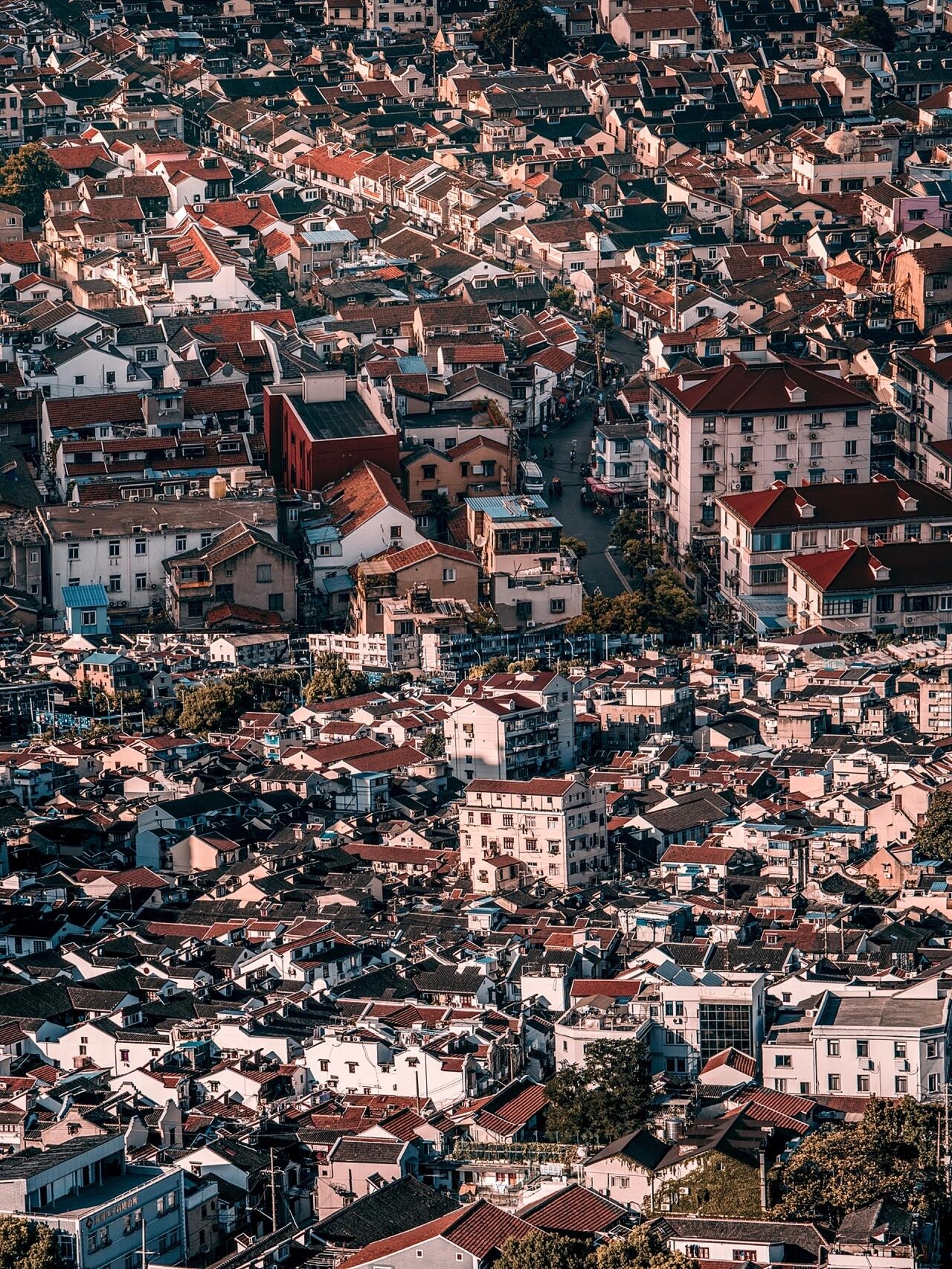
Shanghai 7 districts is 22,000, 9 districts is 12,600. The Inner districts that make up Puxi (3 districts, one third bigger than Manhattan) is almost double to almost triple the density of Manhattan, at 55,000 -70,000 (Manhattan 27,600). Guangzhou's two inner districts, Liwan and Yuexiu cover 1.5x Manhattan and come in at 40,000.


Puxi at top:


Last edited by muppet; Aug 1, 2026 at 4:36 AM.
Reply With Quote
     
     
  #1463  
Old Posted Aug 1, 2026, 1:19 PM
New Brisavoine New Brisavoine is offline
Registered User
 
Join Date: Nov 2007
Posts: 5,119
There's something that Shanghai still misses though, and that's an identity, a cultural magnet. It's quite telling that its most unique and attractive neighborhood is... the French concession, a quarter built by the French. The older Chinese city is either destroyed to be remodeled as brand generic suburbia, or turned into a tourist theme park without genuine life. Pudong remains a sort of Canary Wharf/La Défense that no one is really interested in.

Shanghai doesn't have a Soho/Greenwich Village/Midtown/etc or a Marais/St Germain des Prés/Bastille/Opéra/etc, own-grown slowly by history that exerts a cultural and magnetic pull.

In most large Chinese cities, it's the historic European concessions that play this role (cultural magnet, smart city center), and that's quite galling for the Chinese I would say. What is Tianjin outside of its former concessions? Just miles of boring high-rise suburbia.
__________________
New Axa – New Brisavoine
Reply With Quote
     
     
  #1464  
Old Posted Aug 1, 2026, 3:10 PM
iheartthed iheartthed is offline
Registered User
 
Join Date: Oct 2009
Location: New York
Posts: 11,952
Quote:
Originally Posted by muppet View Post
NYC (5 boroughs, city proper) comes up as 11,300 per sq km. The equivalent for Tokyo (23 wards) and Seoul Special City (city proper) is 15,700.

Shanghai 7 districts is 22,000, 9 districts is 12,600. The Inner districts that make up Puxi (3 districts, one third bigger than Manhattan) is almost double to almost triple the density of Manhattan, at 55,000 -70,000 (Manhattan 27,600). Guangzhou's two inner districts, Liwan and Yuexiu cover 1.5x Manhattan and come in at 40,000.
I guess mainland China is part of the developed world now, huh. We've gotta create a new western supremacist term that is widely understood to exclude China. So NYC is behind Tokyo, Shanghai, and maybe Seoul. Neither Tokyo or Seoul have a ward/district/borough as dense as Manhattan, but I'll accept that as a city those places maintain a higher average density.
Reply With Quote
     
     
  #1465  
Old Posted Aug 1, 2026, 5:50 PM
Yuri's Avatar
Yuri Yuri is offline
Registered User
 
Join Date: Sep 2008
Posts: 6,163
Quote:
Originally Posted by iheartthed View Post
Interestingly, Hong Kong Island has the same overall density as Brooklyn, but most of Hong Kong Island's land area appears to be uninhabited.
The urbanized areas inside Hong Kong Island and Kowloon surpasses 100,000 inh./km2 over vast areas.


Quote:
Originally Posted by iheartthed View Post
Of these cities, New York is easily second place. It is most likely the second most densest place in the developed world behind Hong Kong.
Tokyo and Seoul are denser.

To compare with the Paris, New York and London maps Brisavoine posted above, Tokyo has 16,455,196 inh. within 1,360 km² and 19,762,677 within 1,881 km². 12,099 inh./km² and 10,506 inh./km² respectively.


Quote:
Originally Posted by New Brisavoine View Post
Those maps are problematic because you tailored Paris and New York to be denser as possible whereas London is simply administrative division with its vast green belts.

As London is the reference, it's ok, but we should keep consistency: New York City should have given the whole Staten Island. You should have added Nassau communities closer to the border instead of going east looking for the densest ones.
__________________
London - São Paulo - Rio de Janeiro - Londrina - Frankfurt

Last edited by Yuri; Aug 1, 2026 at 6:01 PM.
Reply With Quote
     
     
  #1466  
Old Posted Aug 1, 2026, 7:08 PM
New Brisavoine New Brisavoine is offline
Registered User
 
Join Date: Nov 2007
Posts: 5,119
Quote:
Originally Posted by Yuri View Post
Those maps are problematic because you tailored Paris and New York to be denser as possible whereas London is simply administrative division with its vast green belts.
No, they are not tailored to be the densest possible. For Paris, the densest area of 1,572 km² would look like an octopus. I trimmed the tentacles to keep a homogeneous geometrical figure, even if it includes municipalities less dense than other municipalities which have been excluded.

Same for New York, the goal is to have homogeneous blocks, not filaments and tentacles everywhere that make no sense.

And both Paris and New York include unbuilt areas in their pink zone, just like London. Check Queens and Brooklyn, it's full of marshland, green areas, unbuilt areas. The pink area for Paris includes lots of forests (not just the two bois of Paris proper, but also the Bois de Meudon, the Forest of Fausses Reposes, the Forest of Meudon, the super huge Forest of Saint Germain en Laye, where Louis XIV was born, and various other forests and woods that you've probably never heard about, and which make the delight of Greater Paris).

Quote:
Originally Posted by Yuri View Post
New York City should have given the whole Staten Island. You should have added Nassau communities closer to the border instead of going east looking for the densest ones.
Even if you do that, it's going to change what? 100,000 inhabitants? So New York will have 12.1 million instead of 12.2 million. Still vastly more populated than London.
__________________
New Axa – New Brisavoine
Reply With Quote
     
     
  #1467  
Old Posted Aug 1, 2026, 7:23 PM
New Brisavoine New Brisavoine is offline
Registered User
 
Join Date: Nov 2007
Posts: 5,119
Talking of London, I discovered while preparing this that ONS (England and Wales' statistical office) has published their 2025 population estimates, and, surprise surprise, Greater London experienced a population decline between mid-2024 and mid-2025! The population of Greater went from 9,149,646 on July 1, 2024 to 9,122,909 on July 1, 2025, so a population loss of 26,737 in one year. That's the first impact of the curtailing of immigration by the British government. And most of the curtailing has taken place since July 1, 2025, so it will be interesting to see when they publish the mid-2026 population estimates whether London has lost even more inhabitants.

For Paris, it's very unlikely that those 1,572 km² have experienced population decline in recent years. In fact, the last year for which we have data, i.e. the year 2022, those 1,572 km² registered a faster growth than in previous years, due to rising immigration in France. We don't have data after Jan. 1, 2023 yet, but I expect immigration to France to have surged even more in 2023, 2024, and 2025, so it should boost those population figures for Paris (in fact you only have to look at the streets of Paris to see all those new migrants everywhere).

For New York, the figures I've seen suggest a population decline since the 2020 census, but I'd have to make the calculations including all the suburban areas to see whether the entire area of 1,572 km² has experienced a decline.
__________________
New Axa – New Brisavoine
Reply With Quote
     
     
  #1468  
Old Posted Aug 2, 2026, 1:14 AM
Docere Docere is online now
Registered User
 
Join Date: Jul 2014
Posts: 8,868
Very different cities, Chicagoland and DFW (#3 and #4 in the US) have fairly similar demographics. DFW is just 5 points more Hispanic, but the proportions of Black (15-16%) and Asian (8-9%) very similar. Via Census Reporter:

Chicago MSA: NHW 48.5%, Black 15.1%, Asian 7.8%, Hispanic 24.7%
Dallas-Fort Worth MSA: NHW 40.1%, Black 16.2%, Asian 9.2%, Hispanic 30.2%
Reply With Quote
     
     
  #1469  
Old Posted Aug 2, 2026, 7:12 AM
muppet's Avatar
muppet muppet is offline
if I sang out of tune
 
Join Date: Sep 2004
Location: London
Posts: 6,528
Quote:
Originally Posted by New Brisavoine View Post
There's something that Shanghai still misses though, and that's an identity, a cultural magnet. It's quite telling that its most unique and attractive neighborhood is... the French concession, a quarter built by the French. The older Chinese city is either destroyed to be remodeled as brand generic suburbia, or turned into a tourist theme park without genuine life. Pudong remains a sort of Canary Wharf/La Défense that no one is really interested in.

Shanghai doesn't have a Soho/Greenwich Village/Midtown/etc or a Marais/St Germain des Prés/Bastille/Opéra/etc, own-grown slowly by history that exerts a cultural and magnetic pull.

In most large Chinese cities, it's the historic European concessions that play this role (cultural magnet, smart city center), and that's quite galling for the Chinese I would say. What is Tianjin outside of its former concessions? Just miles of boring high-rise suburbia.

Jesus -did you just decide that? World expert on the everything strikes again

Shanghai also has 3 Old Towns, the main one at the city's heart (population 150,000 -the densest district in the centre, wider conservation area 500,000), and the swallowed up watertowns of Zhujiabao and Qibao:


And it does have several boho districts, off the tourist radar/ Once again did you just assume??? It's a huge city, it's literally bound to have these.

For starters Jiaozhou, Yangqing, Yangdong Lu districts in Jinan or art scenes of M50 / Moganshan.


If you want the prettified versions, Tianzifang, Wukang Lu, Anfang Lu.


If you want traditional culture, go to the longtangs and shikumen streets, where old Shanghai life survives. Sadly many bulldozed but there are still 60 protected neighbourhoods.


And Tianjin, which was a European Concession port, and even operated a traditional Chinese building ban for its heritage, has its biggest attraction being the Ancient Culture Street area, with a whopping 13.5m visitors a year. In comparison the European equivalents of Wudadao (Five Great Avenues) gets 3-3.5m, and Italian Town gets 1.8m -2.5m:


Other examples are the fact not all European concession areas have become attractions, and get completely overlooked, such as in Beijing or recently Chongqing, overshadowed by nearby Old Town districts.


Finally, it's like saying China is superior and venerated in UK because London's small Chinatown (which is also rammed) is the biggest draw in the city, with 17.5m visitors a year -2.5x more than the city''s next largest attraction. Your cultural supremacism is telling.


Last edited by muppet; Aug 2, 2026 at 3:38 PM.
Reply With Quote
     
     
  #1470  
Old Posted Aug 2, 2026, 7:21 AM
muppet's Avatar
muppet muppet is offline
if I sang out of tune
 
Join Date: Sep 2004
Location: London
Posts: 6,528
And if you've been ANYWHERE in China you'll know every city has an Old Town that is absolutely rammed with tourists. There's also something to be said about how the few European concession areas around the country are tourist pulls for out-of-towners, because that's the closest to going abroad for many who can't afford it.

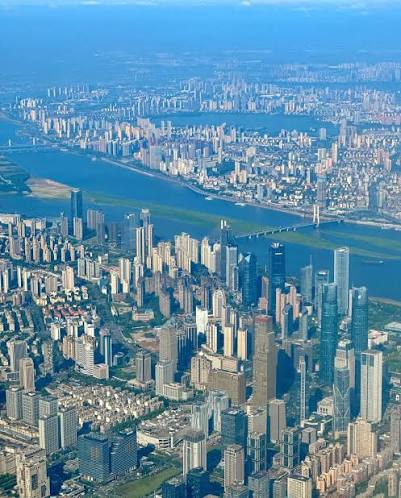
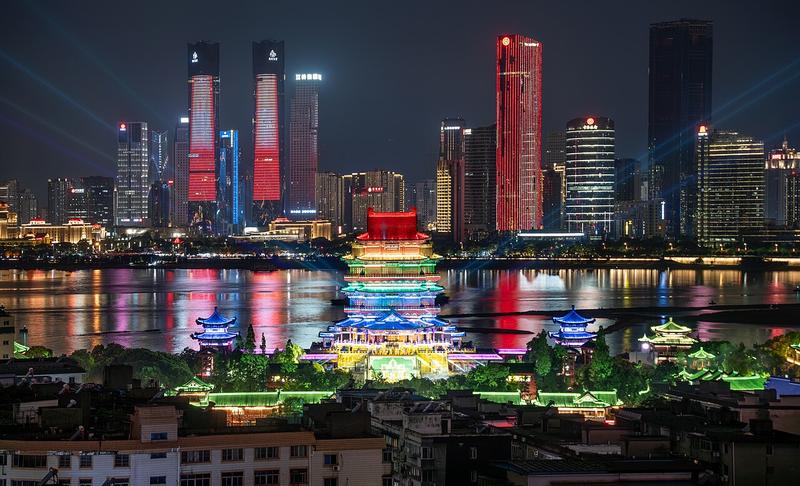
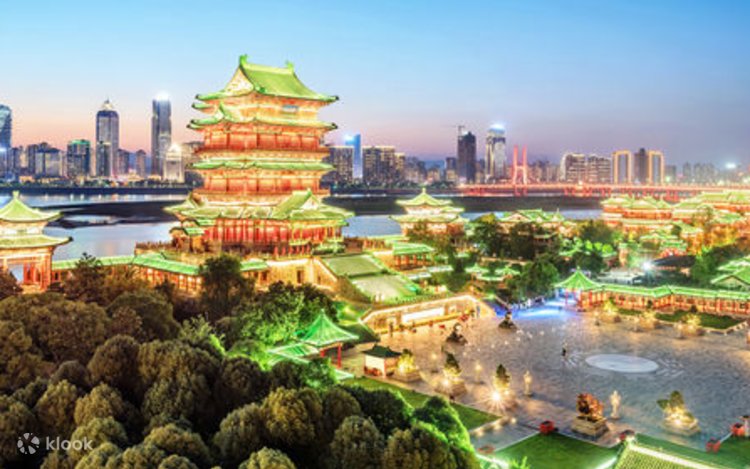
I'll randomly do Nanchang, a second tier city.

If you want the typical Chinese city as a meme, it will be a sparkling new skyscraper centre likely built in a random district far from the old, aging skyscraper centre. Highrise everything else.
This is where they do the lightshows:


But also:

1. Ye Olde Town -likely Disneyfied version or a rebuild entirely, rammed day and night for mass tourism. This will be the city's main draw, as people are inured to modern spangles these days, but many, many people still live here and often one of the densest districts. There will be two or three other quarters trying to ape this.
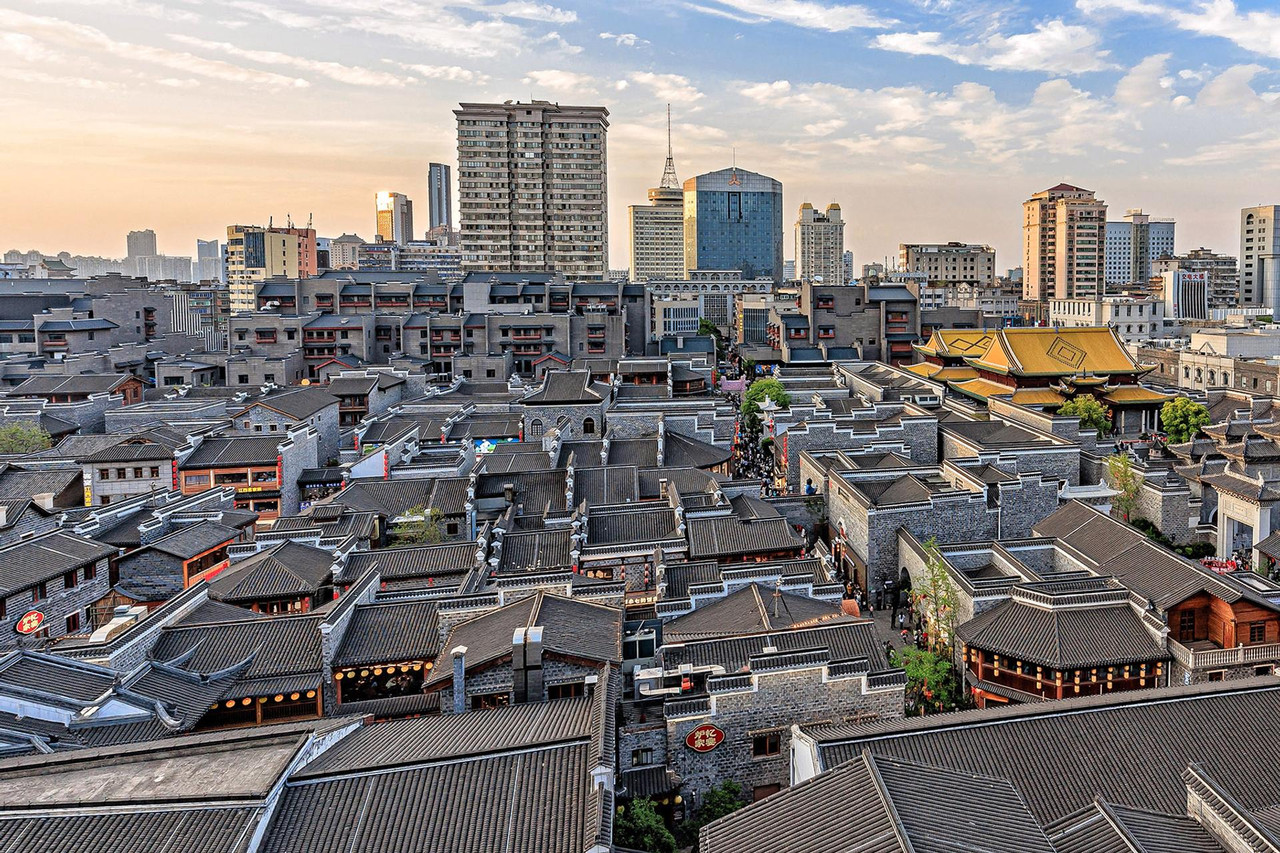


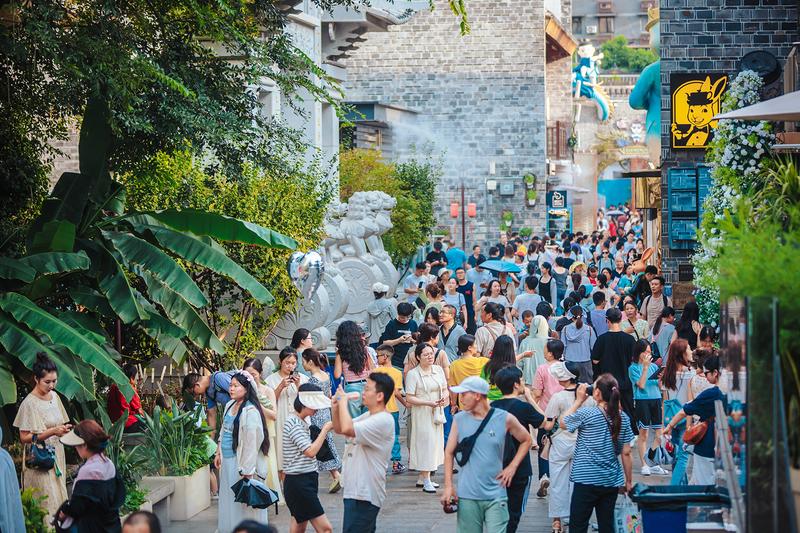


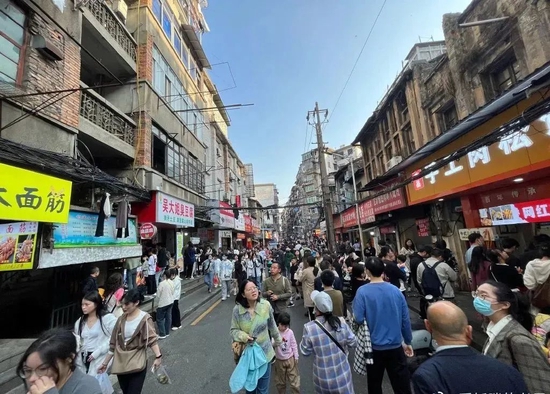
2. Genuine old town crumbling away, likely to be 'restored' in the future and become another version of the above, such are the lucrative possibilities - Zhubao and Ruzi


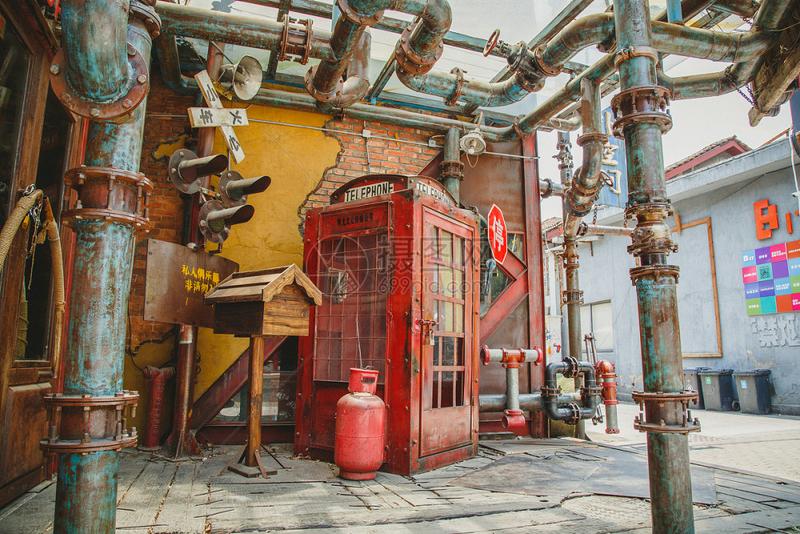
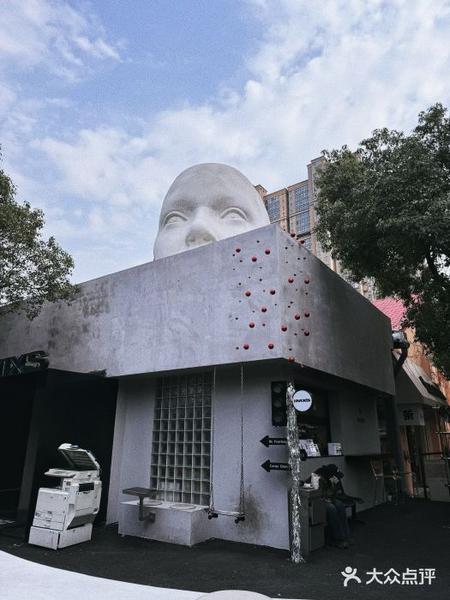
3. Following the shutdown of urban industry, a factory district taken over by artists and creatives, now a sanitised version for tourists and the remaining corporate 'artists', cafes and quirky shops. It can be aged or slick depending on the architecture studios. Qingshandu:


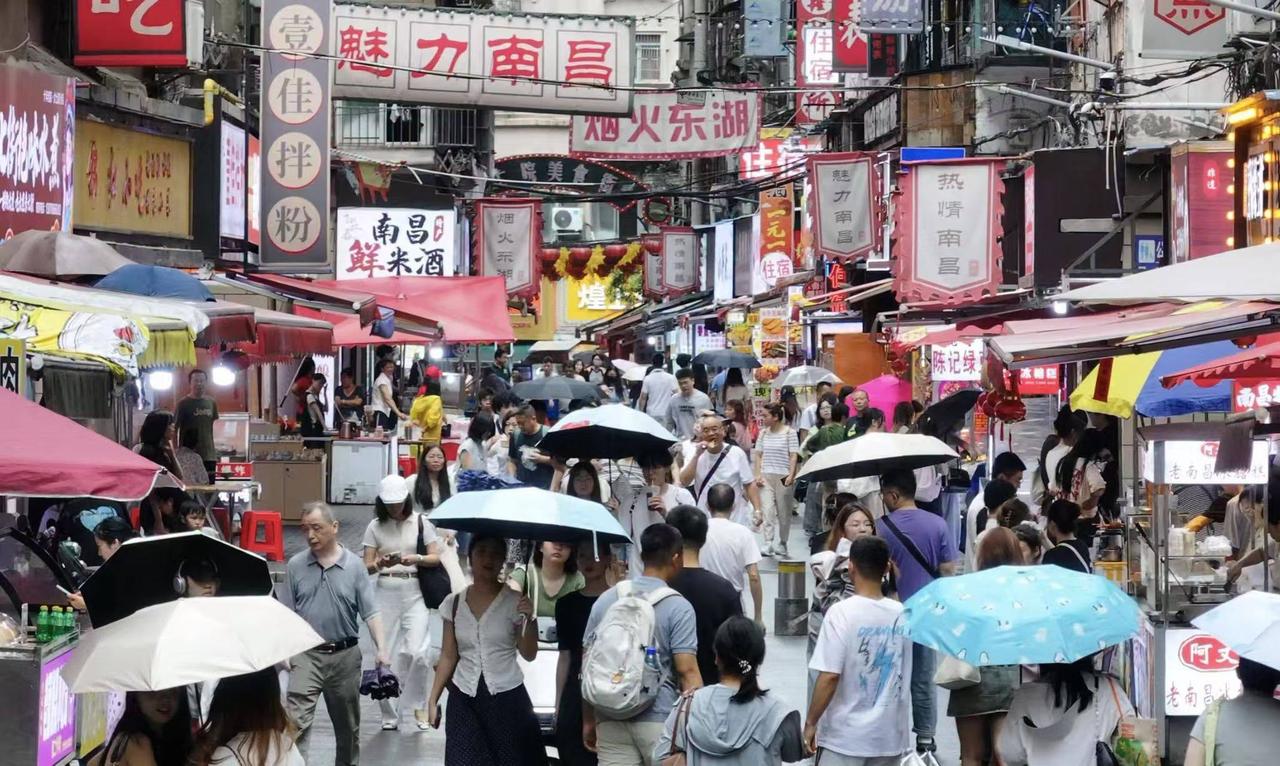
4.Several crumbling, dingy 20th Century areas of hyper density (think Chungking Mansions vibes) reinvented with boho shops and independent businesses. They all built a traditional Chinese gate at their entry points to demarcate them. Once again, touristy depending on their success -usually organised by neighbourhood committees hiring architects for a makeover.


5. Temple districts - a traditional temple with added on mini-old town outside, for tourists and vegetarians, ground zero for festivals
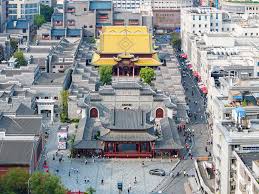


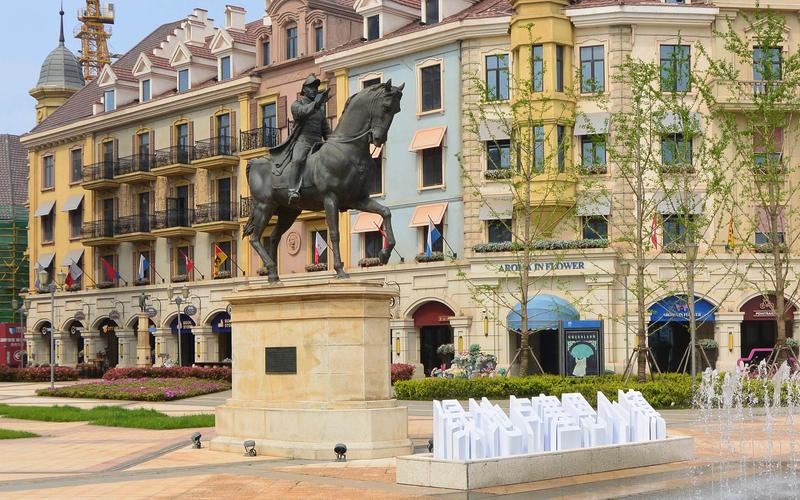
6. If they have a European district -once again, built up and Disneyfied. Polite reminder only half a dozen Chinese cities have any, excluding Nanchang. The closest you'll get is part of a theme park:



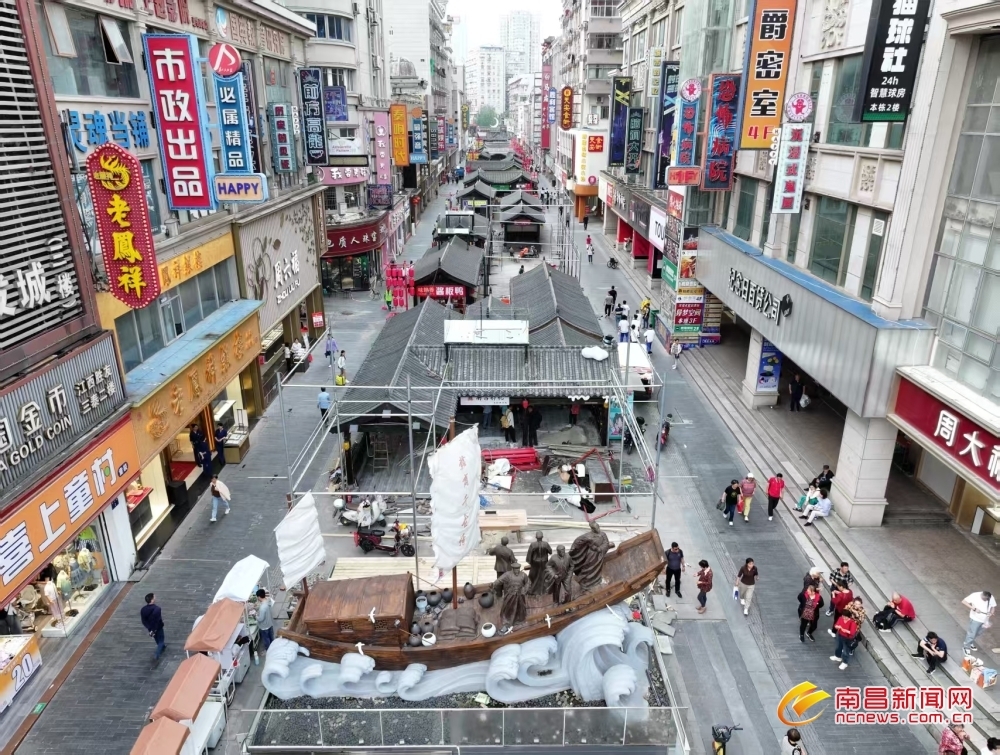
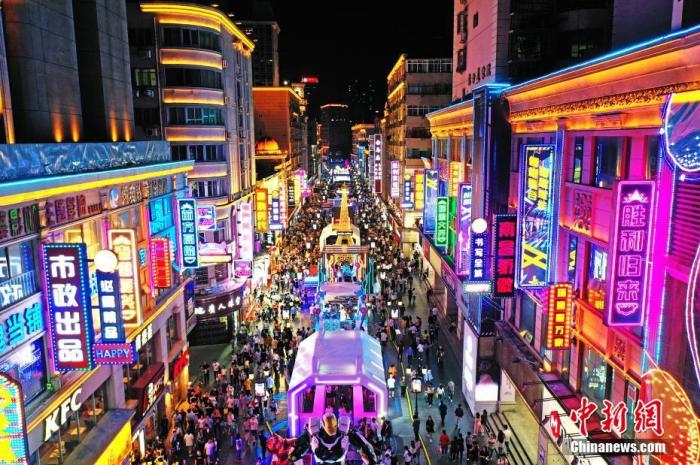
7. Giant main shopping district -at some stage it will morph into traditional alleys, then become a neon wonderland


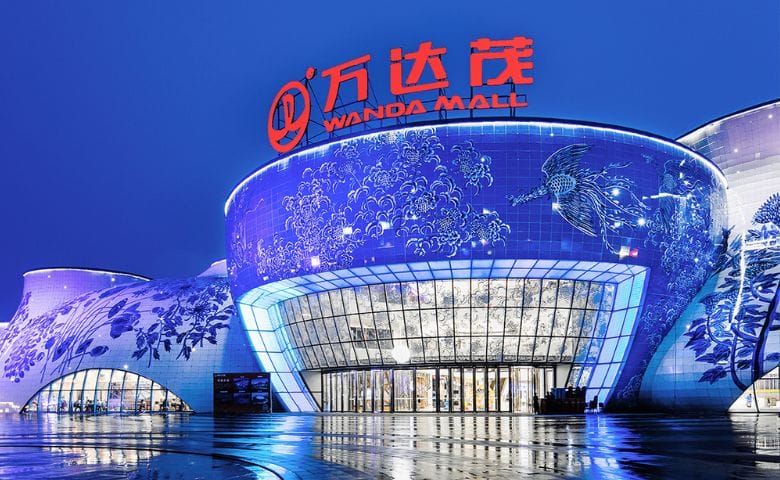
8. A megamall x 3, or 5 or 7 -highly fickle to what's the brand new kid on the block


9. Concentrated nightlife district x 2, one for mainstream, one for students / leftfield. These are usually known as 'bar streets'

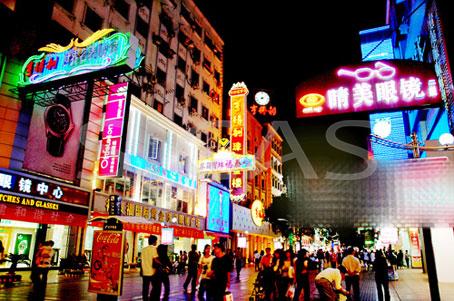


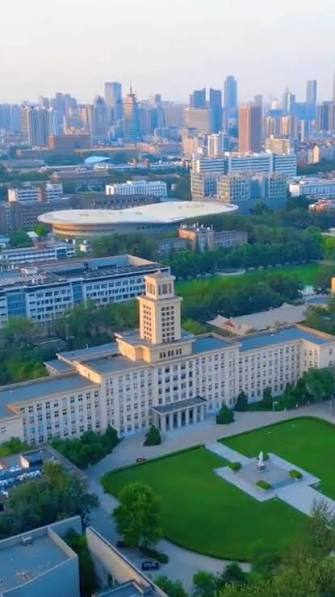
10. University district


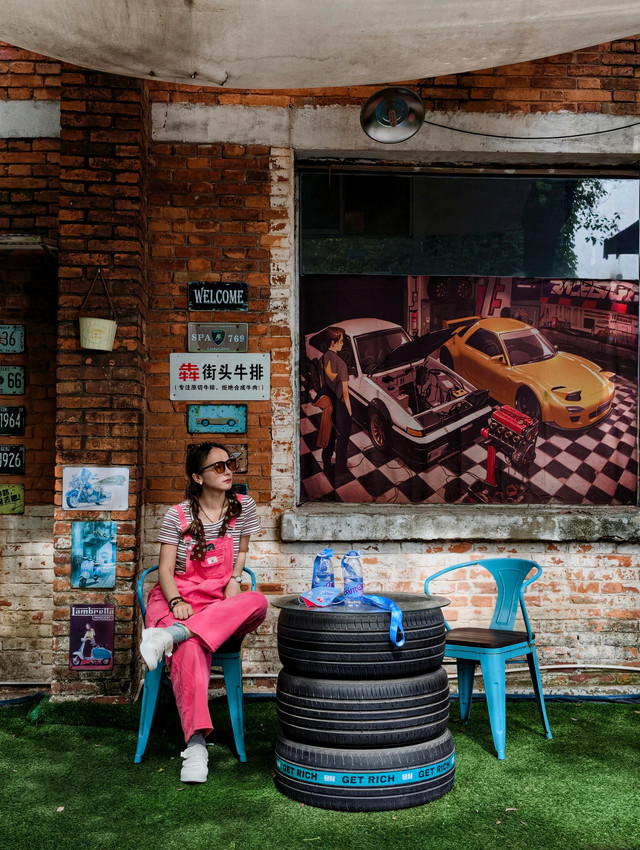
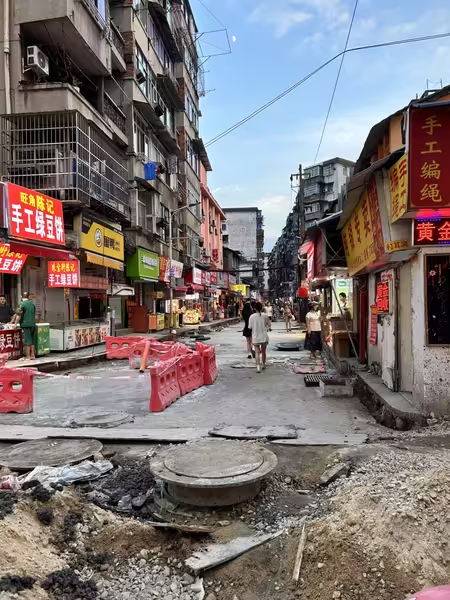
11. Genuine boho district -there will be 2 or 3 of these vying for which is cheapest, before transforming into numbers 3 or 4 above. Qingshanhu (ex industrial), Wanshougong (more youth orientated) or Donghu/Xihu (more old school)


12. Super slick area combining old and new - really just an outdoor mall for the luxury-buying classes

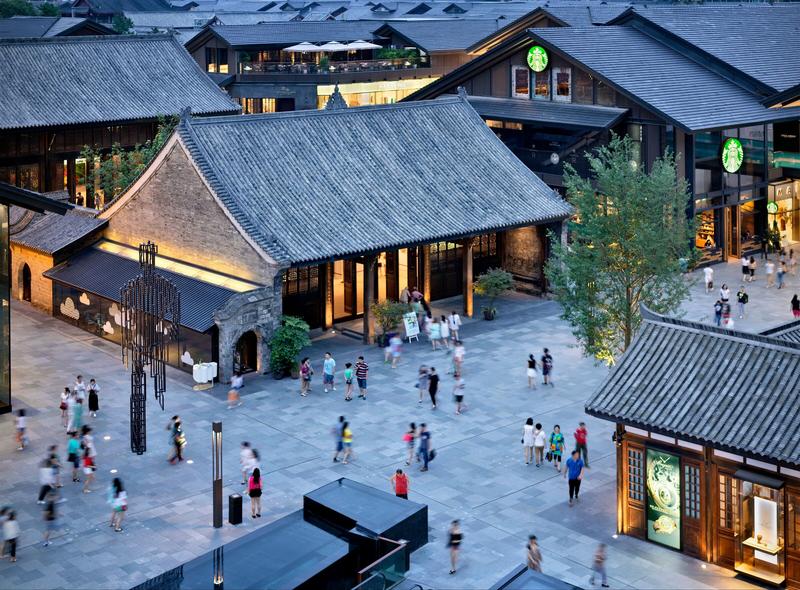


13. Experimental architecture park
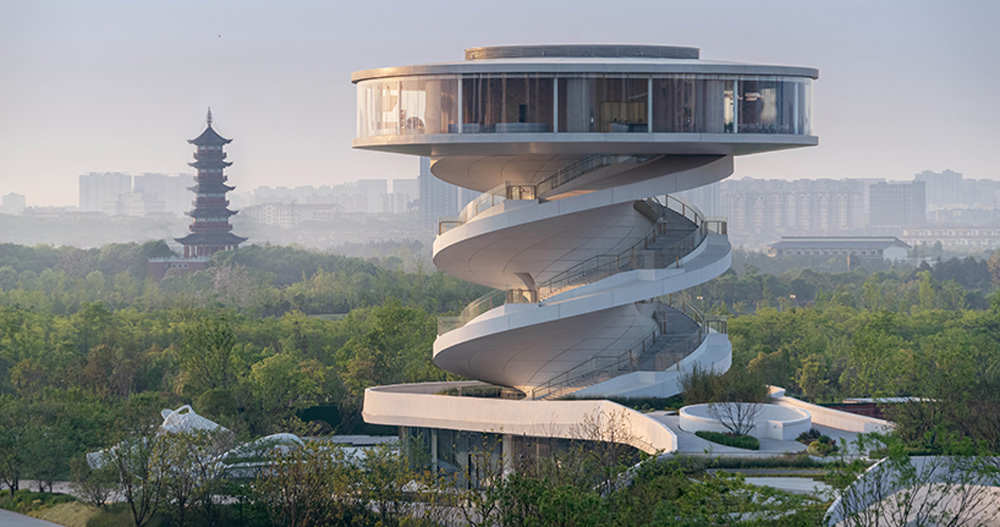


..also morphing into the showcase district (Courbousien layout for starchitecture)
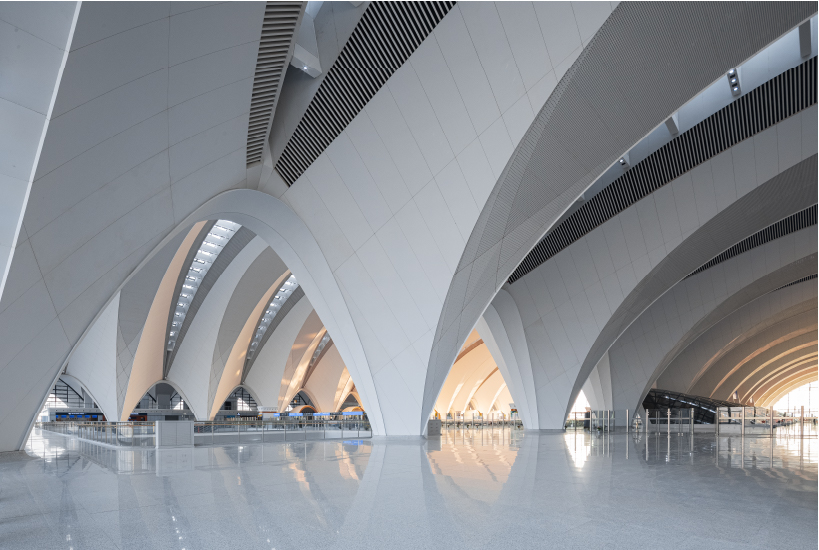


Last edited by muppet; Aug 2, 2026 at 6:42 PM.
Reply With Quote
     
     
  #1471  
Old Posted Aug 2, 2026, 4:32 PM
New Brisavoine New Brisavoine is offline
Registered User
 
Join Date: Nov 2007
Posts: 5,119
Quote:
Originally Posted by muppet View Post
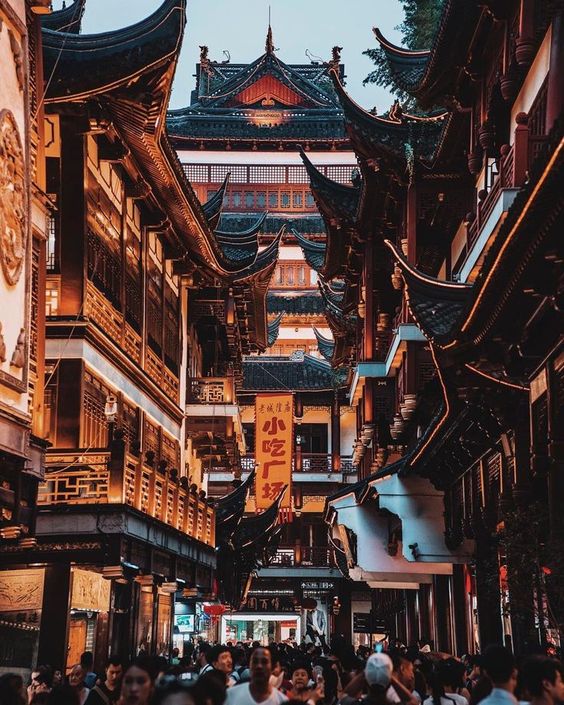
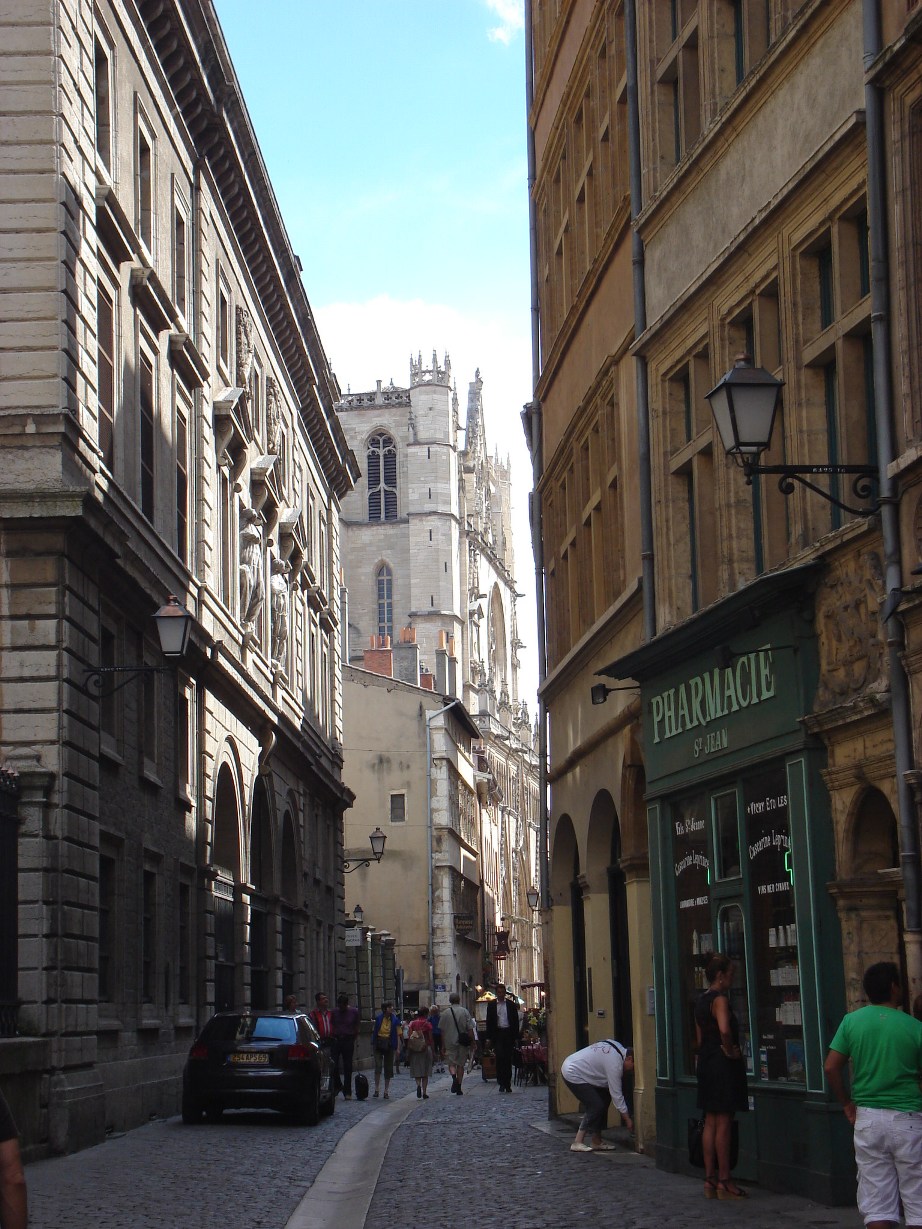
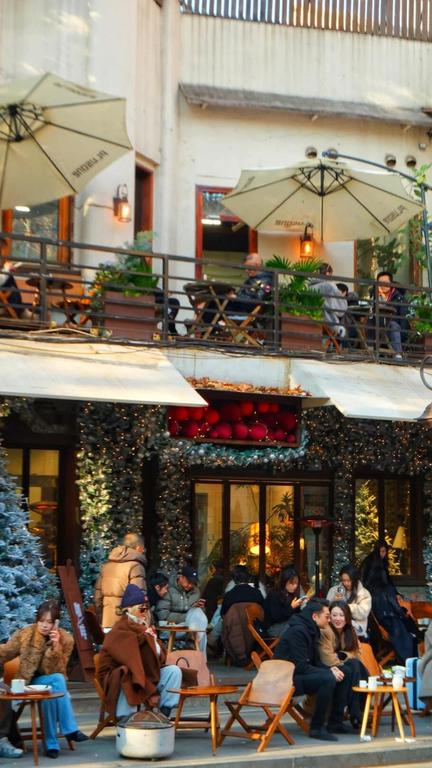
This is exactly what I meant by 'tourist theme park'. Probably most (if not all) of the things in that picture are either newly built, or rebuilt, in order to recreate a postcard-perfect 'old China' ambiance for tourists. It cannot be compared with organically-grown historical areas surviving from centuries ago in European cities. You walk in old Lyon, it's not rebuilt stuff to create a 'historic ambiance' for tourists, it's real 16th century buildings and Medieval churches that have survived revolutions, wars, and 20th century urban planners.

The 16th century windows to the right have probably witnessed the wedding of King Henry IV and Maria de' Medici in 1600. Nothing has changed here in 300 years. Someone walking in that street in 1789 would have seen the exact same things you see here (except for the shop windows).

__________________
New Axa – New Brisavoine
Reply With Quote
     
     
  #1472  
Old Posted Aug 2, 2026, 5:01 PM
muppet's Avatar
muppet muppet is offline
if I sang out of tune
 
Join Date: Sep 2004
Location: London
Posts: 6,528
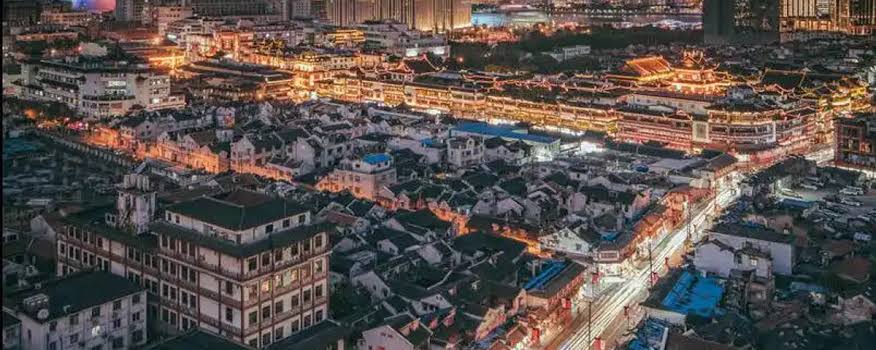
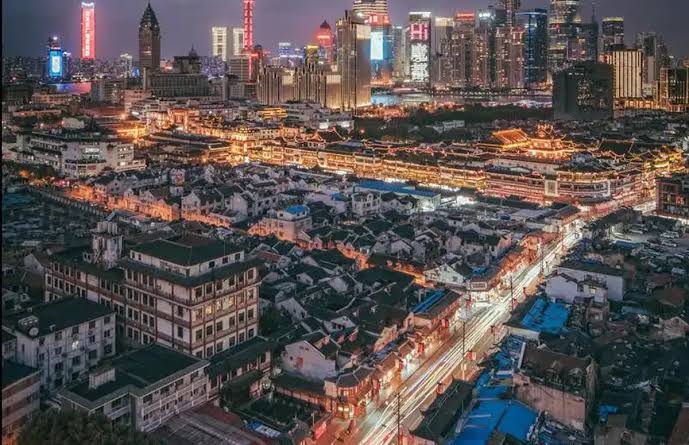
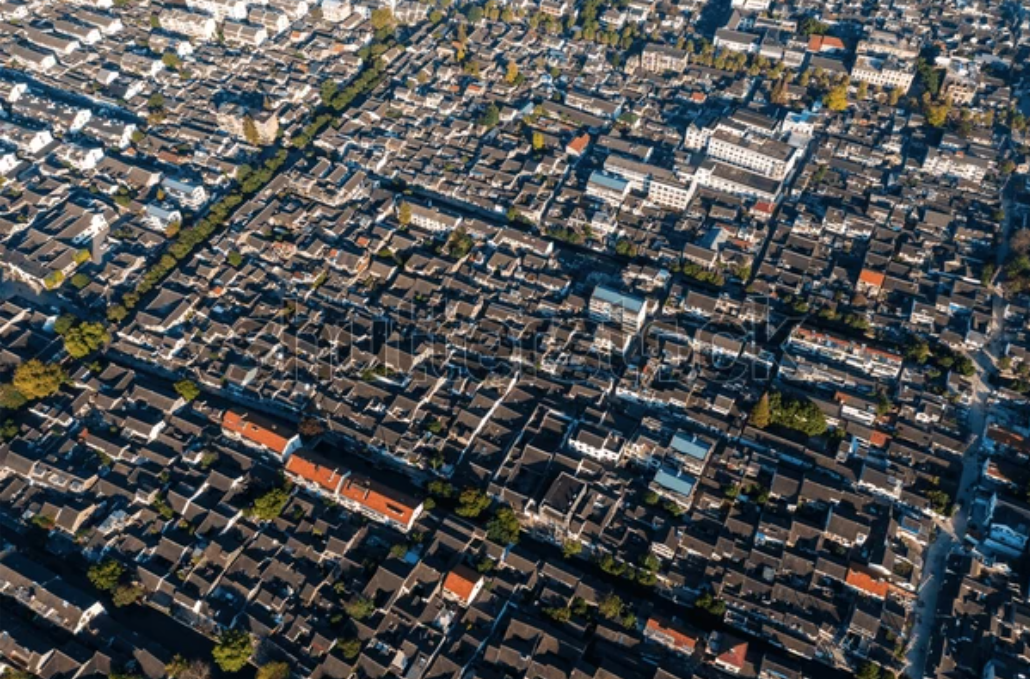
Look again at the Old town of Shanghai. I'm not talking about the Yuyuan Garden, which is the main tourist strip, but the buildings around - as mentioned 150,000 people live here and it's the densest part of the centre.


The Old Town can be shown by the ring at centre that once showed the City Wall -of course it spread beyond that


The larger district numbers 500,000


There is a huge restoration programme scheduled, but a lot still looks like this:


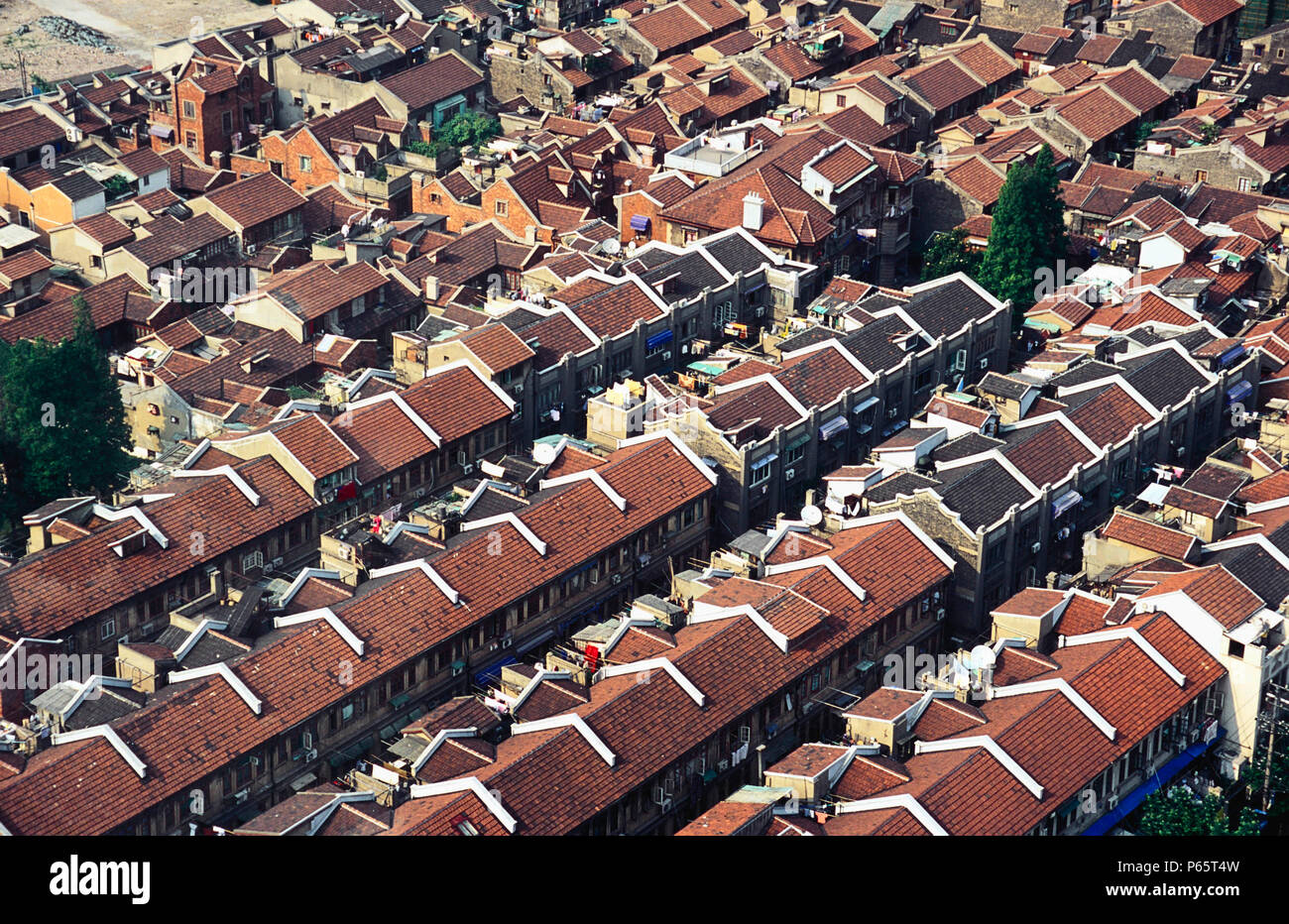
Not to be confused with the shikumen housing that blankets the rest of the city below the skyscrapers:


Shanghai is a relatively young city by Chinese standards (other than the Old City district which dates back to the Dark Ages), but it's not like everything is a theme park.
Reply With Quote
     
     
  #1473  
Old Posted Aug 2, 2026, 5:10 PM
muppet's Avatar
muppet muppet is offline
if I sang out of tune
 
Join Date: Sep 2004
Location: London
Posts: 6,528
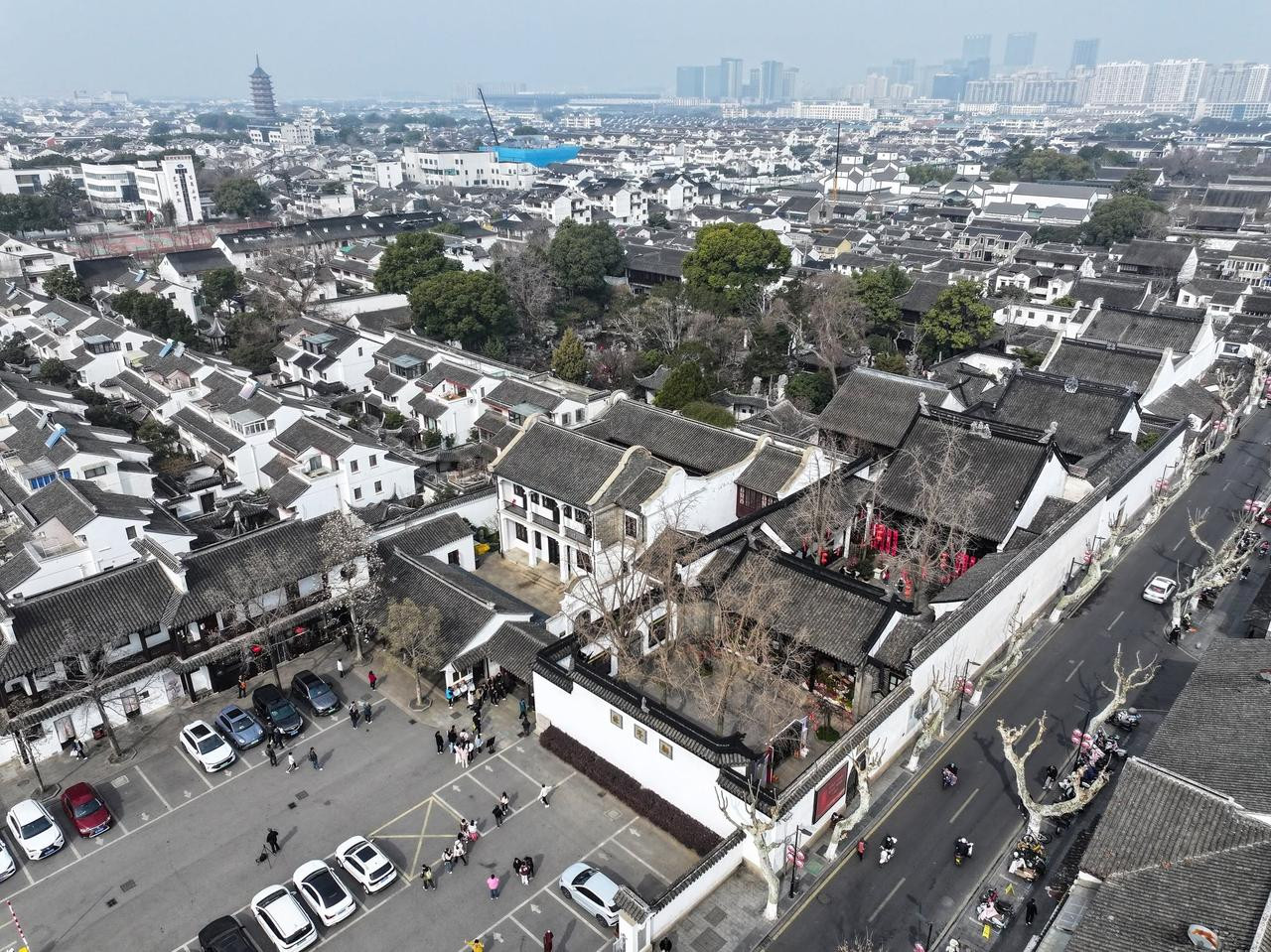
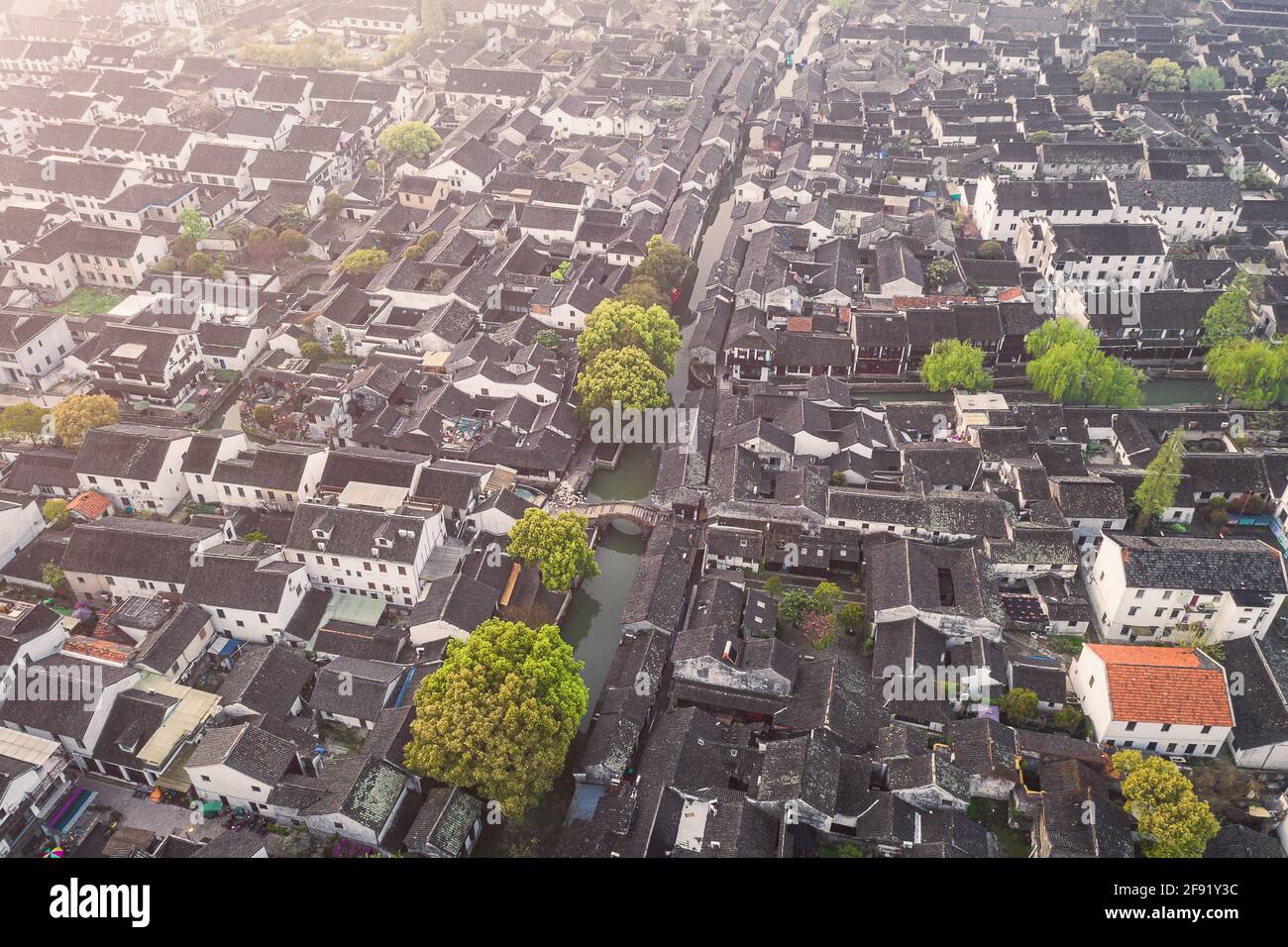
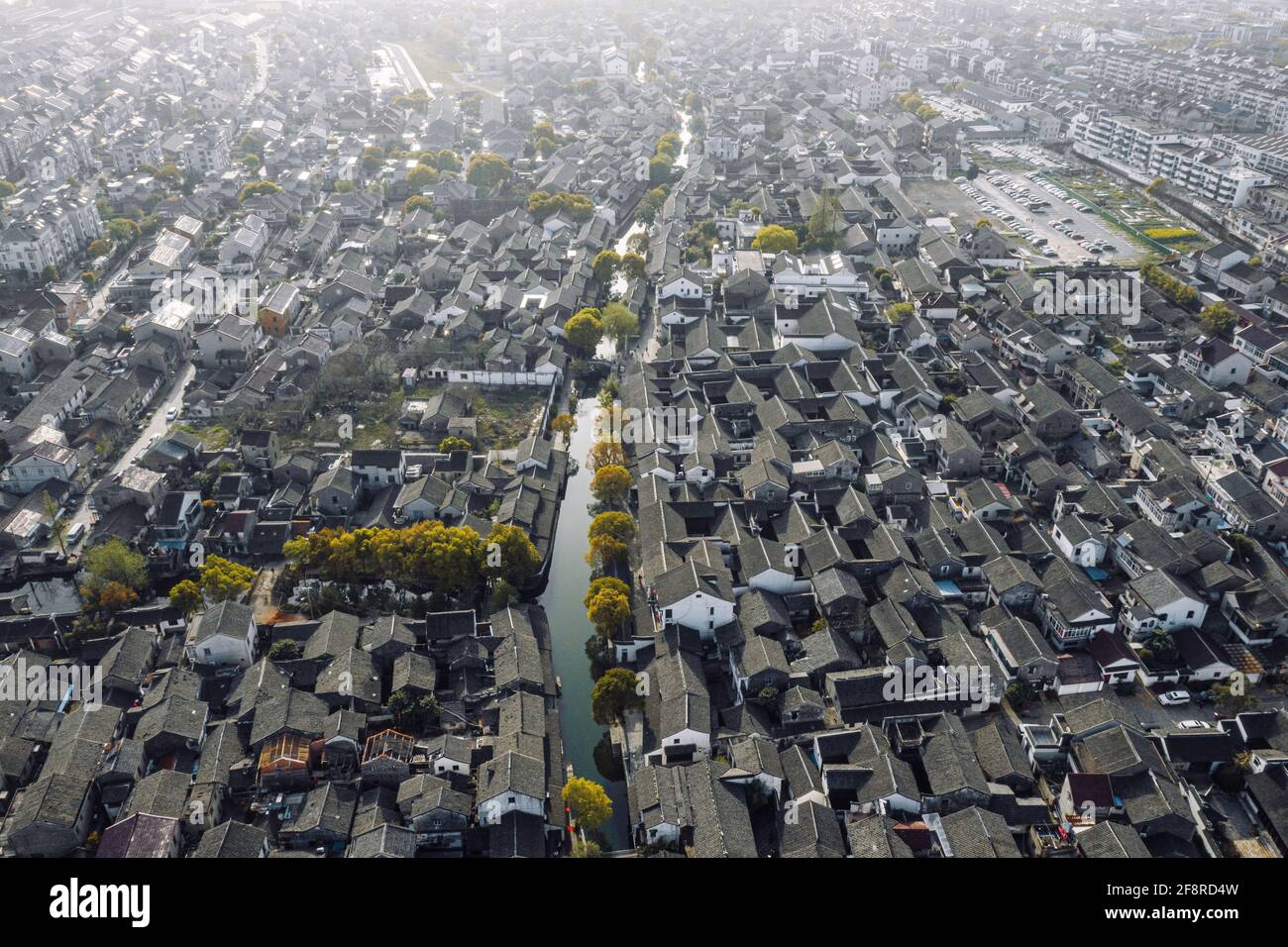
City next door to Shanghai, Suzhou is much more where the history's at. Very famous for its history -porcelain, silk, canals, gardens and pagodas, so a total tourist mecca.

Sure, the main streets will be restored to an inch of their life and given over to consumerism


But that can't extend the whole way across the entire old city -the endless back lanes and alleyways where people actually live, will likely never be seen by visitors.


Npr across the famous water towns of the city - Zhouzhuang


Lili:


Last edited by muppet; Aug 2, 2026 at 5:23 PM.
Reply With Quote
     
     
  #1474  
Old Posted Aug 2, 2026, 5:29 PM
New Brisavoine New Brisavoine is offline
Registered User
 
Join Date: Nov 2007
Posts: 5,119
Quote:
Originally Posted by New Brisavoine View Post


This is exactly what I meant by 'tourist theme park'. Probably most (if not all) of the things in that picture are either newly built, or rebuilt, in order to recreate a postcard-perfect 'old China' ambiance for tourists. It cannot be compared with organically-grown historical areas surviving from centuries ago in European cities. You walk in old Lyon, it's not rebuilt stuff to create a 'historic ambiance' for tourists, it's real 16th century buildings and Medieval churches that have survived revolutions, wars, and 20th century urban planners.
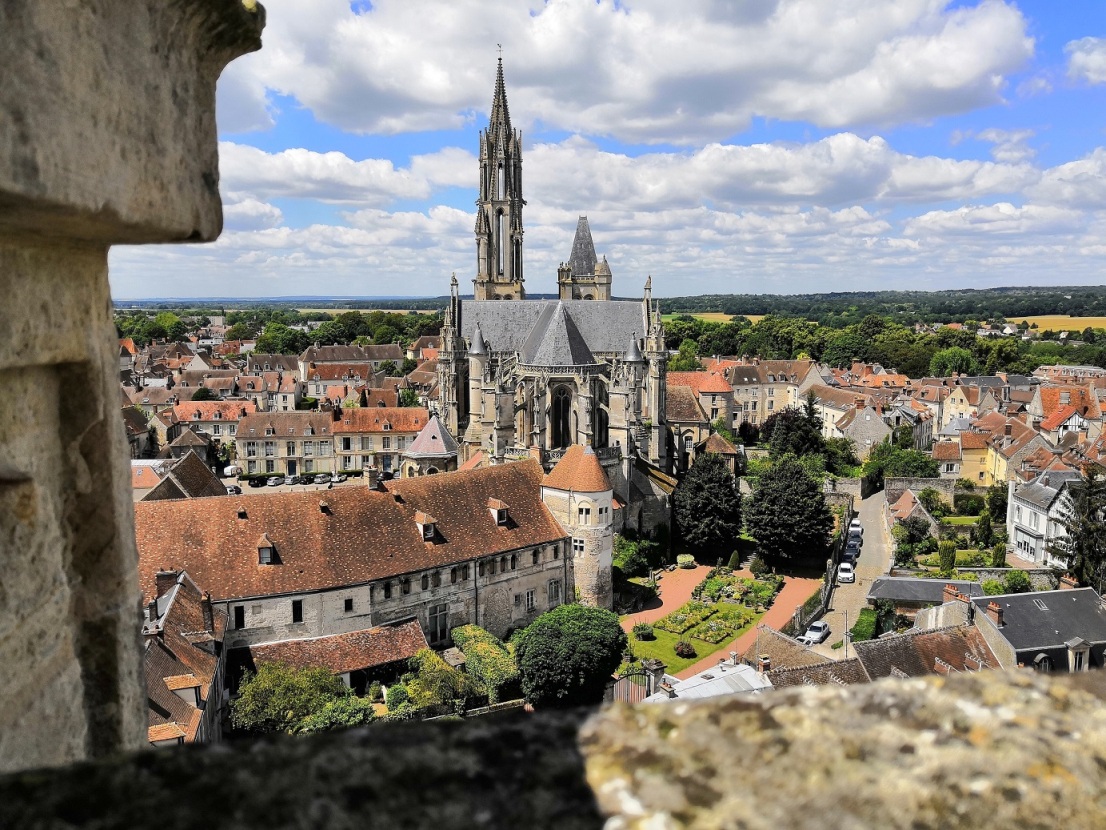
Ok, I've done some research on Chinese websites. The building in the background of your picture (yellow walls and tower) is the Yuanjin Zen Temple (圆津禅院). It is not located in the central area of Shanghai. It is located 44 km from the center of Shanghai as the crow flies. It would be like me posting a picture of the royal town of Senlis, in the Oise department, to illustrate how Paris supposedly has preserved its ancien urban fabric. (Senlis is even a tiny bit closer to the center of Paris than your temple is to the center of Shanghai)


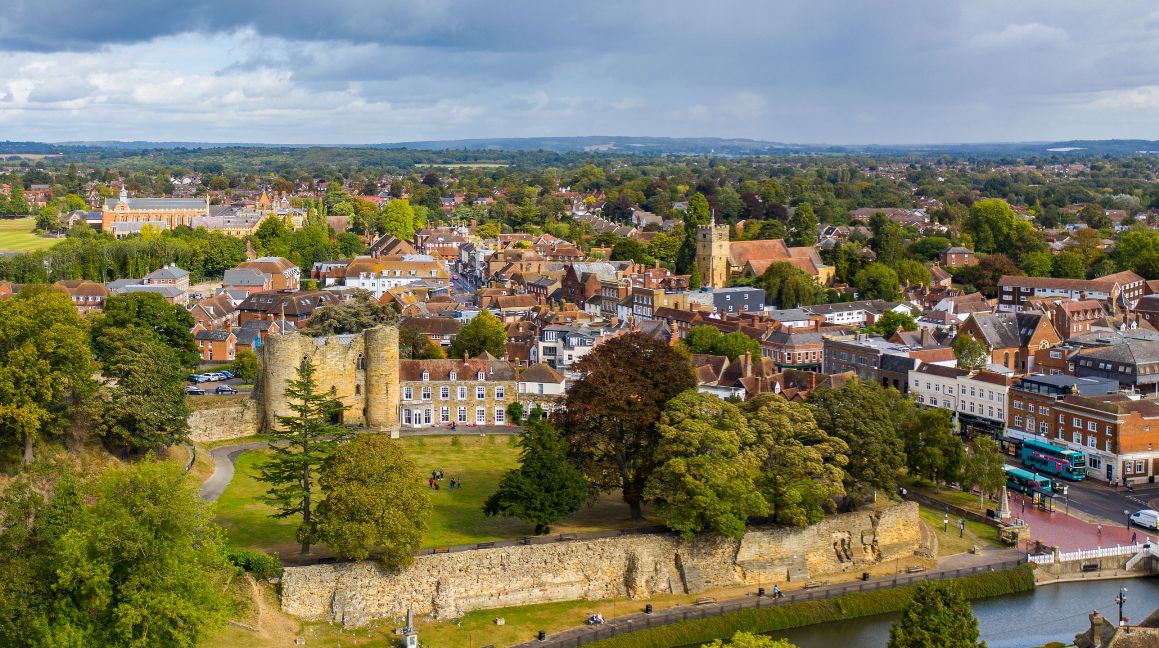
Or a Londoner posting a picture of Tonbridge in the county of Kent to illustrate how London has preserved its Medieval architecture (Townbridge is as far from the center of London as your temple is from the center of Shanghai).


The 2nd issue with your picture is, as I suspected, the fact that this temple has been entirely rebuilt. This Buddhist temple was founded in 1341 under the Mongol occupation of China, but it fell in disrepair during the 20th century, and was largely ruined during the Cultural Revolution. The authorities started to restore the site in the end of the 1990s. The main hall of the temple was largely renovated in 2000, and another hall was built next to it. The multi-tiered tower visible in your picture (which looked too good to be true) was rebuilt in 2001. The temple was formally reopened in 2002.

And it's like that almost everywhere in China. The authentic is RARE. Among the large monuments, only very few have survived (notably the Forbidden City, the Temple of Heaven in Beijing, and a few other, because prime minister Zhou Enlai personally saved them during the Cultural Revolution by posting the army there to prevent their destruction). The Potala in Lhasa was also saved (but the Medieval district at its base was entirely razed to the ground, and now rebuilt as a fake tourist theme park).

But the Chinese don't really mind. Unlike the Europeans, for them the authenticity of a monument, or of an urban district, doesn't really matter. What matters is the visual atmosphere. A real preserved 18th century hutong in Beijing (exceedingly rare now) is no better than a fake hutong rebuilt 10 years ago to look more real than the real ones. The authorities will typically demolish the authentic 18th century hutongs, then rebuild fake hutongs that look "more real than the real ones". And Western tourists usually fall in the trap and imagine they are seeing ancient stuff.
__________________
New Axa – New Brisavoine
Reply With Quote
     
     
  #1475  
Old Posted Aug 2, 2026, 6:35 PM
muppet's Avatar
muppet muppet is offline
if I sang out of tune
 
Join Date: Sep 2004
Location: London
Posts: 6,528
Ah I see you're at your modus operandi again -cherry picking to find an example and declare that the world expert opinion.

Yes Zhujiajiao is the furthest of the watertowns but still in Shanghai's limits so big is the city, hence why I mentioned 'swallowed up'. It's infamous for people in the centre to get out to for the changes in transport, but hey, that's saved it in a way. Meanwhile Shanghais' Old City is slap bang in the centre (if arguably THE centre) and Qibao is 9 miles / 20 mins by metro, another swallowed up watertown. Shanghai actually has 10 historic watertowns in its city limits.

And do you really, seriously think there are only a handful of old buildings in the country? And it's all a sham? Yes the country went through tumultuous history -700 of its cities destroyed in a single 19th Century war, but believe it or not there is still spades and endless spades of genuine history. The people constantly build.

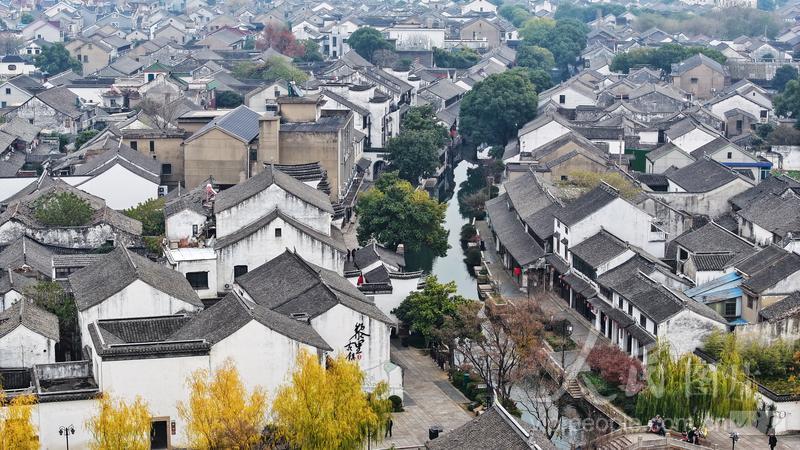
You only need to go to the next city along, Suzhou which is a much better example of a classical Chinese city. 186 historic pavilion gardens (that the city is famous for), of which 9 are UNESCO Heritage sites with 200-300 pavilions. 141 historic stone bridges, 31 pagodas and watchtowers, 30 temple complexes. Thousands of old buildings.

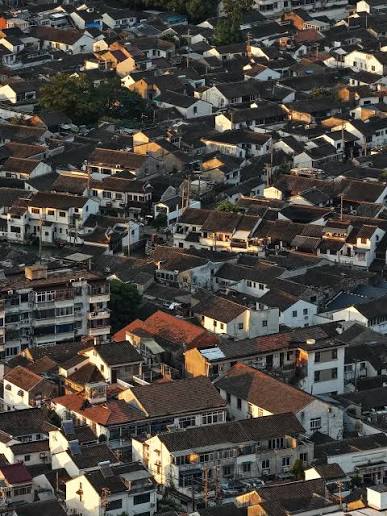
This district from the pics above is on a 800 year old layout, canals and bridges, with 200-450 year old housing


Plus there are over 200 historic watertowns in the vicinity of both cities. 180 of them are off the tourist radar.


...Shanghai, for all its relative youth and historic destruction, still has 50,000 shikumen houses on 1,900 lanes. Once again they are not a theme park and functioning part of city life to this day.


Last edited by muppet; Aug 2, 2026 at 7:14 PM.
Reply With Quote
     
     
  #1476  
Old Posted Aug 2, 2026, 7:06 PM
New Brisavoine New Brisavoine is offline
Registered User
 
Join Date: Nov 2007
Posts: 5,119
I don't even know what you're trying to achieve here. The destruction of Shanghai's old urban fabric is well known and documented (and lamented). We even had one forumer at SSC who regularly documented it. Very little remains of the old Chinese city of Shanghai. And even when the old Chinese city was intact (i.e. before 1950), it wasn't the hype and interesting part of Shanghai anymore. The center of business and nightlife had moved to the concessions (business life more in the international concession, nightlife more in the French concession). The old Chinese city was looked at with disdain by the Chinese people. An impoverishing part of the city that people who had enough money left.

If Shanghai had been a European city (or even a North American city), what would have happened is after decades of neglect and impoverishment, the old Chinese city would suddenly have experienced a renewal from the 1980s onward, with people rediscovering it and rehabilitating it, and now it would have become the hype part of Shanghai, full of cute ancient streets restored and inhabited by the hype and trendy people. Think Vieux Lyon in Lyon, Le Marais in Paris, Soho in London, Barrio Gotico in Barcelona, etc.

But Shanghai did not experience that. Its course was entirely different: Soviet transformations in the 1950s and 1960s, the Cultural Revolution which destroyed the old religious shrines. By 1978, despite everything, most of the old Chinese city was still intact, but when they embarked on the path of modernization, they decided to destroy most of it, in the name of "progress". Very little remains of it now. And the hype part of Shanghai remains the concessions.

PS: I've asked 4 different IA engines what percentage of the ancient historic fabric of the old Chinese city of Shanghai remains. These are the answers:
- Gemini: less than 10% to 15%
- ChatGPT: at only 10–20% of its pre-1900 condition
- Grok: only a small fraction of the original historic fabric
- Claude: it's a small single-digit percentage at most

Gemini adds this:
Quote:
1. Scale: Almost Everything Is Gone

Out of thousands of historical buildings, courtyard homes, and walls that once made up the old city, only a tiny handful of individual buildings still stand. Over 90% of the original structures were demolished to make way for modern roads, subway lines, and high-rises.

2. Authenticity: What Remained Was Heavily Rebuilt

Even among the few historical sites that survived, very little of the original materials or wood framing remains intact.

When historic Asian timber-frame buildings age, decay, or face fire, they undergo extensive maintenance over centuries. In Old Shanghai, many buildings that look "ancient" today fall into three categories:

a- Heavy Restoration: The original layout or foundation remains, but 70% to 90% of the wooden beams, roof tiles, and carved panels have been replaced over time with modern wood or concrete.

b- Replica/Reconstruction: Structures were completely torn down and rebuilt from scratch in a traditional Qing or Ming dynasty style (often using modern materials like concrete frames with steel supports disguised under decorative wood veneer).

c- Facade Retention: The outer front wall of a building is kept, but the entire interior is gutted and replaced with modern retail stores or apartments.
__________________
New Axa – New Brisavoine
Reply With Quote
     
     
  #1477  
Old Posted Aug 2, 2026, 7:15 PM
muppet's Avatar
muppet muppet is offline
if I sang out of tune
 
Join Date: Sep 2004
Location: London
Posts: 6,528
Sure lots of destruction, but plenty survives despite the painful history. And not as a theme park.

Seriously, can you see pictures?


Btw the 1980s was when the govt started restoring the Old City, after the Yuyan complex was declared a national monument in 1982. The temple garden itself was restored in the 50s and 60s.

PS Soho in London? In the 1980s? Are you serious? It was the seedy red light zone with 600 sex shops and brothels. It only got 'prettified' from the 00s to teenies, much to its detriment.

Last edited by muppet; Aug 2, 2026 at 8:21 PM.
Reply With Quote
     
     
  #1478  
Old Posted Aug 2, 2026, 7:28 PM
New Brisavoine New Brisavoine is offline
Registered User
 
Join Date: Nov 2007
Posts: 5,119
Quote:
Originally Posted by New Brisavoine View Post
And the hype part of Shanghai remains the concessions.
And since you prefer to use mockery rather than addressing the actual points, I've asked the question to those 4 IA engines: "What's currently the hype part of Shanghai?"

Here are the answers:

Gemini:
Quote:
1. The Undisputed King of Trend: The Former French Concession (FFC)

2. The Futuristic Flex: Pudong (Lujiazui)

3. The Art & Culture Hype: The West Bund & Suzhou Creek
Regarding the old Chinese city particularly, Gemini says:
Quote:
The Old Chinese City (Nanshi): Not hyped for trendiness. It's treated primarily as a heritage tourist destination (for Yu Garden) or an urban exploration site to see lingering fragments of traditional life before they disappear
ChatGPT:
Quote:
1. The Bund + Lujiazui (Pudong) ⭐⭐⭐⭐⭐

2. The French Concession ⭐⭐⭐⭐⭐

3. The Former International Settlement ⭐⭐⭐⭐☆

4. The Old Chinese City ⭐⭐⭐☆☆

The old Chinese city has historical importance but is not the city's trendiest district.
Grok:
Quote:
The Former French Concession (especially around Anfu Road / Wukang Road in Xuhui) is the strongest “hype” / trendy / cool neighborhood vibe in Shanghai right now.
Regarding the old Chinese city specifically:
Quote:
Reconstructed/tourist-oriented; not the trendy or hip area
Claude:
Quote:
Right now, the clear answer is the Former French Concession — specifically its western/central stretch (parts of Xuhui and Jing'an districts).
Regarding the old Chinese city specifically:
Quote:
The old Chinese city (Nanshi/Yu Garden area) — historic and touristy, but not "hip." It's where you take visiting relatives, not where young Shanghainese hang out.
__________________
New Axa – New Brisavoine
Reply With Quote
     
     
  #1479  
Old Posted Aug 2, 2026, 7:32 PM
muppet's Avatar
muppet muppet is offline
if I sang out of tune
 
Join Date: Sep 2004
Location: London
Posts: 6,528
So lets say hypothetically Shanghai pissed on its old city, nothing remains and its a theme park. Lets ignore the 150-500,000 people who still live there. Or the fact we're focusing on one of the most modern and 20th Century cities in the land (and ignore Suzhou next door, or 200 local watertowns).


Do you think this applies to all?

Last edited by muppet; Aug 2, 2026 at 8:22 PM.
Reply With Quote
     
     
  #1480  
Old Posted Aug 2, 2026, 7:59 PM
muppet's Avatar
muppet muppet is offline
if I sang out of tune
 
Join Date: Sep 2004
Location: London
Posts: 6,528
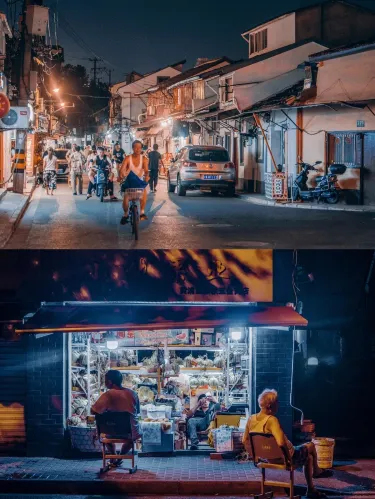
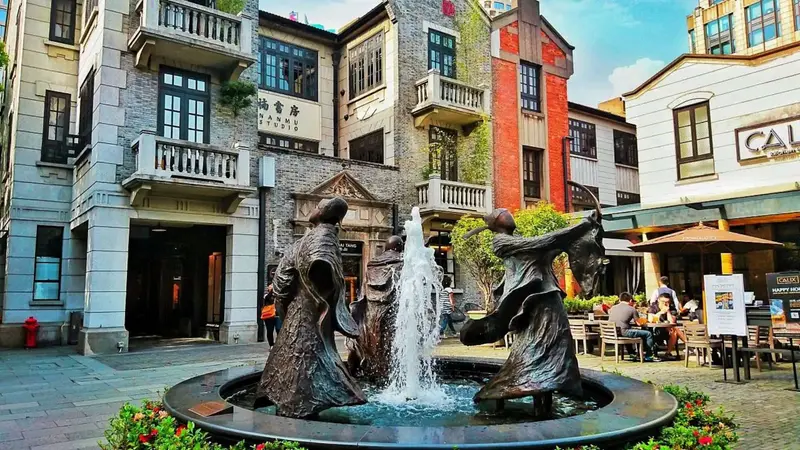
OMG the French Concession REALLY is not the coolest neighbourhood. It's the absolute Starbucks chugging, label strutting, manicured, Instagram chasing vision. About as exciting as a clear glass of Perrier.

Think this:


and this - a crowd queing up for selfies of the Wukang Mansion. Infamous as a nondescript building famous for being famous -it went viral after influencers started taking snaps there.


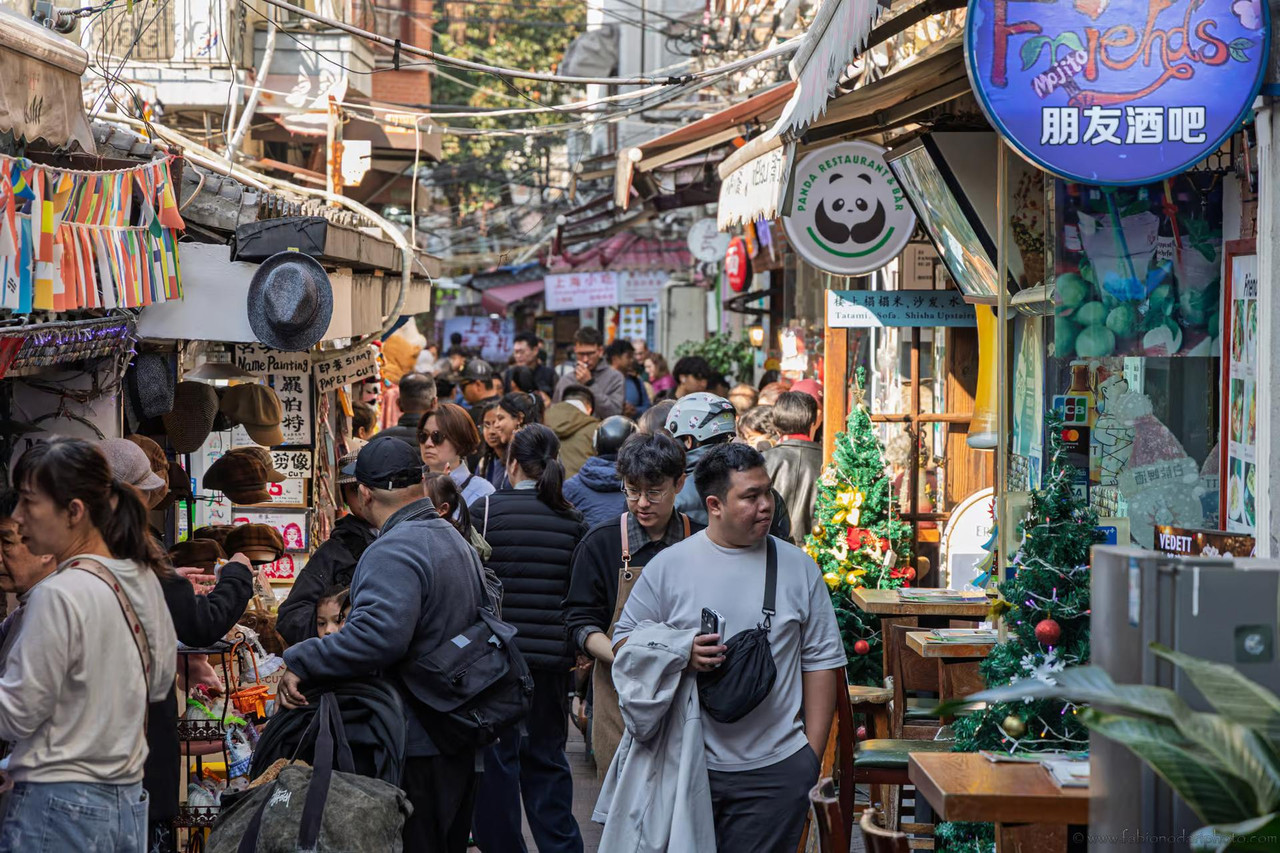
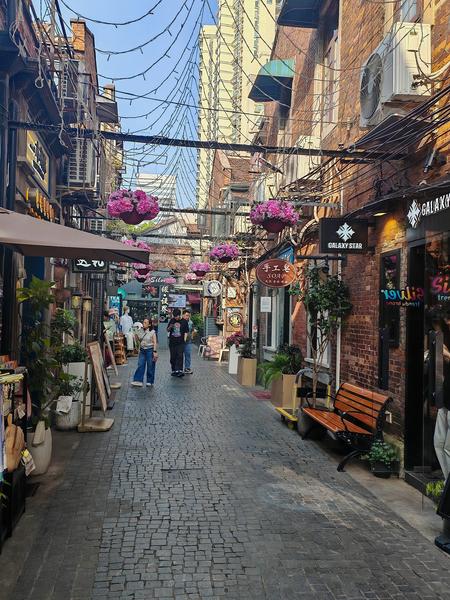
Tianzifang was once cool - a maze of alleys, but now is one of the biggest attractions and quite the tourist circus, selling tat.


While the whole Anfu Rd area is for influencers, expensive dogs, and minimalist luxury. If you think that's cool there's no helping you -it's everything that's wrong with the world. Ju-fu-Chang crowd -nuff said


^that is all your middle class sanitised coffee class. I'd compare it to Richmond or Chelsea in London, but with a version of London Bridge or Covent Garden at night -tame, commercial, populated by expats, tourists and out-of-towners.

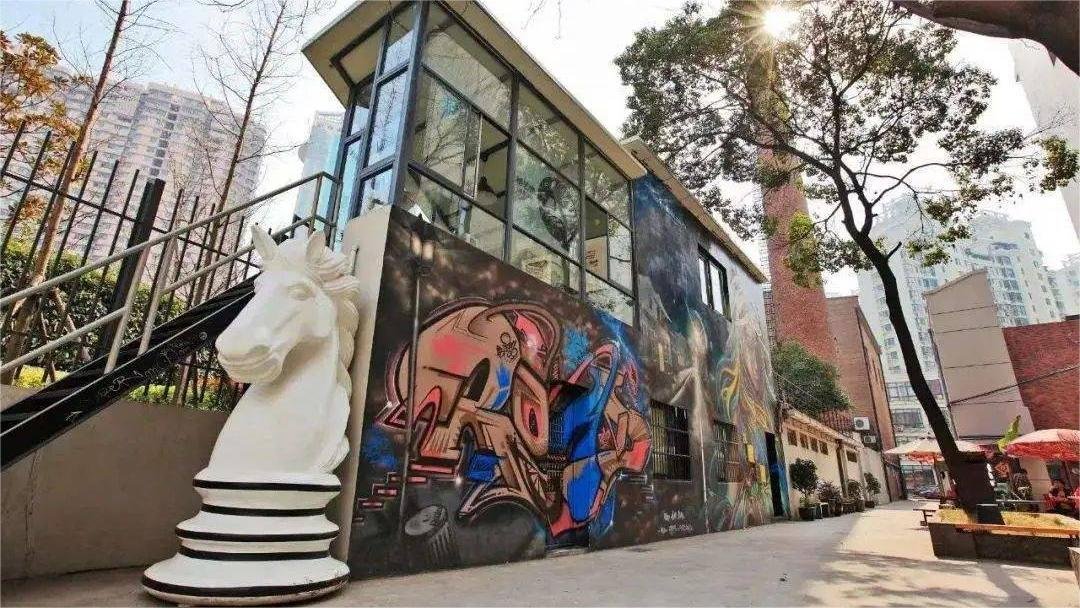
M50 is more the vibe, which would be the Shoreditch equivalent -once rundown, now getting worryingly polished.


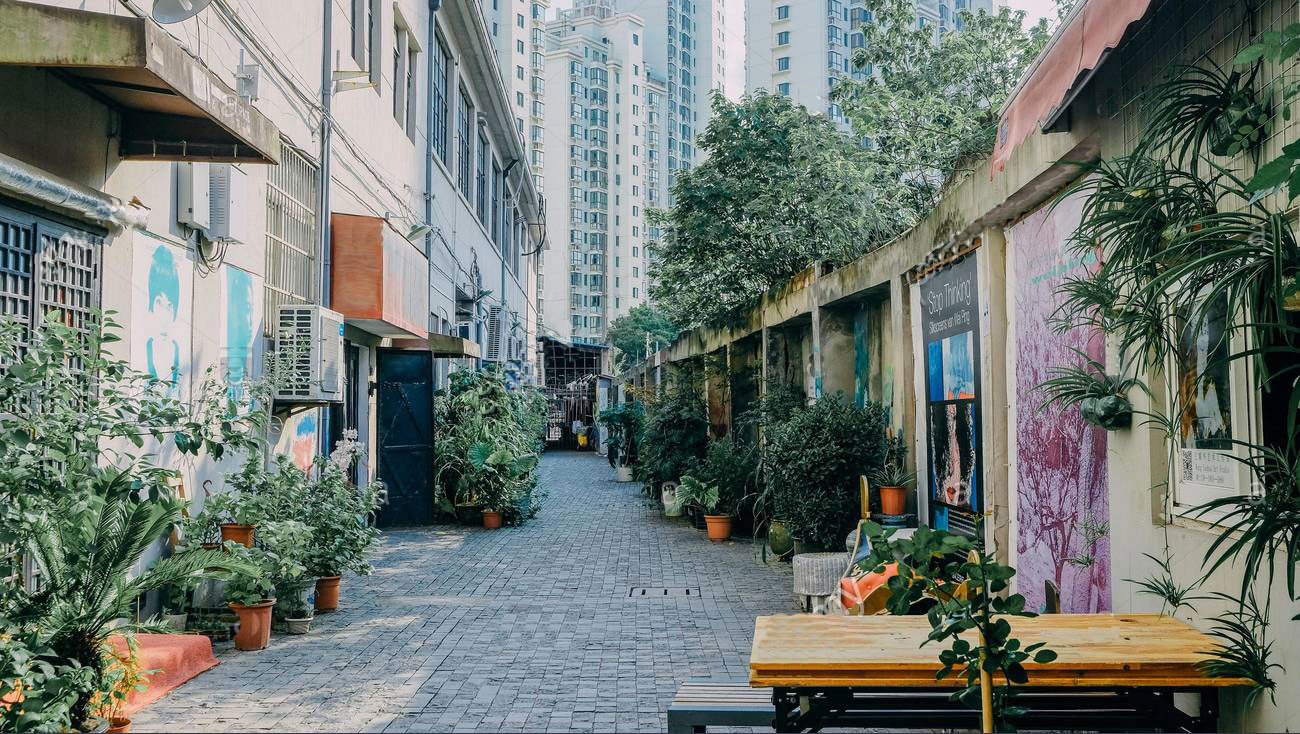
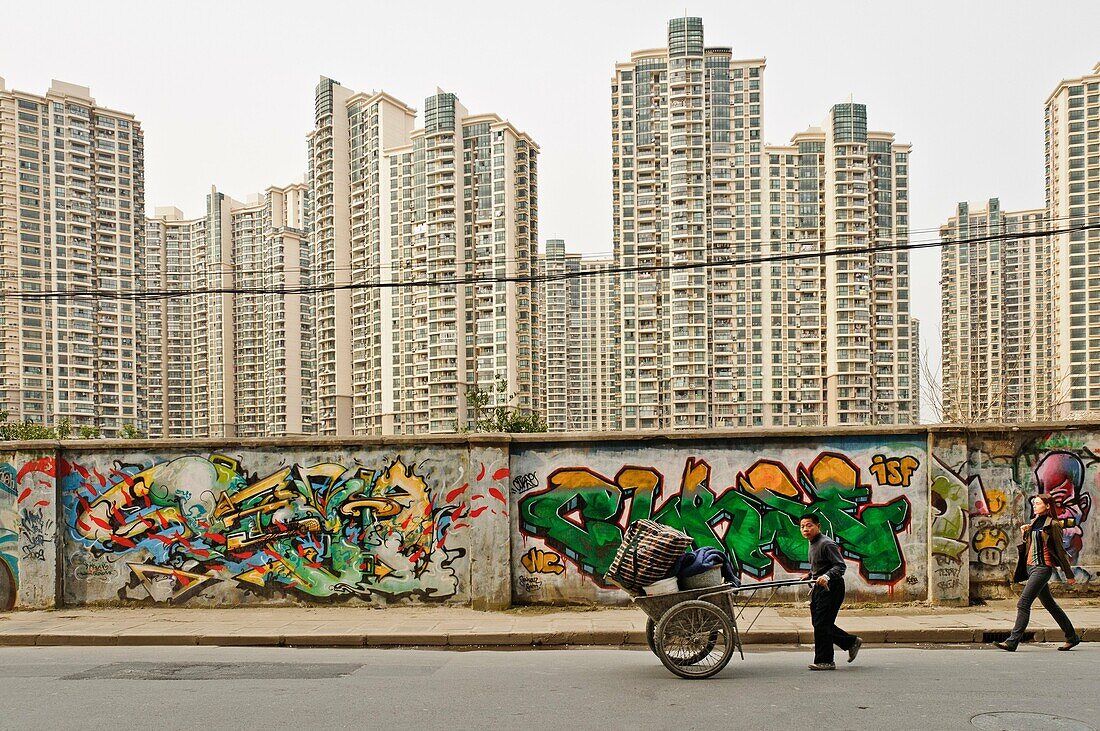
West Bund maybe, and Jing'An are more where its at (Jiazhou Rd, Yangping Rd where the nightlife is moving to).

Also HONGKOU. I fucking want to live in Hongkou


Video Link

Last edited by muppet; Aug 2, 2026 at 8:23 PM.
Reply With Quote
     
     
This discussion thread continues

Use the page links to the lower-right to go to the next page for additional posts
 
 
Reply

Go Back   SkyscraperPage Forum > Discussion Forums > City Discussions
Forum Jump


Forum Jump


All times are GMT. The time now is 1:22 AM.


Powered by vBulletin® Version 3.8.7
Copyright ©2000 - 2026, vBulletin Solutions, Inc.