| |
 Posted May 4, 2026, 8:28 PM
|
 |
Moderator
|
|
Join Date: Aug 2002
Location: Winnipeg, Manitoba
Posts: 7,299
|
|
Quote:
Hopes rise for reuse of heritage buildings
New report outlines potential options for maintaining structures while repurposing functions
Aaron Epp
Sunday, May. 3, 2026

MIKAELA MACKENZIE / FREE PRESS FILES
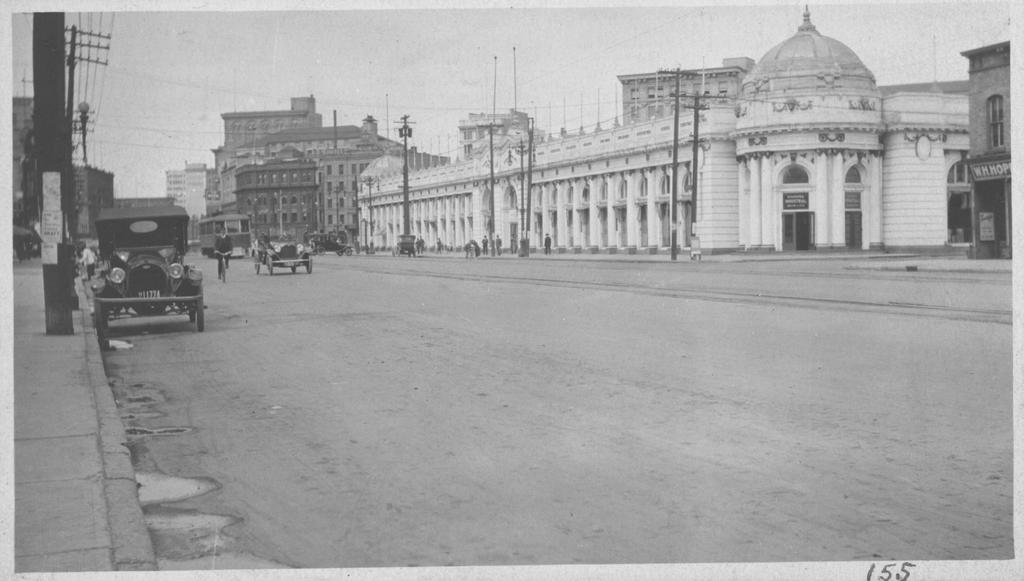
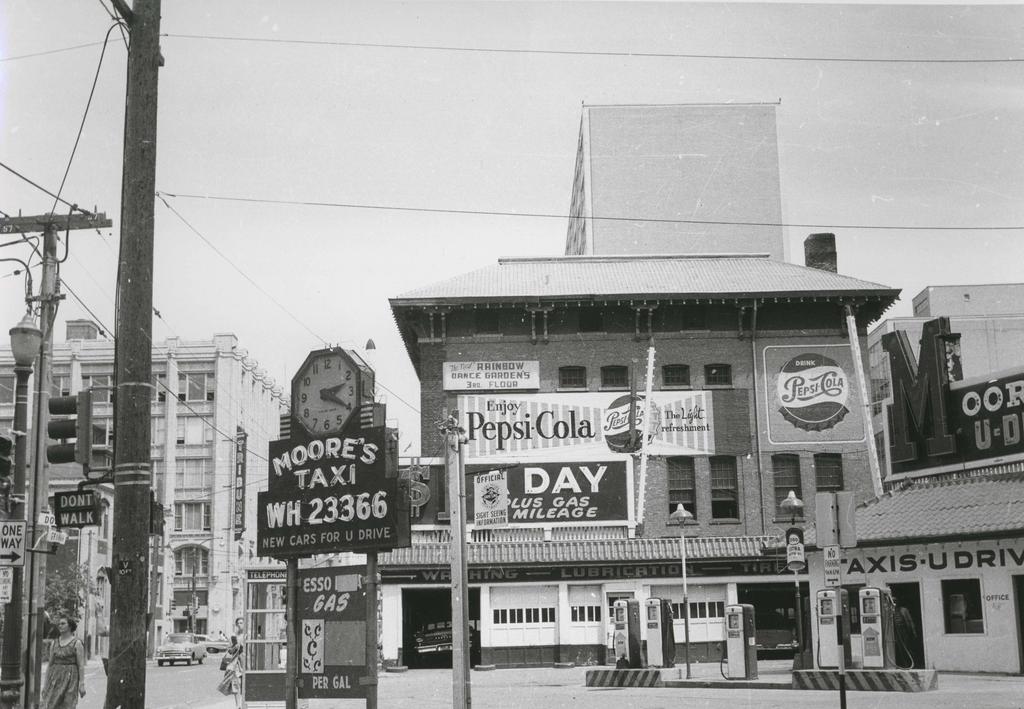
The Maw’s Garage at 291 Bannatyne Ave. is one of the sites announced in January to be transformed into housing.
The chairperson of a committee that advises city council on climate change issues is excited about a new report that outlines potential options for Winnipeg to reuse heritage buildings.
The city’s standing policy committee on property and development is scheduled to discuss the Promoting Adaptive Reuse and Preservation of Heritage report on Wednesday.
The 25-page document explores bylaws and rules Winnipeg could implement to promote the “adaptive reuse” of buildings — a recycling strategy that focuses on maintaining the structure or basic fabric of a building and repurposing its function.
Adaptive reuse would help the city reduce waste, protect historic places and add more housing options, according to the report.
“You’re not going to meet your climate targets if you keep throwing buildings in the landfill, so if we can do something to discourage that, I would think that’s a pretty good victory,” said Coun. Brian Mayes (St. Vital).
He leads the city’s climate action and resilience committee, which met with the property and development committee and the public service to discuss adaptive reuse options.
“We keep hearing people say, ‘the greenest building is the one that is already standing,’ and then we never actually do anything about that,” Mayes said. “So, let’s do something about it.”
Winnipeg already has some tools to support adaptive reuse, including heritage bylaws, zoning rules and grants. These tools are helpful, the report notes, but they are limited and could be improved.
City staff reviewed adaptive reuse programs in Halifax, Calgary, Vancouver and Montreal.
These cities use a mix of incentives and regulations such as flexible zoning rules in exchange for restoration, single unit to multi-unit house conversions beyond four units, and rules that make it harder to demolish older character houses.
“If we can do something to promote heritage and promote the environment, I think that’s a pretty good legacy,” Mayes said.
Cindy Tugwell, executive director of Heritage Winnipeg, said she felt “hopeful” after learning about the report on Thursday.
“The heritage sector has been advocating for a lot of these things,” she said. “This is great. It sort of puts it all together comprehensively.”
Adaptive reuse is happening all over the Exchange District, Tugwell said.
She noted that the city and industry leaders announced in January a plan to take four vacant, historic buildings downtown and transform them to offer housing: the St. Charles Hotel (235 Notre Dame Ave.), Maw’s Garage and the Sanford Building (291 Bannatyne Ave.), the Alloway Building (179 McDermot Ave.) and Garry Block (290 Garry St.).
“I’m elated that this report has been put out,” Tugwell said. “(The city is) really starting to recognize the impact that demolition of buildings and homes are having on the landfill and our climate, and that, in 80 to 90 per cent of the cases, these are structures that can be reutilized.”
“A retrofit for residential … is critical to meet housing demands over the next five to 10 years, for any major city in Canada,” she added.
The report notes that the City of Halifax uses heritage development agreements to promote adaptive reuse of a designated heritage building.
These are legally binding, negotiated contracts between the property owner and the municipality that offer flexibility and additional development rights.
The report cites a project at 5294 Inglis St., in Halifax that’s currently under development as one example of such agreements. Developers are restoring and adding on to a heritage house built in 1891 to create 31 housing units and two commercial spaces.
The heritage development agreement program has been positive, said Chris Crawford, partner at Fathom Studio, the architecture firm working on the Inglis Street project.
“Our city is changing very quickly,” he said. “There’s a huge demand for housing and this is helping, certainly on the peninsula within Halifax, alleviate some of that pressure while still bringing some new life to heritage projects.”
Mira Locher, dean of the University of Manitoba’s faculty of architecture, applauded the report, adding that adaptive reuse is “an excellent direction for (Winnipeg) to move in.”
“It’s an important way that cities maintain their strong kind of inner city fabric and maintain those stories that people have that are associated with the buildings,” she said.
The report states that the strategies it outlines can be considered during the comprehensive zoning bylaw review scheduled to happen next year.
|
Winnipeg Free Press
|
|
|





 Prev
Prev








 Linear Mode
