| |
 Posted Apr 7, 2026, 5:49 PM
|
 |
Moderator
|
|
Join Date: Aug 2002
Location: Winnipeg, Manitoba
Posts: 8,536
|
|
Quote:
Development diversifies airport revenues as supply chains remain key
Western airports look beyond passengers for stable revenues
Peter Mitham
Apr 1, 2026

Supply chain shocks and disruptions to passenger traffic are driving airports to pursue development to stabilize revenues and tap into future growth opportunities.
Years of facility expansion to accommodate growing volumes of leisure travellers as air decisively overtook ground transportation had their come-uppance when COVID-19 hit. Skies and terminals went quiet, robbing concession stands and airport authorities of revenues. Yet cargo traffic continued, shining a spotlight on the opportunities alternative revenue streams could play.
“Diversifying our revenue is another way of doing our job as a community builder,” said Will Rossall, director, real estate and land development with the Winnipeg Airports Authority, which manages Winnipeg Richardson International Airport. “Everybody looked at themselves after COVID and said, OK, how do airports generate revenue in a more diversified way to protect ourselves against downturns?”
A runway to future growth was right under their feet, and Winnipeg Airports Authority began taxiing to take-off.
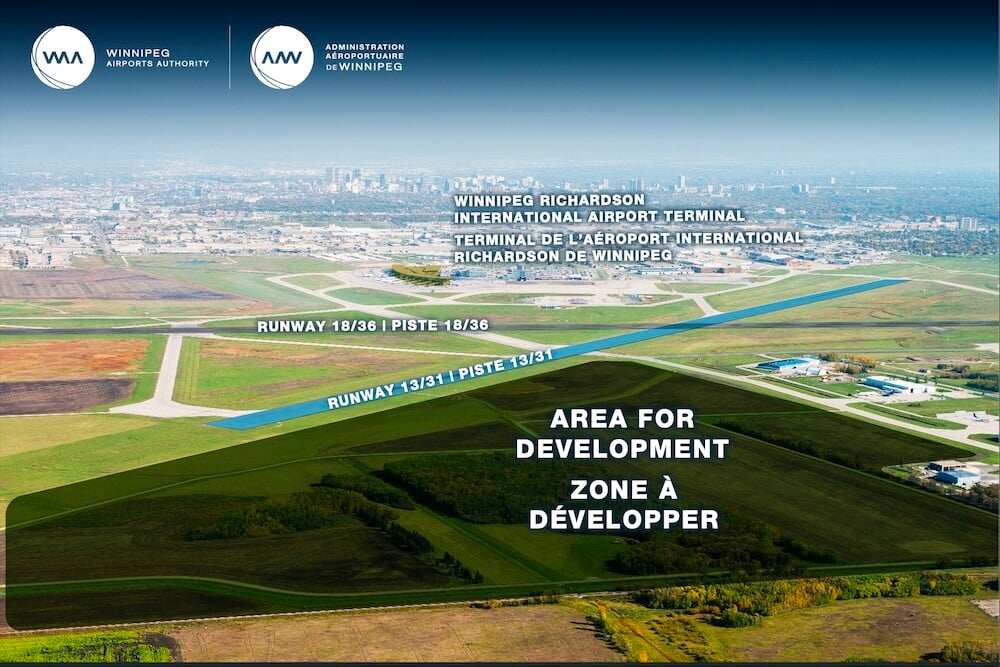
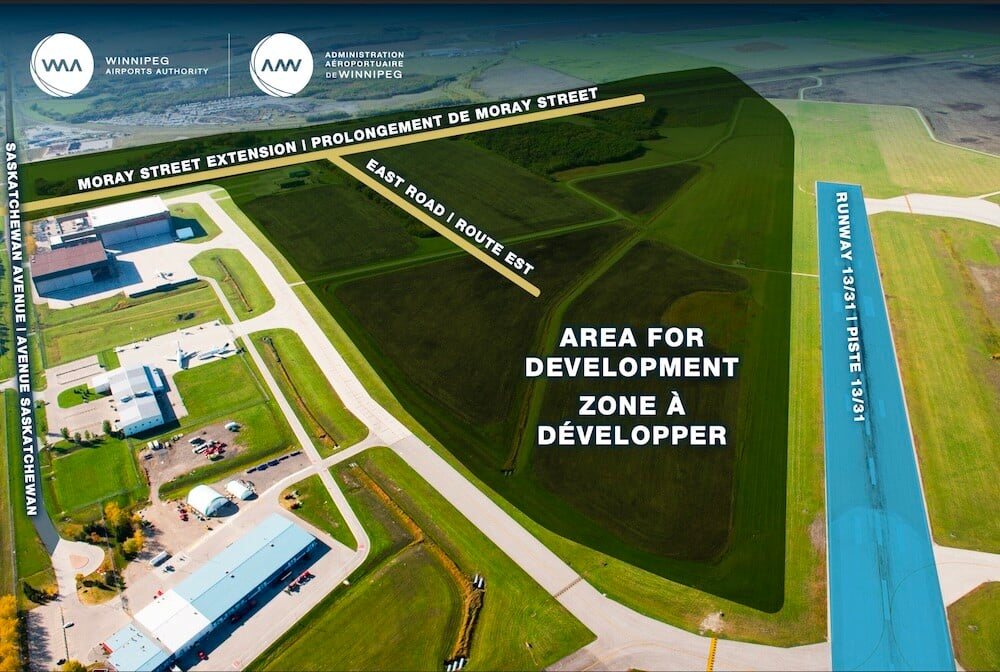
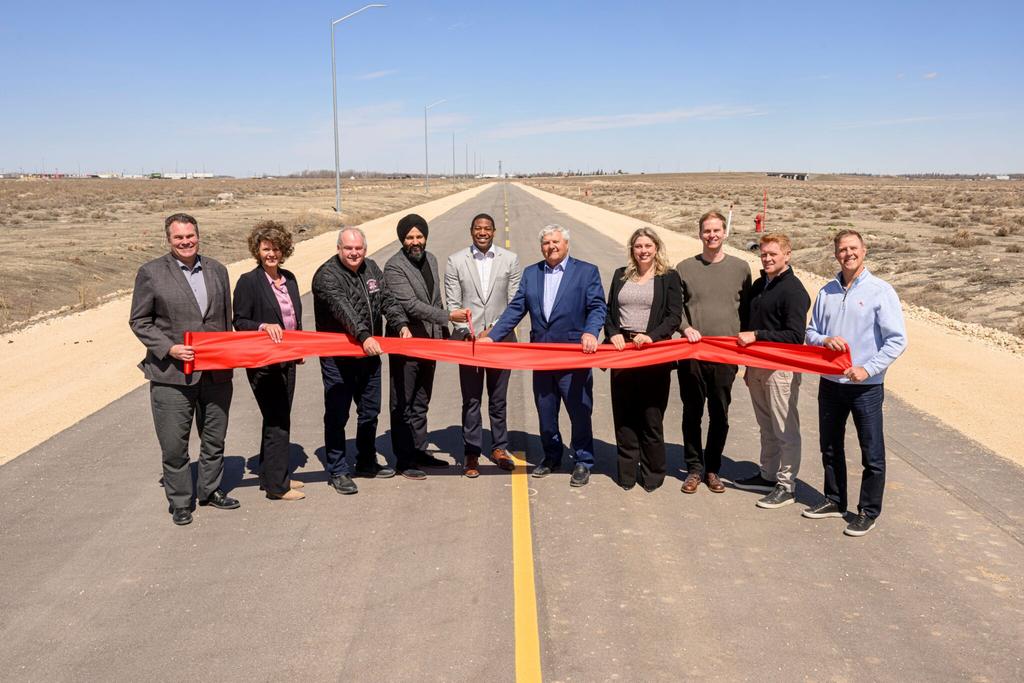
Plans for servicing 220 acres on the west side of the airport were initiated two years ago, and in January Winnipeg city council approved the project, allowing for a Feb. 27 announcement with the provincial and federal governments to kick off the $32 million project.
Joint federal-provincial funding will support site servicing, grading, drainage and utility installation, as well as the extension of local roads, setting the stage for approximately 1.25 million square feet of commercial and industrial space to arise on 127 acres of direct-access runway lands and 84 acres of airport-adjacent industrial lands.
“This is land that’s very rare, it’s highly sought-after and it’s incredibly valuable for the transportation sector, Rossall said. “It’s likely that we’ll find some level of manufacturing, but distribution is going to be a key component.”
WestJet is tipped as a potential tenant, complementing other aerospace and logistics companies on the east side of the airport campus, including Boeing, which completed a fifth expansion of its composites plant adjacent to the airport, giving it double the freezer capacity and boosting plant output.
Build-out of the airport’s west lands will take about 16 years at current absorption rates, Rossall said.
Winnipeg is a cheaper location for many cargo companies. CargoJet, the largest air cargo provider in Canada, has its second-largest base of operations in the country at the airport.
“We punch well above our weight with respect to air cargo,” he said, noting that Winnipeg handles more than 4,000 cargo flights annually and 1,100 trucks. “It’s not because we’re a final destination. We’re a natural mid-point for goods that are going east-west.”
Connection point
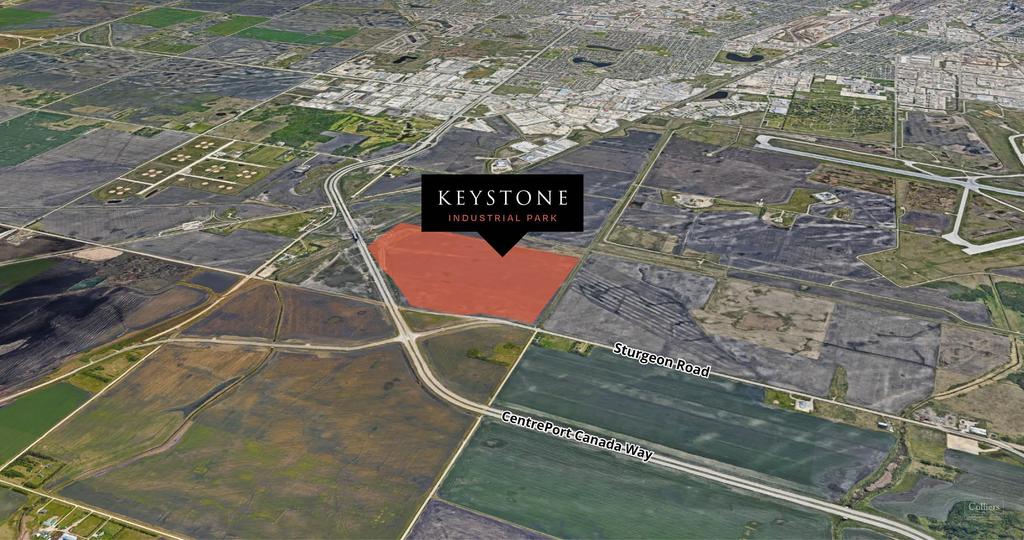
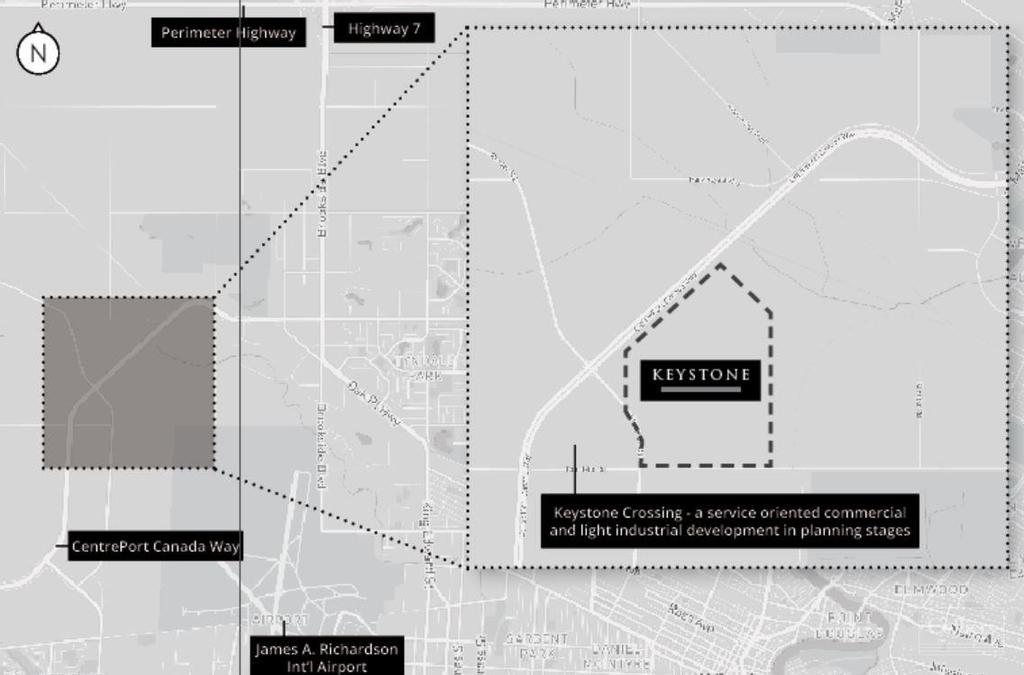
But the north-south axis is also important. The airport is a partner in the Ports Manitoba Project, established in January through a memorandum of understanding between the federal and provincial governments, inland port operator CentrePort Canada Inc., whose area encompasses the airport, and Arctic Gateway Group, which operates the Hudson Bay Railway and Port of Churchill.
The agreement is designed to strengthen Manitoba’s trade network, further diversify Canadian trade routes, and provide better access for businesses to global markets.
“Under the new partnership, the three organizations together with government partners commit to developing an integrated, resilient supply chain that moves goods and people more efficiently across air, land, and sea,” a press release announcing the agreement stated.
“We’re ready to meet that future growth,” Rossall said.
An airport is a critical partner in bridging the vast distances separating southern and northern communities, especially those seeking to take advantage of resource development.
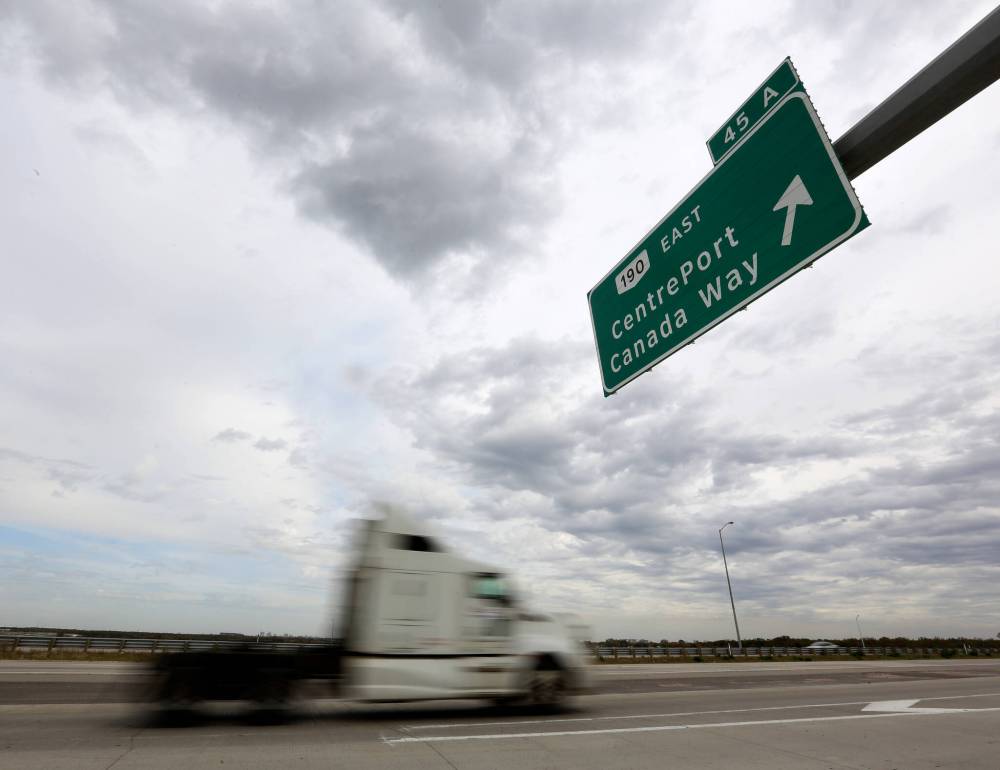
“A 24/7 airport is a really important piece of the value proposition at CentrePort,” said Carly Edmundson, president and CEO of CentrePort Canada. “While we have a strategic location, and some fantastic transportation infrastructure, that infrastructure means a lot more when you consider it as an integrated supply chain solution.”
Right now, most goods heading north from Manitoba are shipped by water via Montreal, but with federal and provincial backing for the Port of Churchill’s renewal, there are opportunities to localize those supply chains.
An intermodal shipping hub is also part of the equation for the Regina Airport Authority Inc., which touts proximity to the Global Transportation Hub west of the city as part of the value it offers industrial tenants.
The Prince George’s Airport Authority in B.C. entertained similar visions as a key intermodal point for the Canadian National Railway Co. within the northwest logistics corridor, with ongoing investments in runway infrastructure aiming to position it as a “cargo gateway and distribution centre to and from Asia.”
Critical infrastructure
Good infrastructure and timely servicing is key to building capacity and in turn revenues.
Winnipeg’s landing of senior government financing is a feat that continues to elude Kelowna International Airport (YLW).
While the airport has seen impressive growth, with $420 million worth of infrastructure investments and private capital expenditures on the books through 2033, funding to service 90 acres of land east of the main airport runway has been difficult to secure.
“By opening up these lands on the east side, it puts us in an ideal position for cargo operations,” said Phillip Elchitz, director of airport operations and innovation with the municipally owned Kelowna International Airport, noting “The economic impact of the cargo economy is huge.”
Statistics Canada data indicate YLW handled 1,710 tonnes of cargo in 2024, up from the previous year. However, much of it arrives in the belly of passenger jets.
Elchitz sees opportunities to provide local businesses with cargo services.
“Right now, cherries go by ground to Vancouver then they’re loaded on airplanes and they head to Japan and Asia,” he explained. “We have cherry farms literally less than 100 metres from our airfield, so for us to be able to facilitate that direct onto our apron and then direct to Asia, that’s something we absolutely want to develop. But to do that, we have to unlock the east lands’ potential.”
The key lies in servicing. Sewer, water and road access are all needed, which amounts to an initial investment of $46 million.
“We see that as key to our long-term future,” he said. “We had open discussions, and we’ll continue to have open discussions with both the provincial and federal governments with respect to unlocking these additional 90 acres. They’ve been positively received, and we’re going to continue [them].”
The economic benefits would flow not just to the airport in terms of lease revenues, but to the broader community through additional airside capacity and jobs.
“Right now, the majority of our revenue is based on passenger traffic. We saw 2.3 million passengers moving through the facility last year,” he said. “But the future of long-term stability … is diversified revenue.”
Development of the 90 acres to the east of the existing runway would support about 3,700 jobs, Elchitz says, and deliver an annual economic impact in the range of $1 billion.
“They really drive broad economic impacts to the entire region,” he said of the airport’s lands. “They support local and regional suppliers, they support the service industries, and they really enhance Kelowna and the Okanagan’s strategic position, attracting long-term private investment.”
|
Western Investor
|
|
|





 Prev
Prev






 Linear Mode
