Quote:
Originally Posted by SignalHillHiker

Freezing rain warning this morning. I'm going to risk my coffee walk 
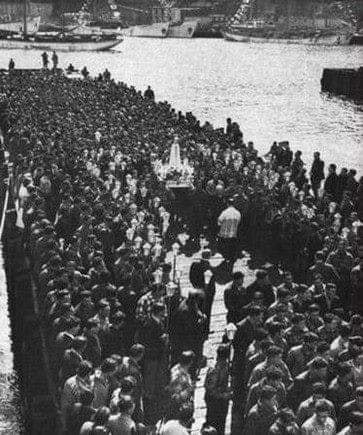
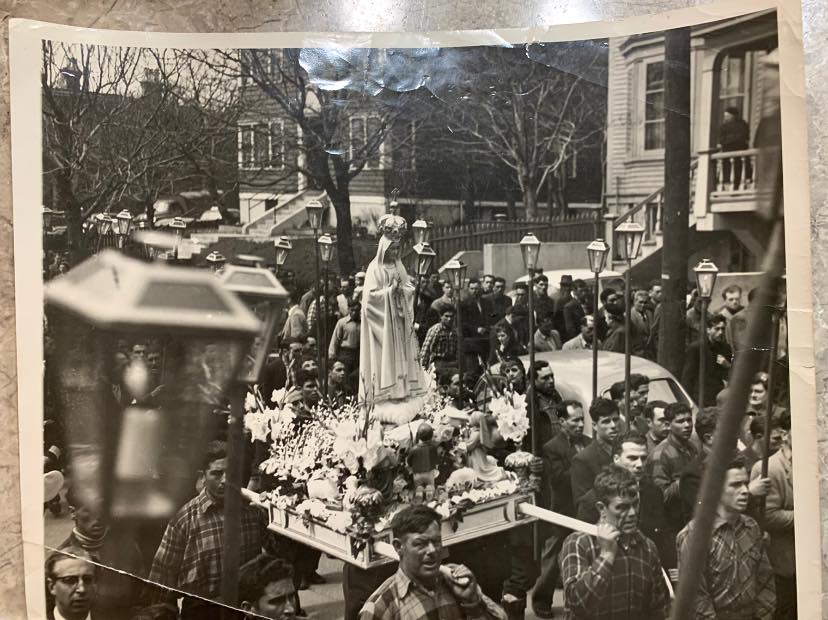
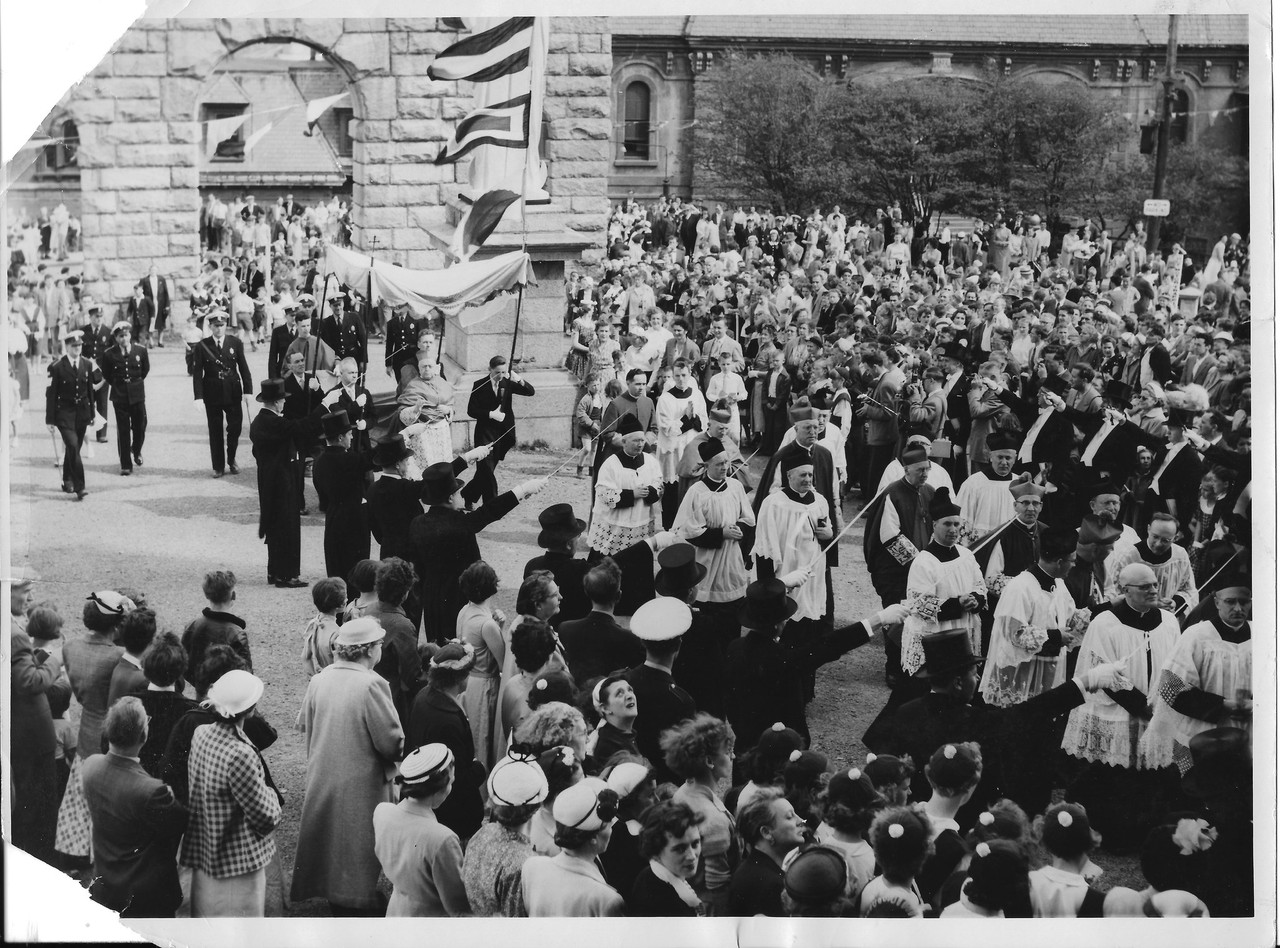
Tancredi - despite the geographic isolation, we used to have very well-integrated global connections that are now long gone. The three most recent ones to go were the Portuguese (thousands of sailors every year, their white fleet. They even had religious processions through St. John's like you see in Europe, carrying the big statues in the front. This faded slowly from the 60s-80s); the Americans (they had like six bases here during WWII. Every family in the city has at least one aunt who married an American and moved away. In St. John's, that ended in the 50s. The bases mostly held on longer but didn't have the thousands of soldiers anymore); and finally the Russians. That ended in my lifetime, probably early 2010s. But they were here very frequently in their smart uniforms, using payphones on Water Street and seeing their local girlfriends, boyfriends, and/or children lol. The scene of a few women pushing strollers down to the Russian warships is imprinted on my brain as a core childhood memory lol But now there's very little connection to anywhere outside of tourism, and that's mostly just Canadians. |
:saluti:
SignalHillHiker, your story is truly fascinating; it’s a piece of lived history from Newfoundland that is rarely found in school textbooks. I did some research online and found some interesting details:
When you mention the Portuguese 'White Fleet,' you’re referring to the fishing vessels that for centuries harvested cod on the Grand Banks of Newfoundland. The fact that they brought their religious traditions and processions with them (just like the ones we see in Italy, especially in the South, or in Spain) made St. John's feel much more 'European' than one might expect.
Regarding the American military bases, I read that due to its position jutting out into the heart of the North Atlantic toward Europe, the province was often called the 'natural aircraft carrier' of the Atlantic.
But what surprised me the most was your reference to the Russians and the strollers. It describes an era when Russian deep-sea vessels made regular port calls in St. John's for supplies, creating deep and unexpected human connections in such an isolated port city. I imagine those Russian warships appearing through the mist must have made those memories even more surreal and evocative :culto:
This account really reinforces the idea of Newfoundland as a frontier between North America and Europe. I am truly fascinated by your homeland. :SÌ:





 Prev
Prev








 Linear Mode
