https://commercialobserver.com/2025/08/hilary-spann-bxp-2025-343-madison/
Hilary Spann, BXP’s NYC Chief, On Tenant Allowances, Construction Costs and More
In the Class A fields where her company plays, rents are escalating and space is dwindling — two reasons why BXP is building big
BY ISABELLE DURSO
AUGUST 5, 2025
Quote:
The biggest Class A office owner in the country seems to be doing just fine — swell, in fact.
BXP’s current portfolio of 53.7 million square feet across 186 properties is about to get a little larger with three New York City development sites underway, including projects at 3 Hudson Boulevard, Site K at 418 11th Avenue, and the former Metropolitan Transportation Authority headquarters at 343 Madison Avenue.
|
Quote:
Hilary Spann, executive vice president of the New York region for the real estate investment trust, pointed out a “lack of really high-quality, premier workplace space in Midtown” as the need for these new developments, especially 343 Madison.
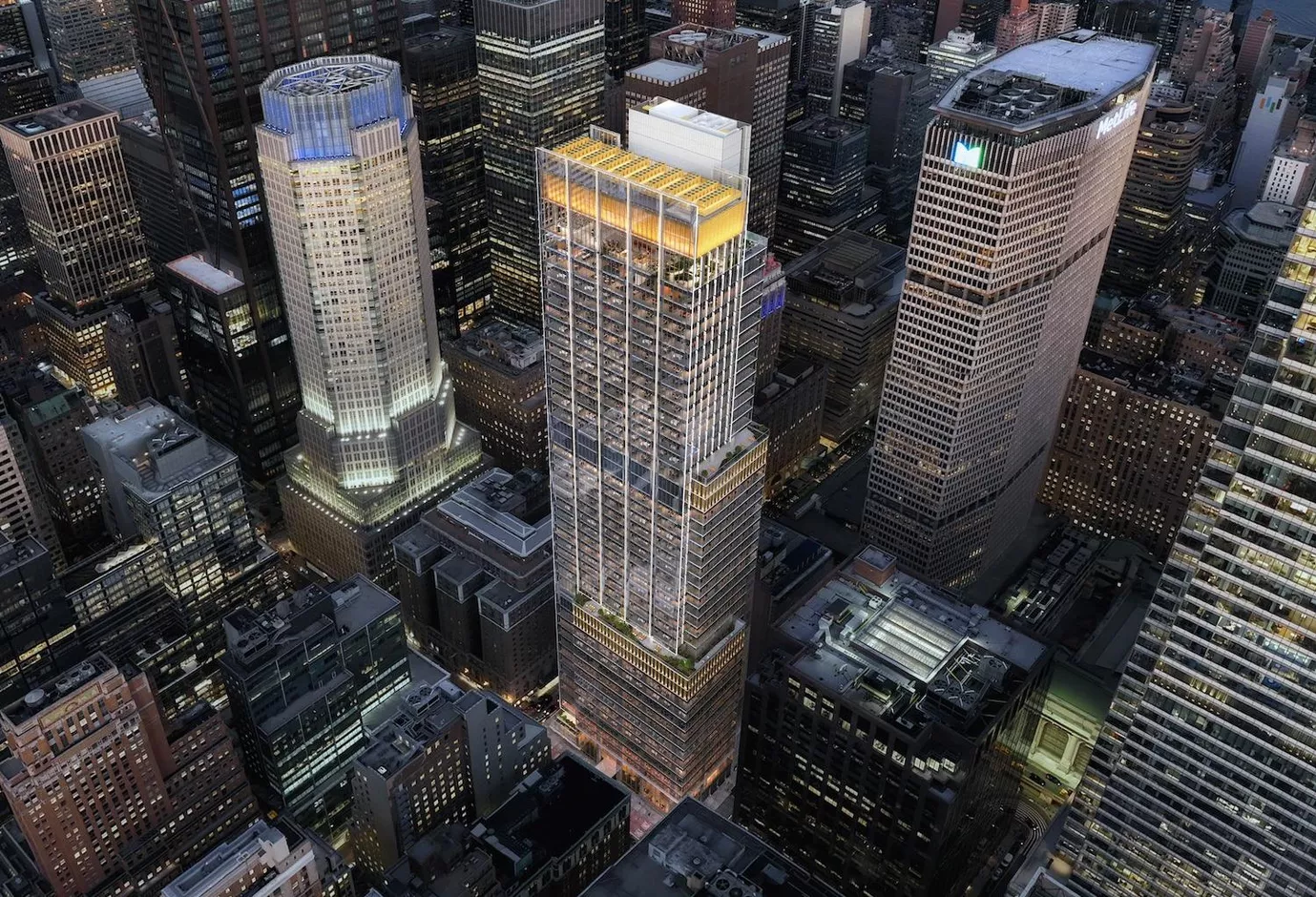
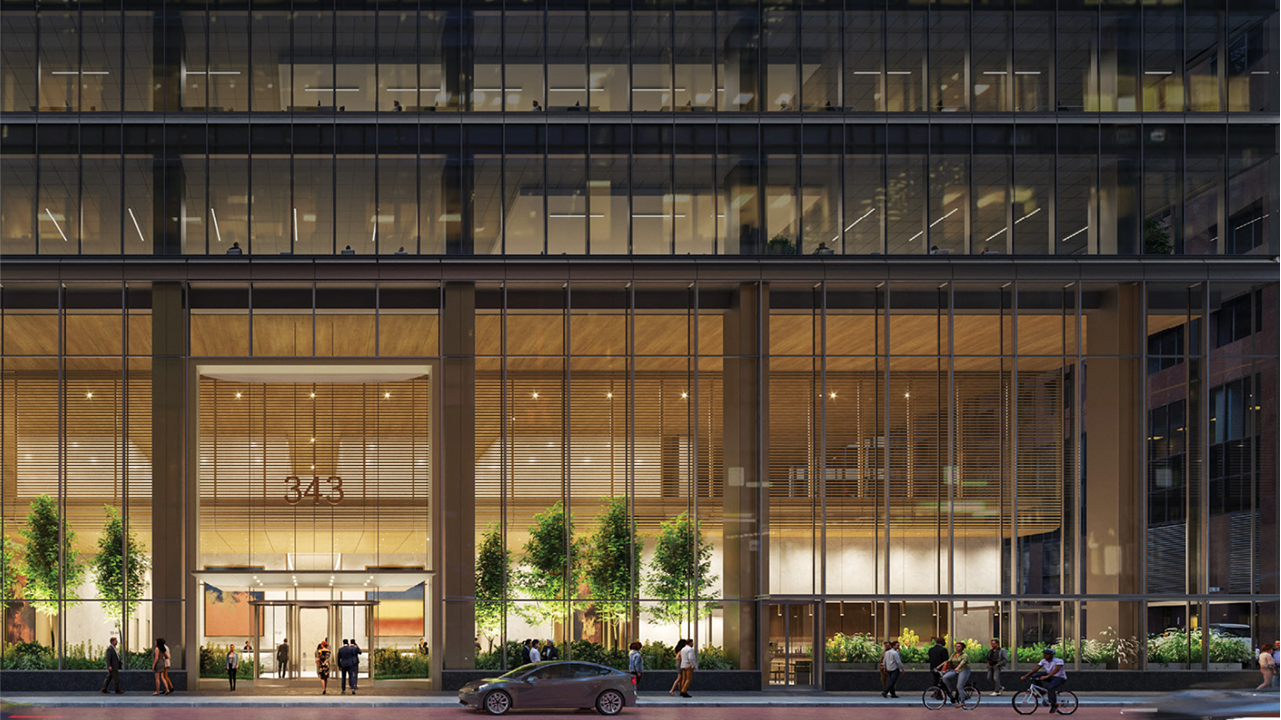
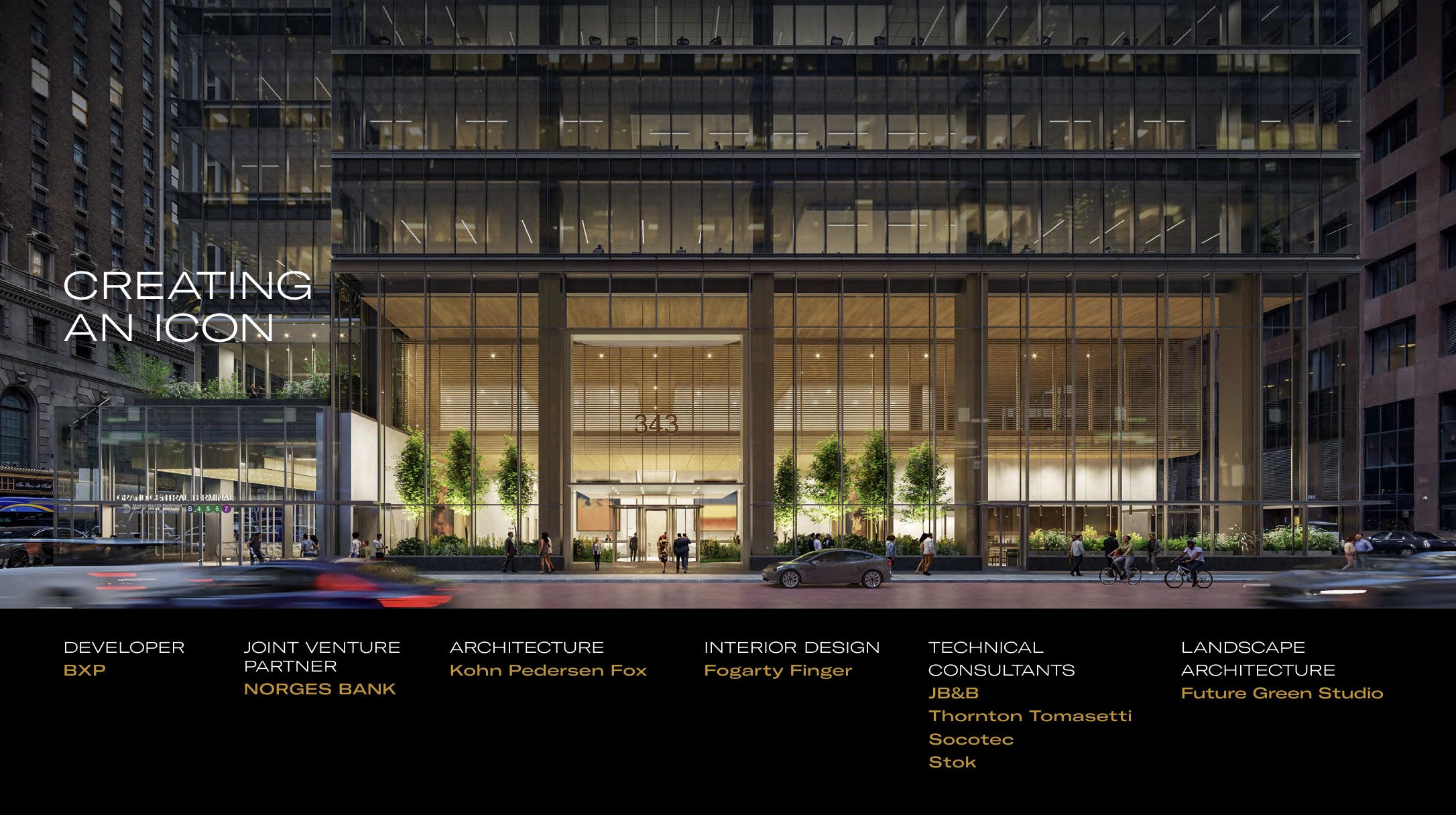
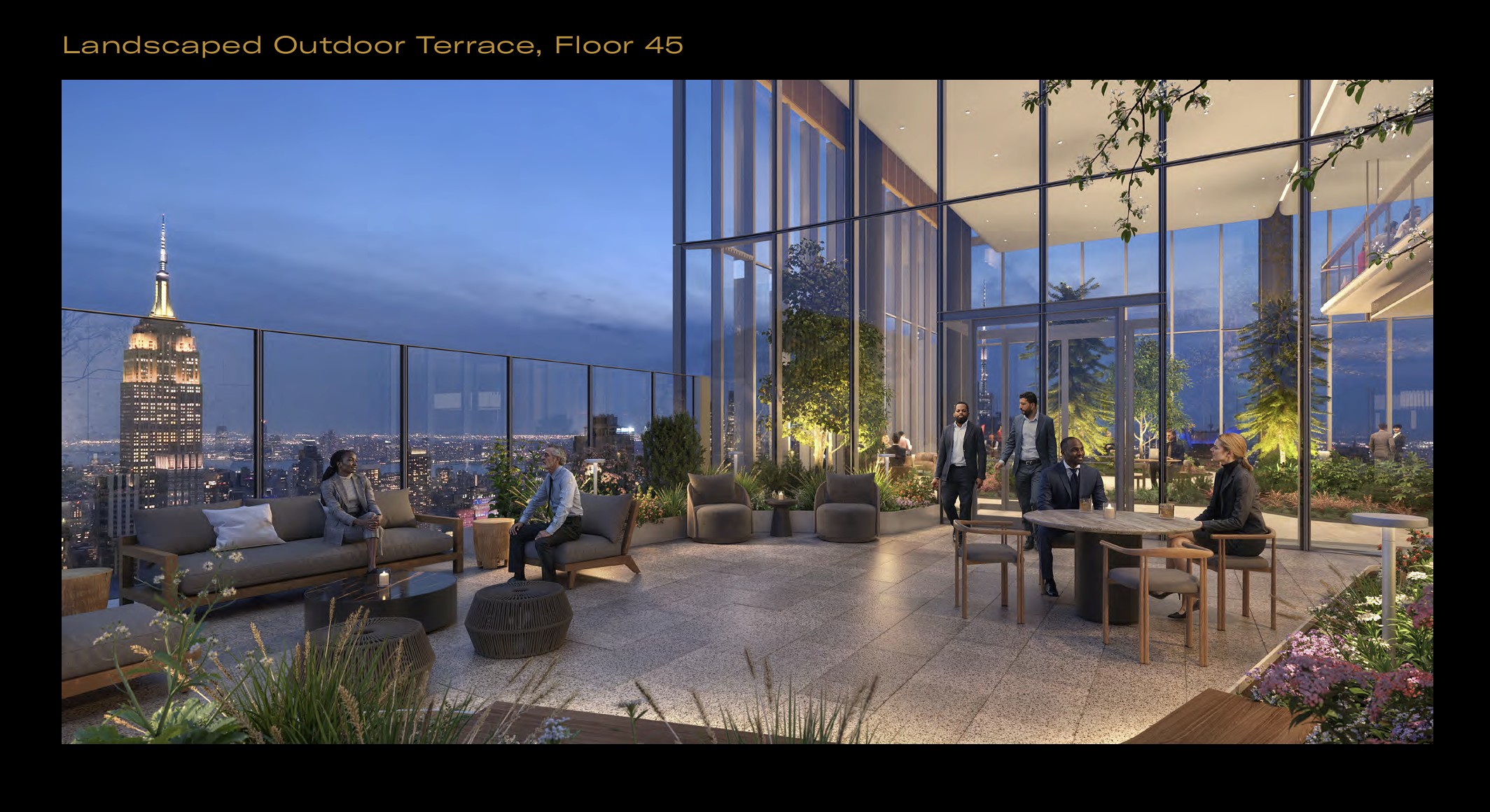
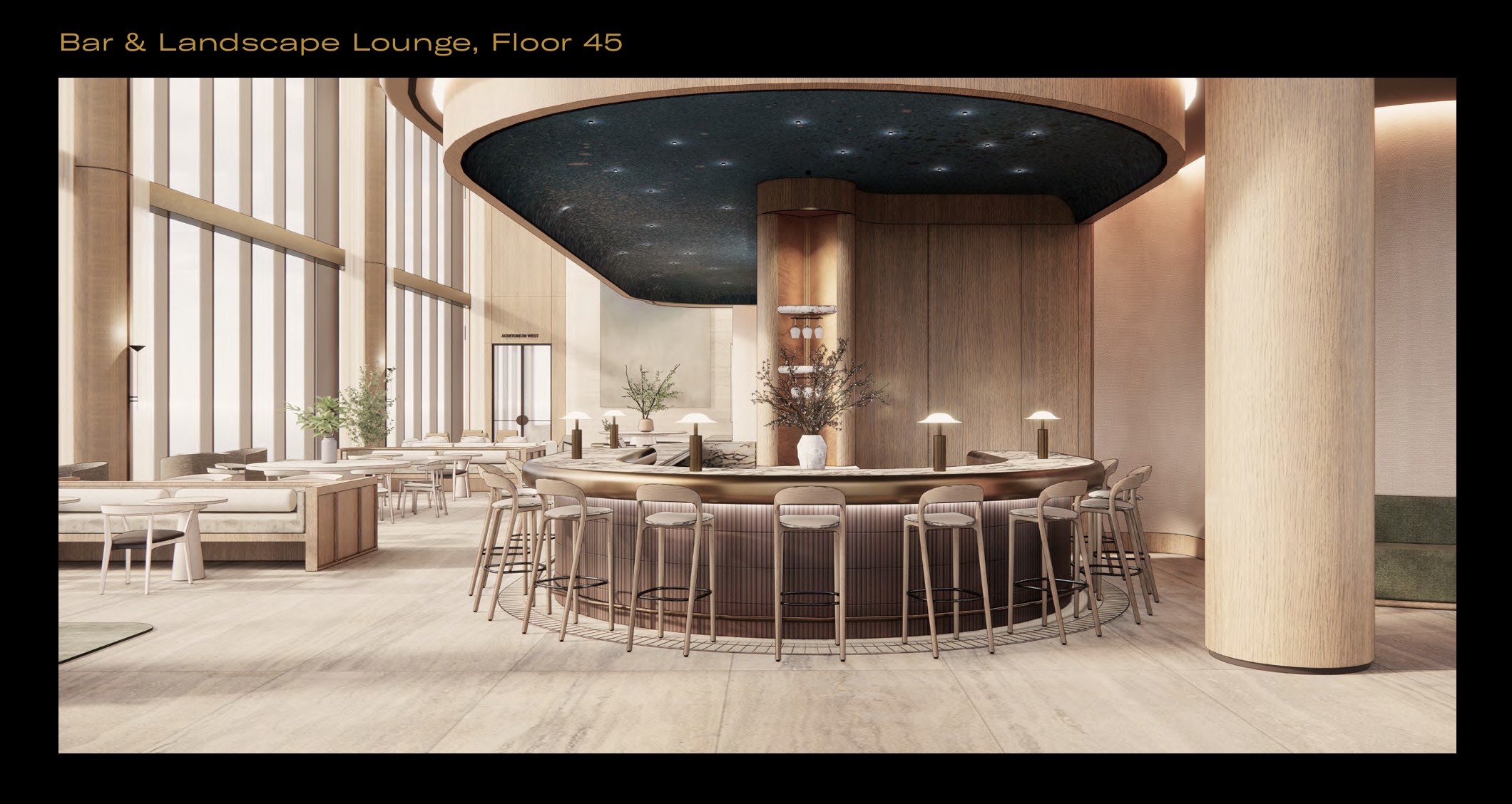
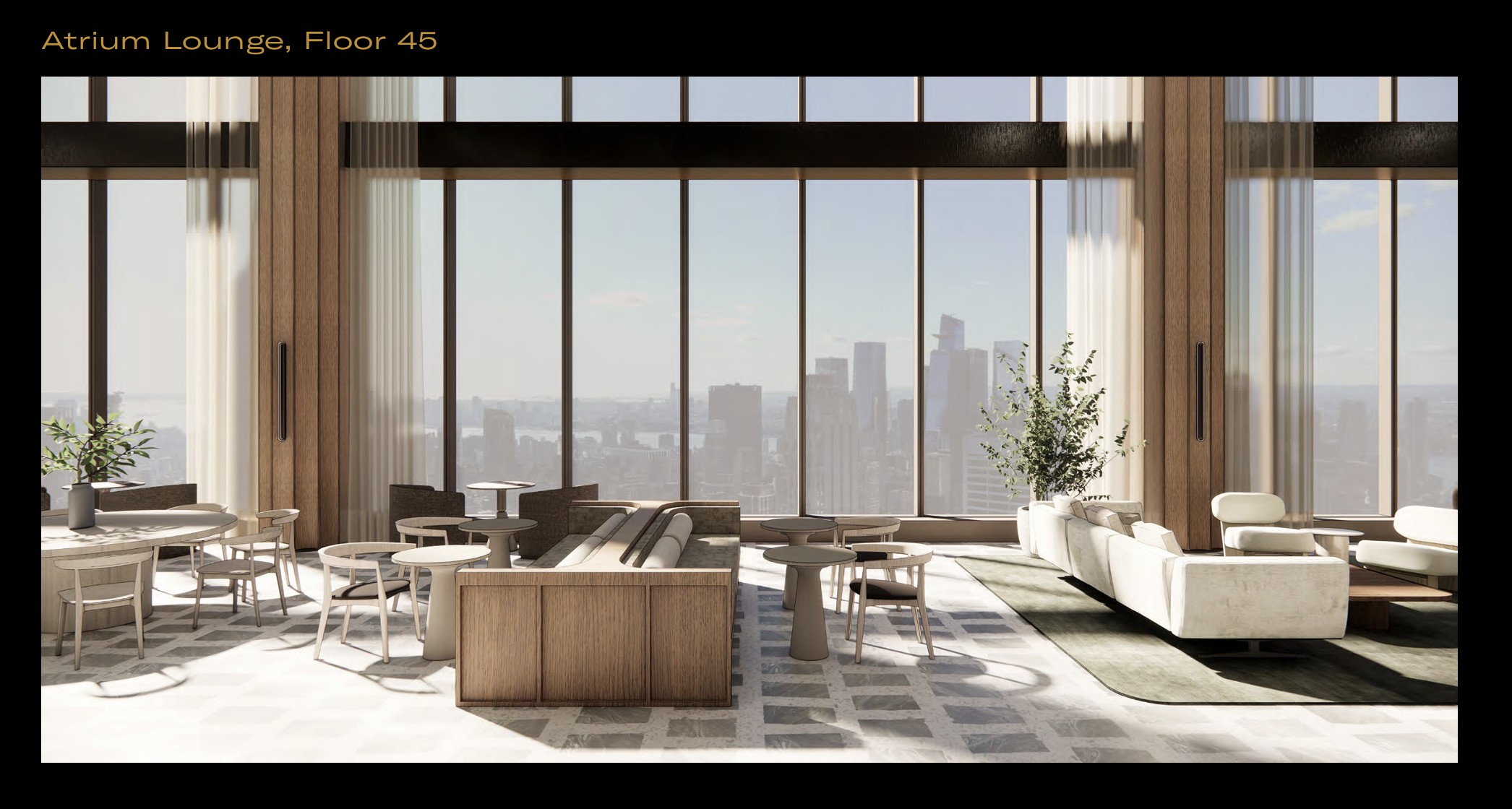
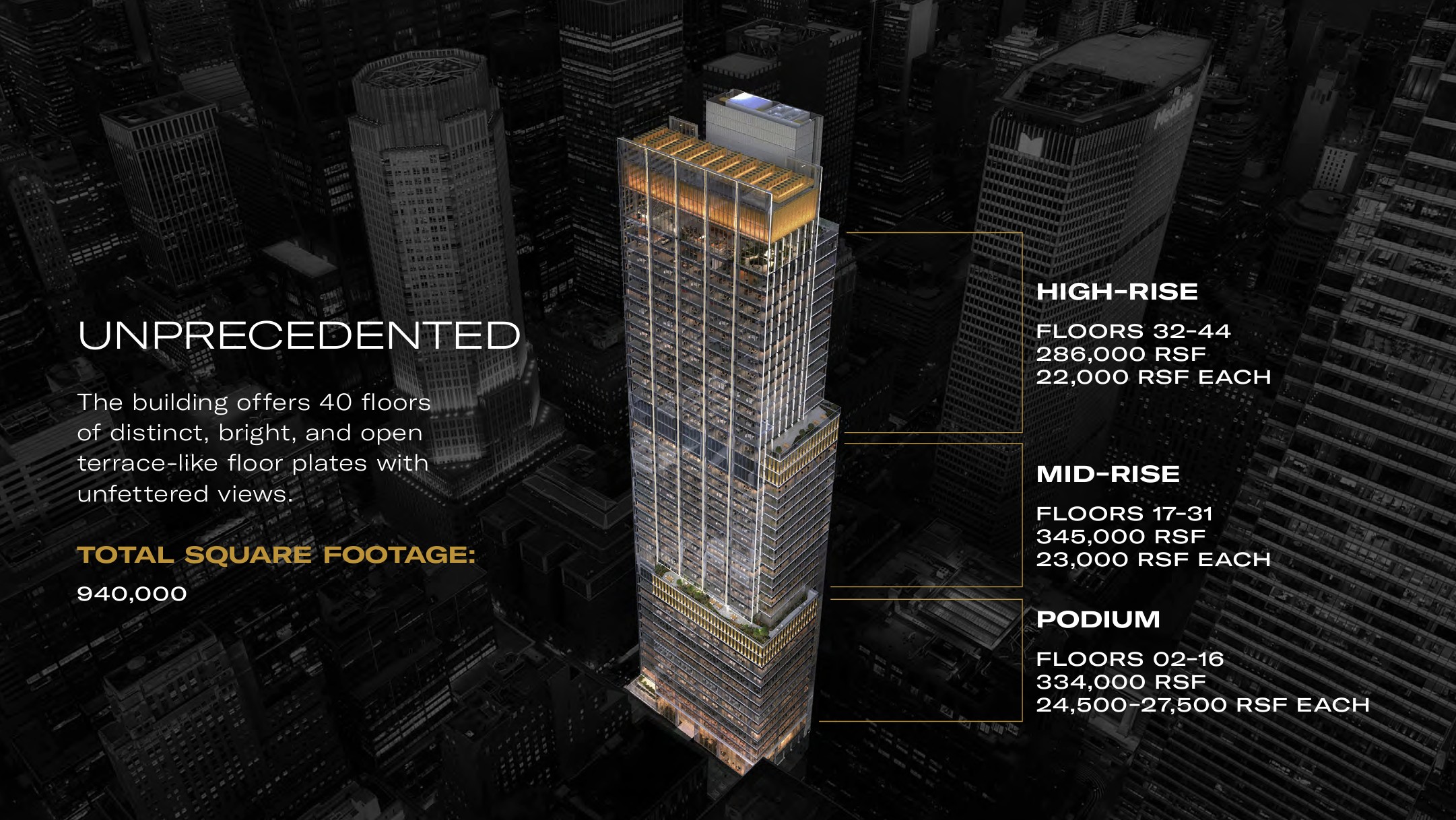
Just last week, BXP announced it had started vertical construction at 343 Madison, which will become a 46-story, 930,000-square-foot tower with offices, dining spaces, terraces and a seemingly endless amount of amenities.
The REIT has also already signed a letter of intent with a “prestigious, investment-grade financial institution” (which Spann declined to name) to anchor and occupy nearly 30 percent, or 274,000 square feet, of the building — a feat Spann said was incredibly “meaningful” for the property.
|
Quote:
|
At 3 Hudson Boulevard, BXP is planning a 1.8 million-square-foot office tower destination for even more financial services tenants, while Site K will be a residential project with 1,349 apartments and potentially a 400-key hotel, Spann said. BXP is developing it with The Moinian Group and BRP.
|
Quote:
Commercial Observer: BXP just announced that it started full vertical construction of 343 Madison. Tell us more about that project and its timeline.
Hilary Spann: We broke ground in October when we committed to the MTA to do an entrance to the new Madison Concourse for the Long Island Rail Road. And, actually, we’ve done all the excavation. We’ve poured the foundation there, and we are bringing steel in next week.
It will be complete around the third quarter of 2029, and it will be stabilized in 2031. We will be able to start turning floors over to tenants to begin their own build-out in the second quarter of 2028. … The earliest tenants will be able to complete their space and be able to take advantage of the new space right away.
This is one of the few office projects in Manhattan that’s going up right now. Talk a little bit about that.
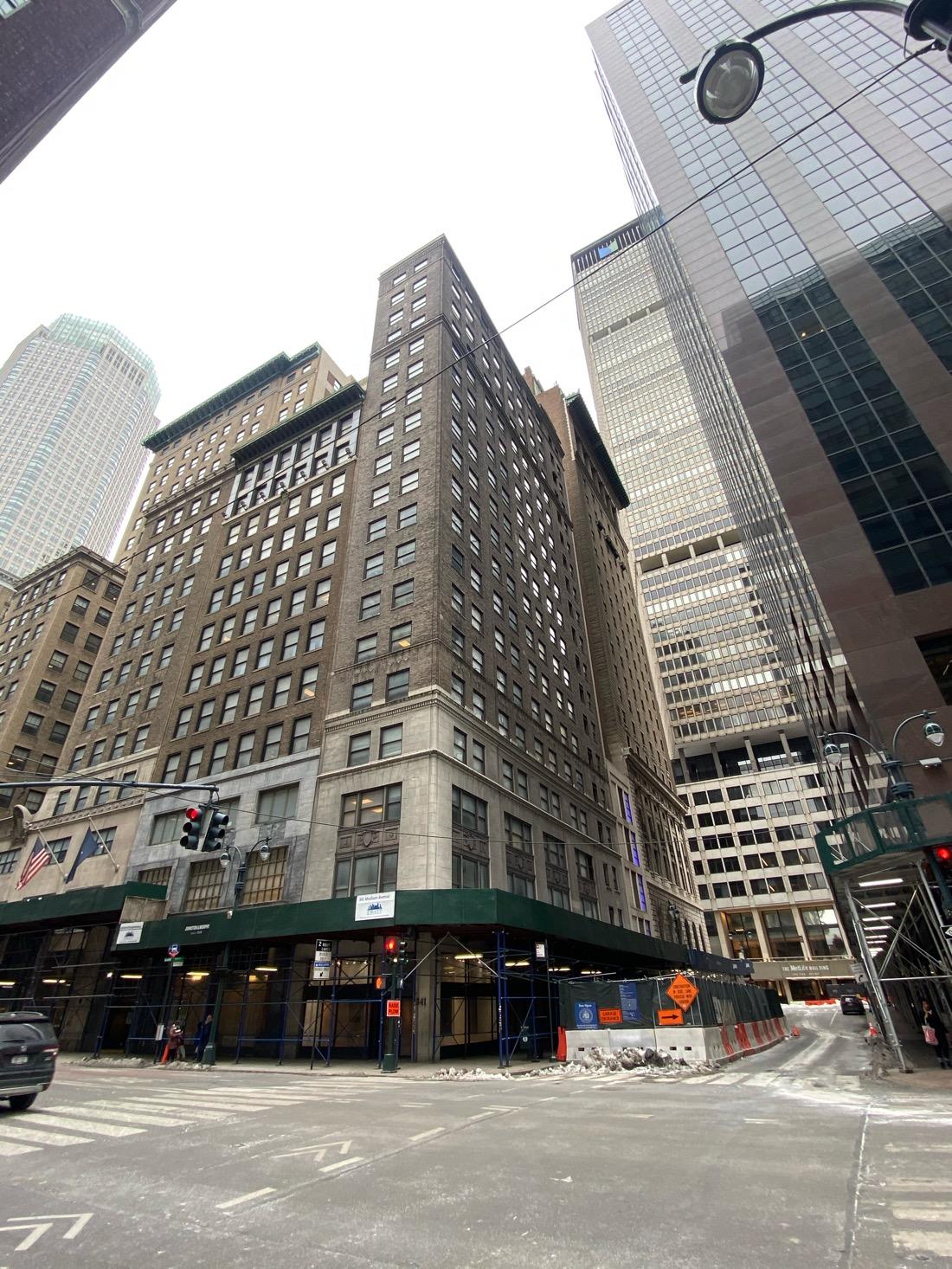
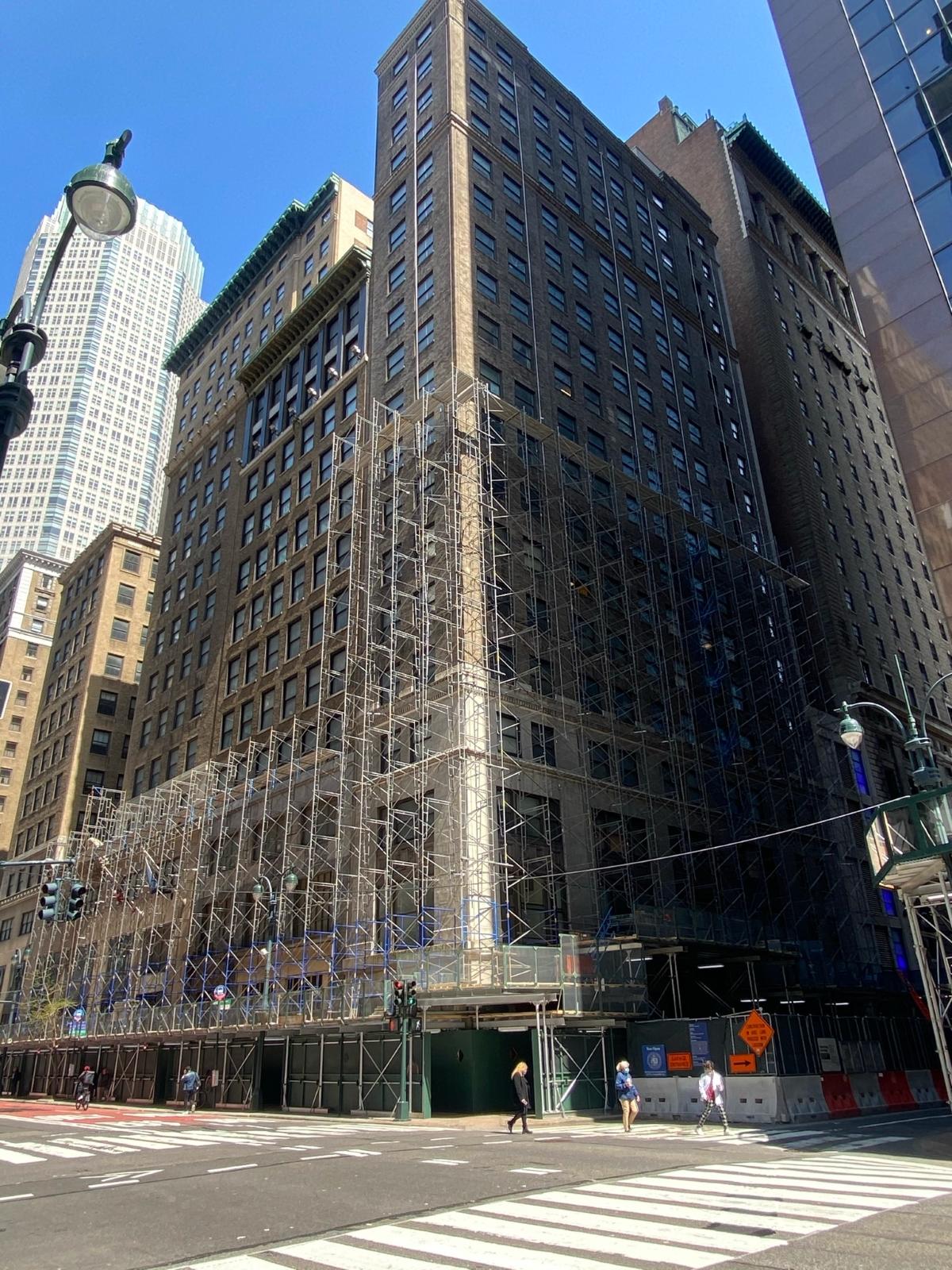
We’ve been working on this site for over a decade. The MTA owns this site. It had three prewar buildings on it, and in 2012 or 2013 they took out a request for proposals for redevelopment. It took 10 years to get through the process of the negotiation with the MTA. … We signed the ground lease around 2023.
There’s an incredible lack of really high-quality, premier workplace space in Midtown. And, so, what we started to see was that tenants who ordinarily would be looking for space two years out or three years out, were going, “We are not going to have space if we don’t start looking right now, because there just isn’t any.” So that really gave us a lot of confidence that we were going to be able to lease it.
And we have over a million and a half square feet of letters of intent in circulation at the moment, so we think that we will probably land one more anchor tenant in the base of the building, and then I think we’ll wait and see how it evolves. I think the top of the building, where we’re expecting rents in the high $200s per square foot, will probably go to private equity firms and hedge funds, etc., that need a floor or two and are willing to pay top dollar to get the best space in the market.
How would you say tenant improvement allowances play a role now versus a year ago, especially when you’re looking at 343 Madison and incoming tenants?
For 10- to 15-year leases in the very best existing buildings, the tenant improvement packages are about $175 per square foot. That is entirely consistent with where it was three years ago.
What I would tell you is that starting in probably 2019, but definitely running up through COVID, construction costs increased radically. Tenant improvement costs increased 50 percent over a five-year time period, and so that $175 per square foot is what it is today because people actually need every penny of that and more to build out their space. That’s pretty consistent with what we think we’ll have to provide to tenants that are coming into this building. And I think most high-end build-outs cost well in excess of that.
|
Quote:
actually, I was going to use a bad pun on the earnings call today — constructive. It’s a moment-in-time opportunity. I don’t think this window will last forever, but as some of the major projects that were going on around the city have wrapped up, there’s this moment where we’re actually seeing prices come in under what we’ve budgeted. And we budgeted this building well before any conversation around tariffs.
There just aren’t that many big projects built right now. We’ve put a few packages out on the street, and we’ve been able to bring those bids in under our budget with some level of tariff protection on materials costs. So we feel pretty good about where we are — not only from the leasing demand perspective, but also from the construction cost perspective right now.
And you guys aren’t just doing office.
That’s true. We’re already underway with the construction of 290 Coles Street in Jersey City. We finished driving piles last week, and we are ahead of schedule. We also are in pre-development entitlement work on Site K, which we were awarded in December. That will be 1,300 units of residential and potentially a 400-key hotel as well, and that’s right across the street from the Javits Center and immediately north of our site at 3 Hudson Boulevard. So we have a lot going on on the development front right now.
|
Quote:
Has 3 Hudson Boulevard broken ground?
We built all of the subgrade infrastructure and the foundations. Amtrak cuts a corner of that site, and we had to build over the tracks, so all of that is done, and the site is now at grade. Because it’s a 1.8 million-square-foot project, and the capitalization is over $3 billion, you need a construction loan. Those things sort of dictate that you have a meaningful pre-lease before you commit to one vertical, and we’re working on that.
In terms of potential tenants, can you say what areas they’re in?
Financial services. 343 Madison is very much targeted toward high-end financial services firms. We have seen interest from non-financial services firms. There have been a couple of tech-adjacent companies that have come through. But the vast majority of the tenants that have shown interest have been asset managers, private equity firms, hedge funds, etc.
Is that the same for the Hudson Yards project?
Hudson Yards is a little bit different. The main thing that drives demand for Hudson Yards is the desire for new space that’s custom built and has an amenity package that can be customized for that tenant. You’re doing it yourself within your own space, and having a blank canvas that you can work with to do that is very attractive for a lot of the tenants that want to go over there.
|
Quote:
There’s been a lot of leasing over the last year. Talk a little bit about that as one of the few games in town for new construction.
North of 42nd Street in Midtown East, the real vacancy rate is approaching 5 percent. Rents have begun to increase pretty strongly over the last year, and it started on Park Avenue, but it’s spilling outward.
So, for example, this building [599 Lexington Avenue] has picked up some tenants who are being forced to expand off Park Avenue because the buildings on Park Avenue have no space available.
We’ve raised rents across the Midtown portfolio by double digits since last year — we have signed leases at the General Motors Building north of $250 per square foot.
That lack of availability is really driving rents upward, and it has leveled the cost of going to a new building with the cost of renewing in an existing building. So I think it’s a really logical thing for high-end firms to say, “Should I look at anchoring a new development?” Because now the cost is basically at parity with renewing.
|
__________________
NEW YORK is Back!
“Office buildings are our factories – whether for tech, creative or traditional industries we must continue to grow our modern factories to create new jobs,” said United States Senator Chuck Schumer.
Last edited by NYguy; Aug 5, 2025 at 12:44 PM.
|





 Prev
Prev













 Linear Mode
