Quote:
Originally Posted by RocketSurgeon

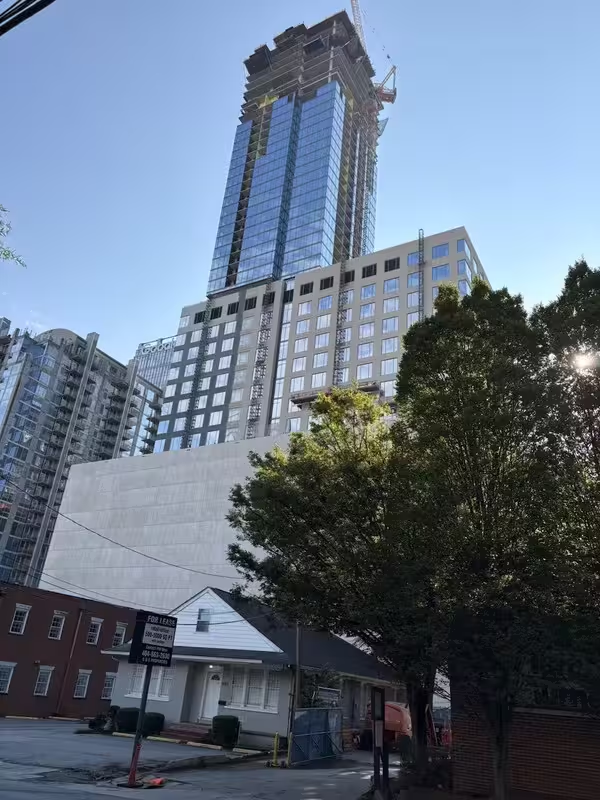
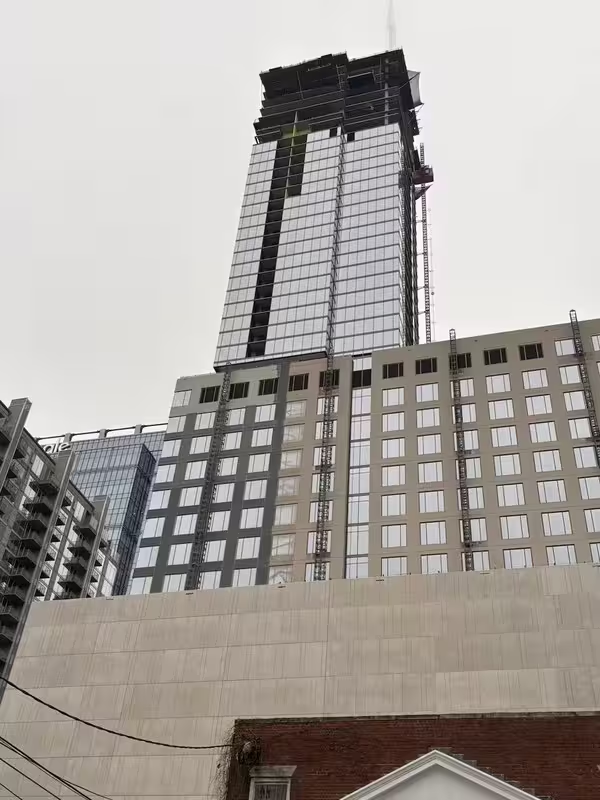
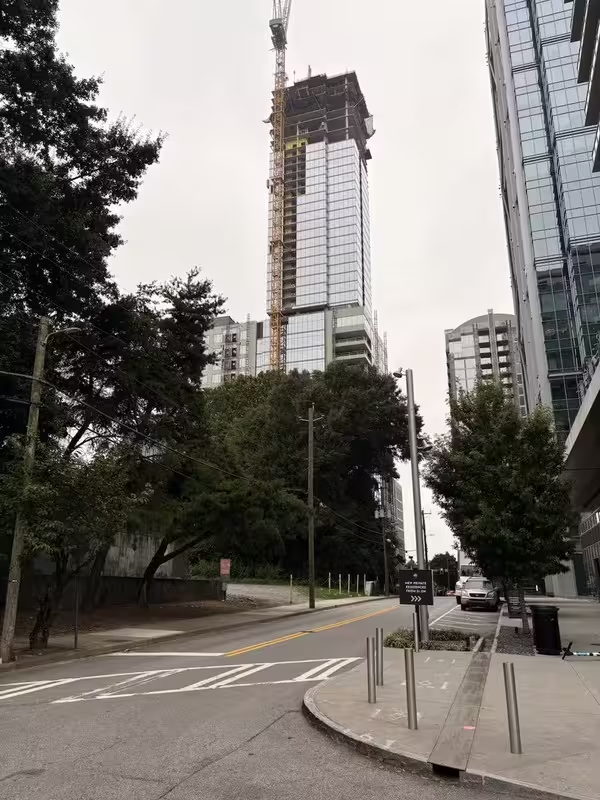
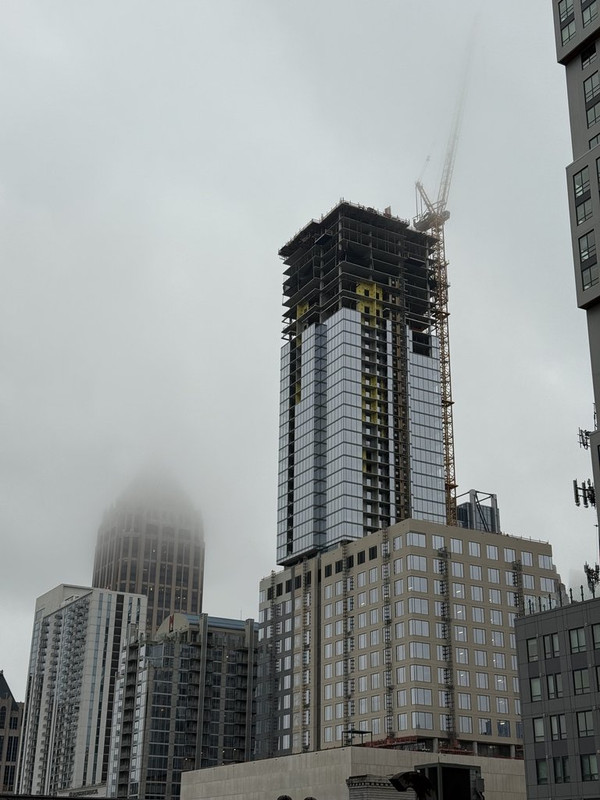
The design was finished long ago (I didn't like it then either  ), and the facade is already on. It's not going to improve.
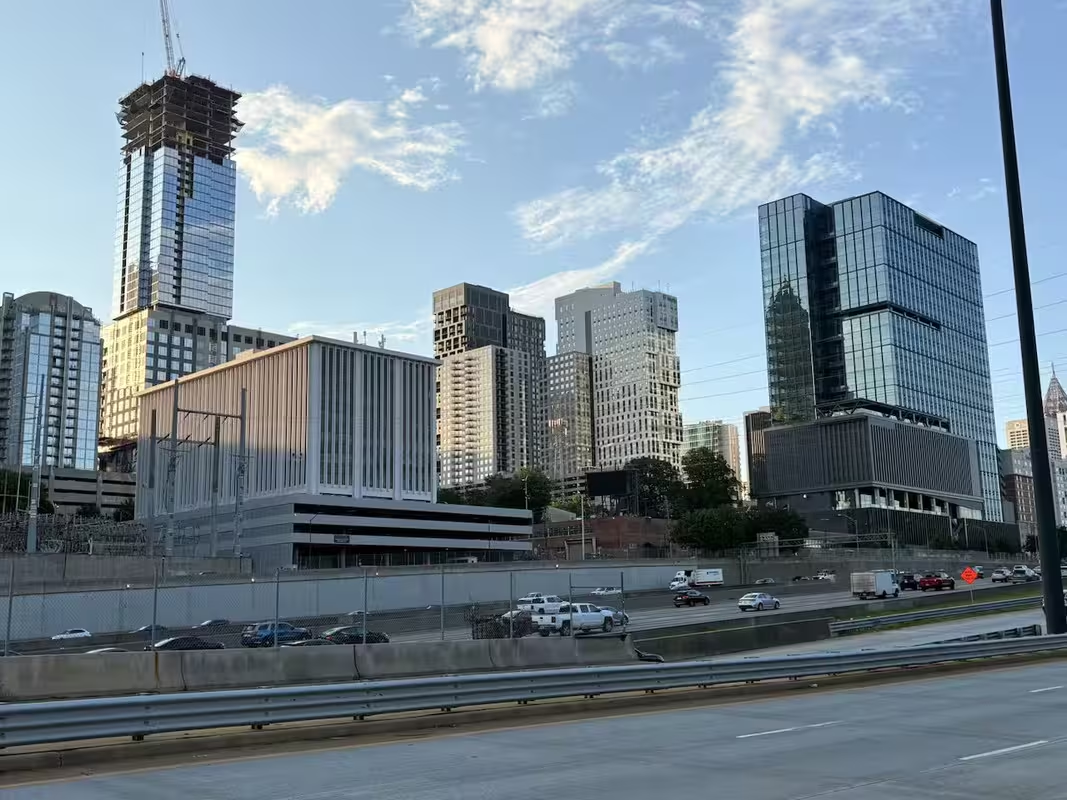
I don't hate it. It's mediocre, not offensive. I'm just surprised, because a 60+ floor building is extremely expensive to build. Longer construction time, more robust foundation, complicated elevator system taking up a lot of floor space, etc. It's not just basic infill. Projects like this are normally a statement with great design and quality. That's not the case here at all. The only thing it has to say is "I'm tall." Otherwise, it's probably the least interesting addition we've gotten in this cycle.
I hope they're not cheaping out on the interior, at least. If it gets a bad rep and has trouble leasing, it will probably be an eternity before anyone risks a skyscraper again.
I actually do love Brutalism, but this is not Brutalist  |
I completely agree with one of your points—that Atlanta, especially Midtown, is now saturated with far too many mediocre infill developments that lack thoughtful design. These are not serious works of architecture. Of course, there are a few standout projects with decent design quality, but considering Atlanta's ambition to be recognized as an international metropolis, the number of such high-quality developments remains far too low.
Many of these bland infill projects are driven purely by profit. Their developers are unwilling to invest in proper design or construction, settling instead for cheap, perfunctory, and poorly conceived buildings simply to turn a quick profit. Others may have a reasonably designed architectural massing, but are often paired with massive, hideously ugly, and sometimes even tastelessly garish parking podiums at street level—creating an overwhelming amount of visual pollution from the pedestrian perspective.
As a result, more and more cheaply built high-rises lacking genuine creativity or thoughtful architectural intent continue to rise, and what they leave behind is not a lasting architectural legacy with aesthetic value, but merely buildings, not architecture. This aggressive form of development is actively damaging the city’s visual and cultural identity.
I fear that, years from now, we may wake up to the painful realization that the architectural character of Atlanta has become comparable to that of a random city in South Africa—something far beneath what Atlanta aspires to be. That would be truly disheartening.





 Prev
Prev








 Linear Mode
