Quote:
Originally Posted by giallo

I haven't been to Griffintown, but it looks like the city planners created something significant out of nothing.
I wouldn't ignore Olympic Village in Vancouver either. It was basically a polluted industrial site up until 2003, and now it's a vibrant, walkable neighbourhood, blending into the rest of the city's urban fabric. It's still a work in progress, with the southern portion seeing new developments.
It's taken a few years to come into its own, but I find myself going there for a drink or a stroll quite often.
|
Where the Olympic Village really shines is at street level - and it's a pretty simple formula: intimate scale, narrow streets, varying building heights & sizes, attractive streetscaping, and integration into the broader cityscape. Of course, the prime waterfront location doesn't hurt either. It's no Greenwich Village, but it's a solid neighbourhood all the same - probably one of the better examples of new build hoods I've seen anywhere.
While not quite at the same level of quality, the West Donlands in Toronto are also shaping up to be one of the better new builds in Canada, though moreso as bit of a lesser version of the type of stuff going up in Copenhagen or Amsterdam or whatever than anything specific to Toronto.
Going back to Kool's point, I think it's a bit too harsh. While there has been no shortage of development of questionable aesthetic value and soulless brownfield neighbourhoods that have added density & Rexalls and little else; there are also countless neighbourhoods that have been improved through infill development filling in the gaps and stitching the urban fabric together and adding interesting new businesses & public spaces. There have been some monumental skyscrapers, institutions, and public works projects that have been undertaken. And the effect of just "more people" shouldn't entirely be discounted as well.
I do lament the fact that we've largely squandered a generational opportunity to rebuild our cities with a more cohesive and locally-derived architectural language & human scale; but there are still many successes worth acknowledging. Canadian cities by and large are much better places than they were 25 years ago (as far as the urban form goes, at least).
Quote:
Originally Posted by lio45
As someone who's currently trying to make the math work on building a ~10 story tower in my hometown's downtown, the answer you're looking for is "costs". The costs of regulations, etc. as well.
At first sight, the only way I'd be able to build nice architecture would be a greenfield development of luxury SFHs. For that, sure, no problem. The buyers will be there.
But for rental housing, sorry, no way.
|
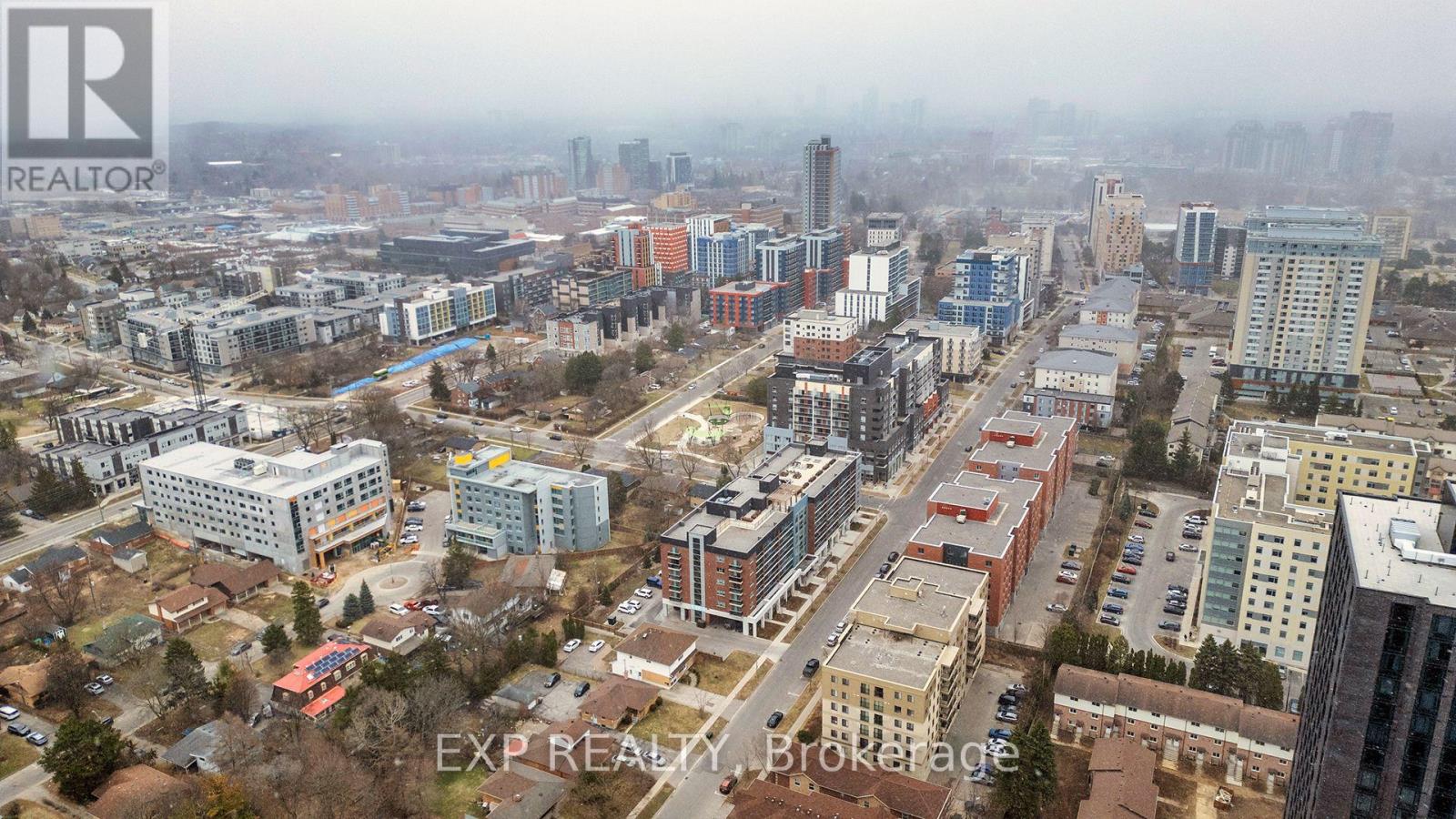
Strongly disagree with the premise that good design boils down to cost; when it's primarily a function of taste. AAA parametic starchitecture might be out of the budget for most projects, but any halfway decent architect can still design something attractive and contextually appropriate with simple, low-cost materials and basic forms.
Money + no taste can still yield some interesting, if not at least audacious results (eg. Dubai); but the big problem in a place like Waterloo is the unfortunate combo of no taste + no money.





 Prev
Prev




 Linear Mode
