Quote:
Originally Posted by Keith P.

This seems to be the way DTPW thinks. I would suggest to you that a great many people, especially older folks, do not use nav systems when driving. I may be an outlier in this case but I find them very difficult to use in general and a distraction. That argument would favor having even less useful signs if it were true.
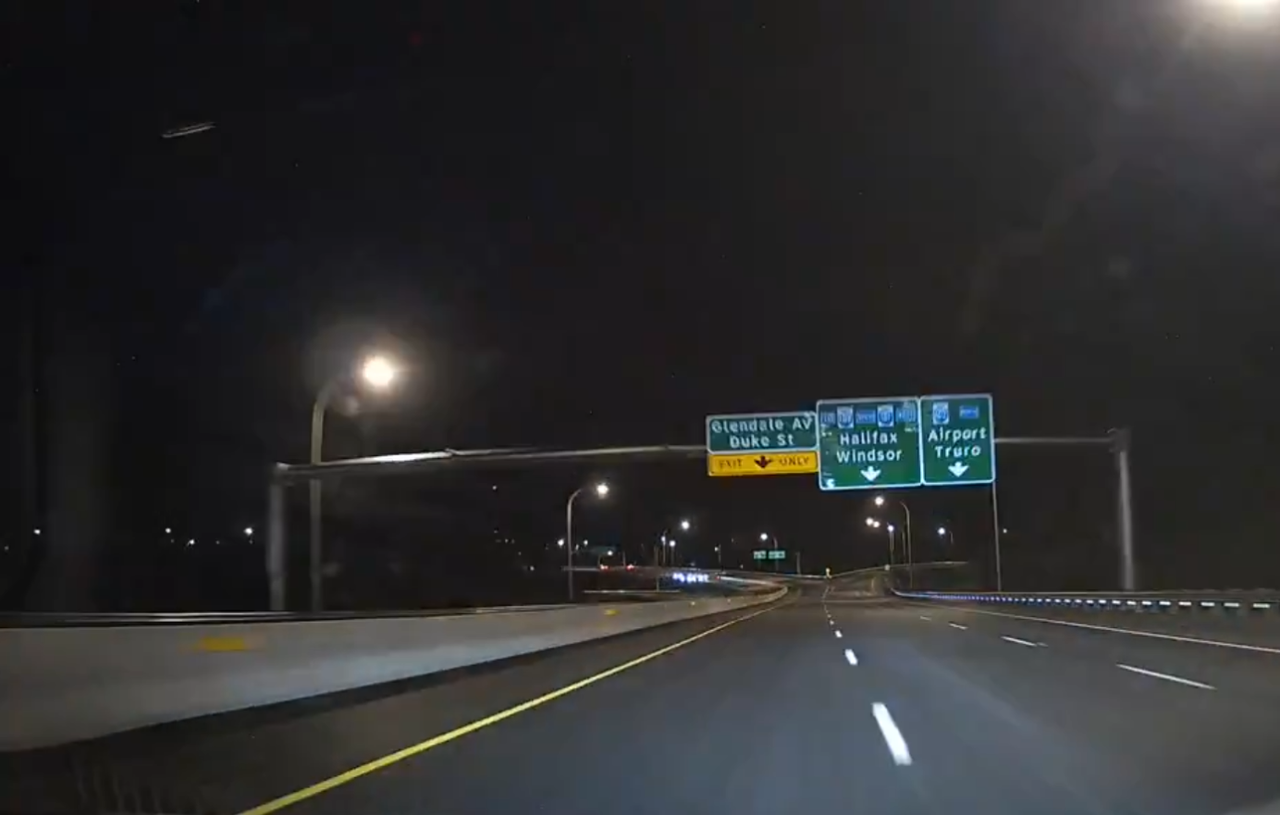
I find our signage deficient compared to many other places, though not all. NB is equally bad for the most part. I have seen in other places where signage is very detailed and helpful. I would assume our issue is because the signage is specified by engineers and not by someone coming from a user/visitor perspective.
|
I would suggest that the current level of signage is a happy medium between too much information and the “less useful signs” that you’re referring to. You have to remember that you are driving at 80(+) km/h, aware of traffic around you, while trying to digest the information on the sign to understand which lane you have to be in. If you clutter up the sign with every possible destination, you might blow by it before you have a chance to read it all.
Before navi systems, if I were driving in an unfamiliar place, I would read a map so that I would understand where I was going, be familiar with the route, and know the names near my destination. In other words, I took some responsibility for my travels and didn’t expect the government to lay it all out for me with complicated signage. Now, with car navi, a cheap Garmin, and more often now, your phone, navigation is easy and you really can just rely on that to get you there for the most part. It’s not new technology, either, as it’s been available for something like a quarter century. Most people are aware, and I find the older generations have no problem with this tech, but even if they do, they will take responsibility for their journey, and not expect signs to do it all for them. At least most will, as your objections indicate that not all do.





 Prev
Prev






 Linear Mode
