That's a very good point, fair question
Quote:
Originally Posted by EngiNerd

A good thing...until the banks that back all of this can no longer absorb these hits.
|
Afaik, it's complicated which is a good thing I think. I have tried to follow what's going on out there by reading (primarily) Bisnow articles.
The biggest risk for banks is among those that provide construction loans but at least those are on shiny new buildings so they have some value but how much??
I think it was the NY Fed which said it was getting concerned with the growing amount of "extend and pretend" loans.
There's been a handful of banks that have packaged loans together and sold them presumably for a loss in order to reduce their overall exposure.
Funny Story
Interestingly,
Bank of the Ozarks has been a prodigious generator of construction loans. They have this 'magical formula' that has successfully printed money for years. They do split their risk among various like-minded small/medium sized banks.
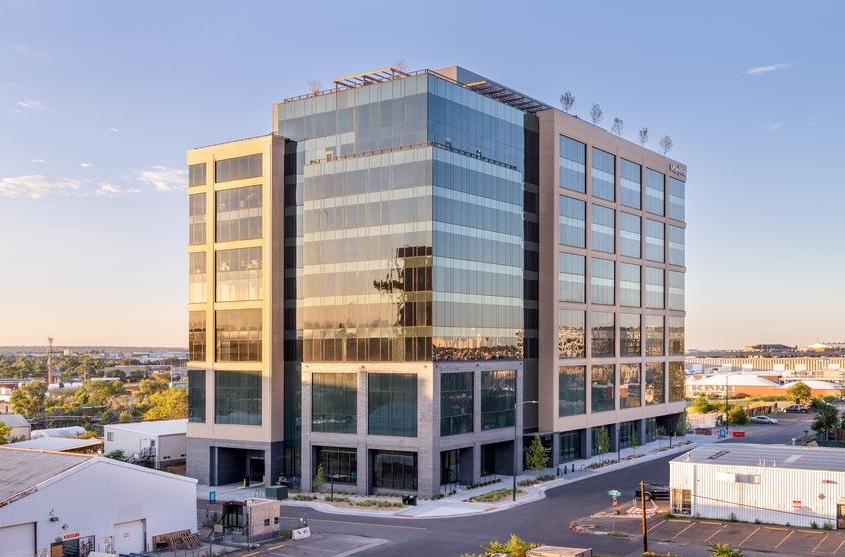
Just for grins, I searched for who financed 1900 Lawrence St. (Btw, I love this new Google AI feature). The answer is:
Quote:
The financing for the 1900 Lawrence office tower in Denver, Colorado was a collaboration between multiple parties, including: - Riverside Investment & Development (the developer)
- Convexity Properties - A real estate investment firm that partnered with Riverside on the project
- Canyon Partners Real Estate - A Dallas-based real estate firm that partnered with Riverside on the project
- Bank OZK - Formerly known as Bank of the Ozarks, this bank provided a senior construction loan
|
Some office REITS - are running into issues because they likely had a portfolio of older properties. But I think in most cases they were not highly leveraged and used institutional sources other than banks (life insurance companies?).
For Example:
November 25, 2024 -- Matt Wasielewski, South Florida Bisnow
Quote:
|
Office Properties Income Trust, a Massachusetts-based REIT with a nearly 20M SF portfolio, reached a deal to refinance debt that had threatened to push the firm into bankruptcy. OPI announced Monday that an ad hoc group of creditors had agreed to refinance $340M in debt set to mature in 2025, pushing the maturity date to 2027.
|
I believe I owned shares in this REIT for their dividends but that was maybe 15-20 Years ago.





 Prev
Prev





 One day, when Denver builds a new tallest, we should order a similar cake to celebrate.




 Linear Mode
