Quote:
Originally Posted by aberdeen5698

It seems to be a repetitive theme that we ought to run transit along some route just because we happen to have a right of way. The streetcar was one example of this, the Arbutus corridor is another.
The availability of a right of way is great, and I'm all in favour of preserving them so that they're there when the time comes that we need them. But let's not put the cart before the horse - you don't build transit because there's a right of way, you build transit because there's a demand that needs to be met. If the availability of a corridor helps to bring down the cost, then that's terrific. But without the demand it's just a waste of money.
|
That's true, but there's often a debate between 'serving' or 'shaping' development, when a new transit route is proposed. When the possibility of a RAV line, (as it was called then) was being planned in the early 2000s, there were actually more people, and jobs, within 400m of the likely station locations on the Arbutus route than there were along Cambie. It picked up the jobs in the industrial area by the Fraser River, the Kerrisdale centre (which wasn't so different from Oakridge in terms of jobs, and greater in terms of population), Broadway retail and office jobs near Arbutus, (and more residents than Cambie and Broadway) and Granville Island. At the time it was expected to be LRT, not the system we got with the Canada Line.
Cambie had more potential for adding people and employment because it picked up underdeveloped opportunities like Oakridge, as well as the already high employment and retail node that includes VGH and City Hall, that still had potential to densify.
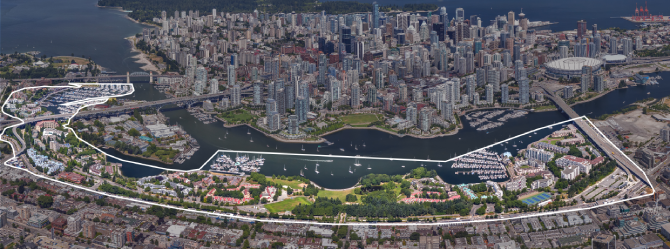
With the addition of Senakw, and the densification that's coming from the Broadway Plan and other City policies, the numbers of potential riders who might use an Arbutus tracked transit route would probably be more than even the relatively recent estimates of ridership that Migrant quoted.





 Prev
Prev









 Linear Mode
