 Posted Nov 6, 2023, 5:38 PM
|
|
你的媽媽
|
|
Join Date: Jan 2012
Location: The Bay
Posts: 11,712
|
|
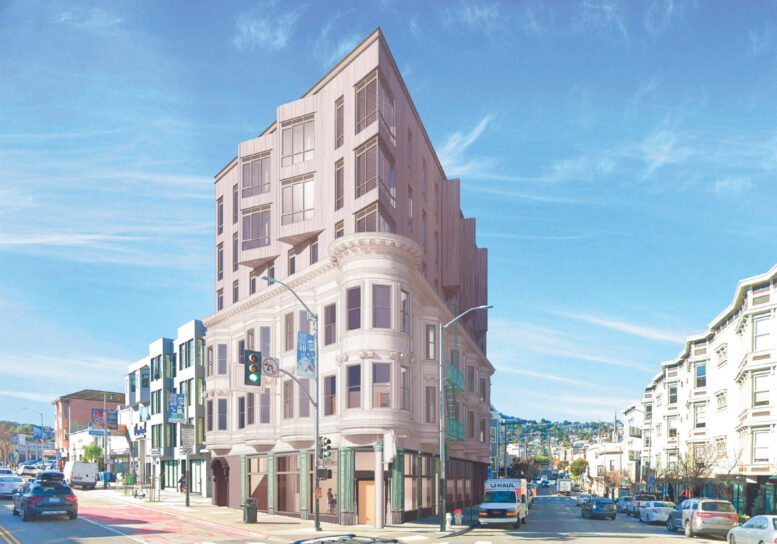
The specs for 2395 Sacramento Street:
- 7 floors, 77 ft
- 24 units (1 1BR, 10 2BR, 9 3 BR, 4 4 BR)
- 3 of the units will be affordable
- Parking for 26 cars and 42 bicycles
The site:
https://maps.app.goo.gl/migCwSYKv16FVZub8
Quote:
Updated Design Ahead Of Meeting For Adaptive Reuse In Pacific Heights
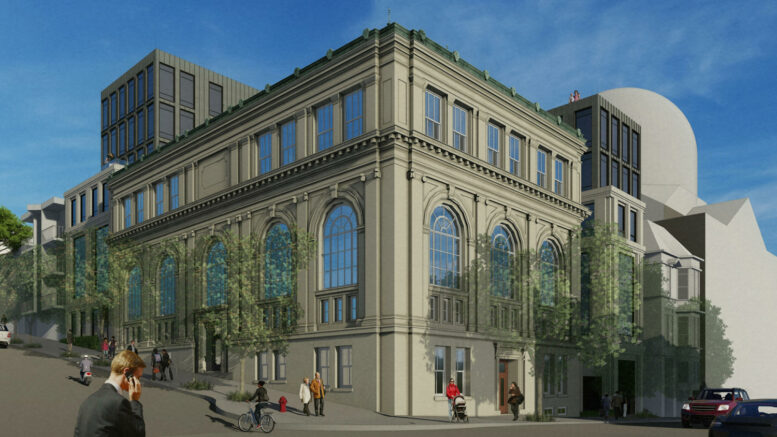
BY: ANDREW NELSON 5:00 AM ON NOVEMBER 6, 2023
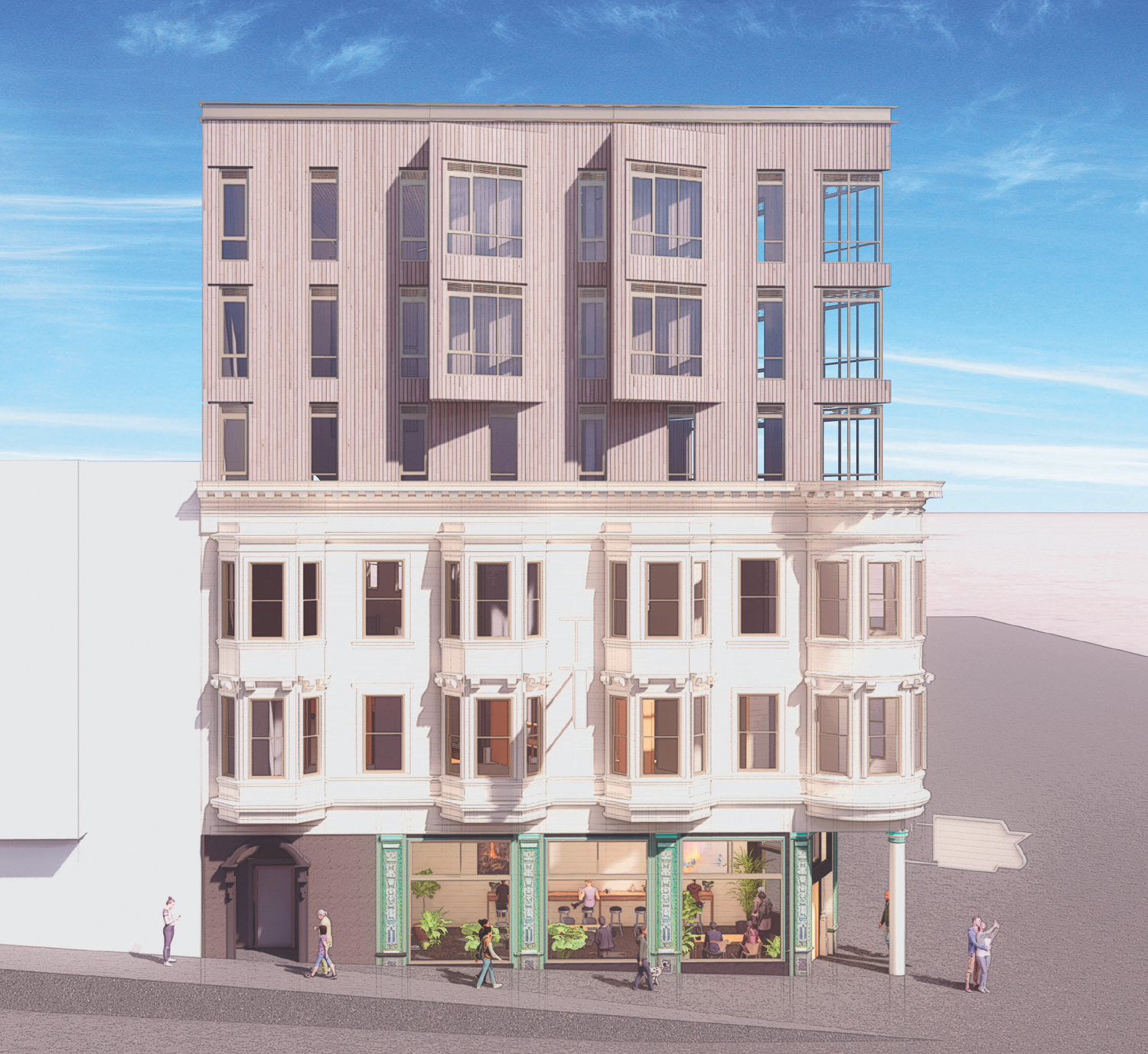
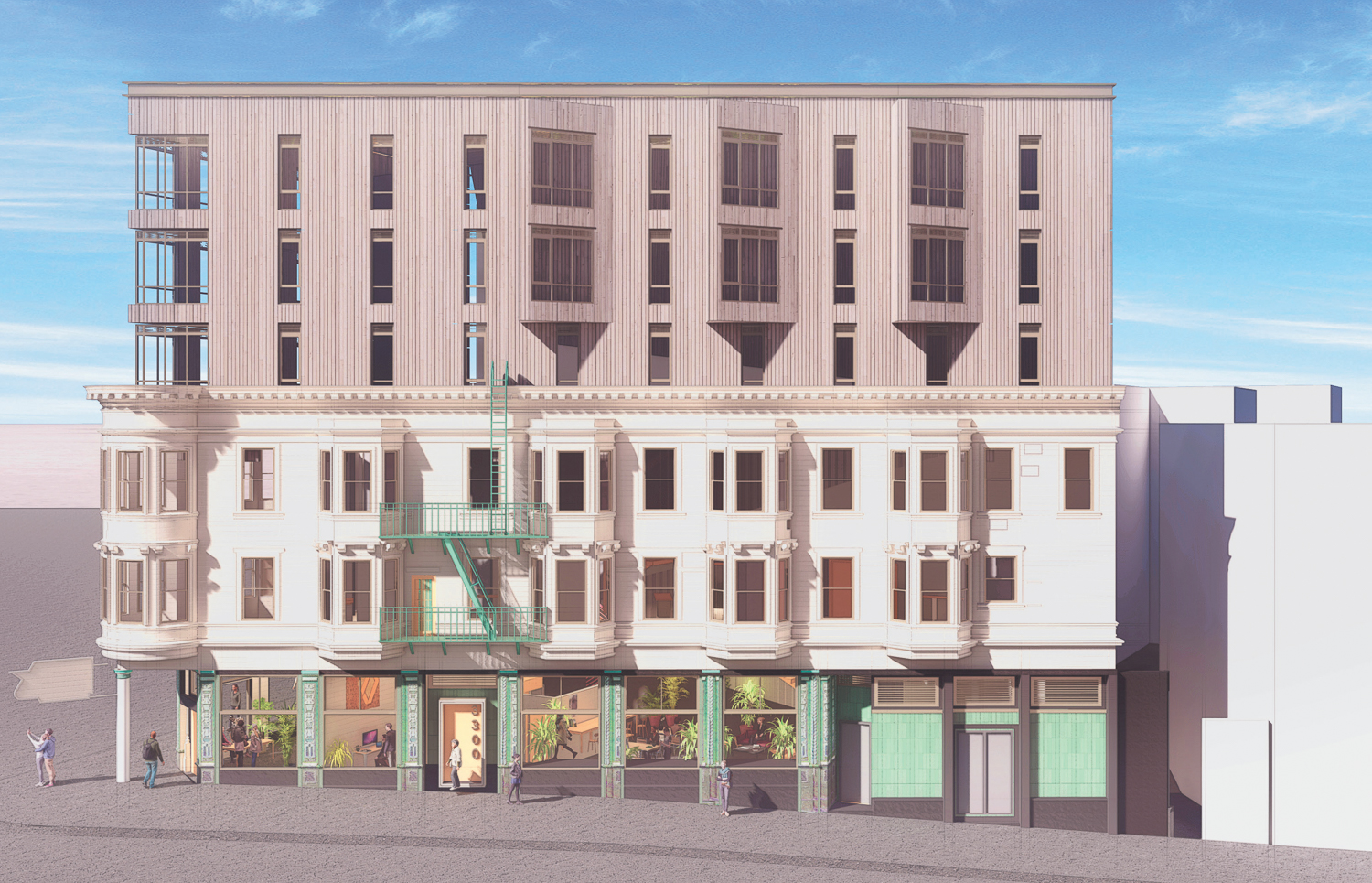
March Capital Management is continuing to pursue an adaptive reuse of the former private library for Cooper Medical College in San Francisco’s Pacific Heights neighborhood. Updated renderings show the firm is honing in on the design, led by BAR Architects, that includes interior renovations and expansion. The city’s Planning Commission is scheduled to review the plan in a public meeting this Thursday.
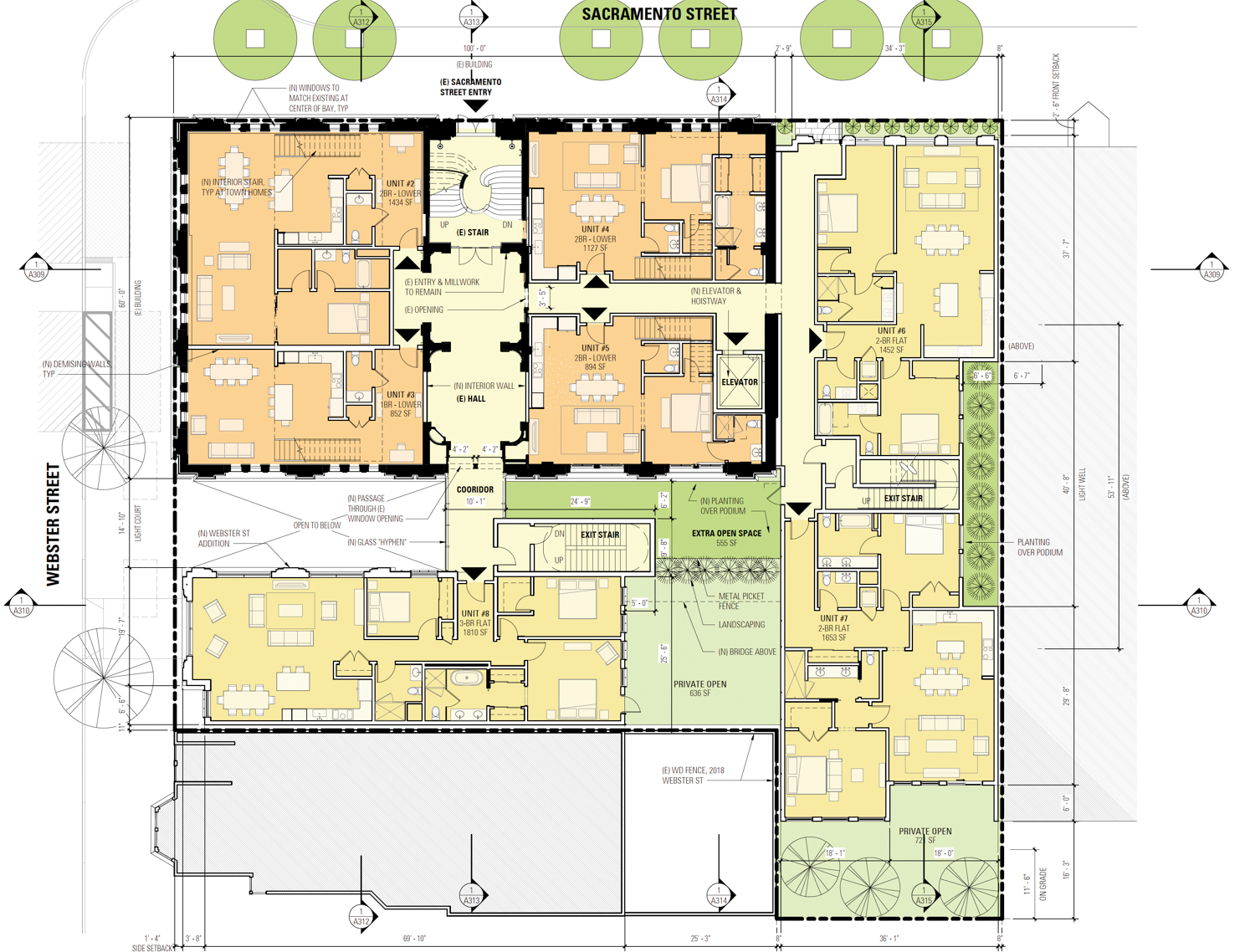
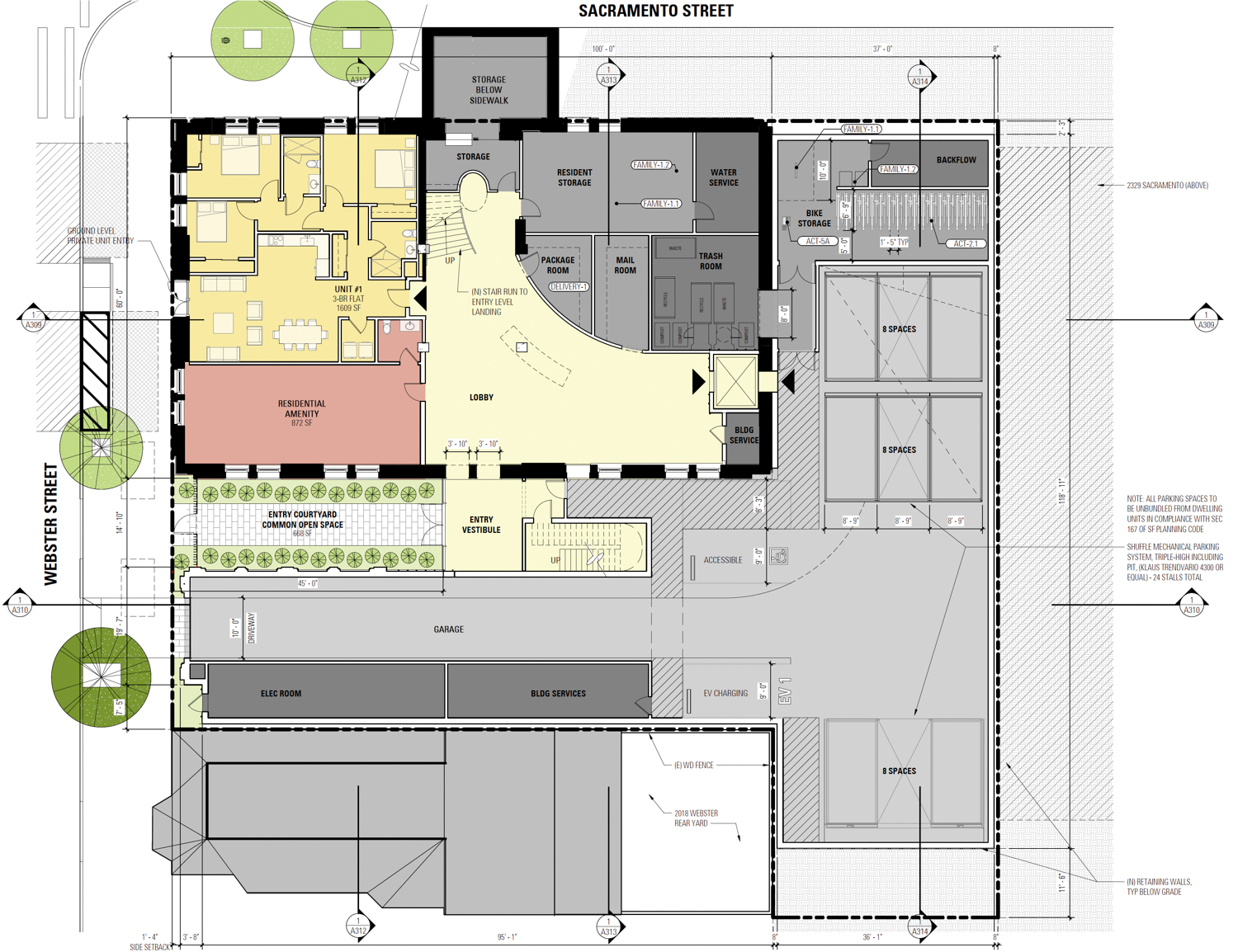
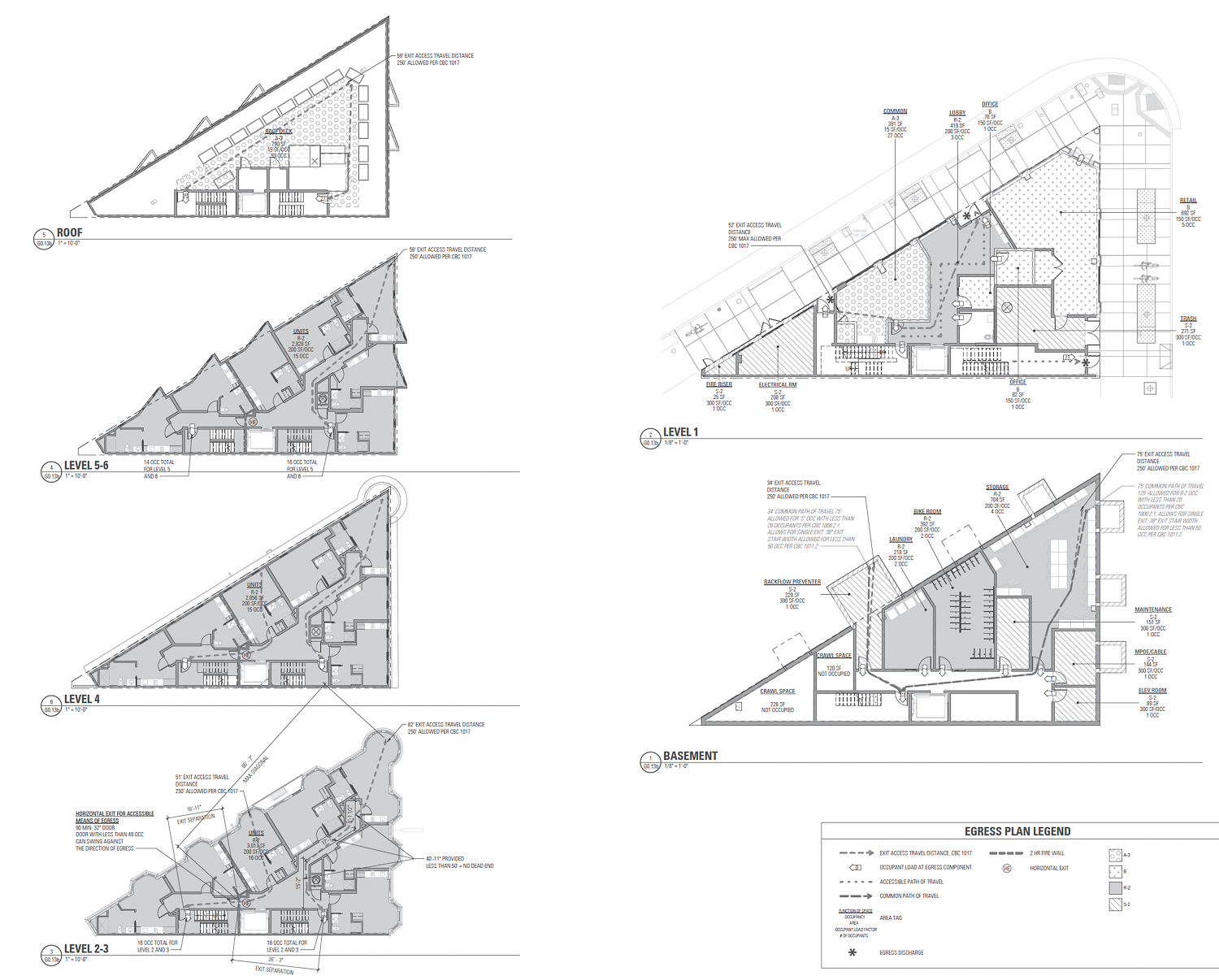
The structure will yield around 67,010 square feet with 45,770 square feet for housing, 5,540 square feet for the ground-level garage with stackers, and 700 square feet for bicycle parking. The ground level includes a shared amenity space connected to the lobby with windows over the entry courtyard from Webster Street for all residents.
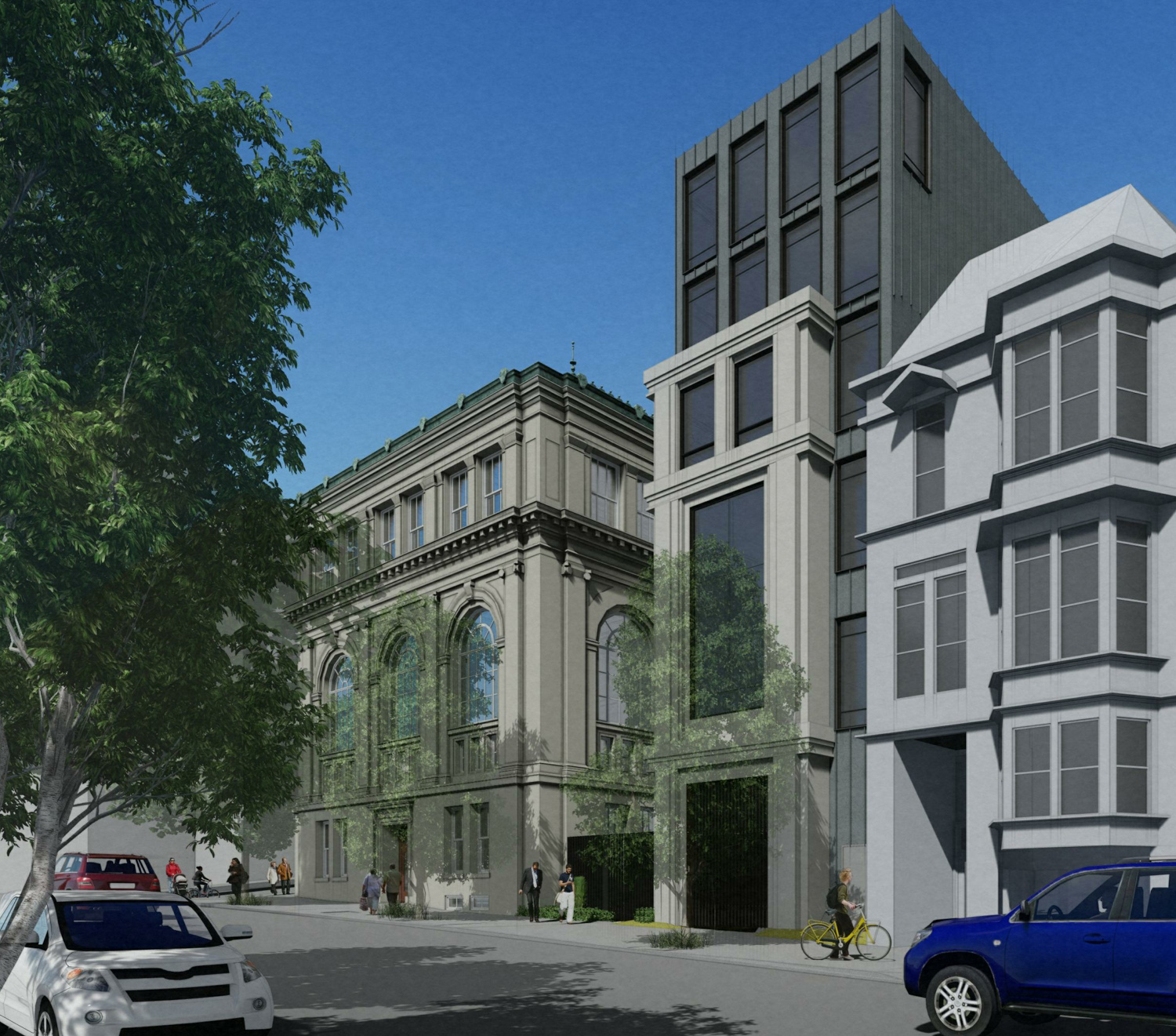
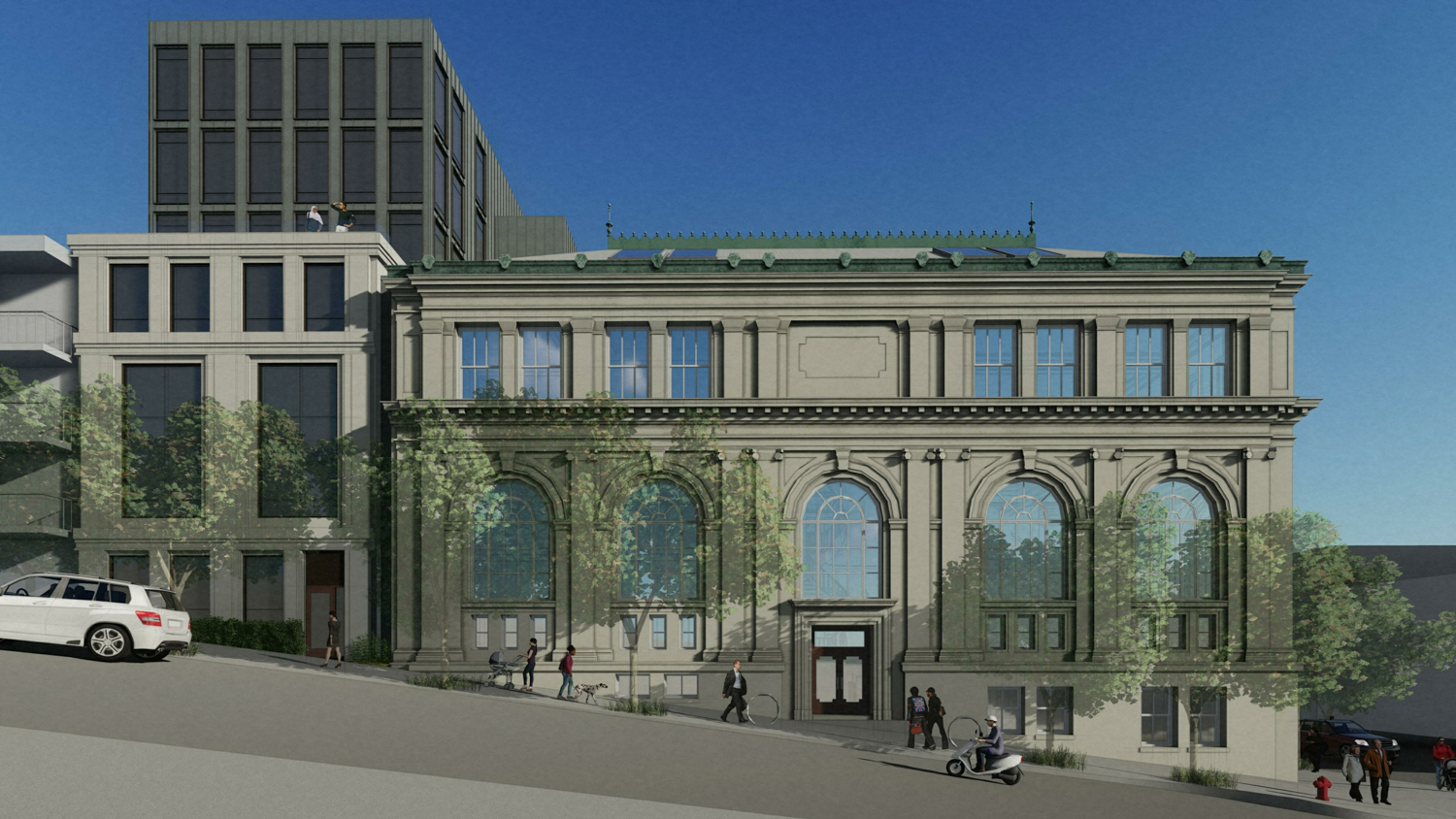
The second level will distinguish the historic building from its new structures. A private backyard and podium-top planters will separate the six-story Webster Street addition from the historic structure and the seven-story Sacramento Street addition. The Sacramento Street addition is built into the east wall of the former library, while the Wesbter Street addition will have a three-story glass bridge connecting levels two through four with the library and a two-story glass bridge connecting levels five and six to the elevators in the Sacramento Street addition.
Once complete, the 77-foot-tall development will create 24 new homes, three designated as affordable. Apartment sizes have been adjusted, with a one-bedroom, ten two-bedrooms, nine three-bedrooms, and four four-bedrooms. Parking will be included for 26 cars using stackers and 42 bicycles.
BAR Architects is responsible for the adaptive redesign. The most visible change from the renderings is the reduced height for the street-facing exterior of the two apartment annexes. The cornice has been pushed down one floor to match the existing library, while the fenestration features historicized flourishes. Before, it had matched the structure’s setback rooftop height.
Above the pedestrian-visible datum on the new builds, BAR Architects write that “the top three and two levels (east and south respectively) of the proposed additions are treated as ‘attic levels’ with a matte-colored, medium grey metal panel system that is referential to the slate roof on the existing building.” Exterior materials will include “lightly colored, precast panel material with a combination of simple recessed and framed ‘punched’ window elements that mimic the proportions of the existing building.”
...
The former Health Sciences Library was designed in 1912 by one of the city’s most prominent architects, Albert Pissis. San Francisco Architectural Heritage writes that, “more than any other single architect, Albert Pissis changed the face of San Francisco in the two decades bracketing 1900, bringing to this strange frontier city the imperial pomp and gravity it so longed for.” Pissis, which rhymes with crisis, was part of the first wave of American architects to study in the Paris Ecole des Beaux-Arts. His additions to the city include the first Emporium building, the James Flood Building, the Mechanics’ Institute Library, and University Building on the UC Berkeley campus.
Construction is expected to cost around $10 million and last just 12 months. The cost figure is not inclusive of all development costs.
|
https://sfyimby.com/2023/11/updated-desi...r-adaptive-reuse-in-pacific-heights.html
|





 Prev
Prev










 Linear Mode
