| |
 Posted Feb 12, 2024, 11:58 PM
|
|
Registered User
|
|
Join Date: Feb 2009
Location: Vancouver
Posts: 27,741
|
|
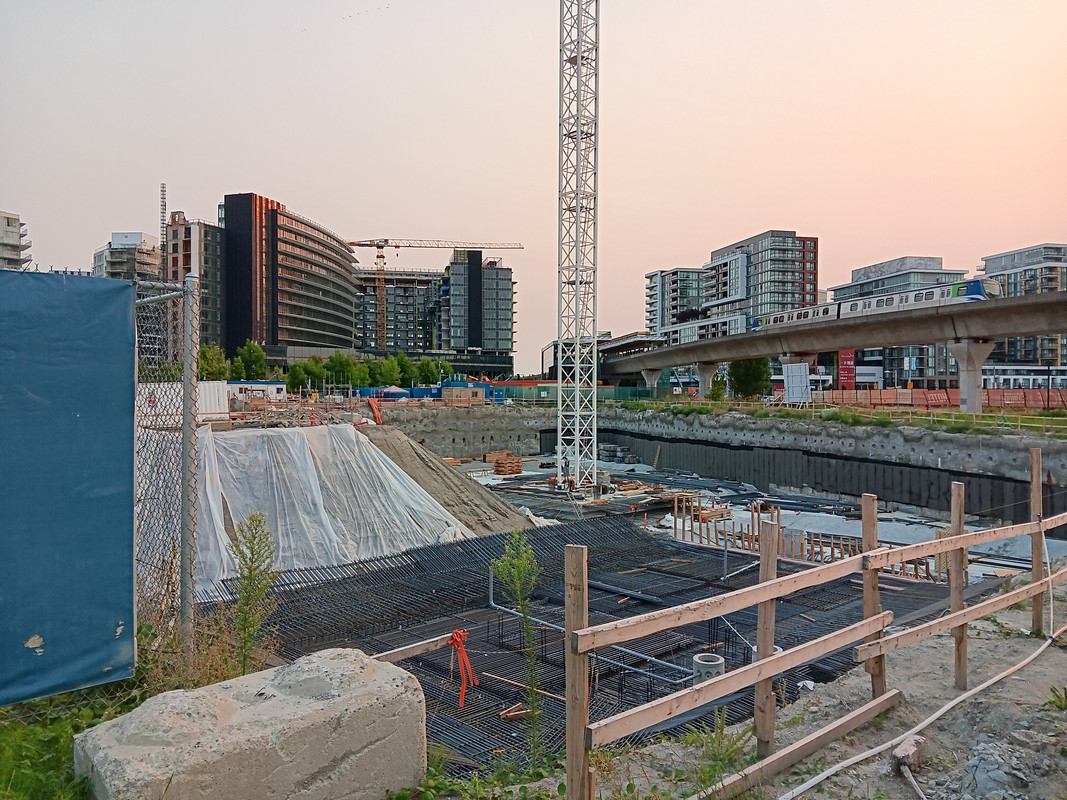
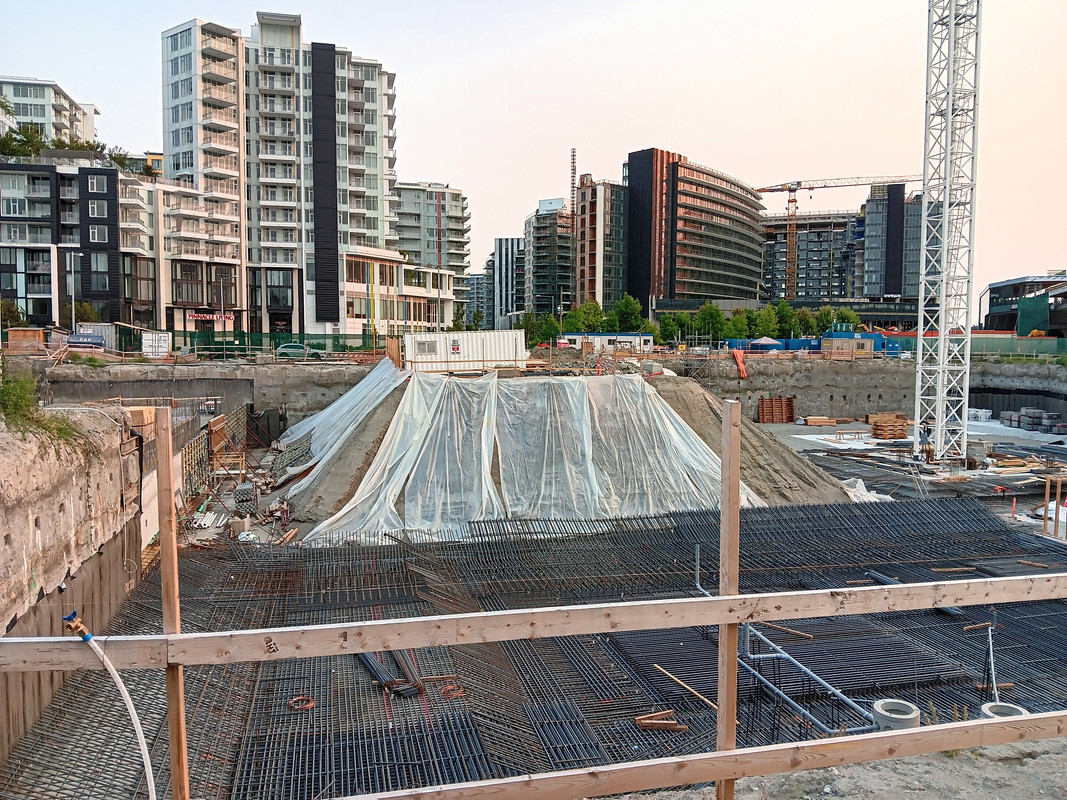
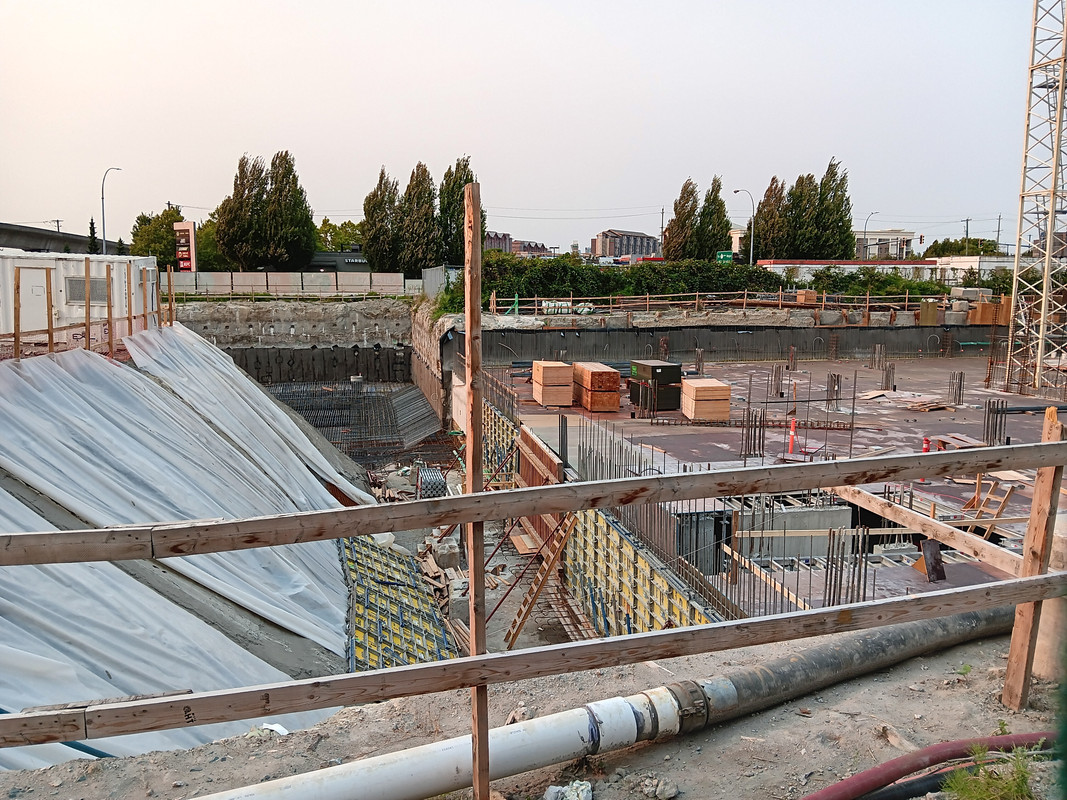
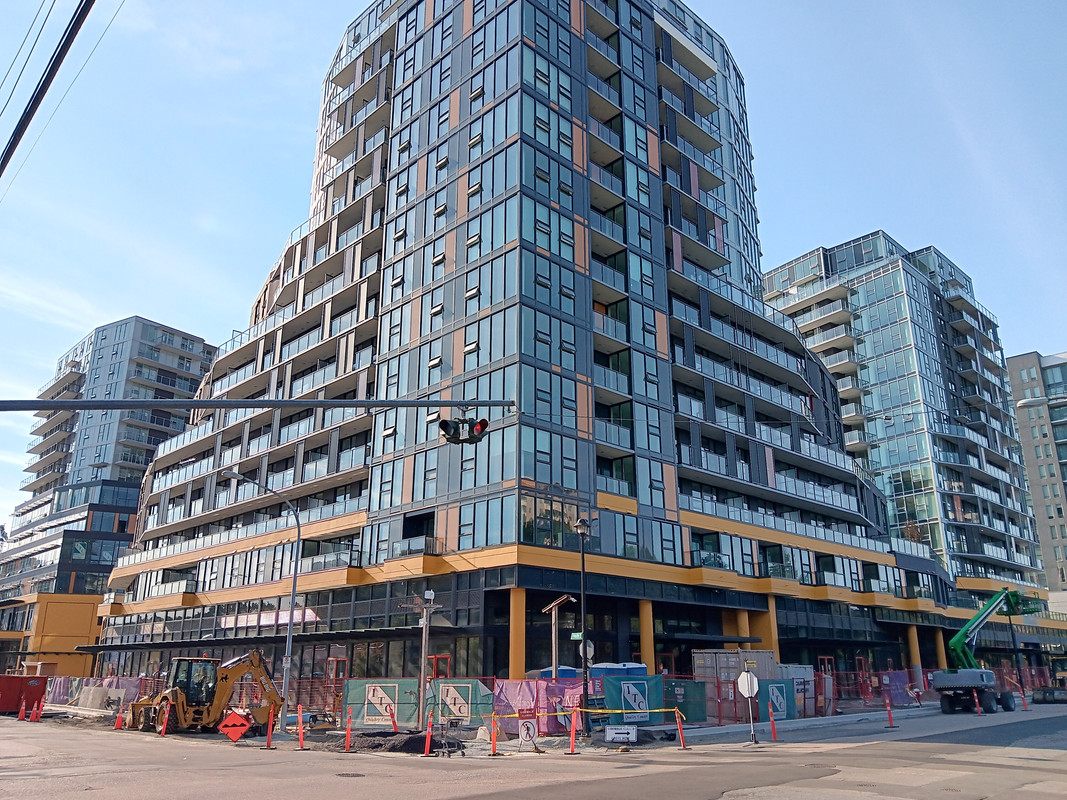
Court documents from the ALFA on Anderson fiasco. I bolded some of the highlights (lowlights?)
IN THE SUPREME COURT OF BRITISH COLUMBIA
Citation:
Zheng v. Anderson Square Holdings Ltd.,
2024 BCSC 216
Date: 20240209
Docket: S1912984
Registry: Vancouver
Between:
Baoming Zhang, Lu Fei Sun, Charlotte Ga Ling Tong, Christopher James Bak Kan Tong, Xiao Qi Lucy Meng, Chun John Chak, Jie Gao, Xinyu Ji, Yong Song Zhao, Hua Wei Li, Yan Zhu, Li Min Ma, Wan Cao, Qing Wei Li, Lan Guo, Chi Sing Ng, Tsang Angela Mun Yee, Ravinder Kaur Hayer, Chun-Yao Wang, Jian Chung Zheng, Chei Yong Lee, Xue Yu Han, Yong Jun Jiang, Han Yun Lu, Bo Zhang, Chun Xue Chen, Yuan Tao, Mo Yeung, Tai Fung Chan, Bao Sen Han, Peng Fei Zhu, Yuan Dong and Vivien Lan Xu
Plaintiffs
And:
Anderson Square Holdings Ltd., Keung Sun Ho aka Sunny Ho and Jia An Liang aka Jeremy Liang
Before: The Honourable Justice K. Loo
[1] This action is brought by more than 30 plaintiffs who were presale purchasers of units in a residential development project known as “ALFA” located in Richmond, British Columbia (the “Project”). They signed presale contracts in 2015 and 2016. On July 12, 2019, they received notices from the developer purporting to terminate their contracts (the “Termination Notices”). Approximately two years after the Termination Notices were sent, the Project was completed and the units were offered for sale to other purchasers at higher prices.
[2] The corporate defendant Anderson Square Holdings Ltd. (“Anderson Square”) was the developer of ALFA. The personal defendants Keung Sun (Sunny) Ho and Jia An (Jeremy) Liang (the “Personal Defendants”) were the sole directors and officers of Anderson Square after June 2016.
[3] The plaintiffs advance claims for breach of contract, inducing breach of contract and unjust enrichment. The plaintiffs also allege breaches of the duty of honest performance of a contract within the meaning of that term as it is used in Bhasin v. Hrynew, 2014 SCC 71 and C.M. Callow Inc. v. Zollinger, 2020 SCC 45 [Callow]....
...An unusual situation arose with respect to one of the plaintiffs. During Qing Wei Li’s testimony, it was revealed that Mr. Li’s son had appeared on Mr. Li’s examination for discovery and had impersonated his father, to opposing counsel, the court reporter and his own counsel. This conduct was unacceptable and an affront to the Court’s process. That said, it did not affect the defendants’ ability to defend the claim in any substantive way, and the defendants declined to conduct a proper examination for discovery of Mr. Li prior to his trial testimony.
The Personal Defendants
[8] Both of the Personal Defendants were called by the plaintiffs as adverse witnesses. They were also called as part of the defendants’ case.
Mr. Liang
[9] Mr. Liang was very inexperienced in business and real estate matters. When he was appointed as a director of Anderson Square and Anderson Plaza, he was a student at the University of British Columbia. The evidence shows that Mr. Ho had, through Mr. Liang, sought a business relationship with the Liang family, and in particular with Mr. Liang’s father, who was a successful and wealthy businessman in China. Mr. Liang became the “face” of the Liang family’s investment because Mr. Liang was physically present in Canada, unlike his father. Further, Mr. Liang was studying business and hoped to have a career in real estate development, and it appears that his father took this opportunity to provide his son with some experience in that field.
[10] Notwithstanding his inexperience, it is my view that Mr. Liang gave his evidence in a fairly straightforward manner.
Mr. Ho
[11] By contrast, Mr. Ho’s evidence was successfully challenged in a number of ways which raised doubts about his reliability and credibility.
[12] As one example, in the July 2016 letter to the plaintiffs which advised the purchasers of Anderson Square’s change of ownership and introduced Mr. Ho and Mr. Liang as the new directors and officers, Mr. Ho advised the purchasers that “financing [was] in place”.
[13] However, the only financing arrangement that existed at the time was a “discussion letter” from Laurentian Bank. Mr. Ho conceded that this discussion letter was not a firm commitment, as “there were a lot of conditions that we had to fulfill”. He testified: “The most important condition was that we had to go through the credit department of the bank. It would not approve the financing if the guarantors did not have enough money, or if the borrower’s credit was not approved, or if markets were down”.
[14] Despite this admission about the conditional nature of the letter, he maintained on cross-examination that he was justified in advising the purchasers that financing was in place. Further, it was pointed out to him that he did not inform the purchasers when the Laurentian application was later declined and the discussion letter was no longer extant. While Mr. Ho acknowledged that it was important to advise the purchasers of such matters, he testified that “I was too busy so I forgot to advise them”....
... Conclusion and Costs
[135] Anderson Square is liable to the plaintiffs for damages totalling $13,093,900.
[136] The plaintiffs’ claims against the Personal Defendants are dismissed.
[137] Unless there are matters such as settlement offers which would impact this Court’s decision on costs, in which case the parties shall arrange through the registry to make submissions, the plaintiffs’ costs of this action shall be payable by Anderson Square at Scale B, subject to one exception. That one exception is the plaintiff Qing Wei Li who shall not receive any costs of the action on account of his conduct and that of his son in relation to his examination for discovery.
https://www.bccourts.ca/jdb-txt/sc/24/02/2024BCSC0216.htm

|
|
|





 Prev
Prev












 Linear Mode
