Another non-story…
https://www.nytimes.com/2023/10/25/arts/design/empire-state-building-views.html
When the Skyscraper You Hate Blocks the Skyscraper You Love
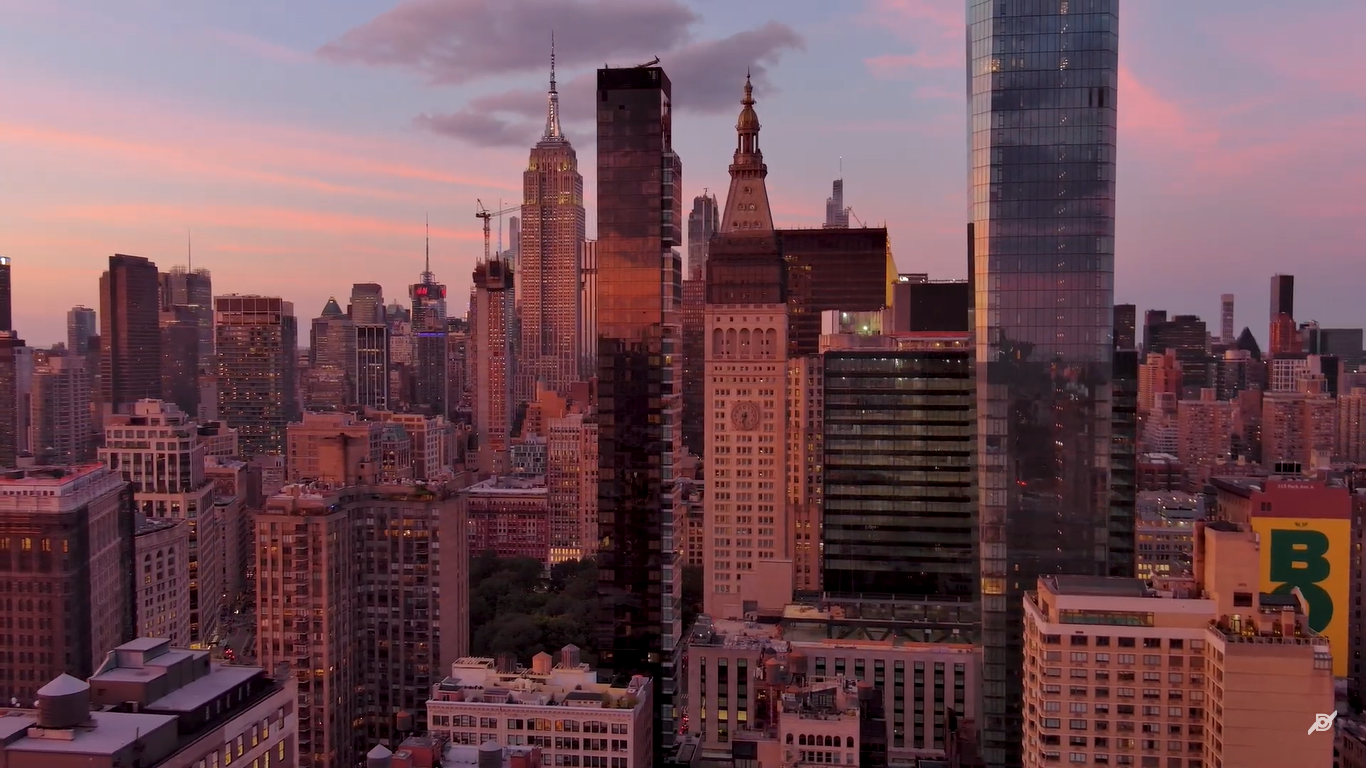
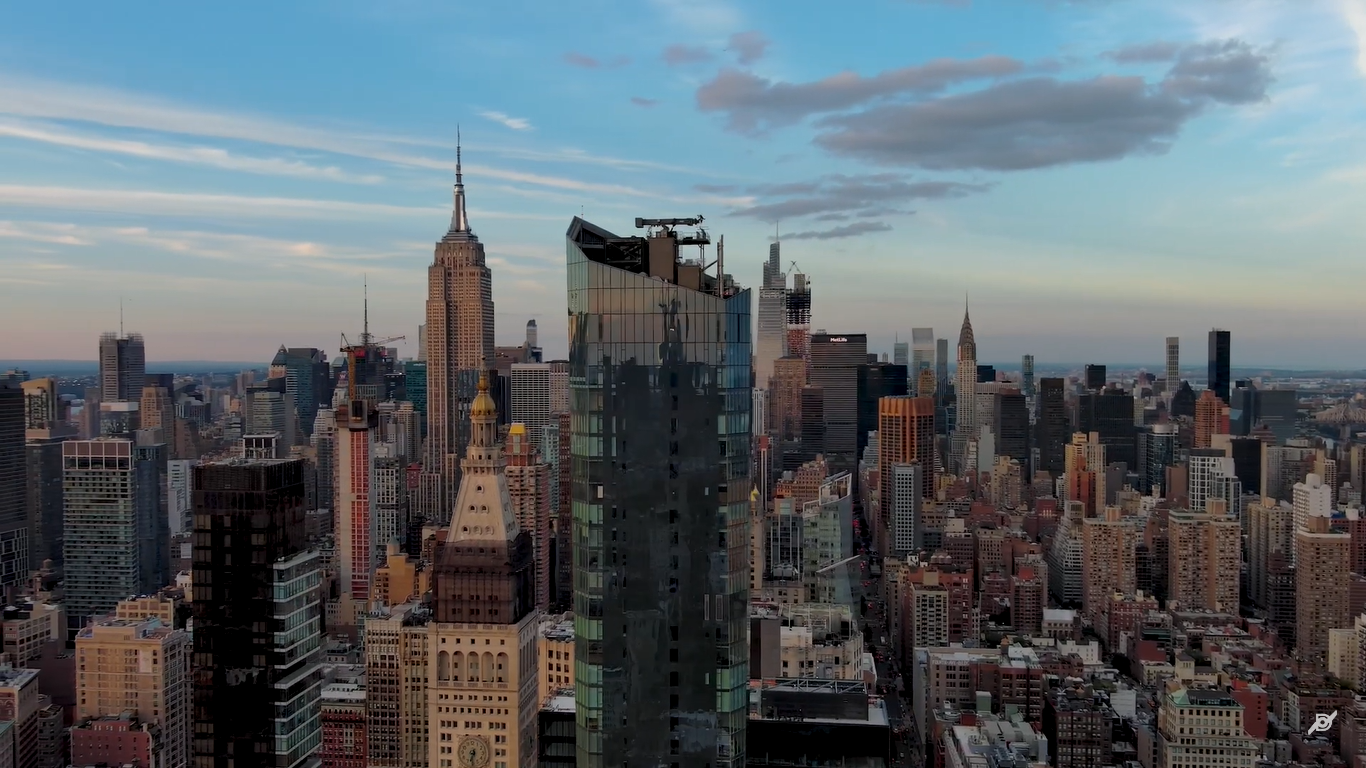
Views of the Empire State Building are being obscured by a new 860-foot luxury tower rising just blocks away. Should New York regulate its skyline?
By Michael Kimmelman
Oct. 25, 2023
Quote:
Sometimes New York’s a downer. I had an appointment the other day near Madison Square Park.
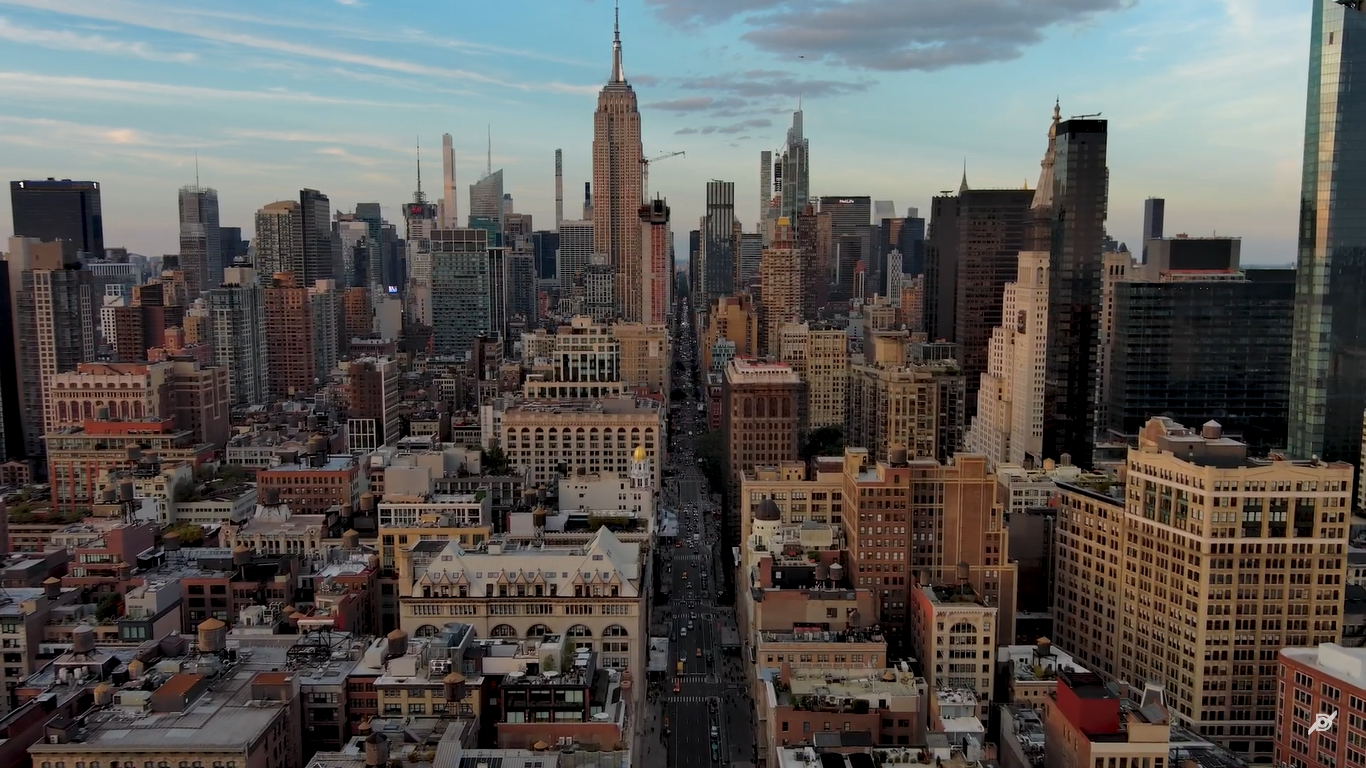
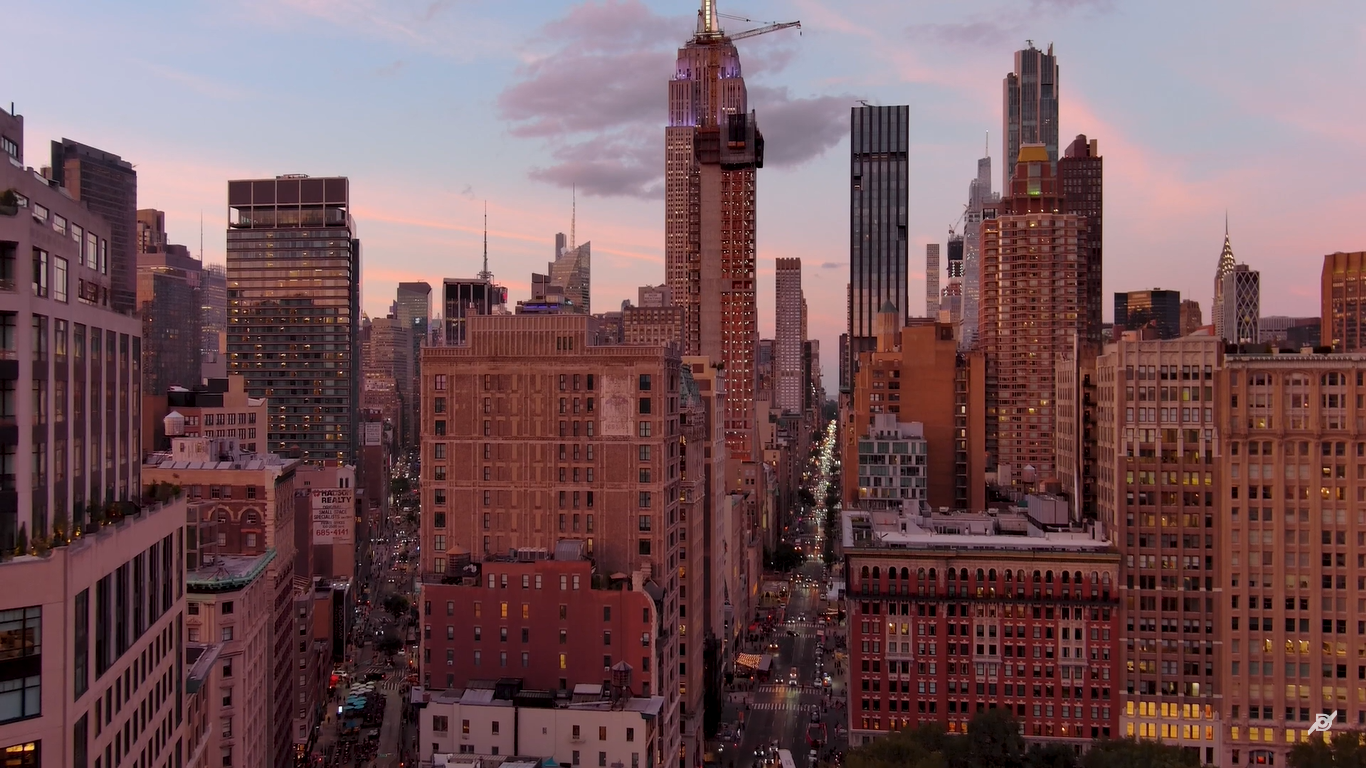
For years, one of the great architectural twofers in the city has been the view up and down Fifth Avenue from the pedestrian plaza next to the park, south toward the Flatiron Building, north toward the Empire State. When I reached the plaza I turned to admire the Flatiron, as usual. But the view north had changed.
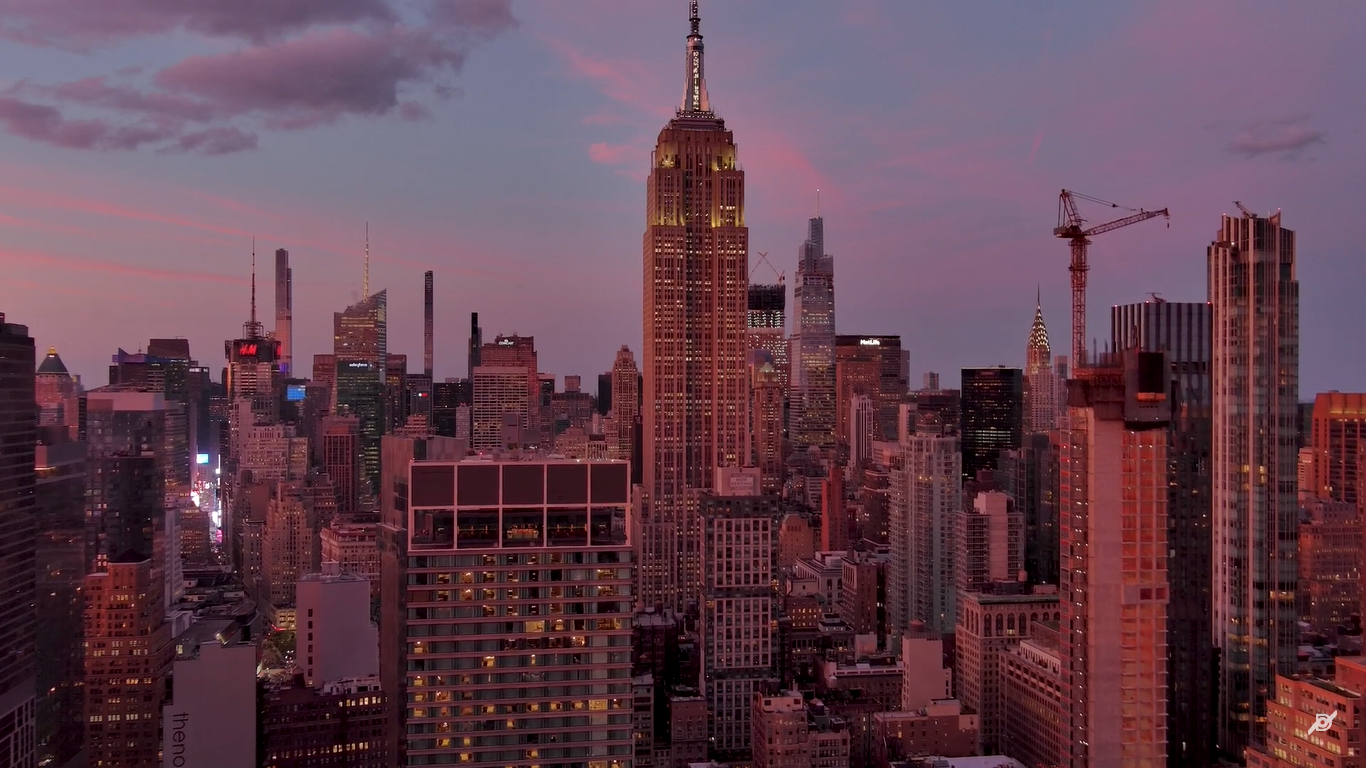
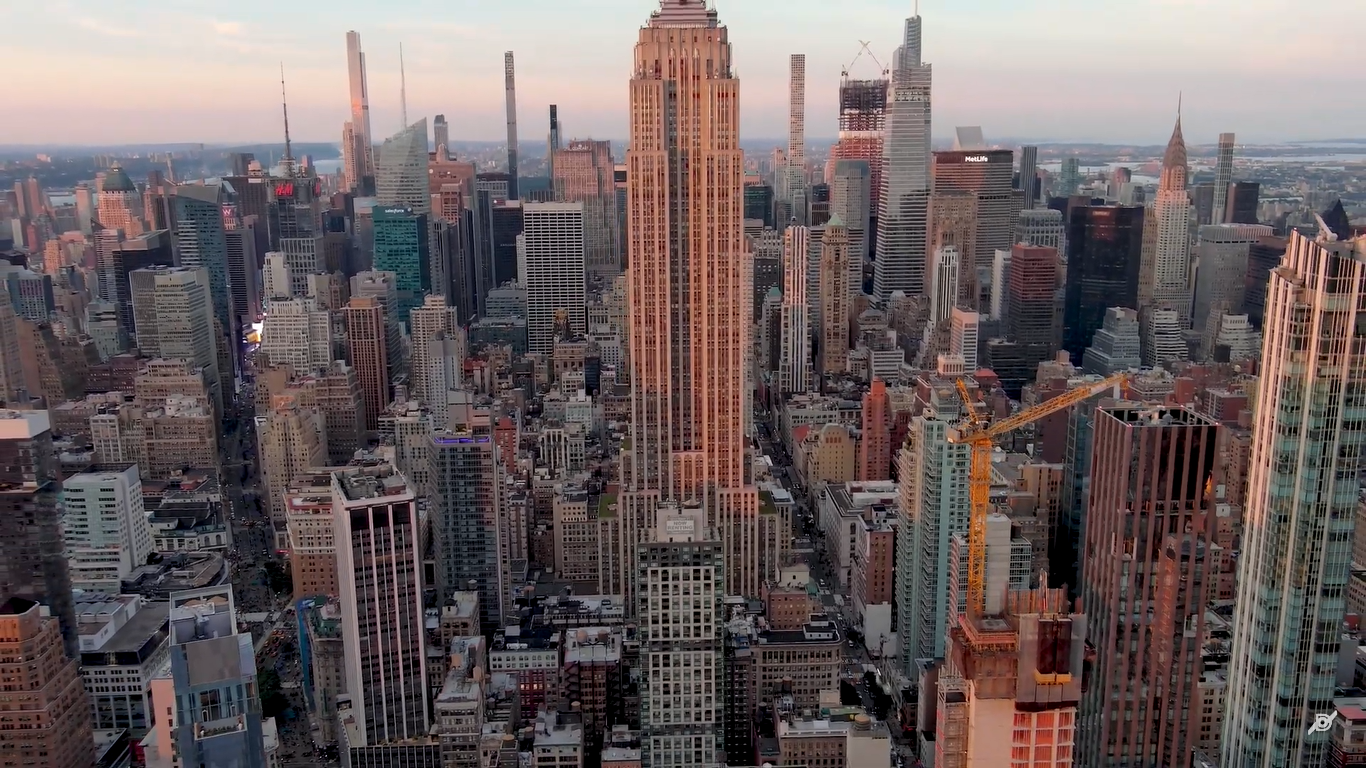
The Empire State Building is gone, or almost.
From much of the plaza, yet another anorexic supertall for squillionaires, rising at 29th Street, now blots it out.
|
Quote:
A generation ago, the New York skyline was a global icon, shaped more or less like a suspension bridge stretched between the Empire State and the Twin Towers, making it possible to, say, pop out of some unfamiliar subway station, gaze up toward the clouds and orient oneself along the skyline’s north-south axis. Today, the skyline is vastly more complex, far-flung and difficult to picture, and it’s common to hear complaints that the city has lost its bearings.
Should New York regulate its skyline?
It’s hardly a new question. Ever since Henry Hudson sailed through the Narrows, change has been New York’s mantra and bugaboo. In the name of progress, the city has long ghosted its inhabitants, architecturally speaking, removing parts of itself, taking up with richer, shinier partners, canceling cherished views.
|
Quote:
|
New Yorkers may recall, several years ago, seeing the west facade of Grand Central Terminal from Madison Avenue when a block of brick buildings came down on 42nd Street. Then One Vanderbilt, a 1,401-foot-tall commercial behemoth, sprouted where the brick buildings had been and the view dissolved like a mirage. Another building came down around the corner where a new skyscraper is going up, incidentally revealing the otherwise shared side, or “party,” wall of Stanford White’s Century Association. It was the architectural equivalent of spying a 19th-century robber baron in his underwear.
|
Quote:
New Yorkers have historically toted up these fleeting encounters like dueling scars or Waldo sightings. A healthy city is an evolving organism, after all.
But the fickle skyline, occupied by billionaire apartments, has increasingly come to symbolize the city’s growing income gap and the skyrocketing cost of housing — crises exacerbated by homelessness, NIMBYism and an abiding public allergy to new architecture, which dates back at least to the 1940s.
Before then New Yorkers clearly felt more at peace with change, more confident that whatever was lost, architecturally, would be replaced by a building equally good or better. New Yorkers mourned the demolition of the old Waldorf Astoria on Fifth Avenue by Henry Hardenbergh. With a few notable exceptions, however, they came to adore what arrived on that corner even more: the Empire State Building.
|
Quote:
“It’s time to rethink our assumptions,” according to Jorge Otero-Pailos, who directs the historic preservation program at Columbia University. Regulating iconic views would “guarantee a collective experience, a sense of shared identity and civic meaning, which can bind New Yorkers across generations and centuries,” he told me.
But New York is not St. Petersburg or Rome or even London. Manhattan’s rectilinear street grid doesn’t lend itself easily to view cones. Zoning resolutions passed in 1961 set rules about square footage per lot size, so in a sense the city already regulates the skyline. Should it do more?
There’s no easy answer. Sometimes public opposition and an economic downturn help forestall a bad plan like Albany’s recent proposal to raise money to fix Penn Station by leveraging revenues from the development of a proposed cluster of office towers that no one now wants. Sometimes the city intervenes in specific cases. Years ago the Bloomberg administration’s planning commissioner, Amanda Burden, insisted that Hines, the developer, and Jean Nouvel, the French architect, lop off the top of 53W53, a tower planned in Midtown, in part so as not to upstage the Empire State. The change did no favors to 53W53, one of the better supertalls with its muscular exoskeleton, and the Empire State was dwarfed anyway.
One Vanderbilt, which now looms over the nearby Chrysler Building and also overshadows the Empire State from certain angles, currently pays $54 million in annual property taxes, a spokesman for SL Green Realty, its developer, tells me. That is more than five times what those brick buildings, now demolished, were paying collectively. And that’s not counting the $220 million in street and transit upgrades the developer doled out as part of an agreement with the city.
It’s tempting, but glib, to argue that the city should pass new laws requiring further public benefits from any building claiming stratospheric real estate that is, in effect, New Yorkers’ collective property. Zoning resolutions to that effect are among the most difficult regulations to pass, not least because they have an impact on revenues that support things like public transit, public housing developments, schools and hospitals.
|
Quote:
Fingers crossed, future development in New York will focus more on repurposing underused, older office and other buildings and constructing more subsidized apartments. But the skyline will inevitably be redrawn again and again. Carol Willis is among the New Yorkers losing her view of the Empire State because of 262 Fifth Avenue. For decades, she could admire the skyscraper from her bedroom window. As founder of the Skyscraper Museum in Lower Manhattan, she grasps the irony.
“Much as I would love to save my view,” she told me, she believes New York must preserve “the continuing New York-ness of the city.”
|

__________________
NEW YORK is Back!
“Office buildings are our factories – whether for tech, creative or traditional industries we must continue to grow our modern factories to create new jobs,” said United States Senator Chuck Schumer.
|





 Prev
Prev






 Linear Mode
